Trump’s immigration policies led to a decline in US population growth: Census Bureau
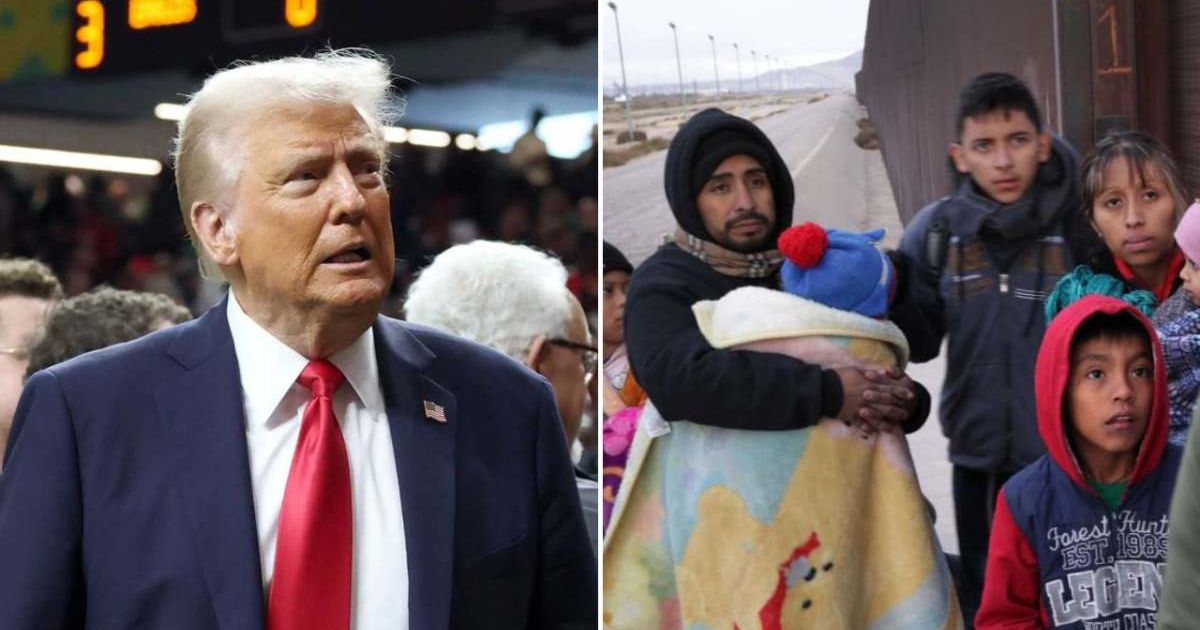
Both the nation and states saw their population growth slow in the last year but for different reasons.
— U.S. Census Bureau (@uscensusbureau) January 27, 2026
Why? Dive into the details on #AmericaCounts. https://t.co/1RuRBerE6u#PopulationEstimates #CensusData pic.twitter.com/MAByQI1gCU
WASHINGTON, DC: The population rate saw a sharp slowdown as fewer people moved into the country. The Census Bureau’s annual population estimates report, the population went up by only 1.8 million people in the year ending last June, about half as much as the year before.
The drop in people coming from other countries was a big reason for this slower growth. Tough immigration and deportation rules under the Trump administration made it harder for people who came to the country without papers to stay.
These policies affected states across the country, including Minnesota, where ICE enforcement activities had an impact on local people.
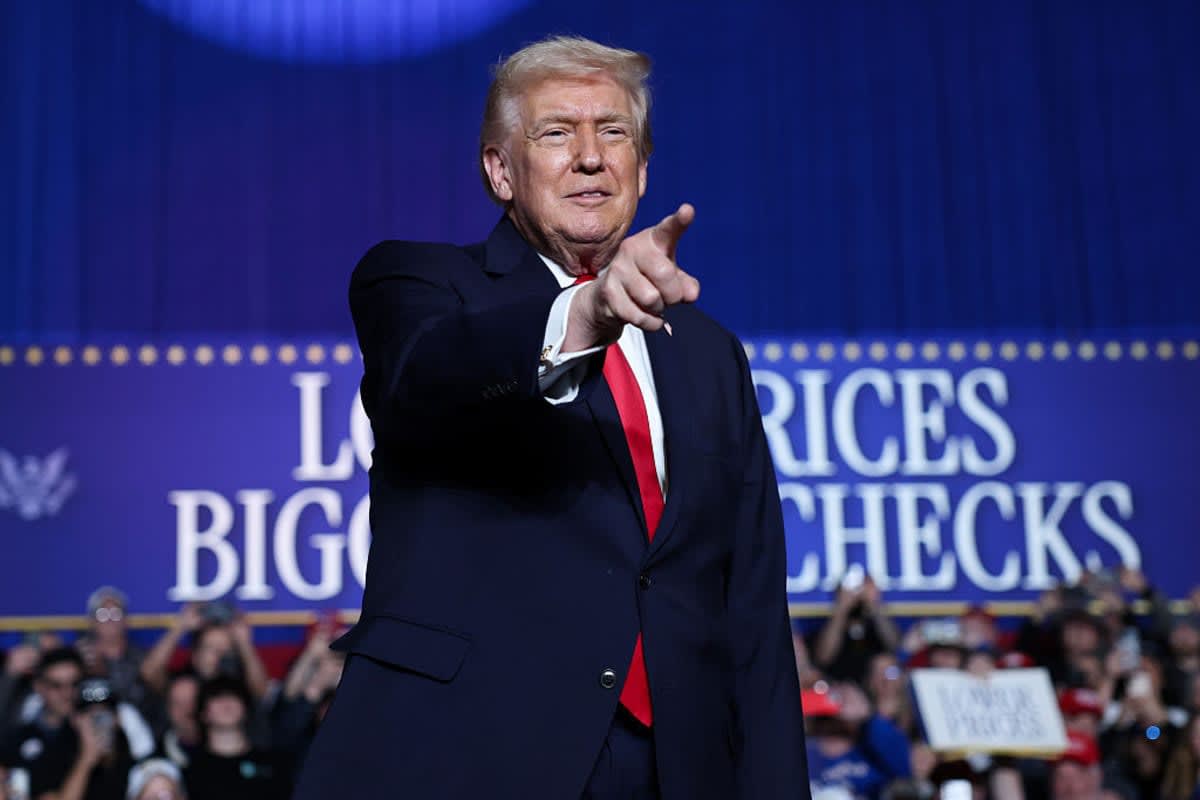
Population growth declines amid immigration crackdown
The Census Bureau’s annual report says the foreign-born population grew by 1.3 million, which is 52 percent less than the previous year. This happened because fewer people came legally, and some living without papers left or were deported.
Overall, the population grew 0.5 percent in 2025, down from almost 1 percent in 2024, which was the highest growth since 2001. Births outnumbered deaths by about 519,000, but that is less than before the pandemic. The total population is now around 341.8 million, as per the report.
Historically, population growth was lowest in 2021, during the COVID-19 pandemic. It was just 0.16 percent, with only 376,000 immigrants entering the country due to travel restrictions. After a brief post-pandemic situation, 0.8 percent in 2023 and a robust 1.0 percent in 2024 went up.
🆕 U.S. population growth has slowed due to a historic decline in net international migration. The population increased by 1.8 million (0.5%) from July 1, 2024-July 1, 2025, the slowest growth since the early period of COVID-19.https://t.co/mlixLGv3UV#PopulationEstimates pic.twitter.com/aTiMBxGTX0
— U.S. Census Bureau (@uscensusbureau) January 27, 2026
Census analysts warn that if the current trend continues, net immigration could drop by another million this year. Slower population growth can affect the economy. Immigrants play an important role in the workforce and help increase demand for goods.
The Trump administration has said that deportations may have reduced pressure on housing rents in some areas. Growth in the native-born population is steady but slower than in past decades.
The drastic slowdown is seen across the country, including Los Angeles, Portland, and Minneapolis, reflecting recent immigration enforcement. Eric Jensen, a senior researcher at the Census Bureau, said, “Fewer people are coming in, and more are leaving, showing recent migration trends.”
In California, Colorado, and Utah, population growth mainly came from natural change as immigration declined. California grew in 2024 despite losing over 240,000 residents, as net international migration added 312,761, with natural change adding 111,794. In 2025, immigration fell by over 200,000, domestic losses stayed near 230,000, and despite 109,715 from natural change, the state saw a small population decline, as per the report.
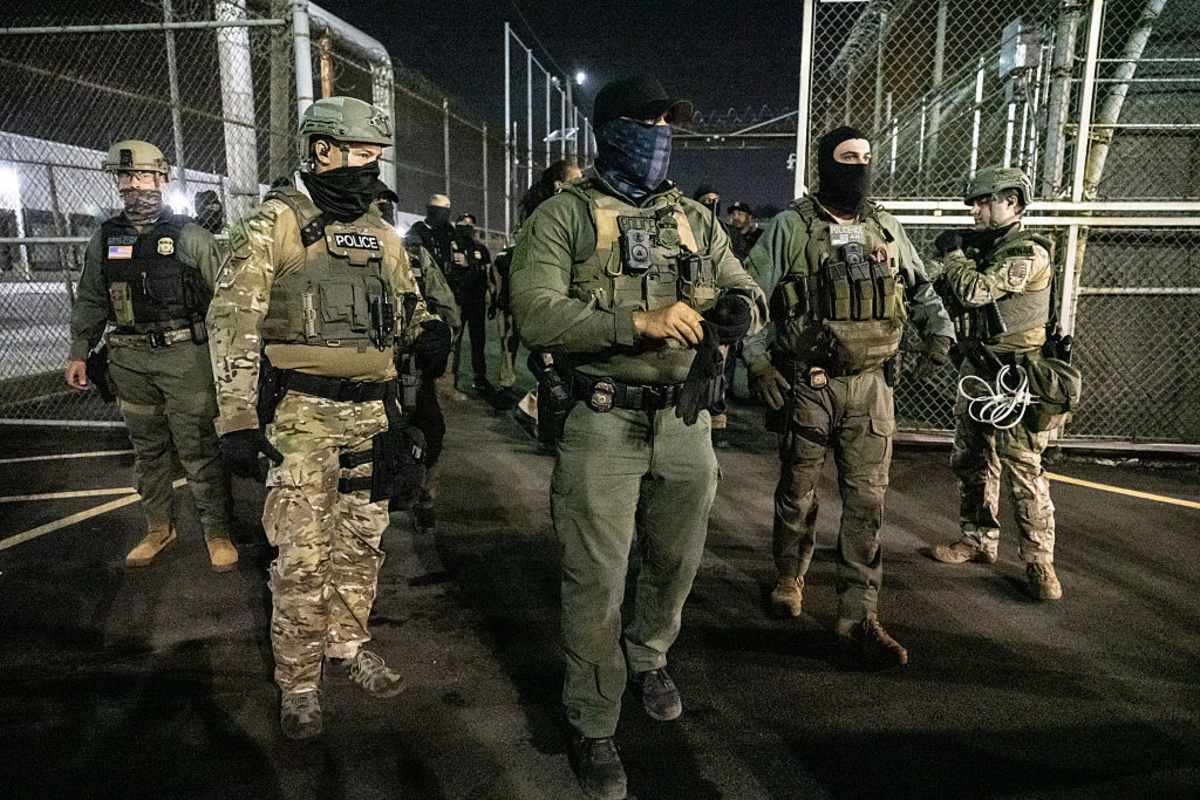
Trump's immigration crackdown rattles the country
Immigration policies under the Trump administration have caused major controversy in the country. The government closed parts of the southern border and stepped up enforcement actions across the country.
Tensions have been especially high in Minnesota, where federal immigration raids and shootings have rattled many people. Two citizens, Renee Nicole Good and Alex Pretti, were killed by federal agents in Minneapolis, incidents that have drawn nationwide attention and protests.
The release of the 2025 population estimates was delayed due to the 2025 government shutdown. Despite this, Brookings demographer William Frey said, “I have no reason to doubt the accuracy of the numbers.”