Trump’s ‘limited’ Iran campaign widens as US strikes IRGC targets. Again
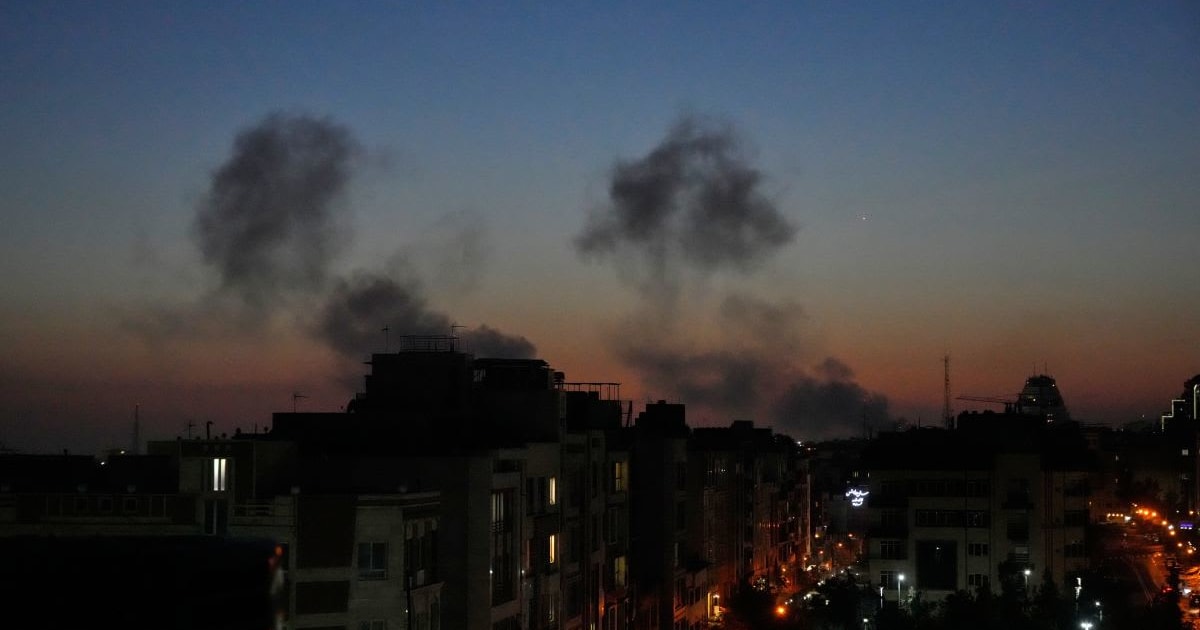
TEHRAN, IRAN: The US military launched fresh strikes against Islamic Revolutionary Guard Corps targets in Iran on Tuesday, September 1, days after President Donald Trump said American action would remain “very limited.”
US Central Command said the operation followed attempted Iranian attacks on commercial shipping in the Strait of Hormuz and US service members stationed in the region.
The latest action comes after Washington and Tehran exchanged fire over the weekend, ending more than a month without direct attacks.
New strikes target Iranian forces
CENTCOM said US forces began striking IRGC targets at noon Eastern Time.
Today at 12 p.m. ET, U.S. forces began striking Islamic Revolutionary Guard Corps (IRGC) targets in Iran. The strikes follow recent attempted attacks by the IRGC against commercial shipping in the Strait of Hormuz and against American service members deployed to the region.
— U.S. Central Command (@CENTCOM) September 1, 2026
The announcement followed an earlier American operation against Iranian rocket launchers on Larak Island, which Washington said were being prepared for mine-laying activity in the Strait.
Iran subsequently launched missiles toward US military positions in Jordan and the United Arab Emirates, according to American officials.
Trump said eight missiles aimed at a US base in Jordan were intercepted.
Iranian authorities reported explosions around Bandar Abbas and Qeshm Island, while projectiles were reported around the southeastern port cities of Chabahar and Konarak.
Hormuz becomes the central flashpoint
The Strait of Hormuz has become the focus of the renewed confrontation because it carries a major share of global oil shipments.
The waterway connects the Persian Gulf with the Gulf of Oman and Arabian Sea, making uninterrupted passage important to energy markets worldwide.
Two oil tankers carrying Saudi crude were struck by unidentified projectiles near Khasab, Oman, on Monday, August 31.
No casualties were reported, but the incidents added to concerns about commercial vessels operating through the region.
The US has maintained a military presence around the waterway while supporting commercial traffic.
CENTCOM previously said more than 50,000 American service members were operating across the Middle East.
Trump leaves door open wider
Trump said Monday that any immediate US response would be “very limited,” while warning that Washington could still carry out a much larger operation. He also said the United States had significantly weakened Iran’s military capabilities during the conflict.
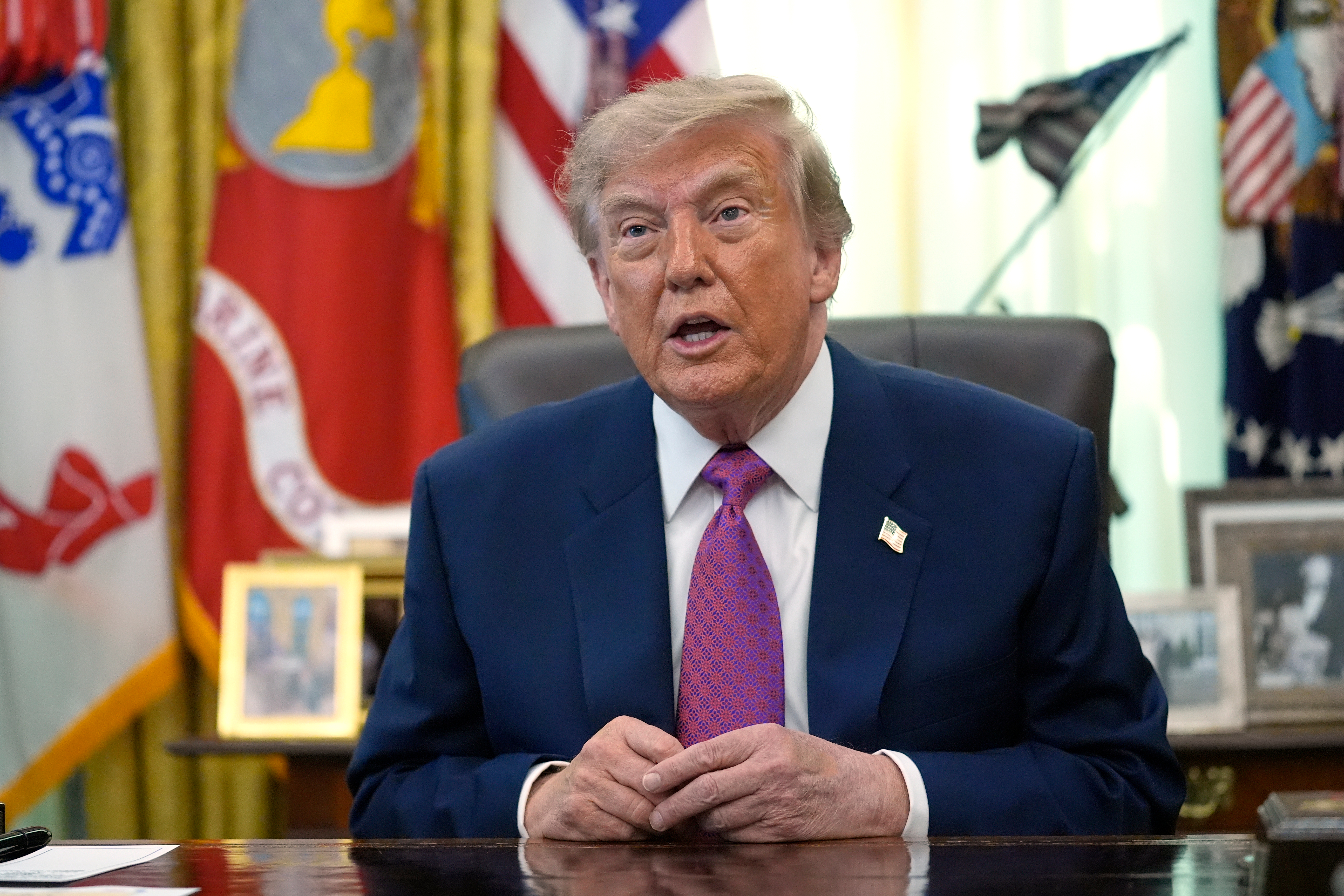
On Tuesday, Trump said American forces were striking Iranian targets near Hormuz and described the action as retaliation for Iran’s attempted mine-laying and missile attacks.
His comments came as Washington continued to frame the operations around protecting shipping and US personnel.
The renewed attacks follow months of military confrontation between the two countries, including periods when diplomatic efforts temporarily reduced direct fighting.
Oil prices climb as tensions return
The military escalation immediately reached energy markets.
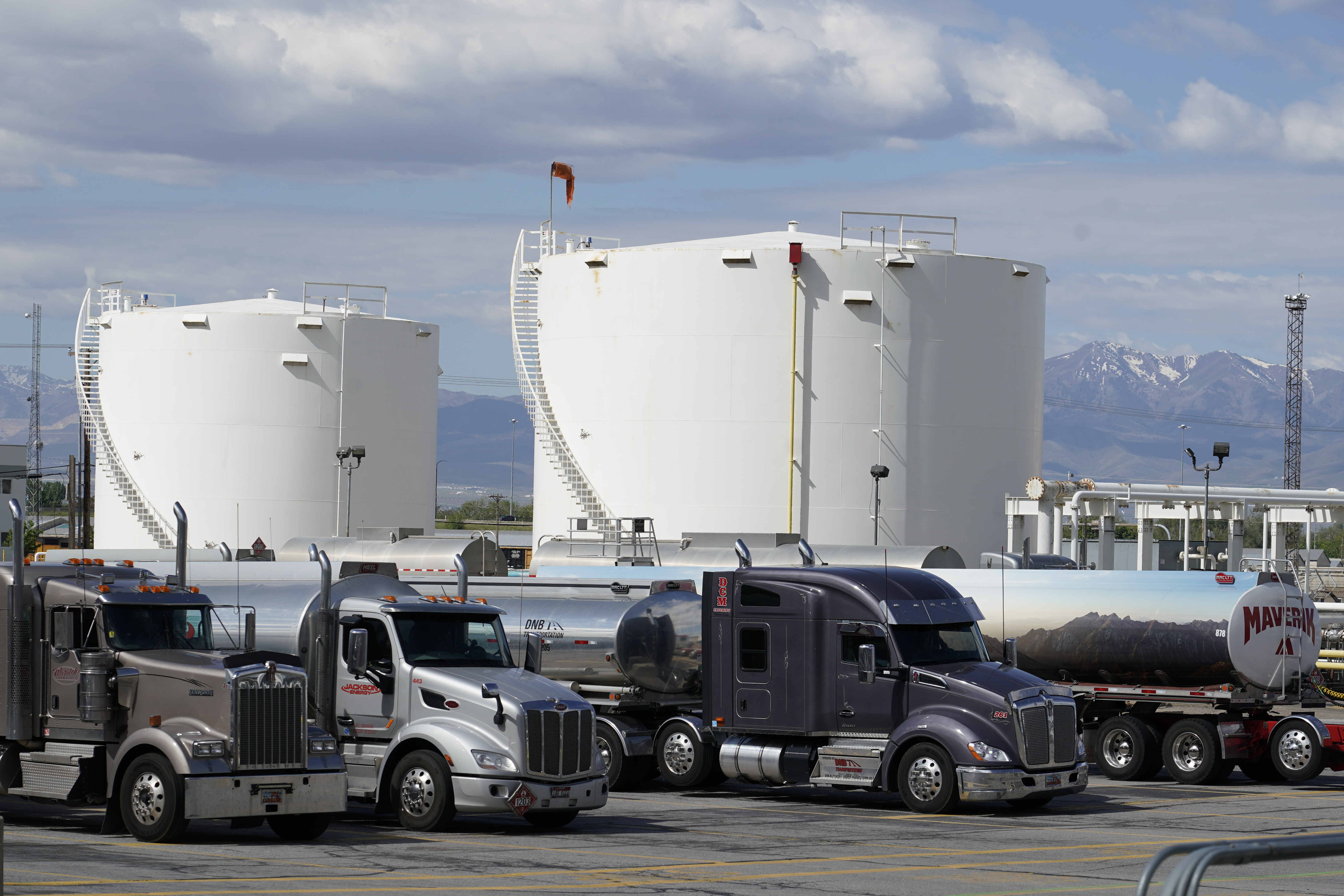
Brent crude rose above $94 a barrel on Tuesday, while US West Texas Intermediate crude also climbed sharply.
The Strait’s importance means prolonged disruption could affect shipping costs, fuel markets and the wider global economy.
For Americans, the immediate concern is whether sustained fighting around the waterway pushes crude prices higher for longer, potentially increasing gasoline and transportation costs.