Trump’s Russia diesel deal: How much could it actually lower US fuel prices?
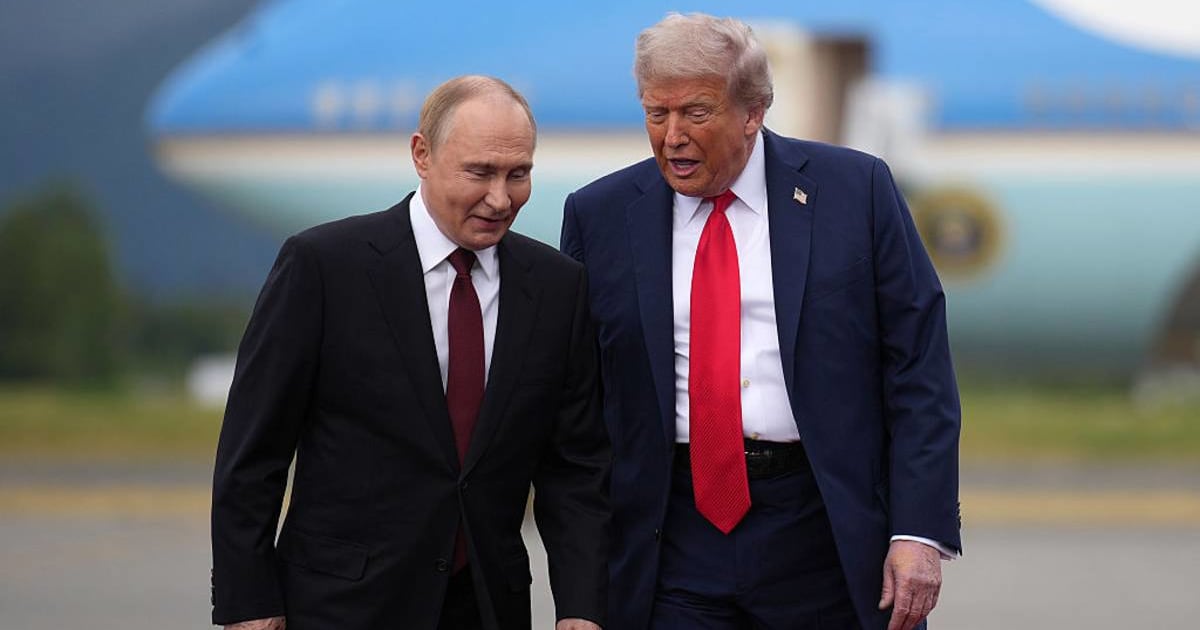
WASHINGTON, DC: President Donald Trump announced an arrangement with Russian President Vladimir Putin on Friday, October 9, to increase diesel supplies to American and global markets, as the US Treasury temporarily authorized transactions involving Russian-origin diesel.
Trump said Russia would initially supply more than 300,000 metric tons of diesel, followed by additional shipments in November and afterward. The announcement came weeks before the midterms, as rising living costs continued to put pressure on the GOP. However, the amount of fuel that will reach American buyers and the extent to which the arrangement could lower prices remain uncertain.
What did Trump and Putin agree to in the Russia diesel deal?
Following a phone conversation with Putin, Trump announced that Russia would immediately supply more than 300,000 metric tons of diesel to the “American and Global Marketplace.” He also outlined a further 500,000 metric tons during November and another 1 million metric tons afterward.
Everyone is being promised cheaper diesel from Russia, but President Trump’s 9th October announcement assigns no specific tonnage to the US. The schedule is over 300,000 tons immediately, another 500,000 in November and 1 million afterward, for American and global markets. The largest tranche, another 3 million tons, explicitly depends on Russia’s refinery condition. Washington has authorized Russian diesel imports through 7 April 2027. Moscow says it is beginning to lift its export restrictions early. Both governments can remove trade barriers while damaged refineries still limit production. Russia does not need every refinery repaired to export some fuel. But permission to sell does not establish how much additional diesel will reach the world market, rather than move between buyers. POTUS Trump gets a supply announcement 25 days before the midterms. Putin gets access to sales previously restricted by US sanctions. The price question is how much extra fuel actually arrives, where and when. The announcement alone cannot answer it.
— Shanaka Anslem Perera ⚡ (@shanaka86) October 9, 2026
Putin confirmed Russia's willingness to supply oil and petroleum products to American and global markets. However, the Kremlin's account did not specify delivery volumes or establish how much fuel would be reserved for the US.
🇷🇺🇺🇸 Putin's envoy PRAISED the diesel deal with Trump and called it a win for the world. Kirill Dmitriev wrote that Trump and Putin had a successful call, and that Russian and American cooperation on diesel and energy is good for everyone. He is selling a wartime fuel shipment as a partnership, while Ukraine is still being asked to leave the refineries alone. You cannot keep blowing up the refineries and then complain that the diesel is not there. Source: Al Jazeera / Writer: Lucas
— Mario Nawfal (@MarioNawfal) October 9, 2026
The initial announced volume of more than 300,000 metric tons equates to approximately 2.25 million barrels. However, Trump's announcement covered both American and international markets, leaving the amount specifically destined for the US unclear.
The US Treasury’s General License 135 provides legal authorization for covered transactions involving Russian-origin diesel. It permits transactions related to the sale, delivery, offloading and importation of the fuel through April 7, 2027. The authorization is temporary and does not amount to a blanket removal of sanctions on Russia or the unfreezing of Russian assets held in American banks.
JUST IN: Treasury Sec. Scott Bessent is issuing an IMMEDIATE license to get Russian diesel onto the global market, carrying out President Trump's deal with Vladimir Putin to plummet prices "Today, at President Trump's direction, the Office of Foreign Assets Control (OFAC) is immediately issuing a temporary general license to allow the supply of Russian diesel to the global market." 🔥Click here to BOOST US🔥 @CosmicCatsHQ @Eli_weber0
— Eli Weber (@Eli_weber0) October 9, 2026
The license also does not guarantee that shipments will take place or identify American buyers, importers or distributors. The arrangement's longer-term future will depend on whether the authorization is extended or replaced after April 7, 2027, and whether additional supplies can be delivered.
How much could Russian diesel supplies add to the US market?
Diesel prices have risen sharply in the US amid disruptions to global fuel supplies, including damage to refining infrastructure and supply pressures linked to the Iran conflict. The Russia-Ukraine conflict has also affected energy markets.
Diesel is particularly important to the American economy because it powers freight trucks, agricultural machinery and other equipment used to transport goods and produce food.
According to the the Energy Information Administration, the US consumes approximately 3.6 million barrels of diesel a day. The initial Russian shipment of approximately 2.25 million barrels would equal roughly 63% of one day's consumption if the entire volume reached the US. However, the announced supply was intended for American and global markets, so the actual US contribution could be smaller.

According to the American Automobile Association, the average US diesel price stood at $6.28 per gallon on Thursday, October 8, compared with $3.68 a gallon a year earlier. Rising fuel costs have put pressure on businesses and households.
Gregory Brew, an oil analyst at Eurasia Group, estimated that the arrangement could make roughly 74,000 additional barrels a day available to the US market in the short term. However, that estimate does not confirm a guaranteed daily delivery. The actual contribution will depend on how much Russian fuel is allocated to American buyers and when it arrives.
Will Trump's Russia diesel deal lower costs for American businesses and consumers?
The potential economic benefit depends on whether additional supplies reduce wholesale diesel prices and whether those savings reach businesses and consumers.
For truckers and freight companies, diesel is a direct operating expense. Lower fuel costs could improve profit margins or reduce pressure to increase shipping charges. However, companies may continue to face higher expenses elsewhere, and any savings will depend on their contracts and operating costs.

Farmers and agricultural businesses could also benefit because diesel powers machinery and helps transport crops, livestock and supplies. Lower fuel expenses could reduce some production and distribution costs, particularly in agricultural states where businesses rely heavily on diesel.
Households would be affected more indirectly. If lower diesel prices reduce the cost of transporting food and other goods, businesses could eventually pass some savings on to consumers. However, that outcome is not automatic. Retail prices also depend on labor, storage, processing, packaging, competition and other costs. A reduction in wholesale fuel prices would not necessarily produce an equivalent drop in grocery bills or delivery charges.

Whether the arrangement provides meaningful relief will therefore depend on the quantity of fuel delivered, the timing of shipments and the market's response. Trump has described lowering fuel prices as a priority, particularly for farmers, ranchers and truckers.
What are energy experts saying about Trump's Russia diesel deal?
Energy analysts have questioned whether the additional Russian supply will be large enough to significantly reduce prices, particularly if the fuel is divided between the US and other international buyers.
Oil market researcher Rory Johnston dismissed the announcement in a post on X, saying, “I cannot overstate how much of a nothing burger this is.” He argued that Russia typically exports substantially more diesel when its refinery network is not under attack.
I CANNOT OVERSTATE HOW MUCH OF A NOTHING BURGER THIS IS https://t.co/XaUOkyZqzy
— Rory Johnston (@Rory_Johnston) October 9, 2026
Jim Mitchell, an analyst at consultancy Wood Mackenzie, described the arrangement as “not a fix, but another stream to aid a very tight diesel market.”
The deal could provide an additional source of diesel at a time of elevated fuel prices. However, the announced volumes alone do not establish how much extra supply will reach American buyers or whether the arrangement will lead to a significant reduction in prices.