Turned away at the polls? What US voters can do during 2026 midterm elections
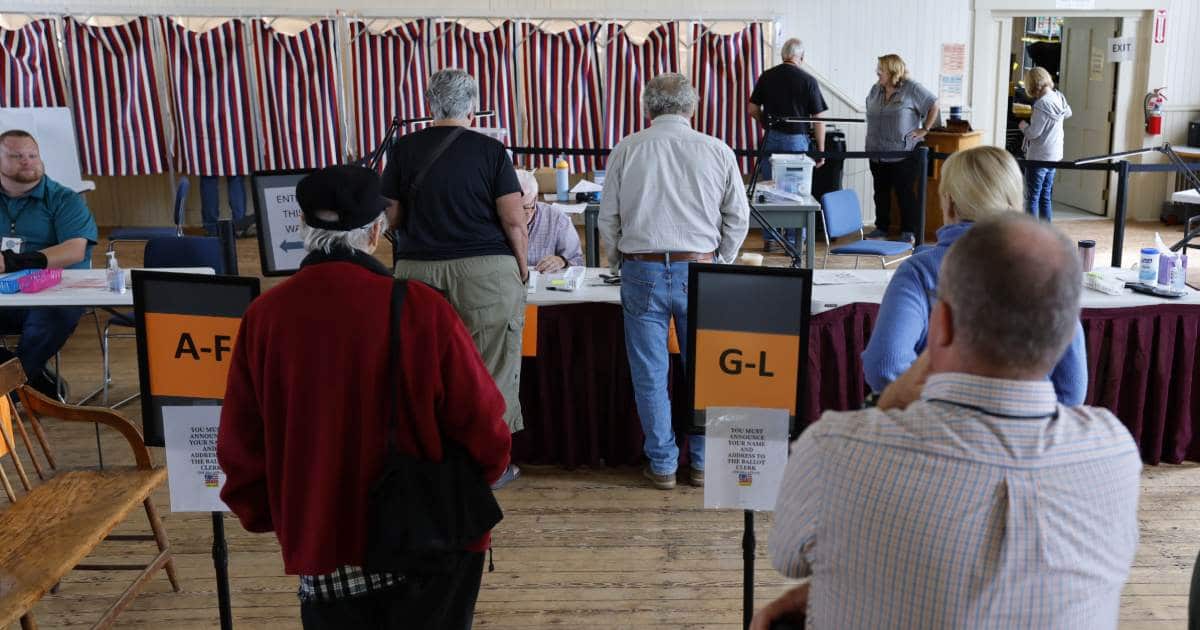
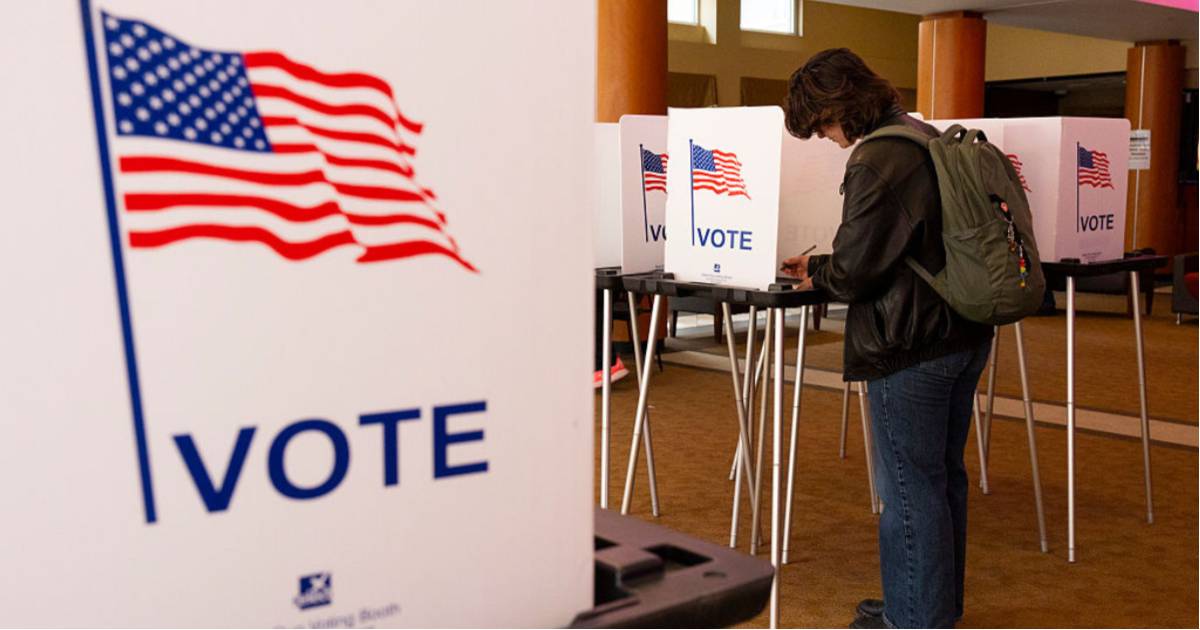
WASHINGTON, DC: As Americans prepare to vote in the November 3, 2026, midterm elections, problems such as missing voter registration records, identification requirements and confusion over polling locations could leave some voters unsure whether they can cast a ballot. Knowing what to do when an issue arises can help eligible voters understand their options rather than leave without seeking assistance.
Election rules vary by state, and the steps available to a voter depend on the circumstances. The US Election Assistance Commission (EAC) says voters generally have the right to request a provisional ballot if their names do not appear on the voter list at their polling place. Official state and local election offices remain the most reliable sources for checking registration, confirming polling locations and understanding the rules that apply.
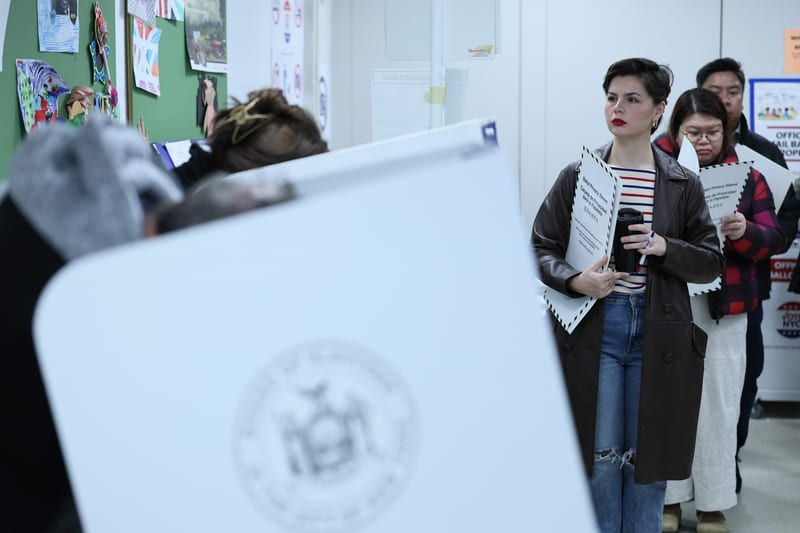
What should you do if your name is missing from the voter registration list?
If poll workers cannot find your name on the voter registration list, do not assume you are automatically ineligible to vote. First, ask an election worker to check your registration details, including your name spelling and address. If you recently moved, changed your name or updated your registration, make sure the information on record matches your current details.
You can also check your registration through USA.gov's voter registration status service. Select your state to access its official election website and verify your registration status and polling location.
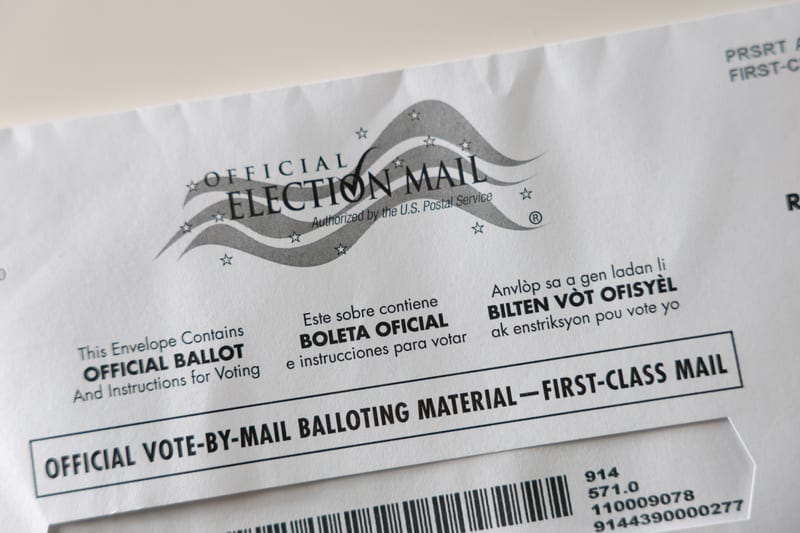
If your name remains missing, explain that you believe you are registered and ask an election official what options are available. Under federal law, eligible voters who declare that they are registered in the jurisdiction and eligible to vote in a federal election, but whose names do not appear on the official list, generally must be offered a provisional ballot. State-specific procedures and eligibility requirements still apply.
The EAC advises voters to consult their state or local election office for the rules that govern their situation. Its voter FAQs provide links to official election information across the country.
Can you cast a provisional ballot if there is a problem?
A provisional ballot is used when election officials need to verify a voter's eligibility before deciding whether the ballot can be counted. It allows the voter to record a vote while the eligibility question is reviewed.
A provisional ballot may be an option if your name is missing from the voter list or election officials question your eligibility. In some states, it may also be used when a voter has an identification problem or when their registration information does not match the records available at the polling place.
However, casting a provisional ballot does not automatically mean it will be counted. Election officials must determine whether the voter was eligible under applicable state law. Some states also require voters to take additional steps, such as providing identification or other information by a deadline.
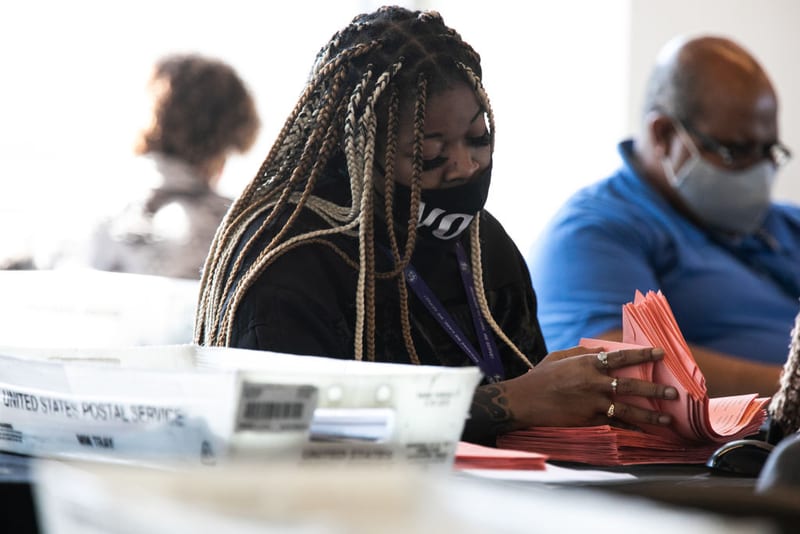
Before leaving the polling place, ask for written instructions explaining how to check the ballot's status and whether any further action is required. Federal law requires states to provide a free system through which provisional voters can learn whether their ballots were counted and, if not, why.
The EAC explains these requirements in its overview of federal election laws. Voters should follow the instructions supplied by local election officials rather than assume that no further action is necessary.
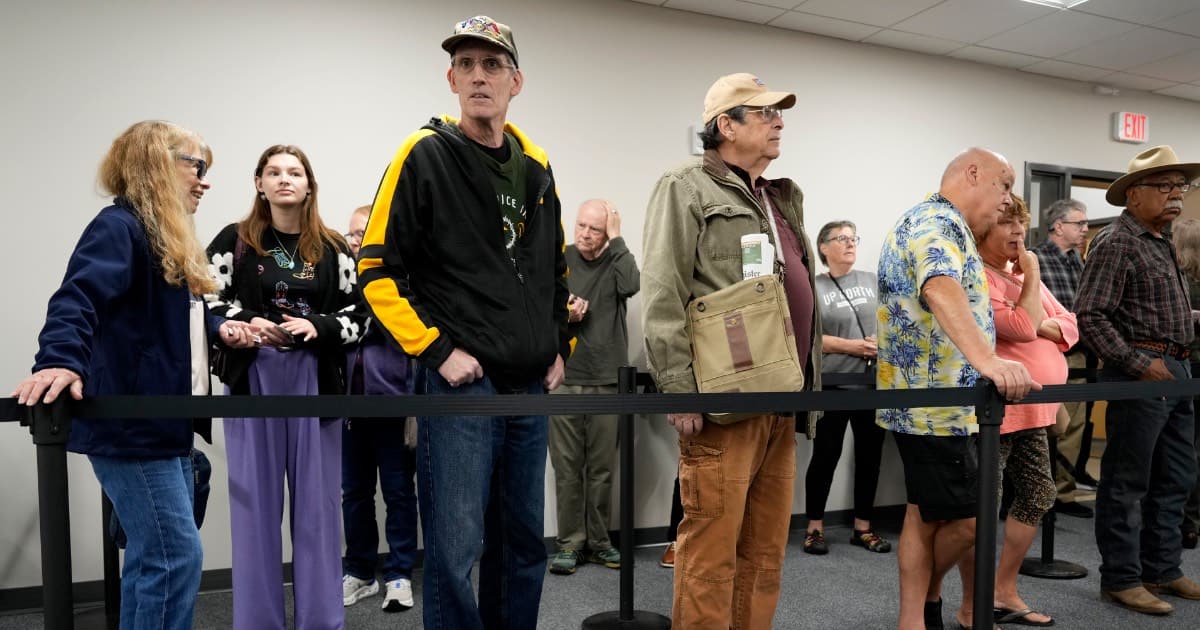
What if you arrive before polls close but are still in line?
Long lines can create uncertainty for voters who reach a polling place close to closing time. The EAC lists the right to vote if you are still in line when the polls close among the general voting rights protected under federal election rules.
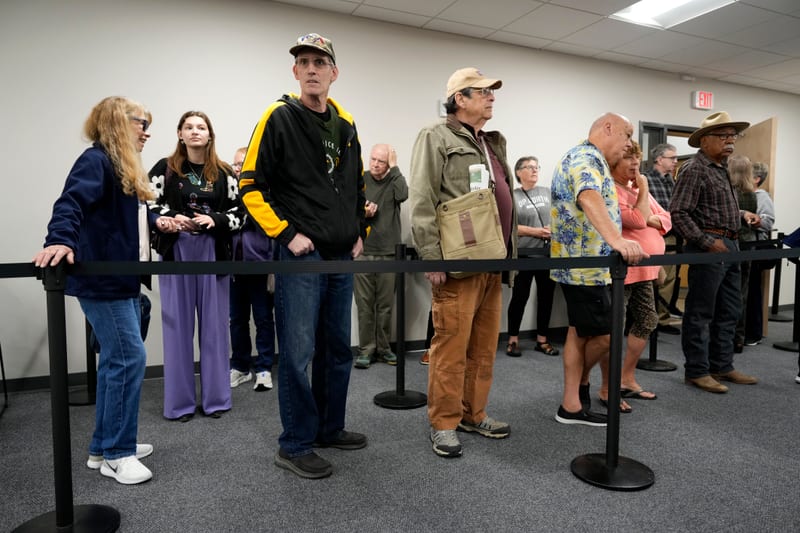
If you arrive before the official closing time but remain in line when voting ends, stay in line and ask a poll worker how the queue is being handled. Do not leave simply because the clock has reached closing time. Follow instructions from election officials, who can explain how voters already waiting will be processed.
The official closing time varies by location, so check the hours for your assigned polling place in advance. If a polling location is experiencing a significant disruption, election officials or a court may issue specific instructions. Any extension or special procedure should be verified through official sources.
You can find your polling location and its hours through USA.gov's polling-place finder. The EAC's guide to voter rights also outlines general protections available to eligible voters.
What if your polling place has changed or you do not have the required ID?
Polling locations can change between elections, even for voters who have lived at the same address for years. If you arrive at a familiar location and find it closed, check your assigned polling place through your state or local election office before travelling elsewhere.
Voters generally must cast their ballots at their assigned location. Going to a different polling place may mean your name is not on its voter list, and a provisional ballot cast there may not count if the voter is not eligible to vote at that location. If you have moved, check whether your registration and address need to be updated and ask election officials where you are eligible to vote.
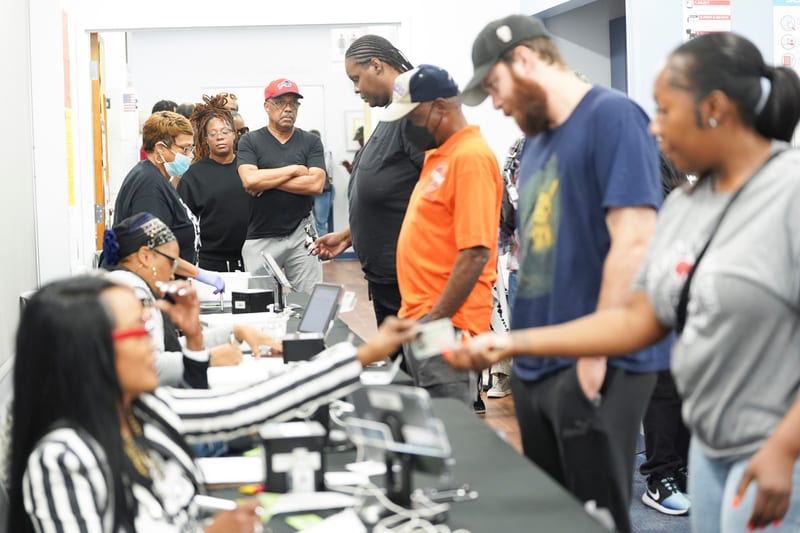
Identification rules also differ by state. Some states require a photo ID, while others accept different documents or provide alternatives for voters who cannot present the required identification. Certain states may allow a provisional ballot or require a voter to complete an additional step before the ballot can be counted.
Check USA.gov's voter ID guide for your state's requirements before Election Day. If you arrive without the expected document, ask a poll worker about the options permitted under state law rather than assuming you cannot vote.
If you make a mistake while marking a ballot, ask a poll worker for instructions before submitting it. The EAC says voters generally have the right to request another ballot to correct a mistake, although the procedure depends on the voting system and state rules.
How can you report a voting problem or check whether your ballot counted?
If you believe you have been wrongly denied the opportunity to vote, experienced discrimination or encountered intimidation, document what happened and contact the appropriate election authority. Record the polling location, time and nature of the issue, but do not photograph or share ballot information in ways prohibited by local rules.
For registration questions, polling-place problems or ballot procedures, start with your state or local election office.
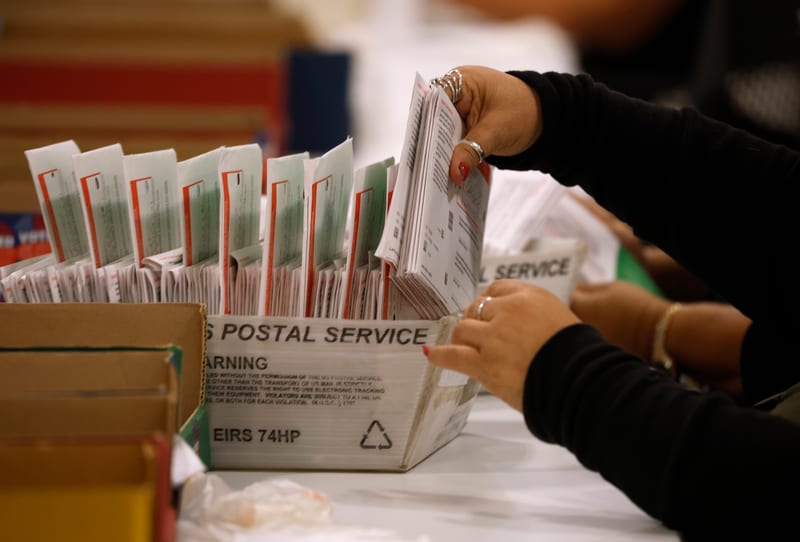
Voters who believe they experienced a violation of their civil rights can also use the US Department of Justice's voting resources. The department advises that emergencies involving violence, threats or intimidation at a polling place should first be reported to local law enforcement by calling 911.
If you cast a provisional ballot, use the tracking information provided by election officials to determine whether it was counted and whether any additional steps are necessary. Do not assume that a provisional ballot has been accepted simply because it was submitted.
Where should voters get reliable information before the 2026 midterms?
With the November 3 midterms approaching, voters can reduce the risk of Election Day confusion by checking three details in advance: whether their registration is current, where they are assigned to vote and what identification or documents they may need.
The US Election Assistance Commission and USA.gov's Election Day guide provide practical information, but state and local election offices are the best sources for rules specific to a voter's location. Registration deadlines, ID requirements, provisional ballot procedures and polling hours can differ substantially across the country.
If a problem occurs at the polls, ask an election official to explain the options available under state law before leaving. Knowing your rights and following official instructions can help you make an informed decision when voting problems arise during the 2026 midterm elections.