
Midterms 2026: What could change for American families after elections

WASHINGTON, DC: American families could have a lot at stake when voters head to the polls for the 2026 midterm elections. From healthcare and childcare costs to taxes, food assistance and public school policies, the results could influence decisions that affect household budgets and everyday life.
The November 3 election will determine the balance of power in Congress, making it an important moment for voters concerned about affordability and access to essential services. However, the results will not automatically change every family's expenses or benefits. Much will depend on the priorities of the lawmakers elected and the policies they pursue afterward.
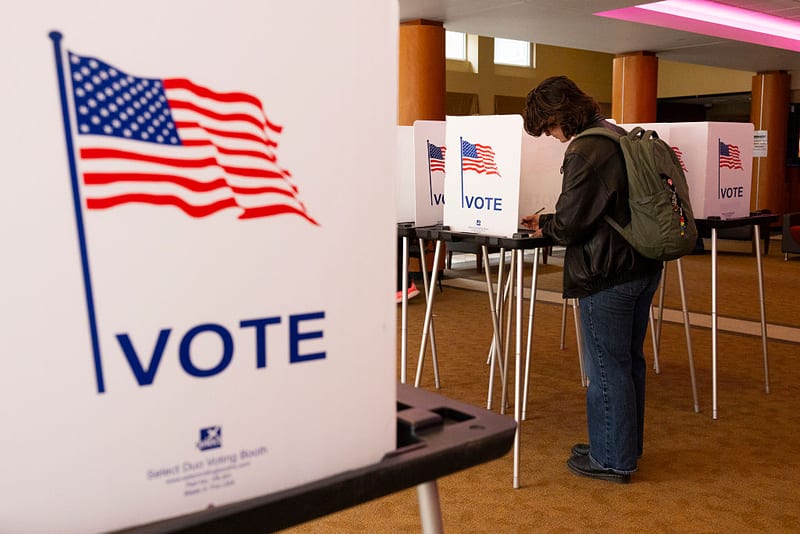
How 2026 US midterms could affect healthcare costs for American families?
Healthcare is one of the key issues families will be watching as the midterm results take shape. The cost of health insurance and access to medical care can have a direct impact on household budgets, particularly for families already trying to manage several expenses at once.
The election could influence how Congress approaches healthcare policy, including the rules and financial support that affect insurance affordability. The balance of power could determine which proposals receive attention, which policies face challenges and whether lawmakers push for changes that affect the cost of coverage.
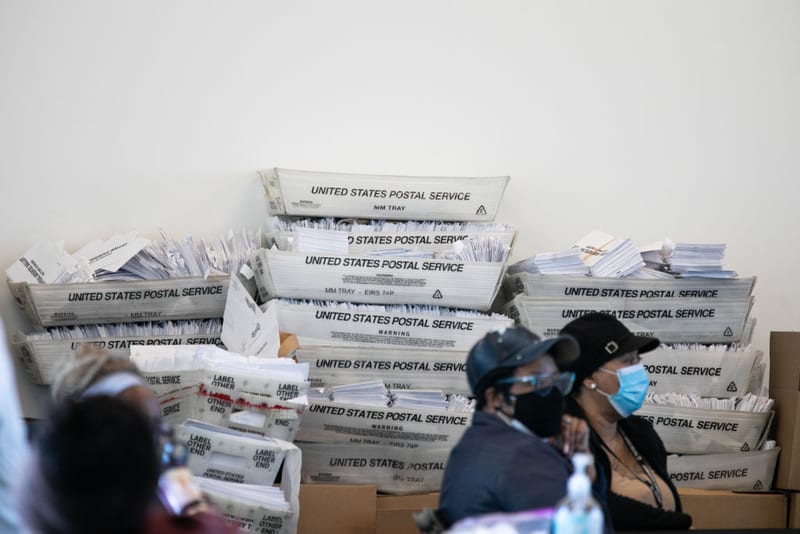
For families, the concern is how much they will have to spend to stay covered, and what options will be available to them. A change in congressional priorities could influence the direction of future healthcare legislation, although any major changes would depend on the policies lawmakers choose to pursue.
Childcare, taxes and housing costs could become major concerns after the election
For many households, managing everyday expenses is a constant challenge. Childcare, housing, groceries and taxes can take up a substantial share of a family's income, leaving less room for savings or unexpected costs.
The 2026 midterms could influence how lawmakers approach these issues. Depending on the election results, Congress could place different priorities on tax policies, financial assistance and proposals intended to make essential expenses more manageable.

Childcare is particularly important for parents who need to balance work with the cost of caring for their children. Changes to policies or support programs could affect the options available to some households, depending on what lawmakers propose and whether those measures become law.
Housing is another issue families may want to follow. The election could shape discussions around policies intended to address housing affordability, although the outcome alone will not determine what happens to rent or housing costs in individual communities.
Taxes could also become part of the debate over household finances. The party controlling Congress may influence which tax proposals receive attention, but the effects on families would depend on the details of any legislation and how it is implemented.
Food assistance and public school policies could affect children's futures
The election could also influence decisions involving food assistance and public education, two areas that matter to families with children.
Food assistance programs can provide important support to households struggling to cover basic needs. The direction of future policy discussions could affect how lawmakers approach eligibility, funding and access to these programs. Any changes, however, would depend on specific legislative decisions rather than the election results alone.
Education is another area where congressional priorities matter. Public school policies can affect the environment in which children learn, while decisions about funding and education-related programs can influence the support available to students and families.

Parents may therefore want to pay attention to what candidates and political parties propose on education, rather than focusing only on the headline issues dominating the campaign.
For families, these questions have a personal dimension. Access to school resources, the cost of meeting children's needs and the availability of assistance can all influence how households plan for the future.
The election could shape which education and assistance proposals receive greater attention in Washington. Still, the effects would vary depending on the measures lawmakers pursue and the programs involved.
Democrats versus Republicans: What different midterm results could mean for families?
One of the biggest questions surrounding the 2026 midterms is how the balance of power in Congress could change the policy agenda.
If Democrats gain control of one or both chambers, their priorities could receive greater attention in congressional debates. If Republicans retain their majorities, their policy agenda could have a stronger path forward. Either outcome could influence which proposals advance, which face resistance and how lawmakers negotiate over spending and domestic policy.
For families, the difference matters because Congress plays an important role in shaping legislation involving taxes, healthcare, public assistance and other household concerns. The party controlling a chamber can influence its leadership, committee priorities and the measures it chooses to consider.
However, control of Congress does not mean a party can automatically deliver every campaign promise. Major policy changes can require legislation, negotiations and agreement on the details. Some proposals may advance, while others could stall or change during the process.
Families should also avoid assuming that a particular election result will immediately lower their bills or change the benefits they receive. The practical effects will depend on the policies enacted, when they take effect and which households qualify.
The weeks and months after the election will therefore be important for understanding what the results mean in practice. Watching the legislative agenda and the decisions lawmakers make will provide a clearer picture than campaign promises alone.
What American families should watch after November 3 midterms?
For voters, the most useful way to follow the election is to connect the political outcome to the issues that matter most in their own lives.
Families concerned about medical bills can watch for developments in healthcare policy and insurance support. Parents paying for childcare may want to follow proposals involving family expenses and assistance. Households focused on taxes, housing, or grocery costs can look at the economic policies lawmakers prioritize after the election.
Families that rely on food assistance or care about public school resources should also pay attention to decisions affecting those programs. The impact will not be the same for everyone, and a proposal that matters to one household may have little direct effect on another.
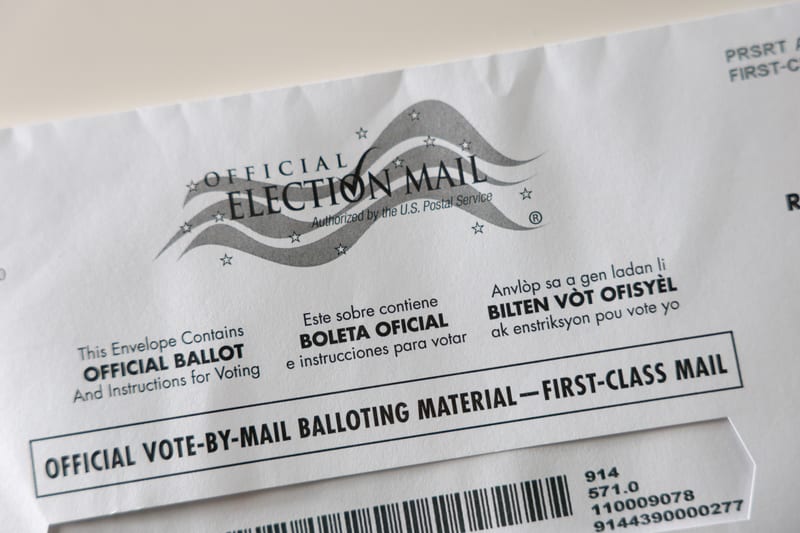
The midterms are an opportunity for voters to influence the makeup of Congress, but the election is only the beginning of the policy process. What happens next will depend on the decisions elected officials make and whether their proposals become law.
Ultimately, the 2026 US midterms are about more than party victories and congressional seats. They could help shape the political decisions that influence how American families manage their budgets, access essential services and plan for the future. For voters, understanding those possible effects may be just as important as knowing which party comes out ahead.