Made a mistake on your ballot? What to know about correcting voting errors in 2026 midterms
WASHINGTON, DC: With the 2026 midterm elections scheduled for November 3, voters may wonder what happens if they accidentally select the wrong candidate, mark too many choices or discover an error after returning a mail-in ballot.
While some mistakes can be corrected before a ballot is cast, others may affect whether a vote in a particular contest is counted.
Federal law establishes safeguards that allow voters to review and correct certain errors before casting a ballot, but procedures for replacement ballots and mail-in ballot corrections vary by state.
Understanding the difference between an incorrect selection, an overvote, and a problem with a ballot's return envelope can help voters know what to do if something goes wrong.
Can you get a new ballot if you vote for the wrong candidate?
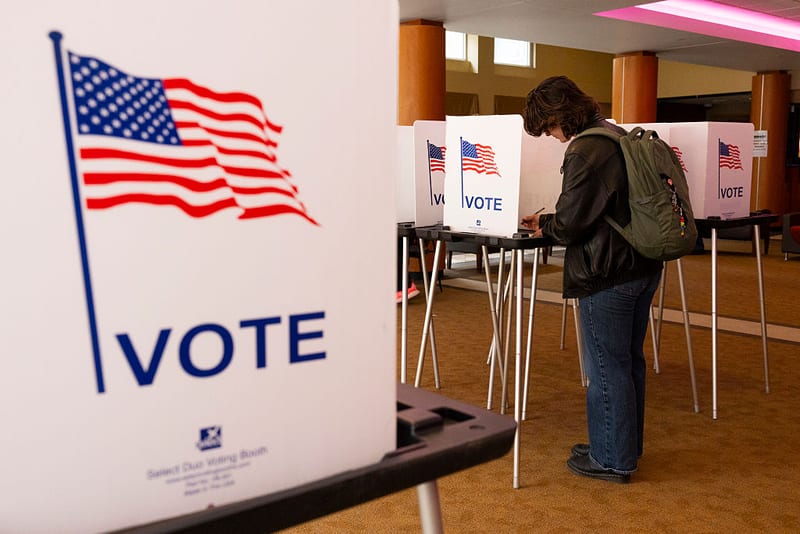
Yes, in many circumstances. If you notice that you selected the wrong candidate before submitting your ballot, you can ask a poll worker for help correcting the mistake.
The US Election Assistance Commission (EAC) says voters generally have the right to request another ballot if they make a mistake. Under the federal Help America Vote Act, voting systems used in federal elections must allow voters to review their selections and correct errors before casting their ballots, including through a replacement ballot when necessary.
The procedure depends on how you are voting. Someone using an electronic voting machine may be able to return to the selection screen and change an answer before submitting the ballot. A voter using a paper ballot may need to return the incorrectly marked ballot and receive a replacement.
Election officials may refer to an incorrectly marked or damaged ballot that is replaced before being cast as a spoiled ballot. The original is handled according to the jurisdiction's procedures.
Voters should not assume that crossing out a name or making extra marks will correct the error. Following the voting system's instructions helps prevent an accidental selection from creating another problem.
What happens if you vote for two candidates in the same race?
Selecting more candidates than permitted in a contest is known as an overvote. For example, if a congressional race instructs voters to select one candidate but the voter marks two, the ballot contains an overvote for that contest.
Under federal voting-system requirements, voters must be notified when they select more candidates than allowed for a single office and allowed to correct the error before casting the ballot. Jurisdictions using certain paper-ballot or central-count systems can meet the requirements through voter education and instructions explaining how to correct an overvote, including when a replacement ballot is needed.
If the mistake is not corrected, the selections for that particular race may not count. That does not automatically mean every other selection on the ballot is invalid. A voter could still have valid votes recorded in other contests, depending on the ballot and applicable rules.
The important distinction is that an overvote concerns the number of selections in a particular race, not necessarily the entire ballot. Voters should pay attention to any warning displayed by a voting machine or scanner before proceeding.
Will your vote count if you leave a race blank?
Leaving a race blank is generally treated as an undervote, not an automatic rejection of the entire ballot.
For example, a voter might select a candidate for the US House of Representatives but leave a Senate race unanswered. In that situation, the voter has not recorded a choice for the Senate contest, but the selections made in other races can still be counted if they meet the applicable requirements.
Voters are not generally required to select a candidate in every contest. They may choose not to vote in a particular race, even when other federal, state or local contests appear on the same ballot.
Some voting machines and scanners may display a warning when a voter leaves a contest blank. Such a warning can give voters a chance to review their selections, but it does not necessarily mean the ballot is invalid.
If the blank space was intentional, the voter may be able to proceed. If it was accidental, the voter can use the available review options before casting the ballot.
What should you do if you make a mistake on a mail-in ballot?
Mail-in voters should distinguish between a ballot they have completed but not yet returned and one that has already entered the election process.
If you accidentally select the wrong candidate while completing a mail-in ballot, check the instructions supplied with it before attempting to correct the mark. The rules for replacing a ballot differ across states, so voters should not assume that crossing out a selection or writing an explanation will make the ballot valid.
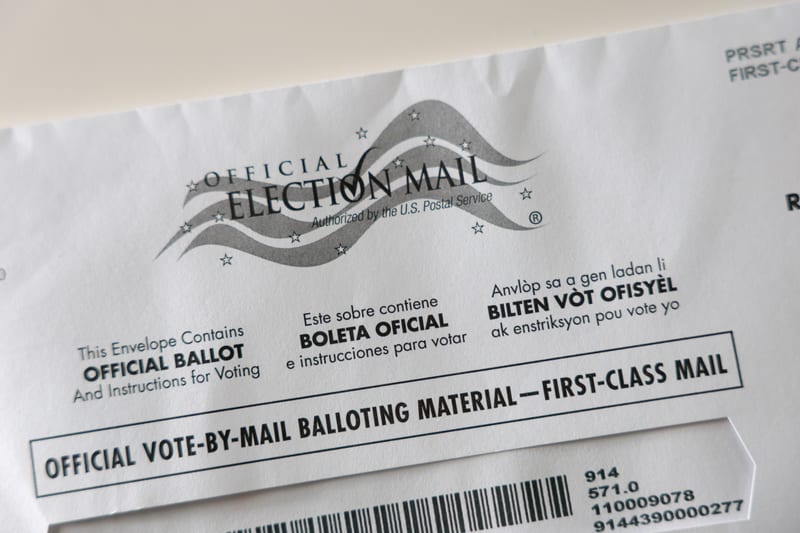
A replacement may be available if the original ballot has not been returned, but the process and deadline depend on the state. Some election offices provide instructions for requesting another ballot or returning a spoiled one.
The EAC's voting-by-mail information directs voters to official election resources for their jurisdiction. These resources can explain how to request a replacement and what to do with the original ballot.
Voters should also check the return instructions carefully. A ballot may have separate requirements for marking the ballot itself and completing its return envelope, and mistakes involving those two parts can have different consequences.
Can you fix a mail-in ballot after putting it in the mail?
Once a mail-in ballot has been returned, changing a candidate selection on that ballot is generally not an option. However, the next step depends on the state and whether election officials have already processed the ballot.
A voter who realizes they made a selection error after mailing the ballot should not assume that sending another ballot will replace the first one. Instead, they should ask their election office whether state law permits any remedy in their circumstances.
Election officials maintain records of ballots issued and returned, with safeguards intended to prevent multiple ballots from being counted for the same voter. If a voter is allowed to submit a provisional ballot or use another procedure, election officials determine which ballot can be counted under the applicable rules.
This is different from a ballot that has been flagged because of a missing signature or other administrative issue. In some states, voters can correct those problems after submission, but that does not necessarily allow them to change their candidate selections.
Can your ballot be rejected because of a missing or mismatched signature?
Yes, a problem with a mail ballot's return envelope can prevent it from being counted if the issue is not resolved under the state's rules.
Election officials may check the signature or other identifying information required on the return envelope. If information is missing, incomplete or does not meet the applicable verification requirements, the ballot may be flagged for further review.
Some states offer a process called ballot curing, which allows eligible voters to resolve certain problems. Depending on local law, that may involve confirming a signature, providing missing information or completing another required step.
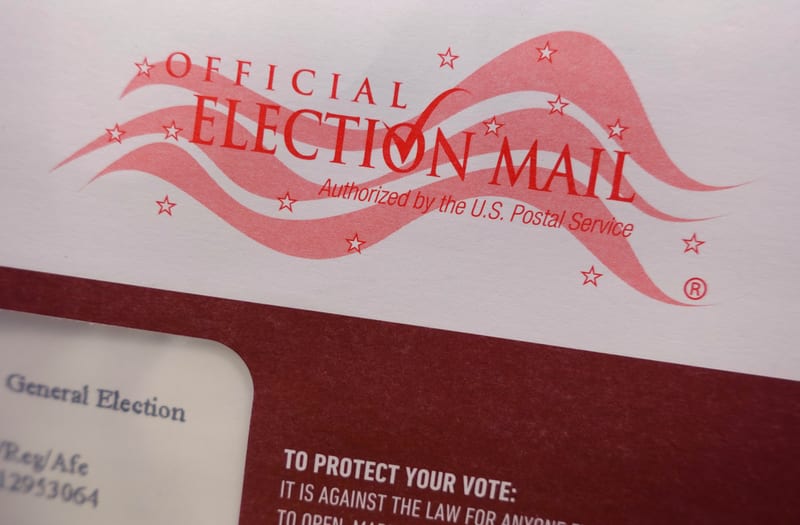
The availability of ballot curing, the types of errors that can be corrected, and the deadline for doing so vary by state. Voters should not assume every rejected or flagged ballot can be fixed.
The EAC explains that election officials may notify voters when required information is incomplete or a signature does not match, and some jurisdictions provide an opportunity to correct the problem.
For voters using mail ballots in the 2026 midterms, checking the ballot's status can help identify an administrative problem while there may still be time to address it. The relevant election office can explain what the status means and whether any action is required.
Can you change your vote after submitting a ballot in person?
Voters should not expect to change their selections after a ballot has been accepted and cast.
Before submission, federal requirements provide opportunities to review and correct certain errors. Once a ballot has been cast, however, it becomes part of the election process, and voters generally cannot retrieve it to change a candidate selection.
If you discover a mistake after submitting a ballot, you can ask your local election office whether any remedy exists under state law. Do not assume you can simply vote again to replace the ballot you already cast.
This also matters for voters who receive a mail-in ballot and later decide to vote in person. The rules for exchanging an unreturned ballot, surrendering it at a polling place or casting a provisional ballot vary by state. Election officials use ballot records and other safeguards to prevent more than one ballot from being counted for the same voter.
Where can you check your state's ballot mistake rules for the 2026 midterms?
There is no single procedure covering every possible ballot error nationwide. Although federal law establishes important voter protections, states and local election offices administer many of the practical details, including replacement ballots, mail ballot deadlines and procedures for resolving signature problems.
Voters can use the US Election Assistance Commission's voter resources to find official election information for their state or territory. The USA.gov election office directory also provides contact information for state and local election offices.
Before voting on November 3, voters can review their ballot instructions, learn how their voting system handles errors and check the requirements for returning a mail ballot.
Knowing these distinctions can help voters understand their options without assuming that every mistake automatically invalidates their entire ballot.