Explained: What happened to Trump's federal mail-ballot plan and what rules apply now?
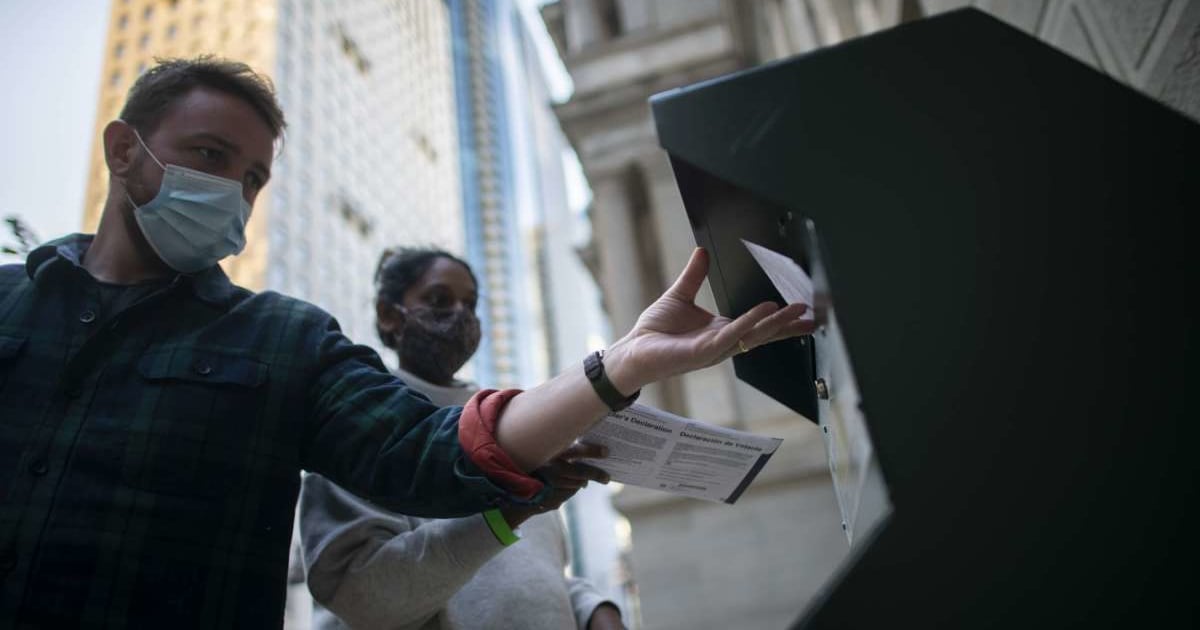
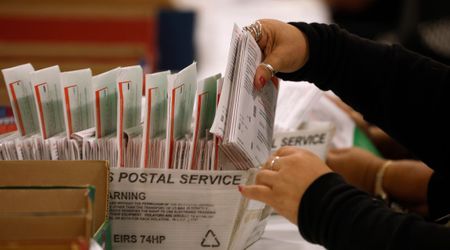
WASHINGTON, DC: Mail voting has become the subject of a federal court battle ahead of the 2026 midterms, leaving voters with a straightforward question: Did the rules for sending and returning a ballot actually change?
The Trump administration sought to put new federal requirements around election mail, including changes involving the Postal Service and voter information.
Courts subsequently blocked the changes from taking effect for the November 3, 2026, election, and on September 14, the Supreme Court declined to lift the block on the USPS rule.
That does not mean every state follows the same mail-ballot procedure.
To cut through the confusion, MEAWW sought answers directly from Washington Secretary of State Steve Hobbs’ office on current rules.
This exclusive interview resulted in answers to the key questions voters may have about mail ballots, deadlines and what the court ruling means for them.

What Trump's plan could have changed
The administration's effort involved bringing the Postal Service into a process that would have put new federal conditions on election-related mail.
One part of the March executive order sought to have states provide voter information to the federal government for use in determining which election ballots could be handled through USPS.
The later USPS rule went further into the mechanics of mailing ballots.
It would have required states to provide information to the Postal Service and comply with specific envelope and barcode requirements.
The proposed system would have given USPS a role in determining whether ballot mail met the new federal standards.
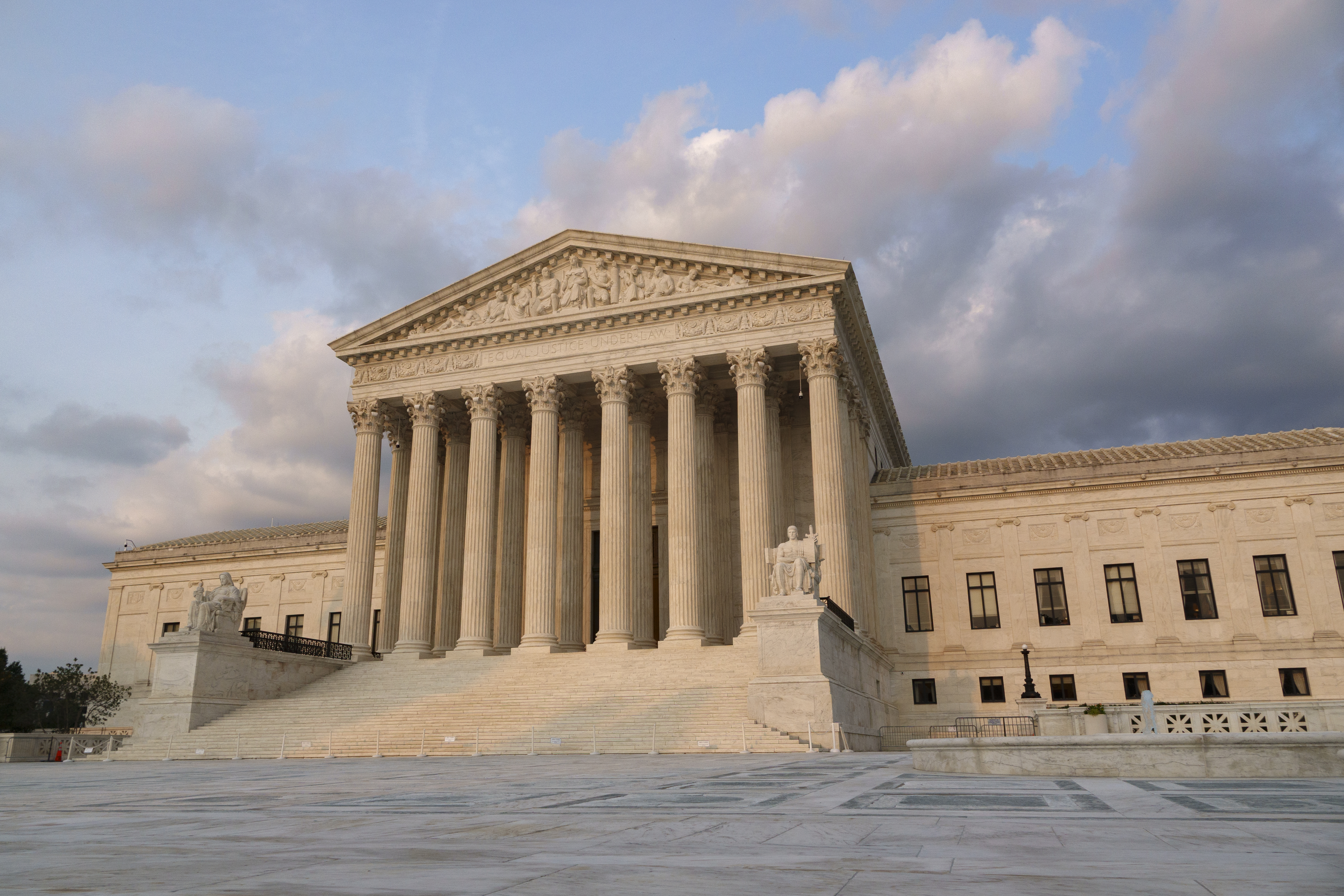
That raised a separate question for voters: Would a ballot that did not satisfy the new federal requirements be rejected by the Postal Service?
Under the rule that courts blocked, that possibility was part of the dispute.
The administration sought to implement standards under which USPS could refuse to handle certain ballots that did not meet the new requirements.
The plan also became entangled with questions about citizenship and voter eligibility.
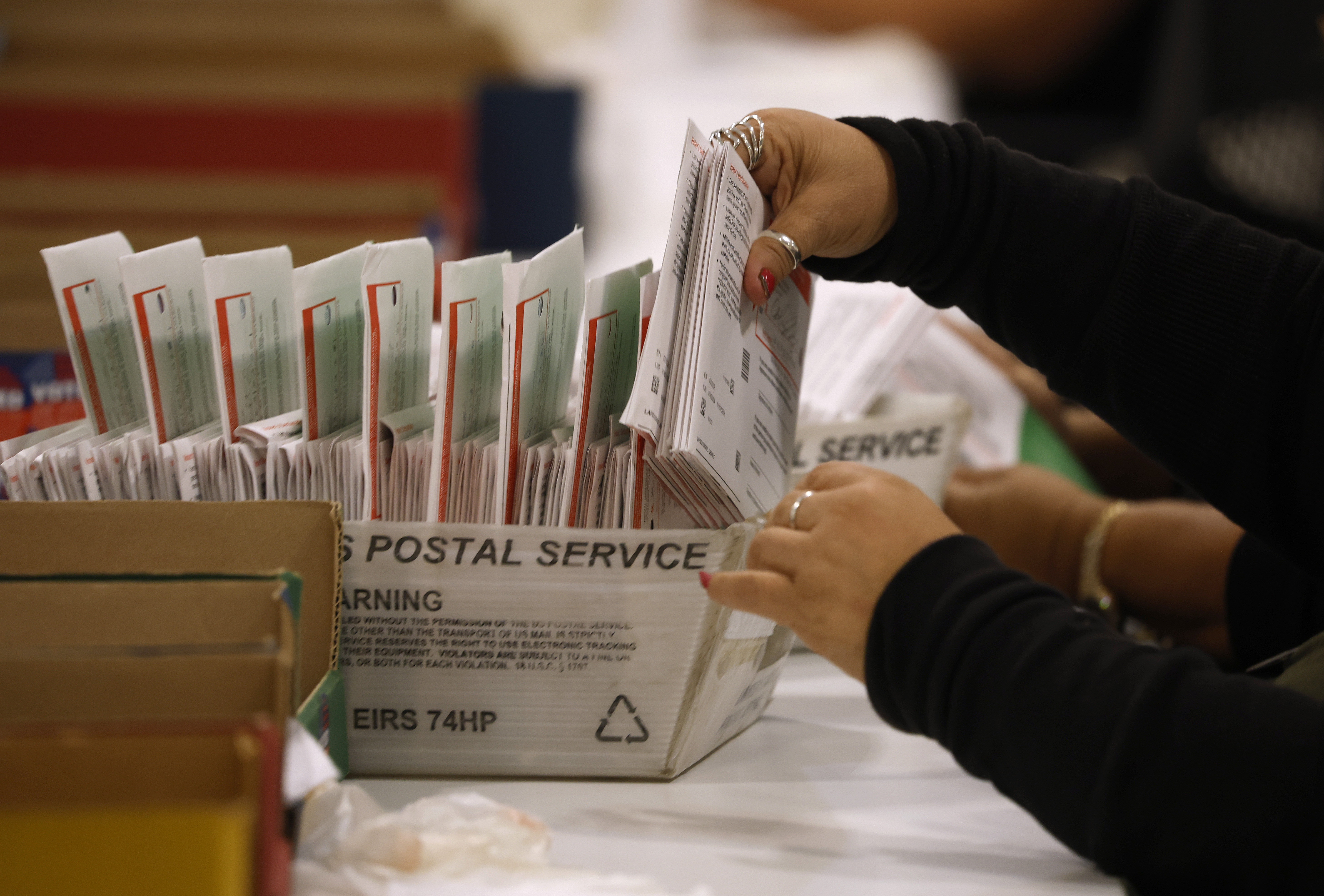
The court battle moved through several rulings before reaching its latest stage.
A June order stopped enforcement of the administration’s executive order, while another judge later blocked the USPS rule.
After an earlier Supreme Court decision addressed a separate injunction, the justices on September 14 left the latest block intact.
That means the new USPS requirements cannot govern ballots for the November 3 election.
What voters need to do now
The most important point is that there is no new nationwide mail-ballot procedure that voters should follow simply because of the court battle.
State election laws continue to determine many of the practical details: who receives a ballot, how it is returned, which deadlines apply and how a ballot is counted.
That is particularly clear in Washington.
Washington Secretary of State Steve Hobbs’ office told MEAWW exclusively that Washington is an all-mail state and registered voters receive ballots by mail.
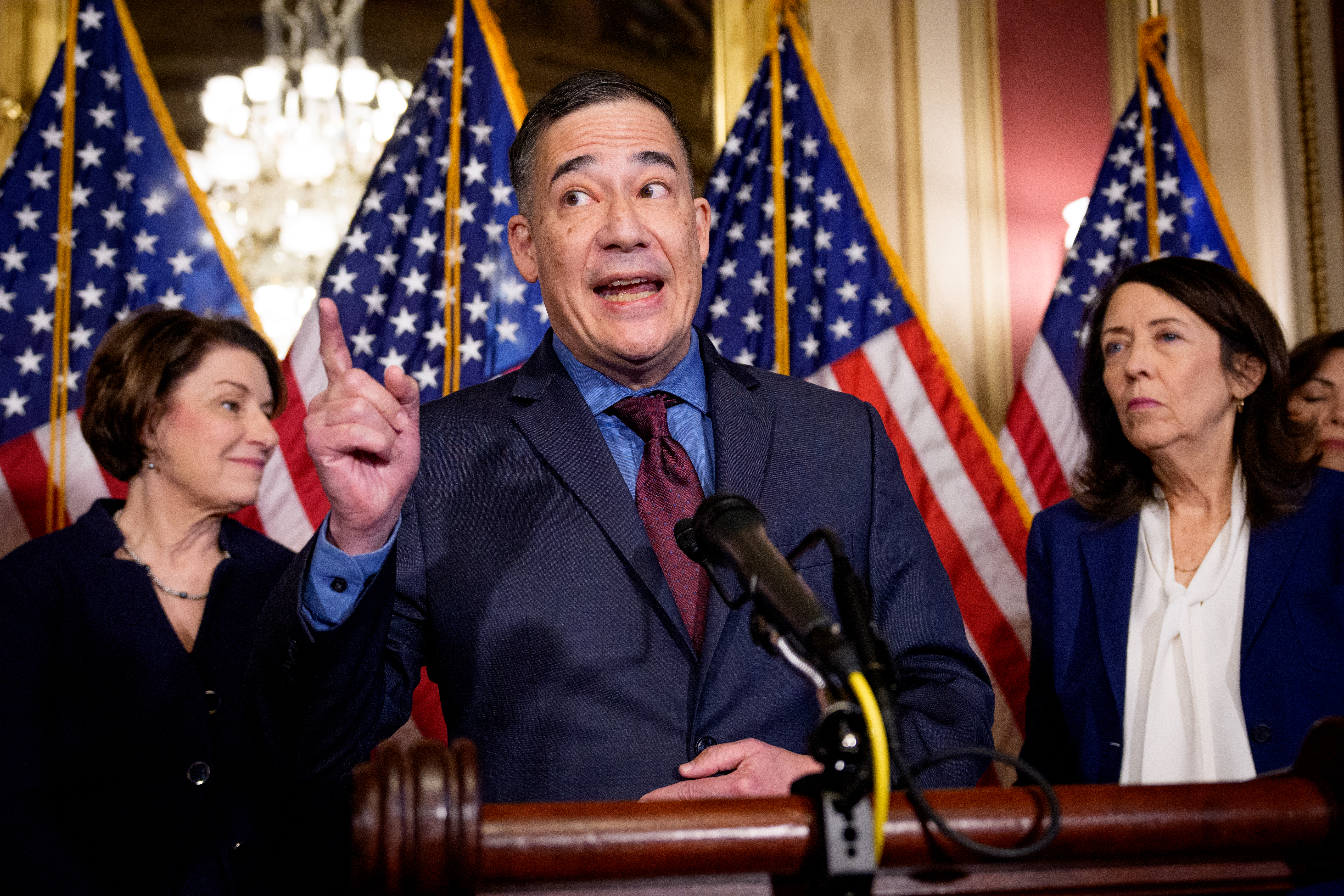
Asked whether voters need to do anything differently because of the federal proposals and litigation, the office's answer was no.
The state's existing election process remains in place.
Hobbs' office said voters attest to their eligibility and citizenship when they register.
They do not have to provide that proof again when requesting or returning a mail ballot under the current state process.
That answer is Washington-specific. Voters elsewhere should follow their own state's election instructions rather than assuming Washington's procedure applies to them.
Can USPS simply reject your ballot
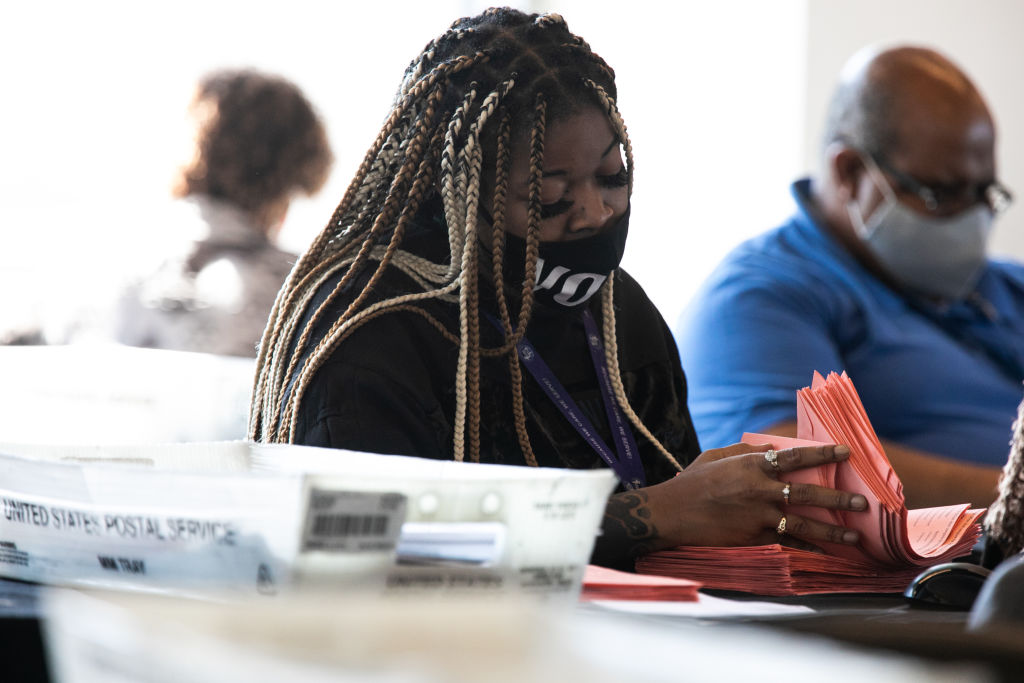
The new federal rule that would have created additional USPS requirements for ballot mail is blocked for the November election.
That means voters should not treat those proposed federal standards as a new set of requirements they must satisfy before mailing a ballot.
But this does not mean every ballot automatically counts once it enters the postal system.
A ballot still has to comply with the rules of the jurisdiction where the voter is registered.
Those rules can include deadlines, signature requirements, ballot-envelope requirements and rules governing when a ballot must arrive.
That is why knowing your state's rules remains more important than trying to interpret the federal court battle on your own.
Postmarked or received? It matters
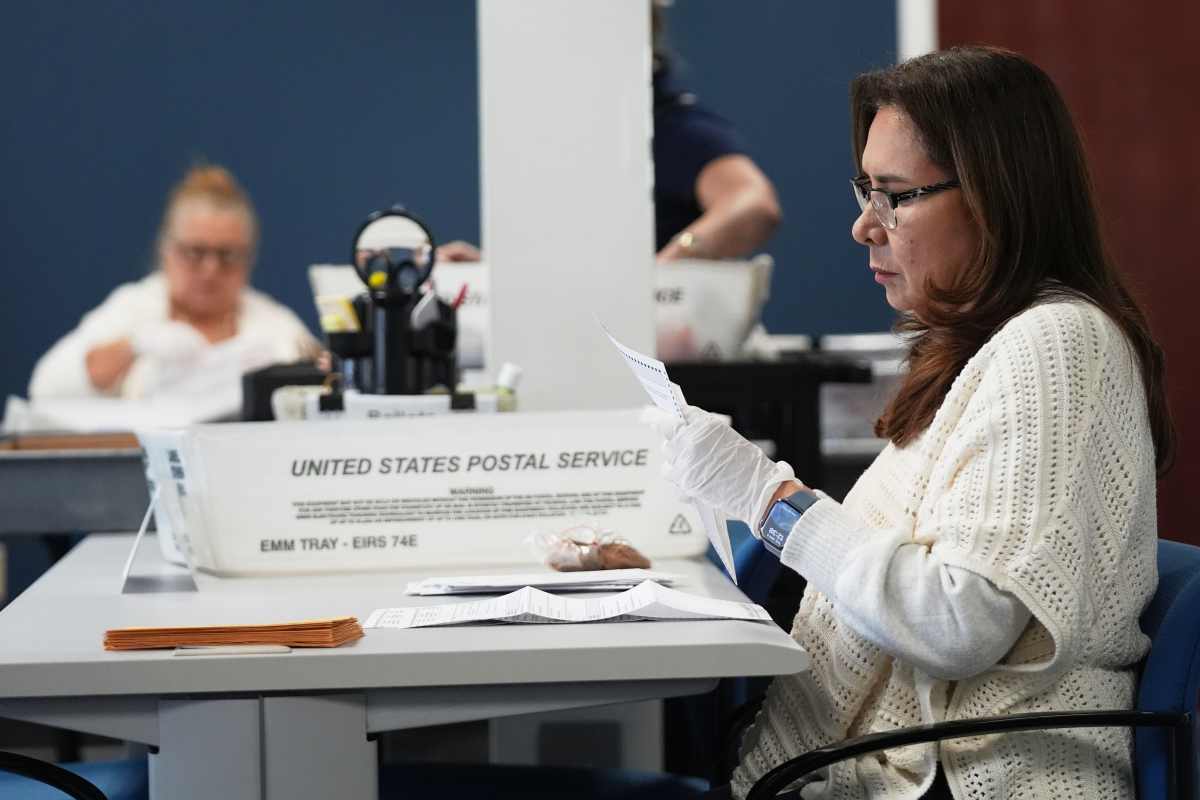
One of the easiest ways to misunderstand mail voting is to treat a postmark deadline and a receipt deadline as the same thing. They are not.
A postmark is evidence that the Postal Service took custody of the ballot mail on a particular date.
A receipt deadline concerns when election officials must have the ballot in their possession. Which one controls depends on state law.
For example, Washington permits certain mailed ballots received after Election Day to be counted when they were postmarked by Election Day.
The state's rules therefore make the distinction especially important.
That does not mean voters should wait until Election Day to put a ballot in the mail.
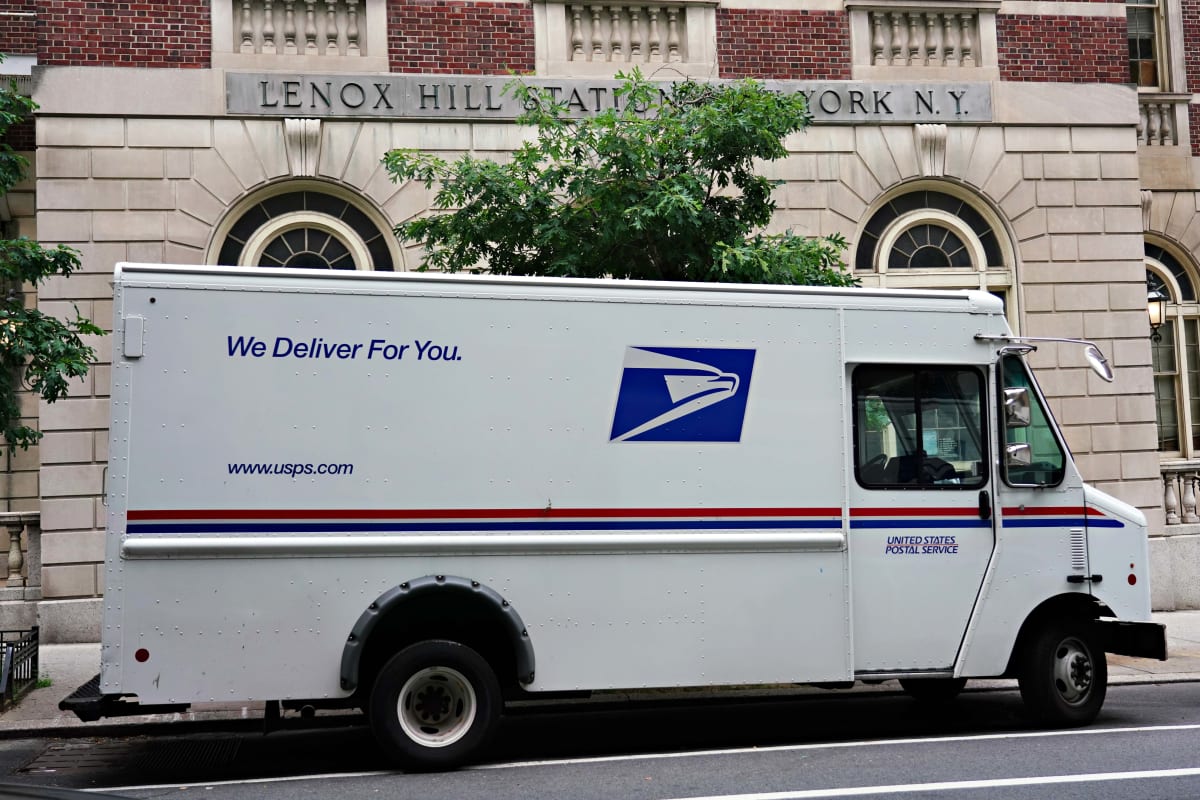
USPS currently recommends that domestic, nonmilitary voters returning ballots by mail send them before Election Day and at least one week before the deadline by which the election office must receive them.
The recommendation is designed to leave time for the ballot to travel through the postal system.
In other words, the seven-day advice does not create a new election deadline. It is a cushion.

What if your ballot does not arrive
A missing ballot is a problem to address early, not something to discover on Election Day.
First, check that your voter registration information is current.
Then contact the election office responsible for your registration and ask what replacement options are available.
Washington has a specific process for this.
Hobbs' office told MEAWW exclusively that a Washington voter whose ballot does not arrive can contact their county elections office or use VoteWA.gov to print a replacement ballot.
Voters can also check their registration status.
For voters who already have their ballot, Washington election officials encourage the use of official ballot drop boxes. They can also get ballots postmarked in person at their local post office.
The state says a ballot placed in an official drop box by 8 pm on Election Day is considered on time.
The exact alternatives available to voters elsewhere will depend on their state and local election authority.
The federal fight over mail ballots does not mean voters should assume that a completely new national voting procedure is now in place.
The USPS restrictions sought by the administration were blocked from taking effect for the November 3 election, while existing state election systems continue to govern the practical steps voters must follow.
For voters, the safest approach is simple: check the rules for the state where you are registered, know whether your deadline is based on a postmark or ballot receipt and allow enough time for the ballot to travel.
If a ballot never arrives, contact the election office rather than waiting until the final hours.