Supreme Court says mail-in ballots can still count even if they arrive after election day
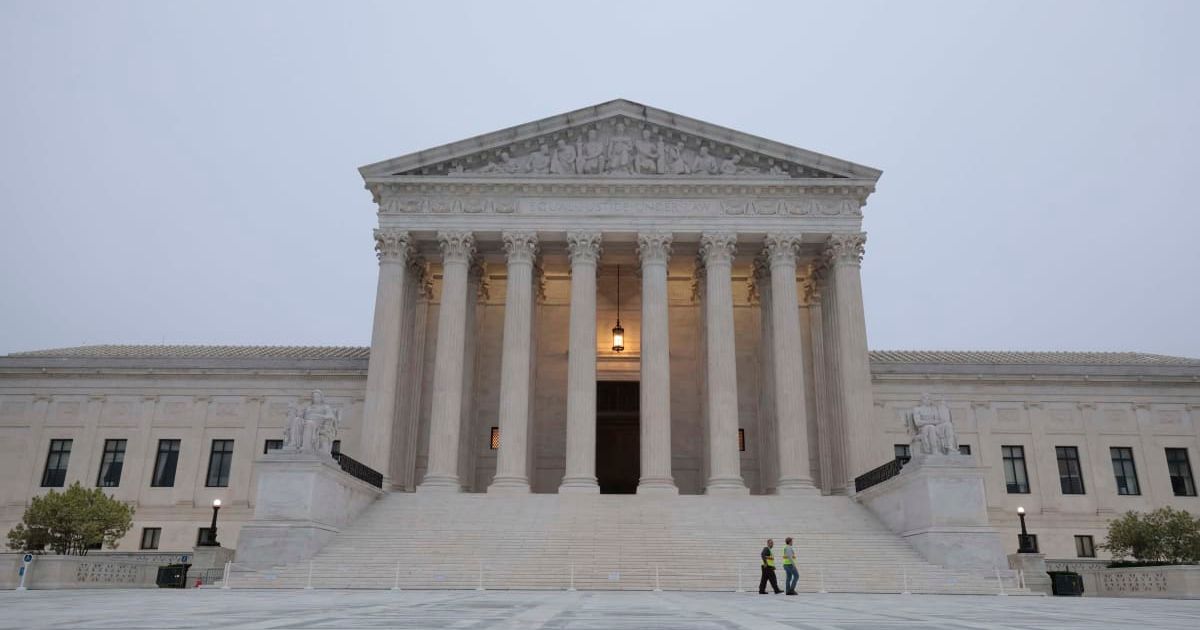
WASHINGTON, DC: In a major ruling on Monday, June 29, the Supreme Court allowed election officials to count late-arriving mail-in ballots, rejecting a Republican National Committee (RNC) challenge.
The Republican National Committee (RNC) challenged state laws allowing mail-in ballots to be counted if they arrive after Election Day, even if they were postmarked. They argued that federal law requires all ballots to be cast and received by Election Day.
Justices back Mississippi mail ballot law
The Supreme Court ruled that states can continue counting mail-in ballots that arrive after Election Day, as long as they were mailed by the Election Day deadline.
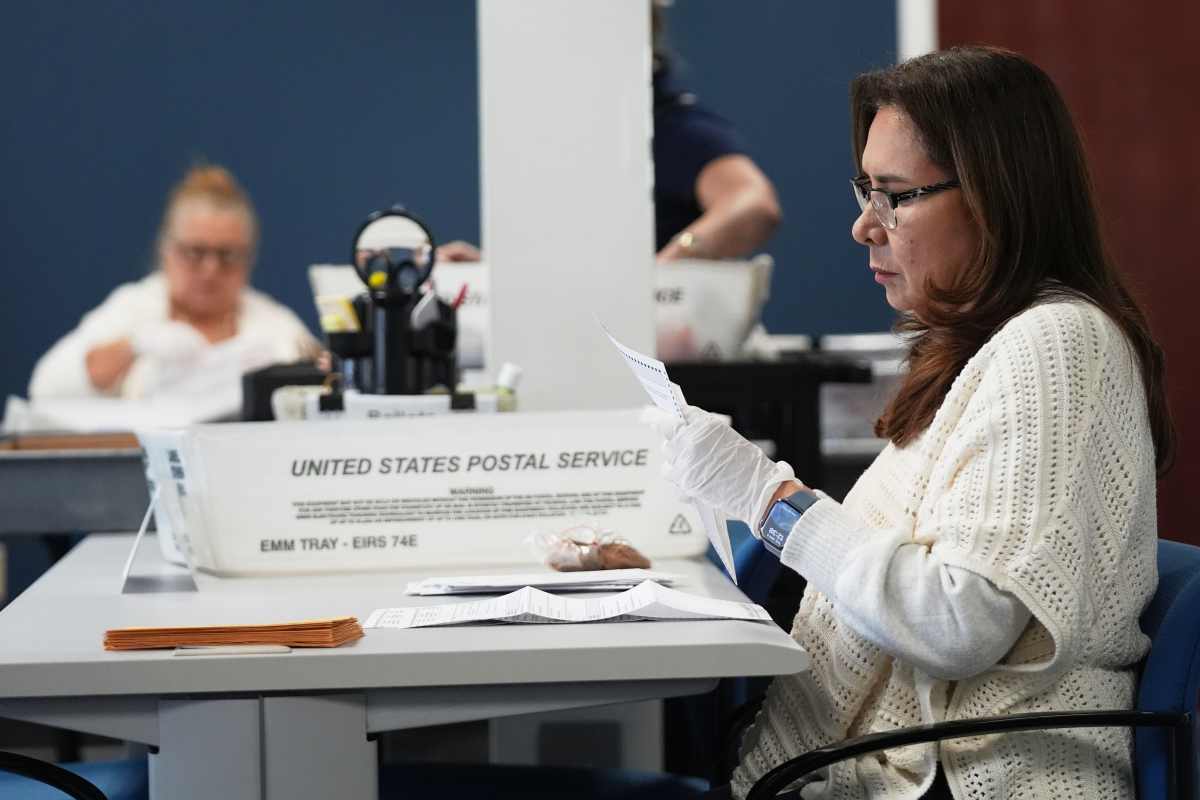
The decision allows existing election rules in states such as Mississippi to remain in place ahead of the November midterm elections.
The justices, divided 5-4, observed that the Mississippi law challenged by the RNC does not conflict with the federal law that sets Election Day in early November.
More than a dozen states count mail ballots as valid even if they arrive after Election Day, as long as the ballot was officially stamped by the postal service to show the date it was mailed.
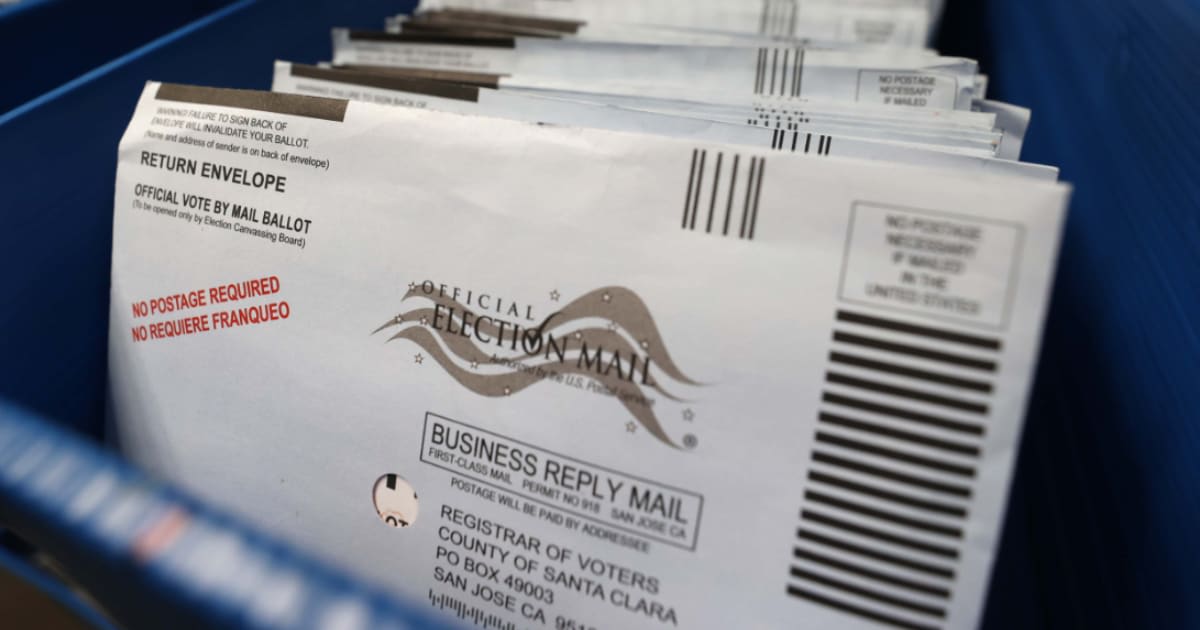
The federal law sets “the Tuesday next after the 1st Monday in November” as the “day for the election.”
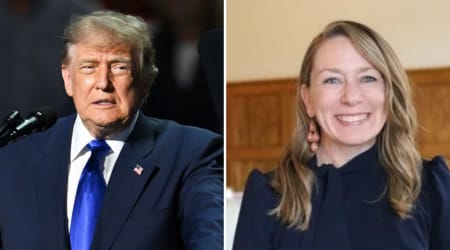
“The election-day statutes say nothing about ballot receipt, and we cannot add to the words Congress chose,” Justice Amy Coney Barrett wrote.
Supreme Court pushes back on Trump's election fraud claim
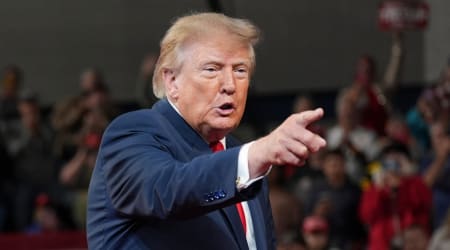
The ruling is a setback for President Donald Trump, who has frequently criticized mail-in voting, claiming without offering evidence that it is rife with fraud. Two of the court’s conservatives joined the three liberals in the majority.
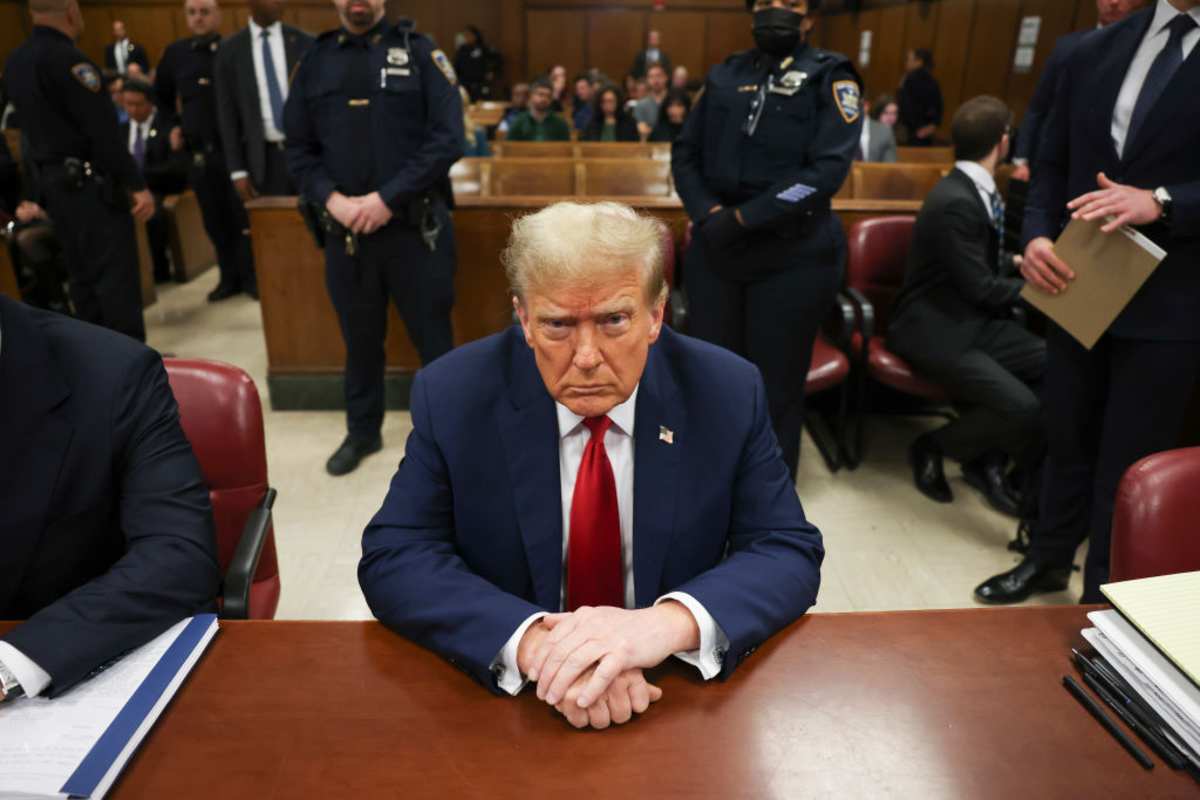
Trump has long argued that votes should be counted on election night to avoid fraud. The Justice Department backed the RNC’s challenge at the Supreme Court.
The issue has also spurred a Republican-on-Republican fight. As some in the party sought to end the practice, Mississippi Secretary of State Michael Watson (R) defended his state’s law.
The timing of the decision avoids potential upheaval in the upcoming elections. The Mississippi law and similar measures in 13 other states will remain in effect ahead of November’s midterm elections.