Trump-appointed postmaster warns states to hand over voter rolls or risk undelivered mail ballots
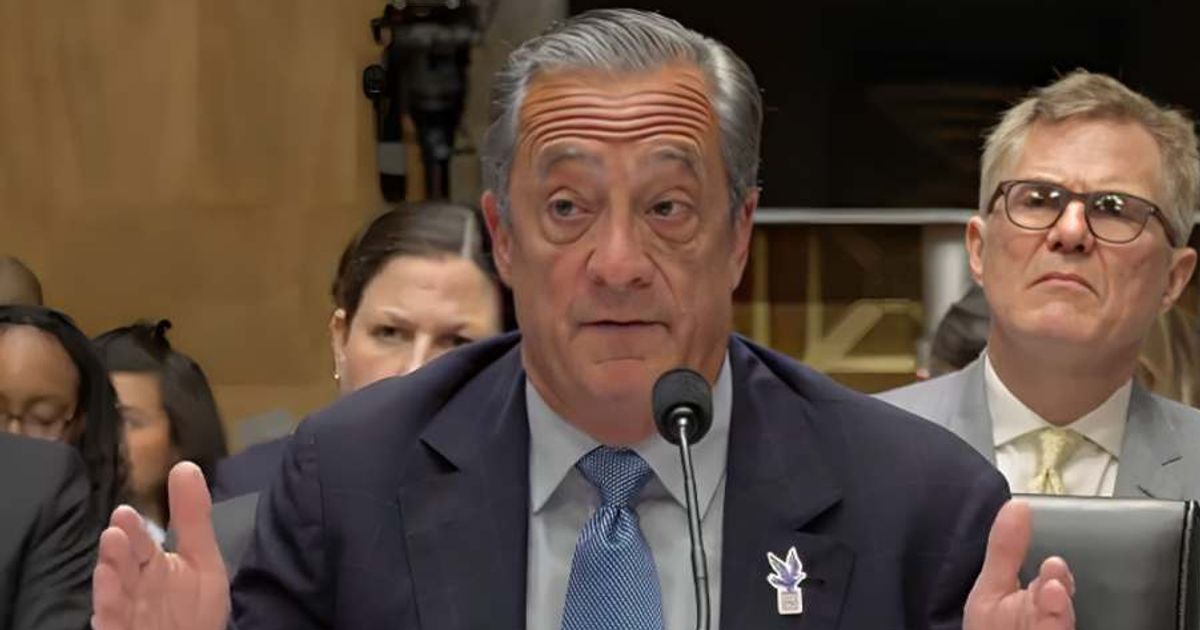
WASHINGTON, DC: Postmaster General David Steiner ignited a fierce political battle on Capitol Hill on Wednesday, June 24, after acknowledging that states could lose access to mail-ballot delivery if they refuse to provide voter-registration data under a proposed United States Postal Service rule tied to a Trump administration election directive.
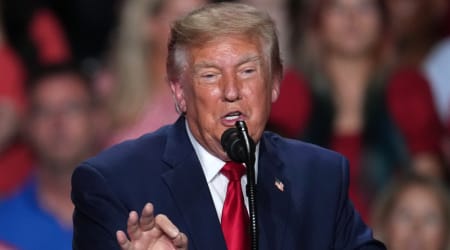
The proposal stems from President Donald Trump's March executive order seeking tighter federal oversight of absentee voting procedures.
During a contentious Senate Homeland Security Committee hearing, Steiner confirmed that under the draft regulation, USPS would require states to provide voter manifests identifying individuals eligible to receive mail ballots.
Sen. Peters: "Yes or no, if a state refuses to turn their absentee voter list over to the federal government, will the Postal Service still mail their ballots under this proposed rule?"
— The Bulwark (@BulwarkOnline) June 24, 2026
Postmaster General David Steiner: "Under our proposed regulation, no." pic.twitter.com/4JYe7Jo450
The admission immediately triggered accusations from Democrats that the administration is attempting to leverage the nation's mail system to obtain sensitive election information traditionally controlled by the states.
Senate hearing erupts over proposal
The controversy exploded when Sen Gary Peters (D-Mich) asked whether USPS would refuse to deliver election mail if states declined to provide voter lists.
"Under our proposed regulation, no," Steiner responded when asked if ballots would still be delivered without the requested data.
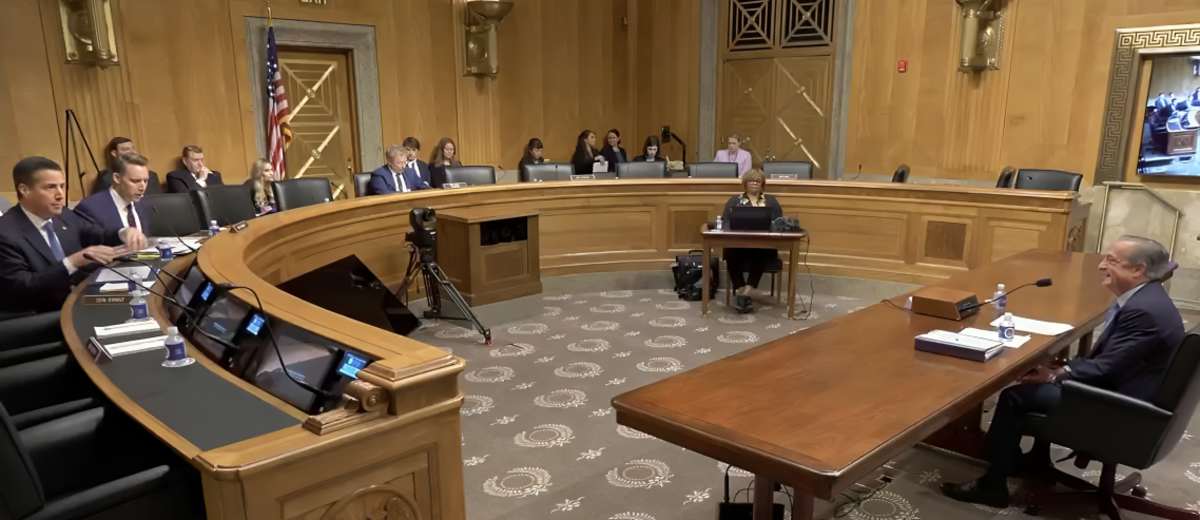
Peters accused the administration of creating a backdoor mechanism to obtain state-controlled voter information. He argued that states were effectively being told to surrender election records or risk disruptions to absentee voting programs.
The clash transformed a procedural regulatory debate into a broader confrontation over federal authority, election administration, and voter privacy.
Critics warn of federal overreach
Opponents contend the proposal would establish an unprecedented federal role in managing absentee voting data.
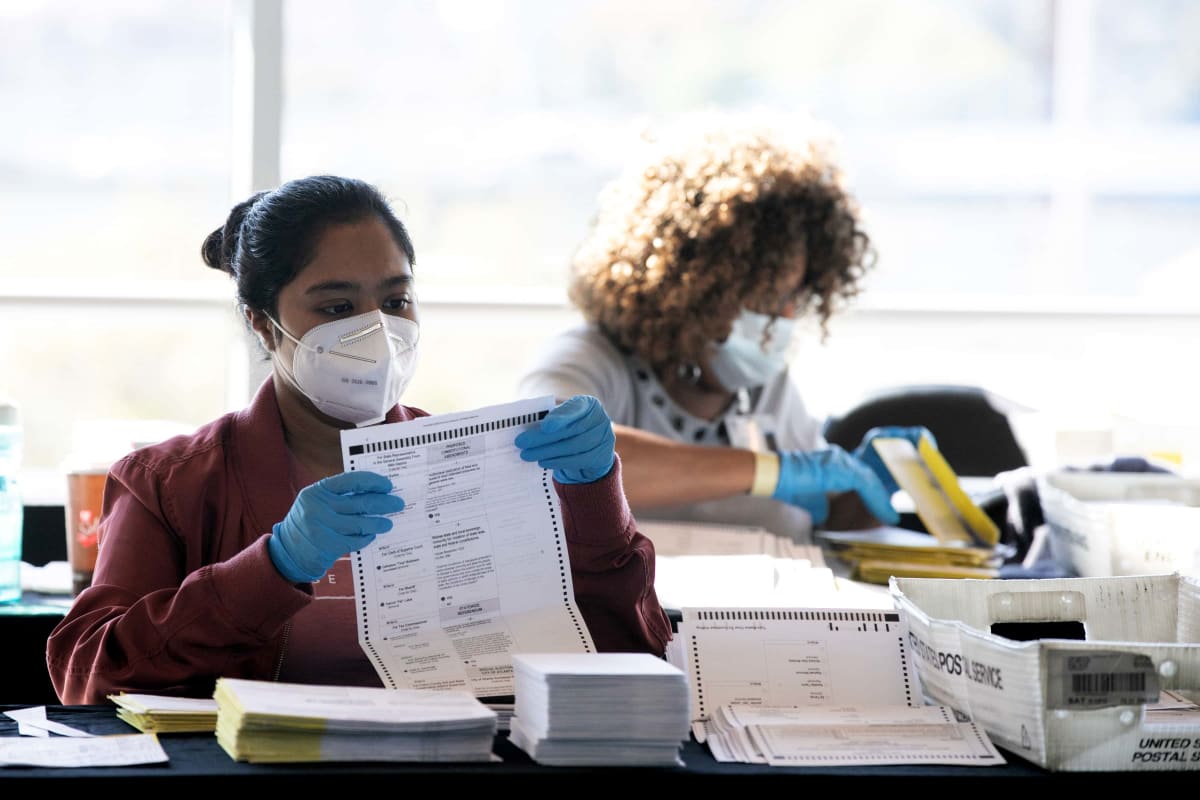
Under the draft framework, election officials would be required to provide USPS with lists of voters requesting absentee or mail ballots before those ballots are distributed.
Critics argue that such a system could function as a national absentee-voter database administered through federal channels.
Sen Maggie Hassan (D-NH) called on Steiner to withdraw the proposal immediately, describing it as an unlawful intrusion into state election responsibilities.
.@SenGaryPeters to Postmaster General: "States control their own elections. That's pretty clear in the Constitution. An effort by this administration to nationalize elections and have the federal government having this information is incredibly dangerous precedent." pic.twitter.com/7NvcWbYnz5
— CSPAN (@cspan) June 24, 2026
Voting-rights organizations have also warned that the measure could create new barriers for states that rely heavily on vote-by-mail systems.
Legal challenges already intensifying
The proposal is already facing mounting legal scrutiny.
Multiple lawsuits challenging both Trump's executive order and the USPS regulation are moving through federal courts. A federal judge in Massachusetts recently allowed several challenges to proceed, citing concerns about potential impacts on upcoming elections.
Steiner defended the proposal as an effort to improve election-mail accuracy and argued that USPS would comply with any future court rulings.
As legal battles accelerate and congressional criticism grows, the dispute has become one of the most consequential clashes yet over the federal government's role in election administration, setting the stage for a prolonged fight over voting access, state authority and the future of mail-ballot delivery.