Trump administration seeks Supreme Court approval to implement new mail-in ballot rule
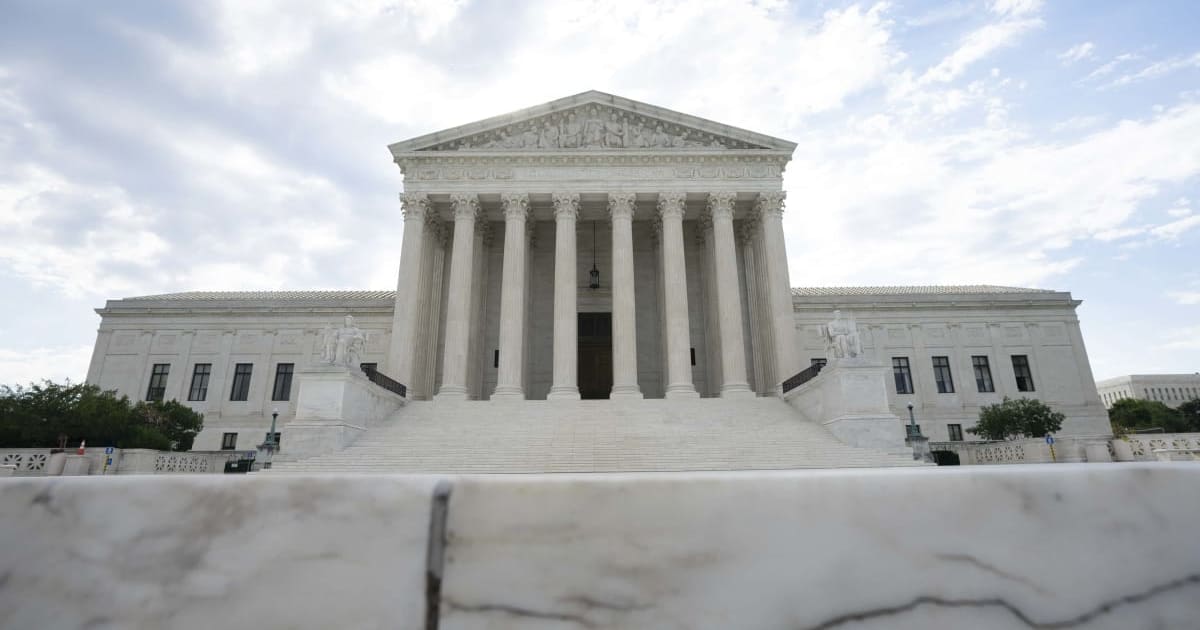
WASHINGTON, DC: On Thursday, Sept 3, the Trump administration rushed to the US Supreme Court, seeking approval to enforce new US Postal Service rules on mail-in ballots quickly.
The development came after a federal judge temporarily blocked key parts of the plan. In response, the administration asked the Supreme Court to allow the new rules to take effect immediately while the legal challenges continue. Officials argued that further delays could leave some states without enough time to comply with the rules before sending out ballots for the November 3 general election.
What does the rule actually require?
Last week, US District Judge Indira Talwani issued a restraining order, saying the plaintiff states would suffer irreparable harm if they had to follow the rule’s requirements on the tight schedule set by USPS.

The order expires on September 10, unless extended. The states challenging the rule must file a response by the morning of September 8, so the Supreme Court can decide what happens next.
USPS rolled out this new rule last month, following an executive order from President Trump back in March that called for stricter federal control over mail voting.
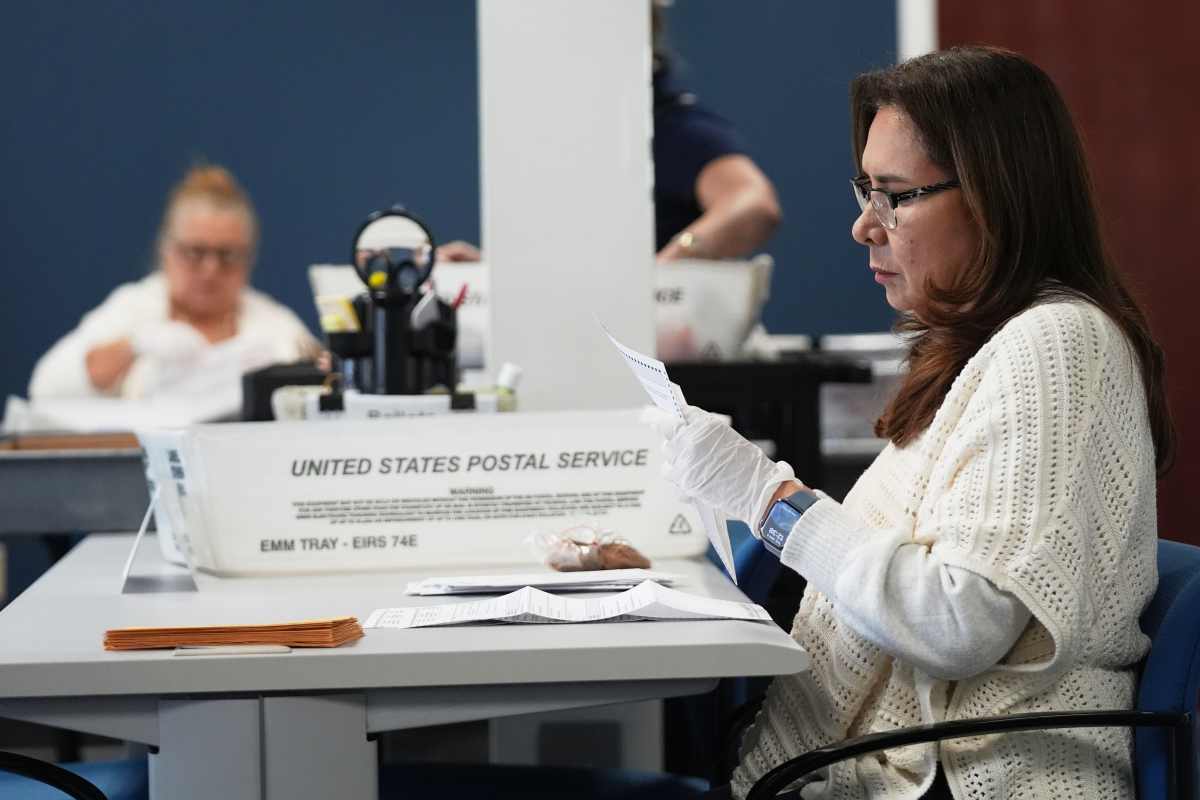
Now, state and local election officials have to set up accounts on a new USPS electronic portal.
They also need to get advance approval for their mail ballot envelope designs and upload detailed voter information - each person’s name, address, and a unique intelligent mail barcode - before sending out any ballots.
USPS made it clear: if election offices skip this registration and approval process, they simply won’t deliver those ballots. On top of that, USPS will hand over the list of ballot recipients and all related barcode data to federal law enforcement.
USPS and the Justice Department made it clear postal workers won’t hold back ballots based on who’s eligible to vote, and the agency isn’t checking voter eligibility.
The focus is on the election office, not individuals. If a state or local election office doesn’t register with USPS and get its ballot design approved, USPS says it can refuse to handle any of that office’s mail ballots. They're not sorting ballots one by one; they’re addressing compliance at the jurisdiction level.
A different question than the last ruling
Following the publication of the regulations last month, dozens of Democratic state attorneys general sued the Trump administration after an earlier lawsuit was blocked by the Supreme Court, which said the challenge was premature since the regulations hadn't been finalized.
In its latest appeal to the justices, the Trump administration insisted the rules impose only "modest" ballot design and review requirements on states and that a requirement to submit name, address, and barcode information of intended recipients is not onerous or intrusive.
"The rule thus plainly does not seize control of states' administration of elections; it simply imposes reasonable preparation requirements for certain election-related mail," Solicitor General John Sauer wrote in the court filing.
This dispute centers on a final rule and asks the court to decide if it should go into effect immediately, even though lower courts haven't resolved the bigger constitutional questions yet.
Solicitor General D John Sauer, in his filing, described the rule as imposing just "modest" design and reporting requirements on states.

He argued it stops short of handing control of elections to the federal government. But challengers, among them Democratic state attorneys general and voting rights groups, see things differently.
They claim the rule steps on states’ constitutional authority to run their own elections. They also warn that putting it in place now could throw mail voting for the midterms into chaos.