Katie Zacharia’s 14-minute WH debut sharply contrasts with Karoline Leavitt’s 47-minute briefing
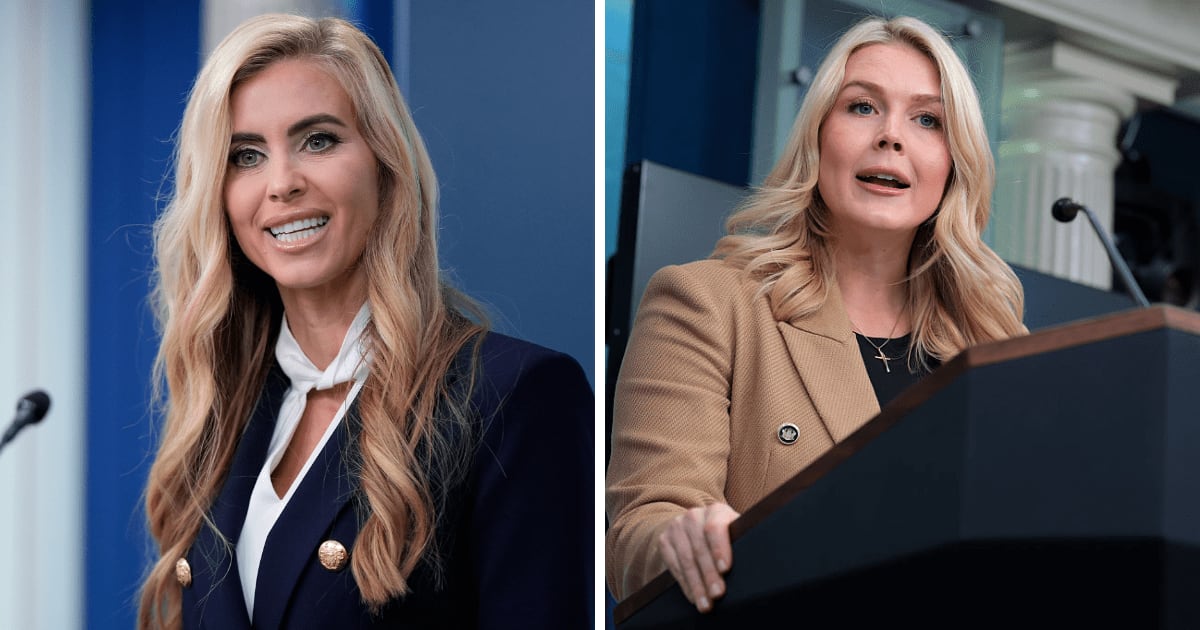
WASHINGTON, DC: First impressions last, especially when you take the podium in the White House briefing room, where a pause, a stumble, or an unanswered question can quickly become a political talking point.
At 41, conservative commentator Katie Zacharia might have expected her first turn at the White House lectern on October 13 to make a lasting impression.
Instead, her debut was a blink-and-you-miss-it appearance that left more questions than answers, with limited time, few questions, and little information.
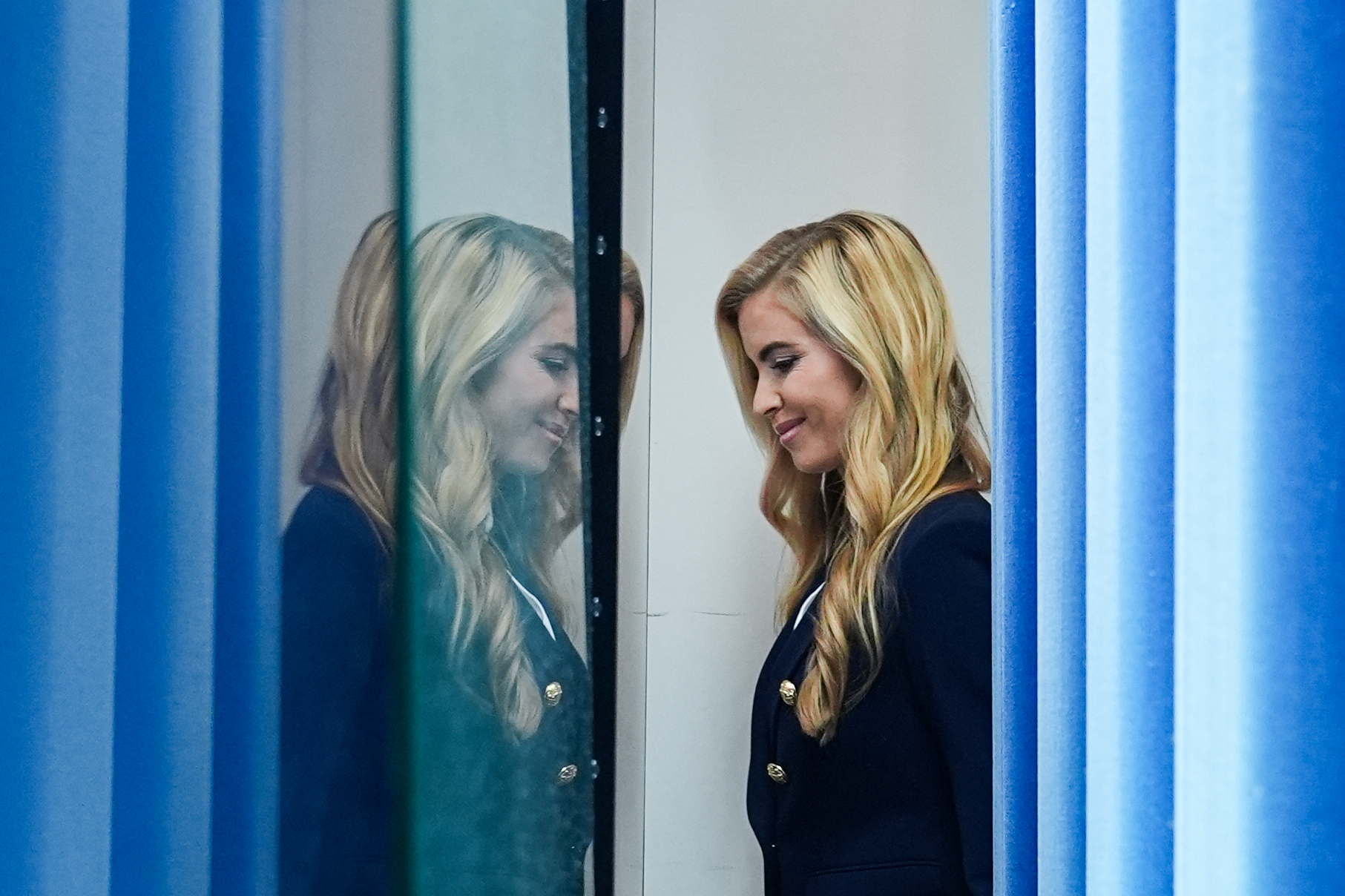
Zacharia’s rocky debut quickly became a target of criticism across the political spectrum, inviting comparisons with her predecessor, Karoline Leavitt, who had come to embody the Trump administration’s combative press strategy.
The 29-year-old Leavitt, who announced her departure from the administration earlier this year, made her White House briefing-room debut in January 2025 and quickly carved out a reputation for her combative style at the podium.
She took on the news media head-on while quietly cultivating strategic relationships with reporters behind the scenes.
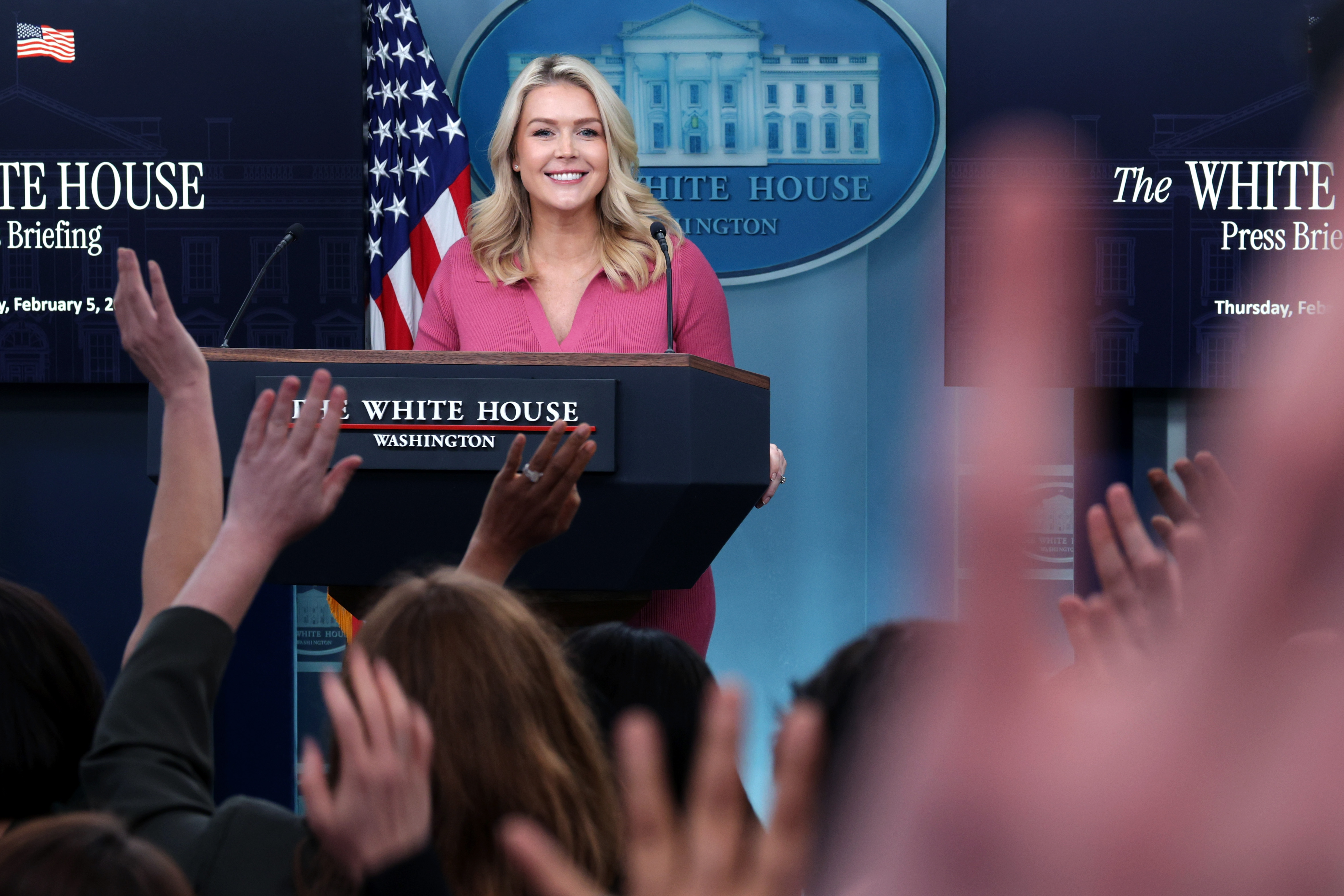
Katie Zacharia’s first briefing vs Karoline Leavitt’s debut
Zacharia, who previously had a brief stint as a spokeswoman for then-Secretary Kristi Noem at the Department of Homeland Security, opened the briefing by looking down and reading prepared remarks highlighting President Donald Trump’s achievements, including his policies on immigration, tariffs, energy production, and the economy.
The briefing lasted around 14 minutes, with Zacharia taking three questions from reporters representing Breitbart, Fox News, and the Daily Mail, all conservative-leaning outlets.
In her responses, she discussed the administration’s approach to new media, Trump’s midterm campaign travel, and the resignation of US Ambassador to Greece Kimberly Guilfoyle.
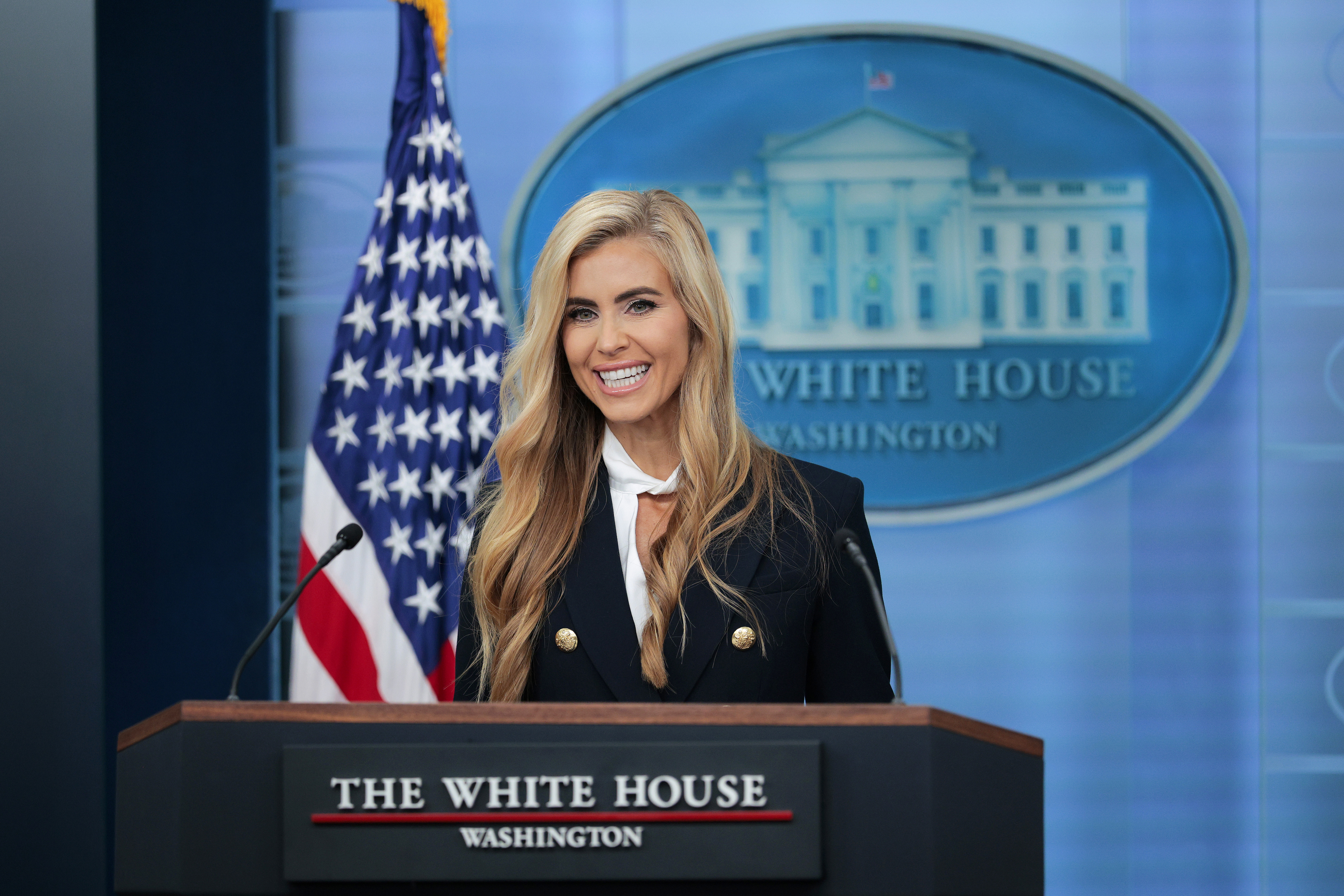
One exchange attracted particular attention when Zacharia was asked about balancing her responsibilities as press secretary with raising her four children.
She accidentally referred to Trump as “my president” before correcting herself: “Excuse me, my husband.” She laughed off the slip, but the moment quickly became one of the most widely discussed parts of her debut.
By contrast, when Leavitt took on the role of the youngest-ever White House press secretary in January 2025, she adopted a more expansive approach.
During her approximately 47-minute briefing, she addressed questions on immigration enforcement, birthright citizenship, tariffs, and the administration’s freeze on federal grants and loans.
She also announced plans to expand access to the briefing room to include independent journalists, podcasters, and other digital-media figures, establishing an approach to media access that Zacharia has said she intends to continue.
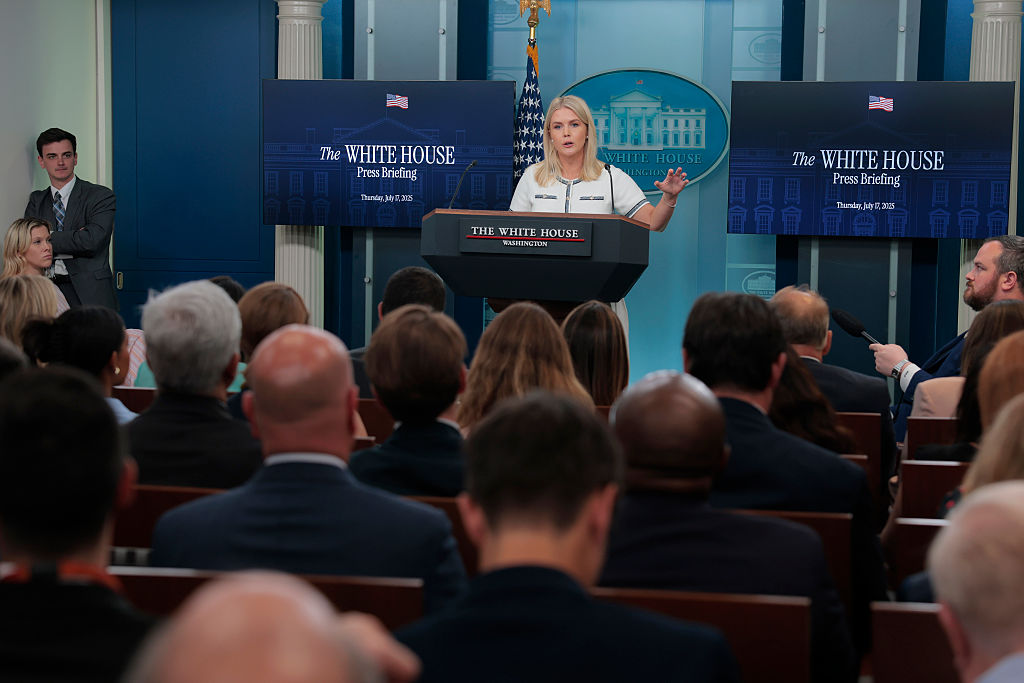
While duration alone does not determine the quality of a briefing, Leavitt’s longer session provided more opportunities for follow-up questions and challenges.
Zacharia’s appearance, by contrast, offered a more limited exchange between the administration and journalists seeking answers.
Body language experts compare Zacharia and Leavitt
In the high-stakes theatre of the White House briefing room, what a press secretary says matters, but how they say it also plays a crucial role.
Analyzing Zacharia’s briefing, Dr Lillian Glass, a body-language expert quoted by the New York Post, said the former conservative commentator appeared ‘nervous’ and was “emphasizing the wrong words” while delivering her remarks.
Glass argued that the new press secretary needed basic training, although she acknowledged that it was Zacharia’s first day in the role. She offered a more favourable assessment of Leavitt, praising her vocal inflection, eye contact, and ability to convey authority.
“She used her tone of voice appropriately. You knew when she was angry. You knew when she was happy. You knew when she was a matter of fact. She had the range of inflection that was appropriate. … Karoline Leavitt would look at you. Again, this is the first day, so I’m going to be fair,” she insisted.
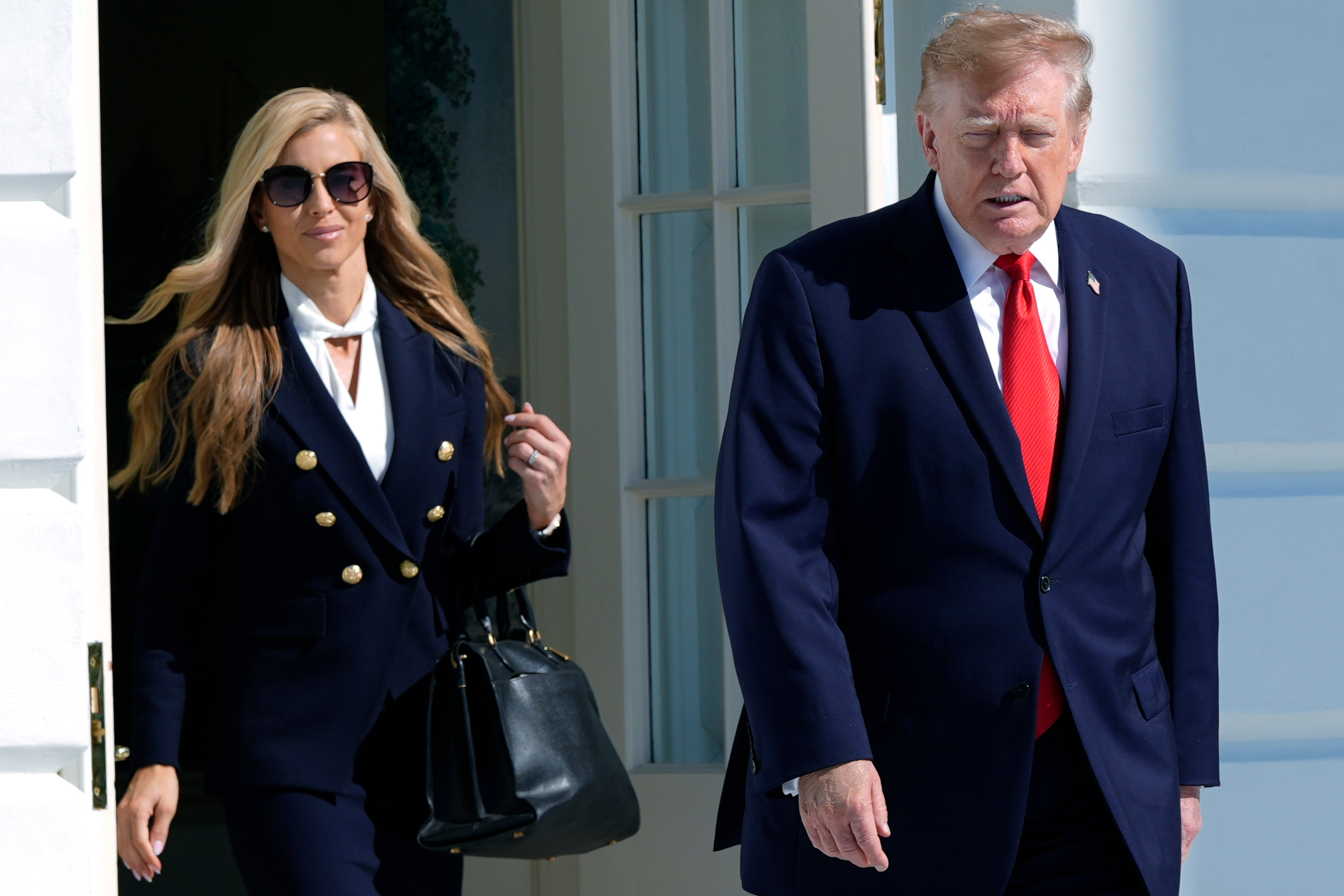
Another body-language expert, Judi James, offered a similar assessment to the Mirror, arguing that Leavitt conveyed that she was “fully on top of the brief but also no pushover,” while describing Zacharia’s opening performance as a striking contrast.
According to James, Leavitt’s delivery combined a friendly smile with a firm, authoritative message.
Zacharia, meanwhile, appeared more dependent on her script, with her opening remarks sounding less spontaneous and more like a prepared tribute to the president.
James also scrutinised Zacharia’s opening greeting, describing its high-pitched, sing-song delivery as suggestive of nervousness.
She pointed to a giggle as Zacharia looked down at her notes and argued that her frequent reliance on the script weakened her ability to establish an immediate connection with the audience.
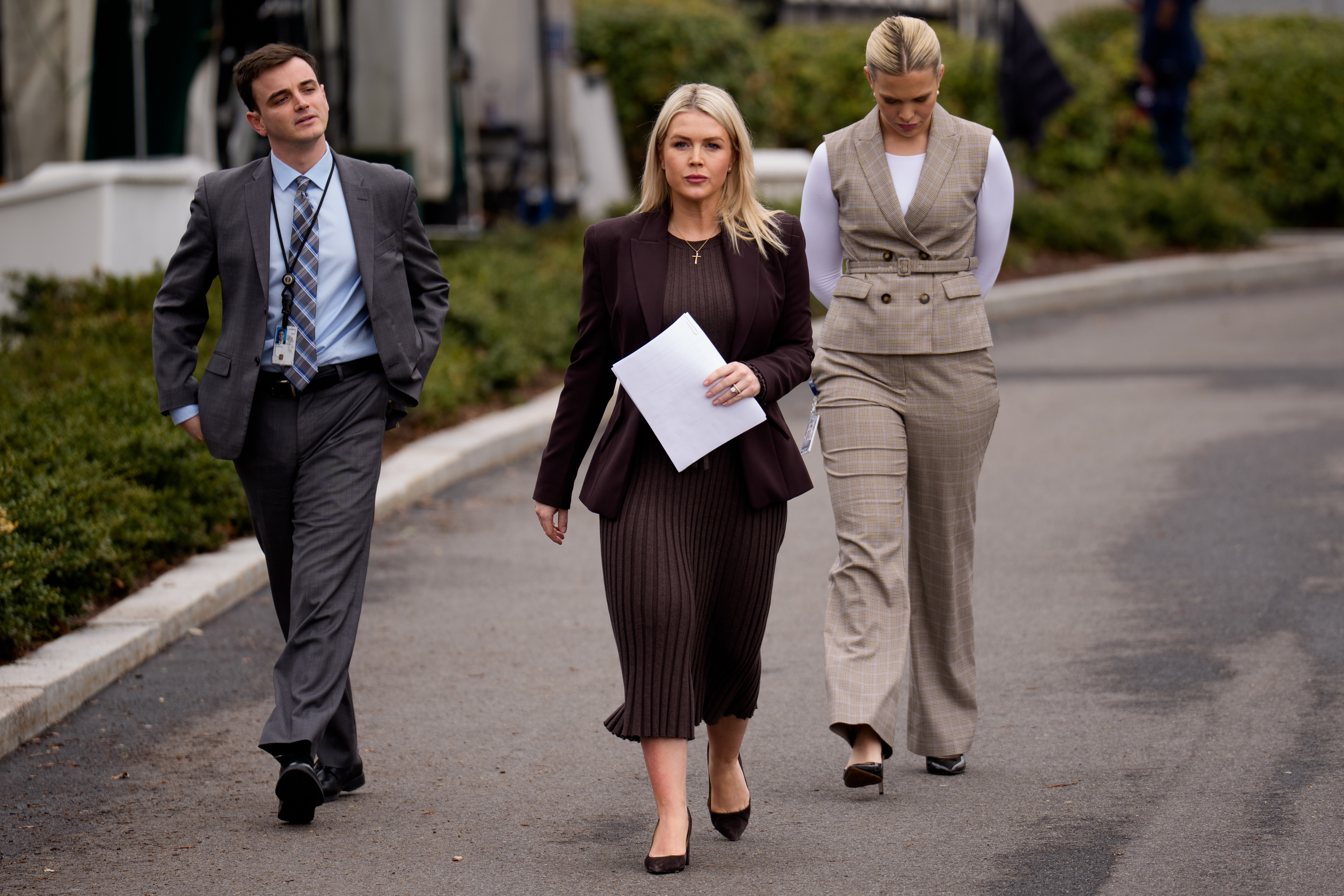
Republican strategists defend Katie Zacharia’s debut
While critics were quick to pick apart Zacharia’s debut, others urged a more measured verdict, arguing that she deserved some leeway given that Tuesday was only her second day on the job.
“We were told she was getting the job on Friday, and she rolls out here on what, what’s today, Tuesday?” one Republican strategist to the Hill.
The strategist argued that it had taken former press secretaries, including Kayleigh McEnany and Leavitt, weeks or months to get the hang of the role.
However, the strategist noted that their experience working for Trump on the campaign trail had benefited them.
“They were taking live fire from the campaign for months before they were doing this job,” the strategist said, referring to McEnany and Leavitt, as well as former press secretaries Sean Spicer and Sarah Huckabee Sanders.
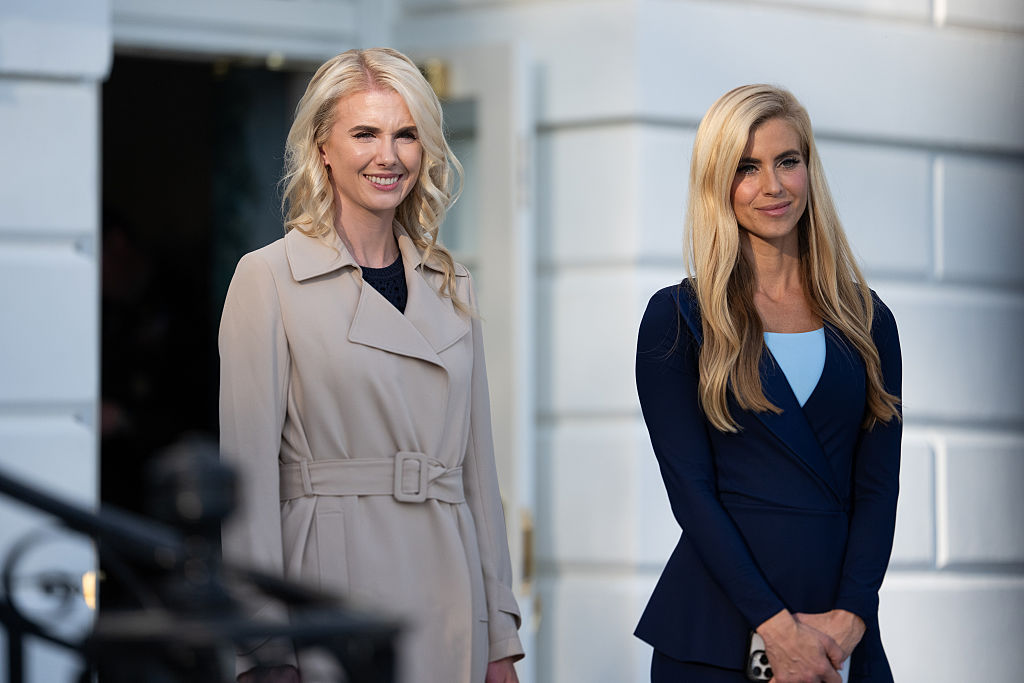
Zacharia “was going on TV interviews, but she wasn’t taking that live fire, breaking news as it happens,” the strategist noted.
“When you’re on the campaign trail or even during the transition because you’re taking live fire every day, once you get behind [the podium], it’s no different being in the Brady Room than it is on the campaign trail or on Air Force One.”
Vaughn Hillyard, MS NOW’s White House correspondent, offered Zacharia some breathing room while making clear that the learning curve could not last forever.
Speaking to CNN, he stressed that the press secretary’s role goes well beyond reading prepared statements, serving as a crucial link between the White House, the press, and the public.
Briefings, he said, give reporters an opportunity to “push the executive branch” for timelines, policy specifics, and direction on issues affecting the public, particularly when they cannot interview the president every day.
Equally important is the press office’s ability to maintain relationships with journalists and clarify policy matters, ranging from legislation and foreign policy to executive orders.