Democrats seize US Senate, ending Republican control as voters turn against Trump
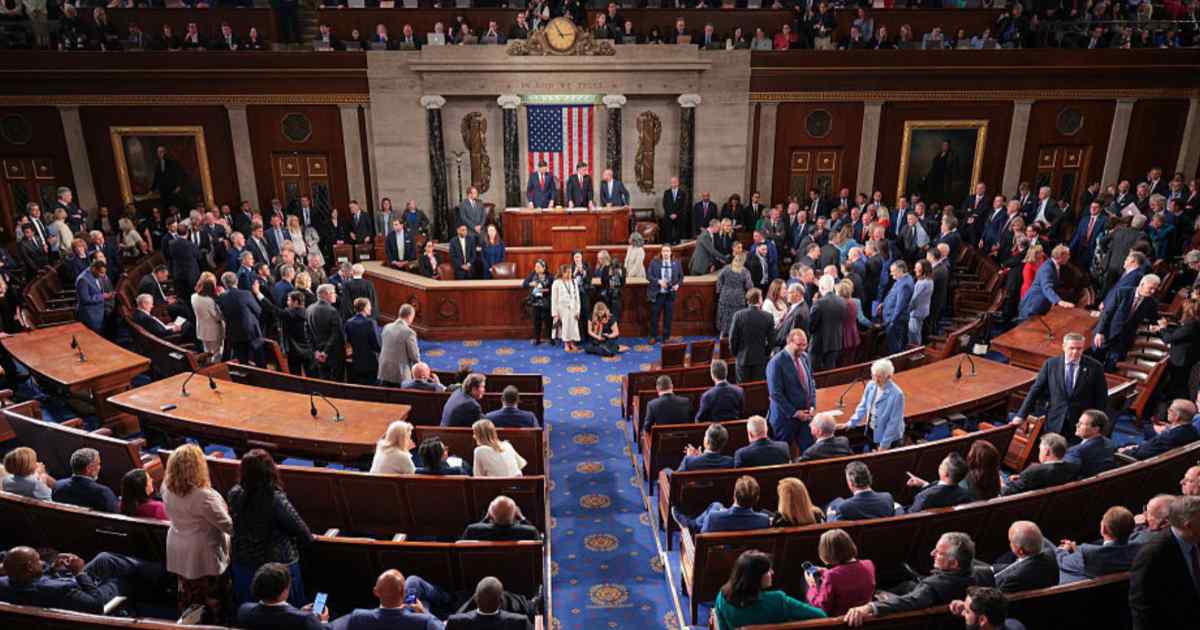
WASHINGTON, DC: Democrats have taken control of both chambers of Congress in the 2026 midterms, flipping a number of the traditionally Republican Senate seats in states that President Trump won in 2024. Decision Desk HQ and NBC News had both projected a Democratic Senate majority before the election, having already projected a Democratic House majority, which would have given them control of Congress for the first time in Trump's second term.
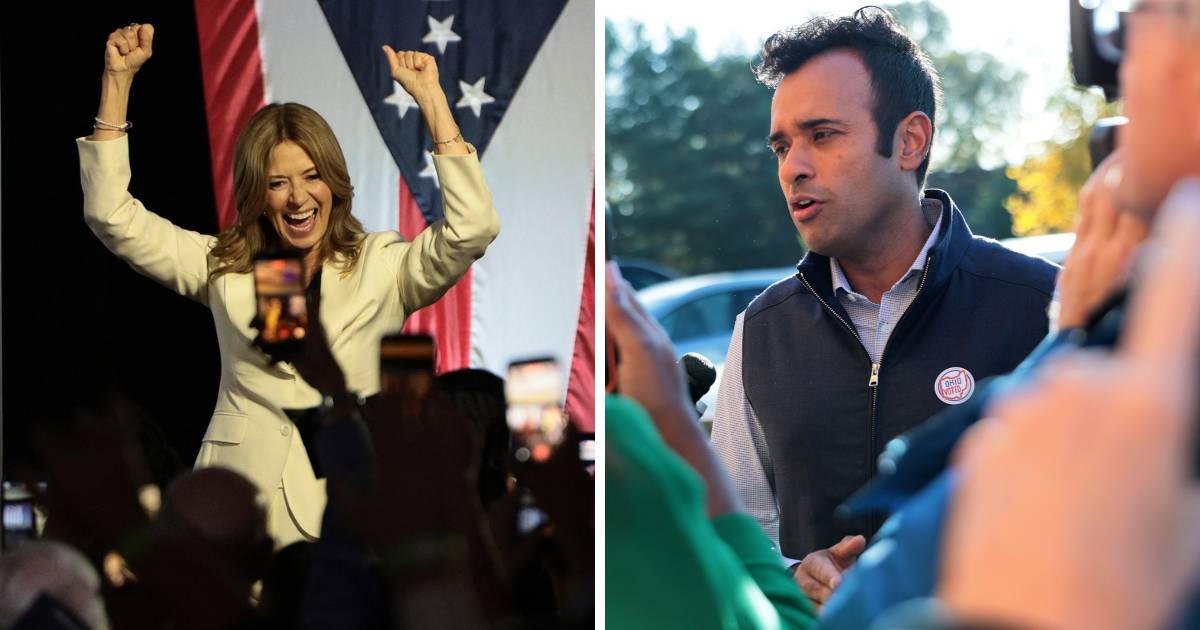
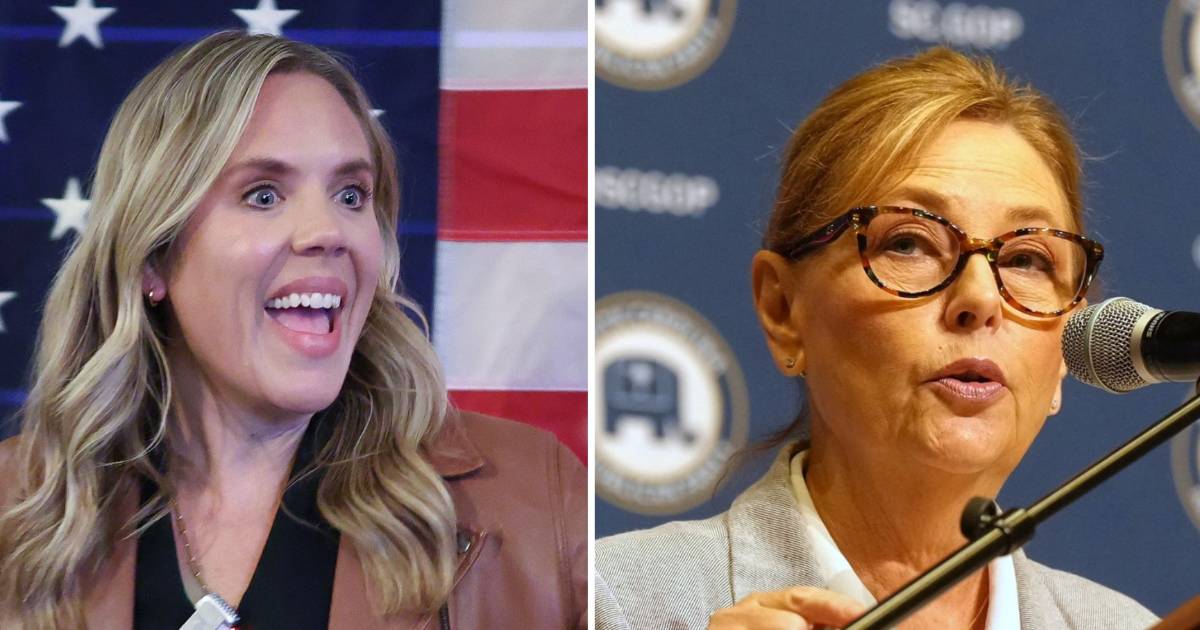
The result was a major blow to Trump, who had been touring the country in the final weeks of the election trying to help the Republicans maintain their congressional majorities. The Democrats took the four seats they needed to take control of the Senate by flipping seats in South Carolina, North Carolina, Texas, Ohio, Kansas, and Iowa. That also gives them significantly more leverage to oppose the president's agenda over the remaining two years of his term.
Democrats flip Republican-held states as Trump faces setback
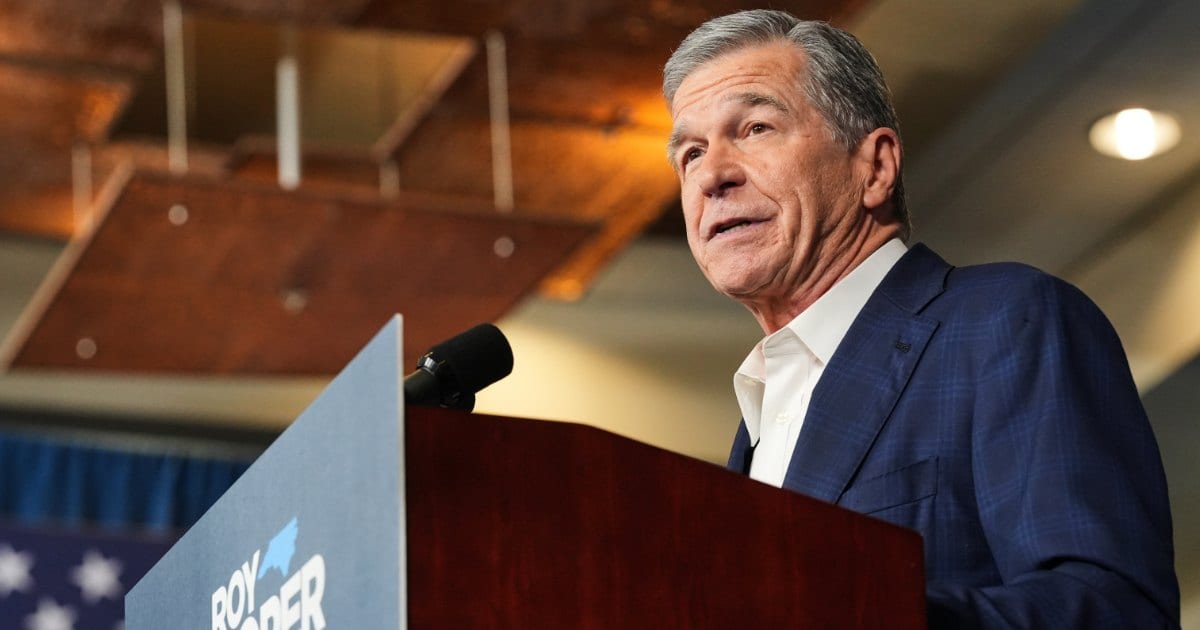
Democrats picked up ground in a number of states that had gone Trump in the 2024 presidential election. Annie Andrews defeated Republican Sen. Darline Graham in SC, Roy Cooper took North Carolina, and Democrats won in Texas, Ohio, Kansas, and Iowa as well.

Some of the results were historic. Adam Hamilton is projected to be the first Democrat elected to the Senate from Kansas since 1932, and James Talarico the first Democrat to win a Texas Senate seat since 1988.
The Michigan Senate race (Democrat Abdul El-Sayed seeking to hold the seat for the Democrats) was still uncalled at the time of the report.
Republicans had entered the election favored to retain the Senate, while Democrats were widely expected to make gains in the House. However, Trump's declining popularity and voter frustration over the rising cost of living changed the outlook. Democrats focused their campaigns on economic concerns and allegations of corruption and financial enrichment involving Trump and his allies.
The results will give Democrats a boost heading into the next presidential election cycle and provide them with greater influence over legislation and congressional investigations.
What do Democrats plan to do next as Trump vows to use veto power
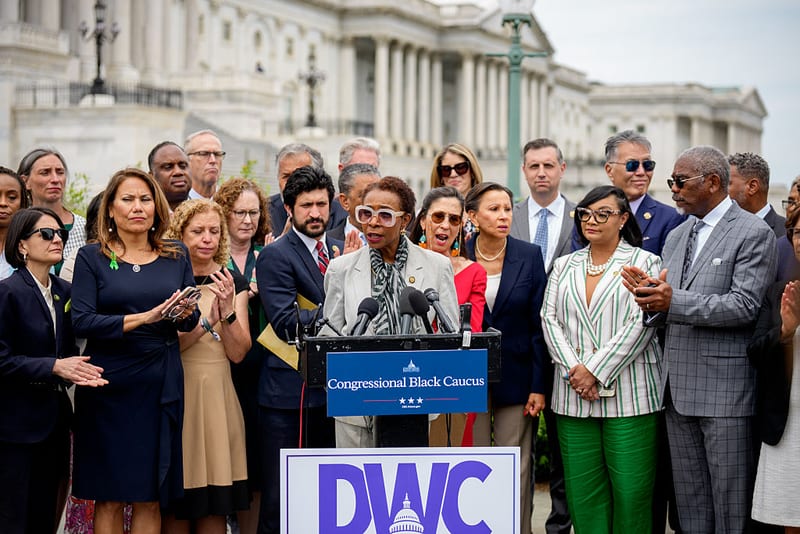
Retaking the Senate will give Democrats legislative leverage in terms of shaping Washington’s agenda. They are likely to pursue reversing Medicaid and food stamp cuts; reasserting Congress’ role on foreign trade policy; and seeking bipartisan agreement on banning lawmakers from trading stocks.
The immediate showdown, however, will likely center on the war in Iran, and we could see Democrats directing Trump to seek congressional authorization to continue or pulling funding to end the conflict.
Trump also will have a harder time installing Cabinet and judicial nominees, including for another potential Supreme Court vacancy, should one arise.
What happens now as Democrats take control of Congress?
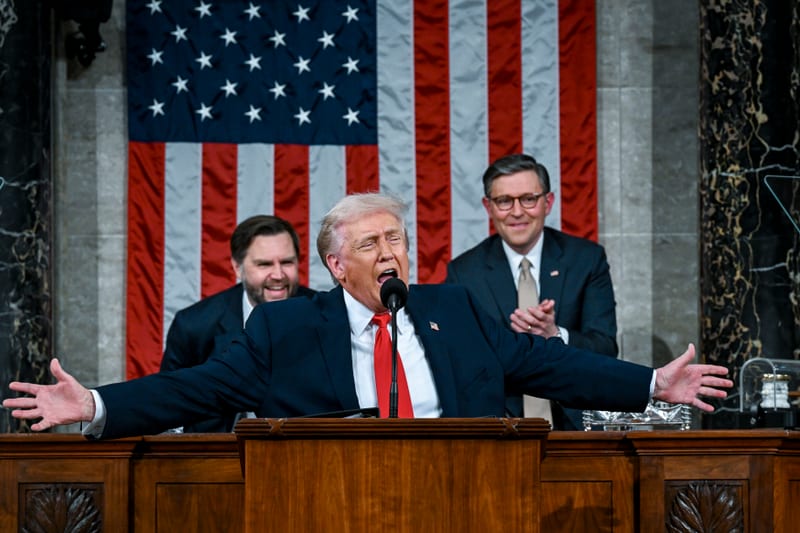
The change in congressional control will make it harder for Trump to advance his legislative priorities. Democrats will have greater influence over spending decisions, legislation and congressional oversight, while the Senate majority will give them the power to block Cabinet and judicial nominees.

Senate Minority Leader Chuck Schumer said the results showed that Americans wanted change. Celebrating the victories, he told reporters, “Five words for the American people: relief is on the way.”
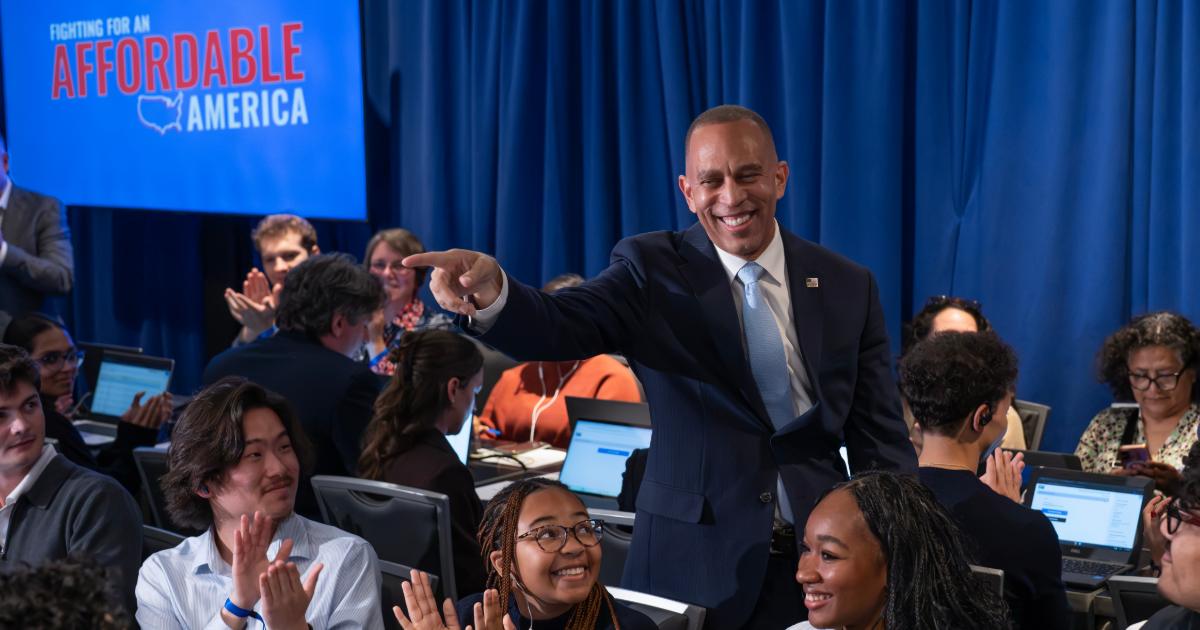
House Democratic leader Hakeem Jeffries said the party was committed to delivering change for voters. “We’re going to work hard to deliver on the dramatic change that you deserve,” he told supporters.
How does Trump plan to respond to a Democratic-controlled Congress
Trump had already indicated how he would respond if Democrats took control. In an interview with CBS News before polls closed, he said he was prepared to reject Democratic legislation and welcomed being called “Mr Veto.” He argued that after repeatedly vetoing bills, Democrats would eventually come to the negotiating table.
The White House had also been considering additional executive actions on issues including immigration and trade, according to people familiar with internal discussions reported by CBS News. The shift in congressional control therefore sets up a potential standoff between the administration and Democratic lawmakers over legislation, spending, and presidential authority.
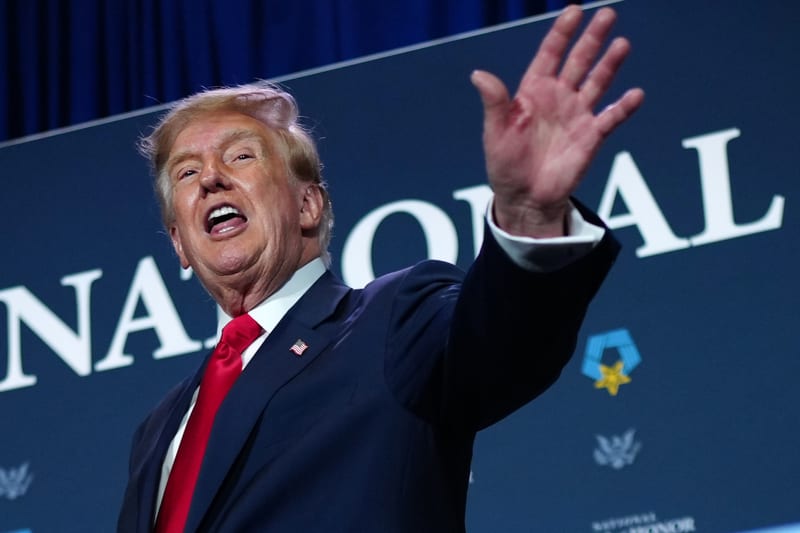
However, Trump also said he would accept the election results and work with Democrats. Speaking to The New York Times, he said, “We'll work with the Democrats, and we'll, you know, look forward to working with them. We'll probably work something out.”
The new congressional majority sets up a potentially contentious final two years of Trump's term, with Democrats preparing to challenge his policies and the president retaining executive powers to push back.