Trump’s approval, cost of living and Iran war: What 2026 midterm exit polls reveal about voters

WASHINGTON, DC: Early exit polls from the 2026 midterms reveal a lot of frustration with President Donald Trump and ongoing worries about the economy. Many Americans seem unsure about where the country’s headed. With the Senate up for grabs, voters in 10 key races made it clear what’s on their minds: the economy, healthcare, democracy, immigration, and the Iran war.
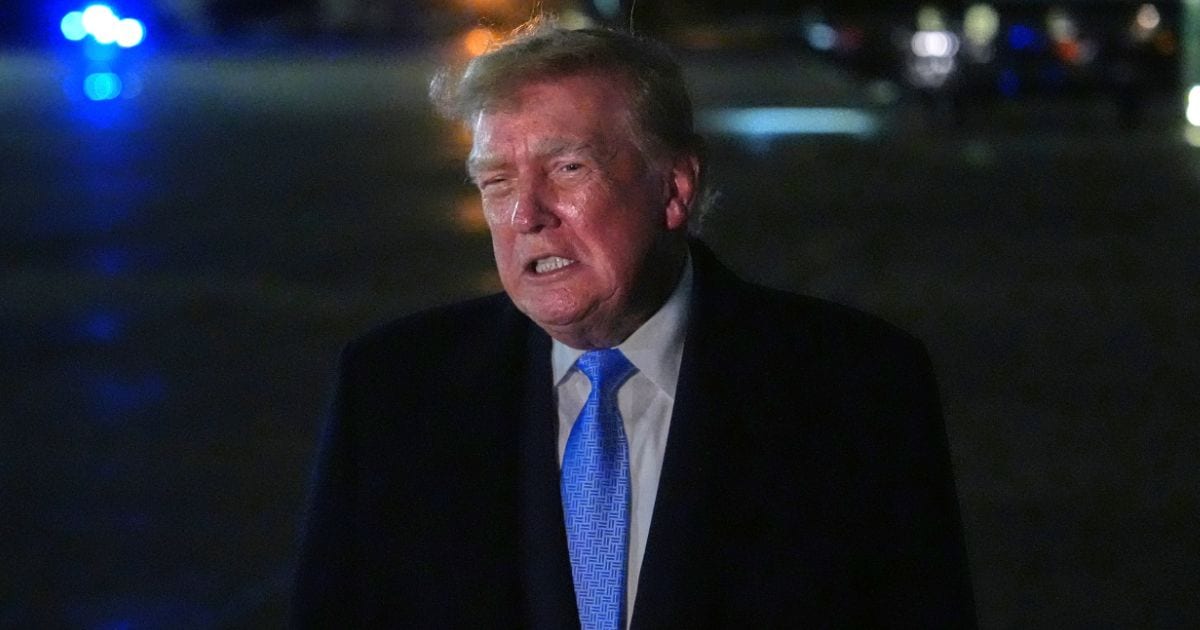
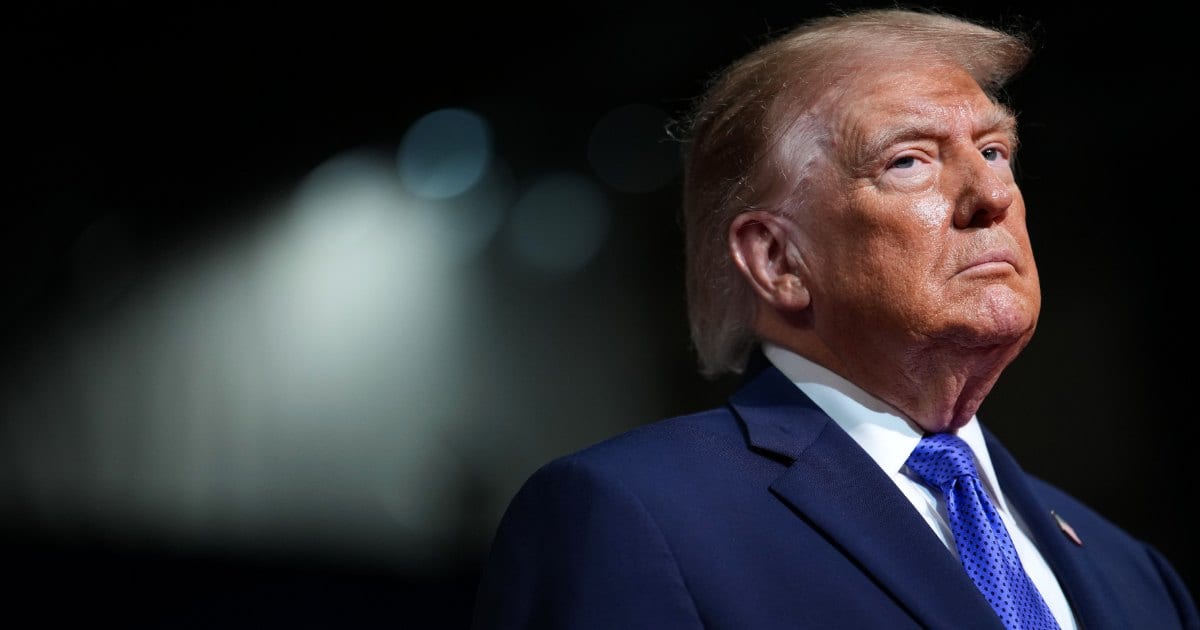
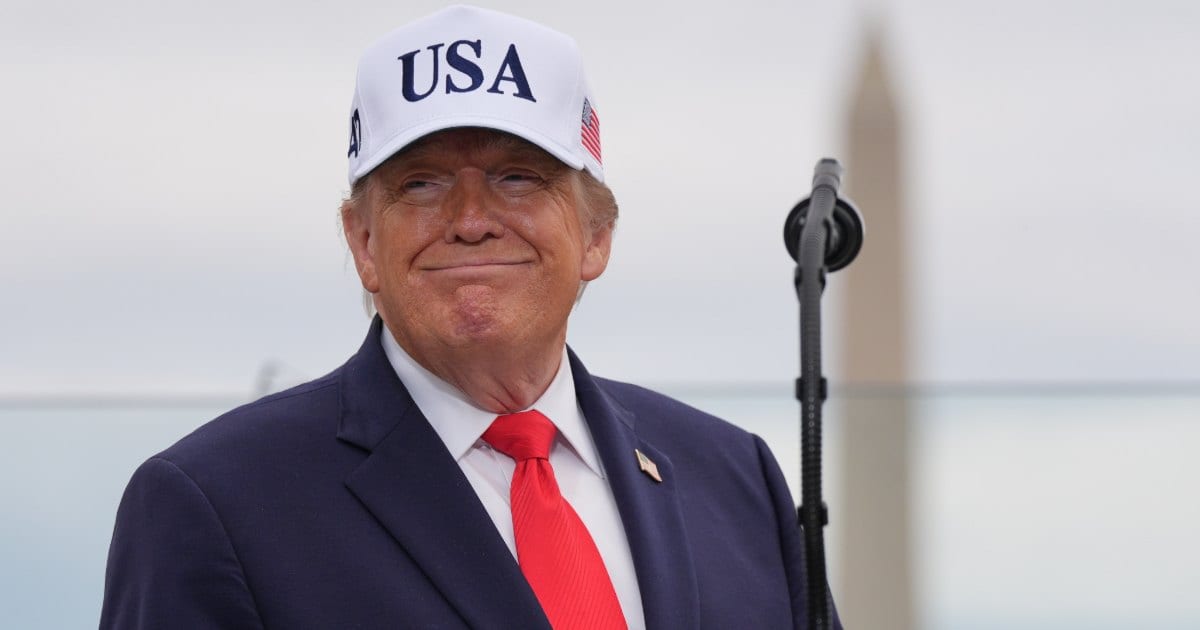
CBS News' national exit poll pegged Trump’s approval rating at just 38%. Around three-quarters of voters felt unhappy with the direction of the country. The economy stood out as the number one concern, followed by the health of American democracy. More than twice as many people said their financial situation had gotten worse rather than better. Across almost every Senate battleground, Trump’s approval numbers lagged; voters simply weren’t impressed.
Trump’s approval and cost of living emerge as major concerns
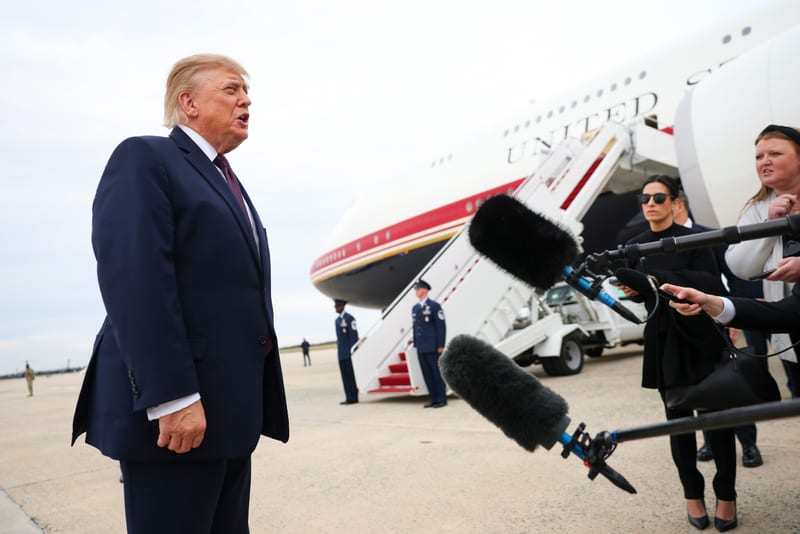
Exit polls show Trump still mattered in the midterms, but people saw him differently depending on their views. About 60% said the president played a role in how they voted for the House. Most Democratic voters wanted to push back against him, while fewer Republicans said supporting Trump drove their choice than in 2018.
Money worries shaped the election, too. Voters on both sides of the aisle talked a lot about high prices, gas, groceries, utilities, all of it. Inflation hit families hard. About one in five said it really strained their budgets.
North Carolina and Georgia voters back Democratic candidates
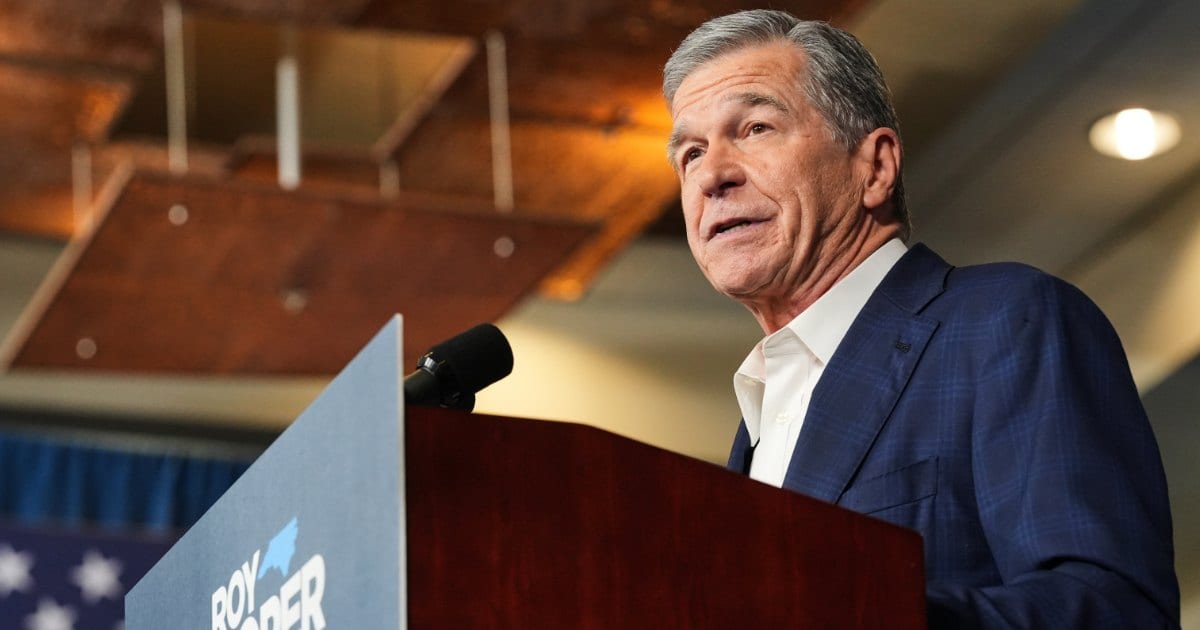
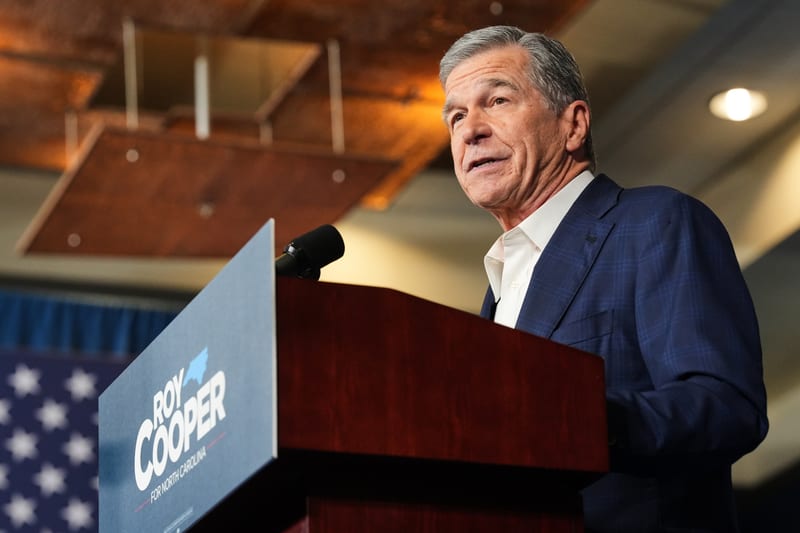
In North Carolina, Democrat Roy Cooper beat Republican Michael Whatley in the Senate race. CBS News exit polls showed people liked Cooper’s track record as governor. He did especially well with independents and White women, better than Kamala Harris managed in 2024.
Many voters thought Whatley was too closely tied to Trump. Cooper’s win was historic; he’s the first Democrat elected to the Senate from North Carolina since Kay Hagan in 2008.
Over in Georgia, Democrat Jon Ossoff won reelection against Republican Mike Collins. Early exit polls pointed to Ossoff’s strong support from Black voters, and he gained ground with White voters too. He kept about the same share of Black voters he picked up in the 2021 runoff.
Most White voters preferred Collins, but CBS found Ossoff’s numbers among them impressive for a Georgia Democrat. Voters saw Collins as holding more extreme political positions compared to Ossoff, and that hurt his standing.

South Carolina voters raise concerns about both candidates
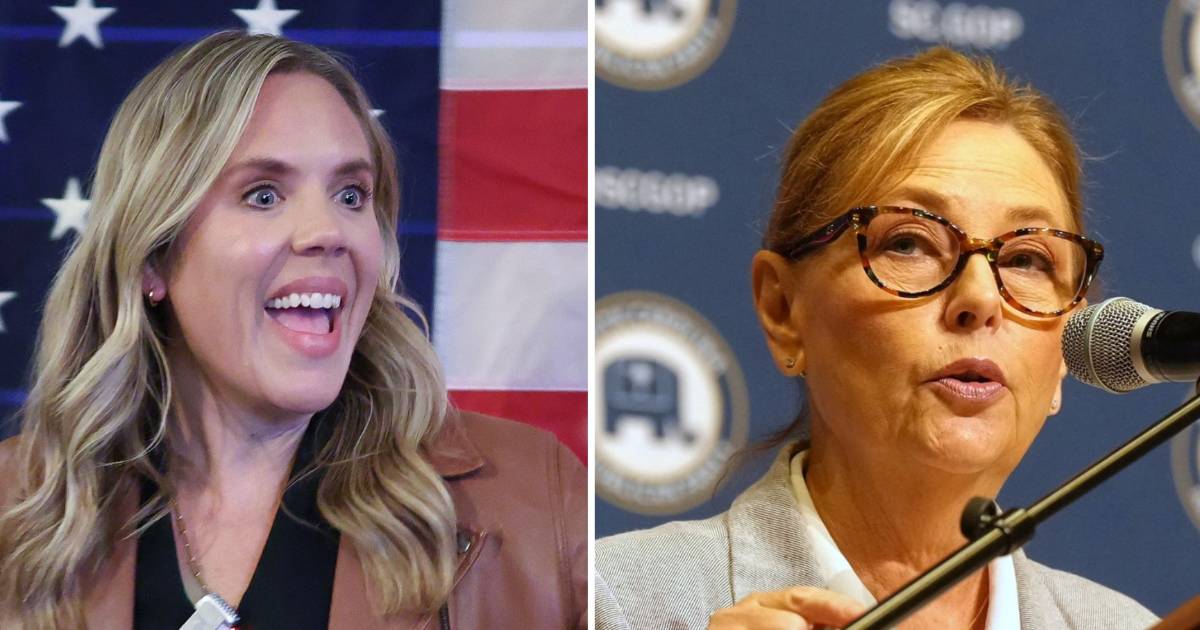
In South Carolina’s Senate race, Democrat Annie Andrews beat Republican Darline Graham, according to reported election results. CBS News called it a toss-up early on; exit polls showed voters had doubts about both candidates.
Most voters thought Graham lacked the experience for the Senate. Still, roughly a quarter of them voted for her anyway. On the flip side, about half the voters saw Andrews’ views as too extreme, and most of them didn’t back her.

These results paint a clear picture of how voters weighed their options as the race played out.
Midterm elections have often been a referendum on the sitting president, and this one is no exception. Roughly six in 10 say Mr Trump is a factor in their vote for the House.
This is being driven largely by voters backing Democrats, who are overwhelmingly motivated by opposition to Trump.
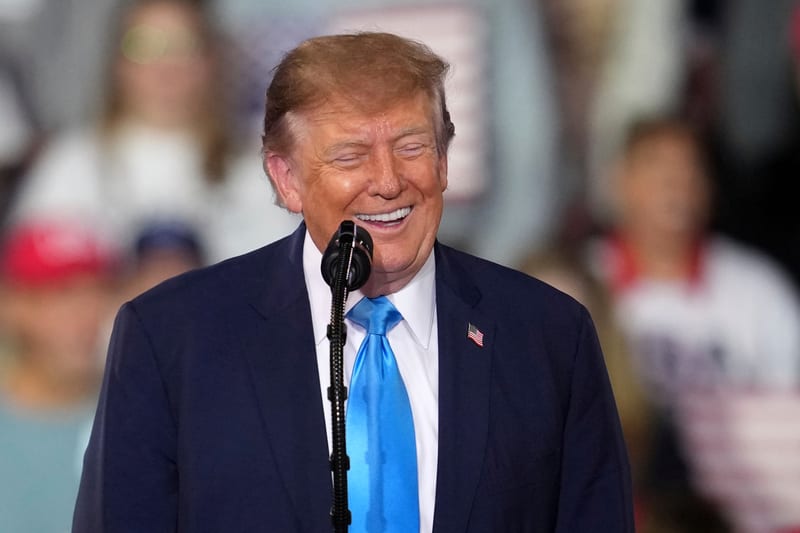
But for those backing Republicans, it's less about the president. Back in 2018, most Republican voters said their vote was to support Mr Trump. That figure is lower today.
The Senate races drew a lot of attention, especially in states like Alaska, Iowa, Kansas, Maine, Ohio, and Texas. The Cook Political Report even called these toss-ups, making them anyone’s game. Michigan, South Carolina, and a few others weren’t far behind; plenty of eyes were glued to those as well. For Democrats, the math was simple: flip four seats and the Senate seats are theirs. Republicans, on the other hand, fought hard to keep their grip on the majority.
Over in the House, things were just as tense. Democrats needed to grab only three more seats to take control, and the Cook Political Report thought they could net up to 25. Twenty-three of those House races? Too close to call. That left both parties on edge.
The day didn’t just revolve around Congress. Trump sent letters to at least 20 Democrats, hinting they were under a criminal investigation tied to confusion at the polls in Alaska, though that didn’t guarantee any charges ahead.
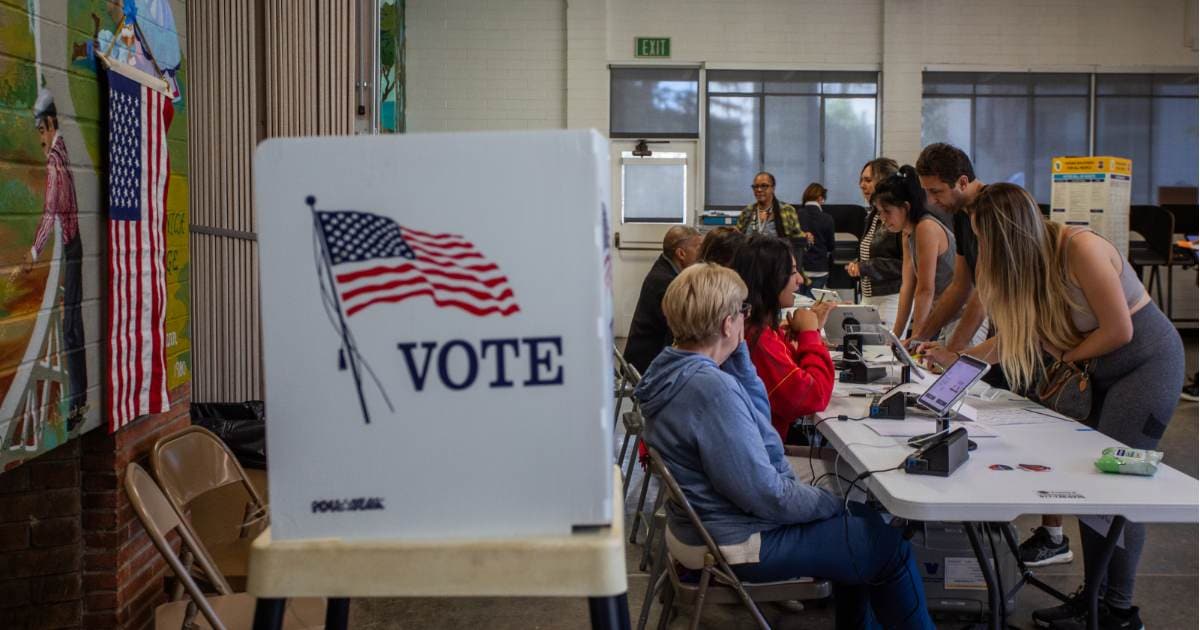
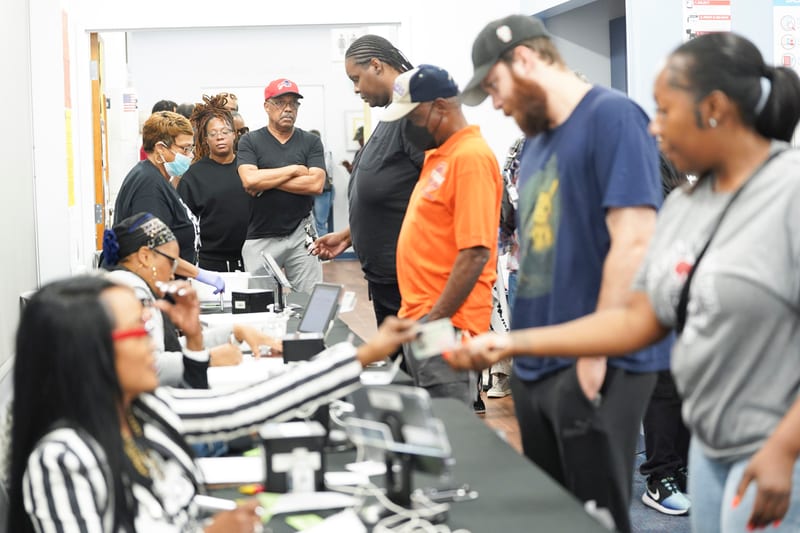
In Georgia, Secretary of State Brad Raffensperger said the state looked ready to hit 1.2 million ballots cast on Election Day. And in Florida, Governor Ron DeSantis warned Republicans: if they didn’t show up to vote, they’d be handing over some major victories. It was a day packed with high stakes and drama on every front.