Trump takes mail-in ballot fight to Supreme Court and voters are caught in the middle
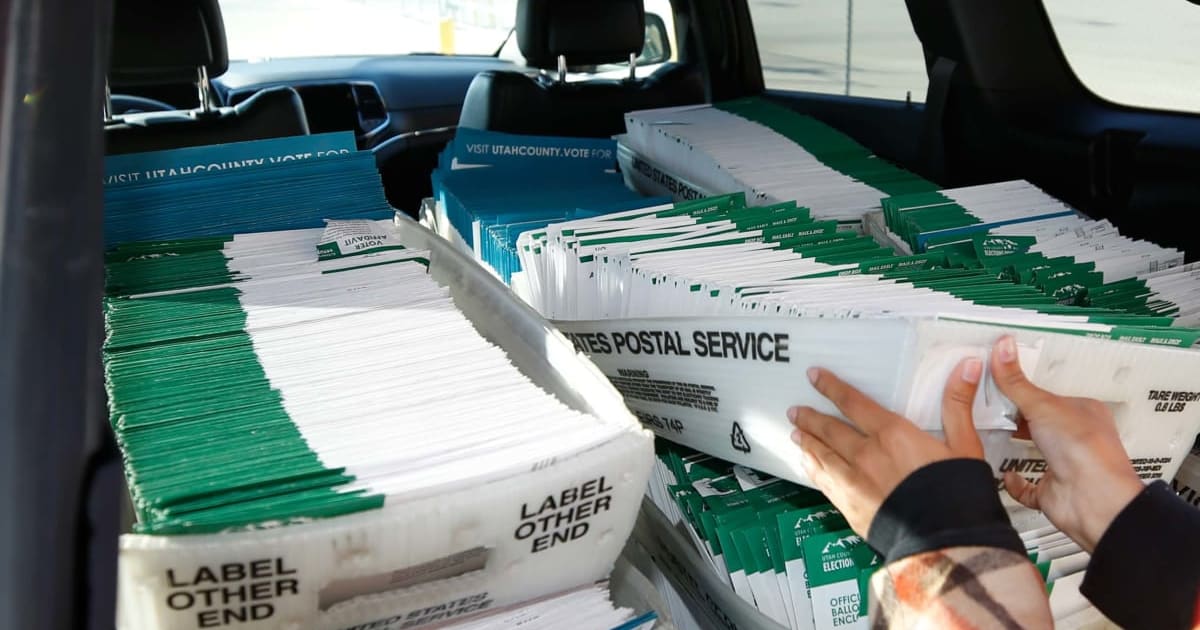
WASHINGTON, DC: The Trump administration is again asking the Supreme Court to clear the way for new restrictions on mail-in voting, bringing a legal fight over ballots, the Postal Service and the November midterm elections closer to the nation's highest court.
🚨 The Trump administration has again urged the Supreme Court to lift Judge Indira Talwani’s injunction against President Trump’s election executive order, arguing USPS’s final mail-ballot rules confirm her ruling was based on policies the agency ultimately did not adopt. pic.twitter.com/v3kx2O6NuT
— SCOTUS Wire (@scotus_wire) August 24, 2026
The latest push comes after the US Postal Service finalized a rule that would impose new requirements on states using mail ballots.
The rule remains blocked by federal court injunctions, but USPS has said it is prepared to put it into effect if the courts allow it.
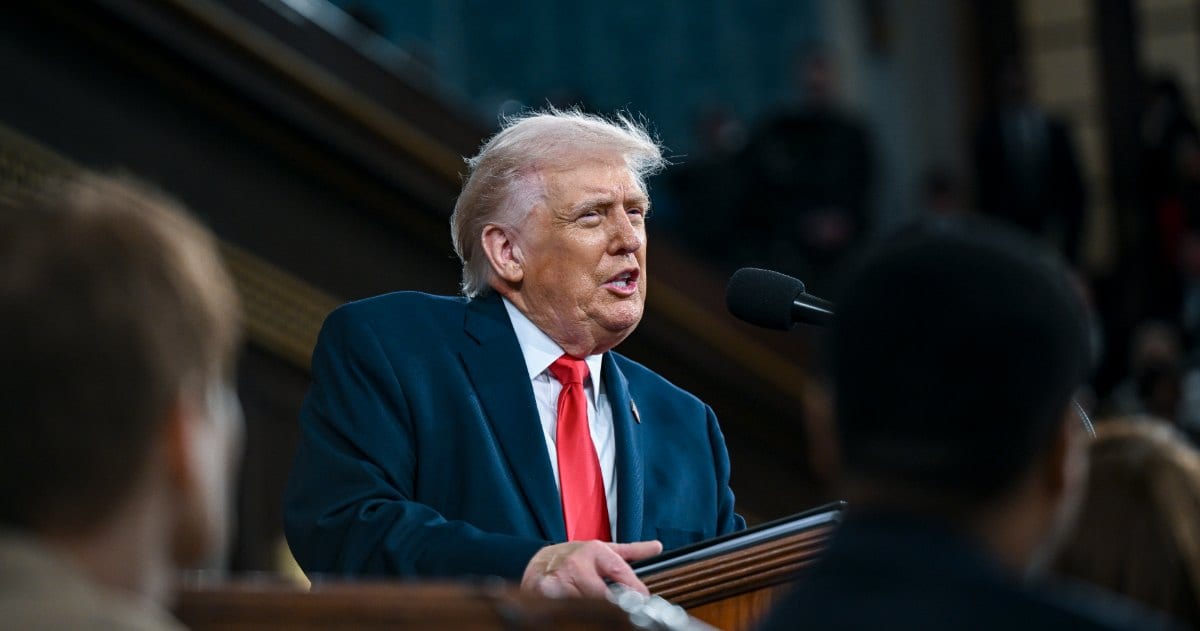
Trump administration presses Supreme Court again
The Justice Department has asked the Supreme Court to lift injunctions issued by US District Judge Indira Talwani, who blocked parts of Trump's March executive order on election procedures.
The administration argues that the lower courts acted before federal agencies took final actions that caused concrete harm.

In its Supreme Court filings, the government has sought permission to continue implementing the president's directive while the legal challenges proceed.
Trump's executive order called for changes involving citizenship verification and mail voting, including a role for the Postal Service in handling ballots under new federal standards.
USPS finalizes new ballot requirements
USPS has now issued a 95-page final rule covering mail ballots for federal elections.
Under the rule, states would be required to meet new standards, including providing lists of voters receiving mail ballots and using specific barcodes and envelope procedures.

The Postal Service said the rule would not be enforced while the court orders remain in place.
It published the rule so it could move quickly if those injunctions are lifted before the November election.
The administration has said the measures are intended to strengthen election integrity.
Opponents have challenged whether the federal government and USPS have the authority to impose the changes on state-run elections.
Judge blocks changes before November
Talwani has issued rulings blocking the mail-ballot provisions for the upcoming election, including a nationwide injunction in a separate case brought by voting-rights groups.
In her orders, the judge barred USPS from refusing to transmit mail-in or absentee ballots under the challenged provisions while the legal fight continues.
The earlier litigation also involved a group of states that challenged the executive order's election provisions.
The dispute has become increasingly urgent because the November 3 midterm elections are approaching and election officials are already preparing ballots and voting procedures.
For voters who rely on mail
For millions of Americans, voting by mail is not simply a matter of convenience. It is often the way they cast a ballot when getting to a polling place is difficult or impossible.
That includes military personnel serving away from home, Americans living overseas, older voters, people with disabilities and residents of rural or remote communities.

The Trump administration's push to lift the court order has therefore put fresh attention on the people who depend on the Postal Service during election season.
The proposed USPS rules remain blocked for now, meaning existing state and local mail-voting procedures remain in place.
If the Supreme Court allows the rules to proceed, states and election officials could face new federal postal requirements ahead of the November midterms.
For voters who rely on a ballot arriving and being processed by mail, the court's decision could directly affect the system they use to vote.
What this could mean for voters
For now, Americans can continue following their existing state and local rules for mail and absentee voting because the proposed federal changes remain blocked.
If the Supreme Court lifts the injunction, the Postal Service could begin enforcing the new requirements ahead of the midterm elections.
States and election officials would then have to follow the rules for mail ballots covered by the framework.