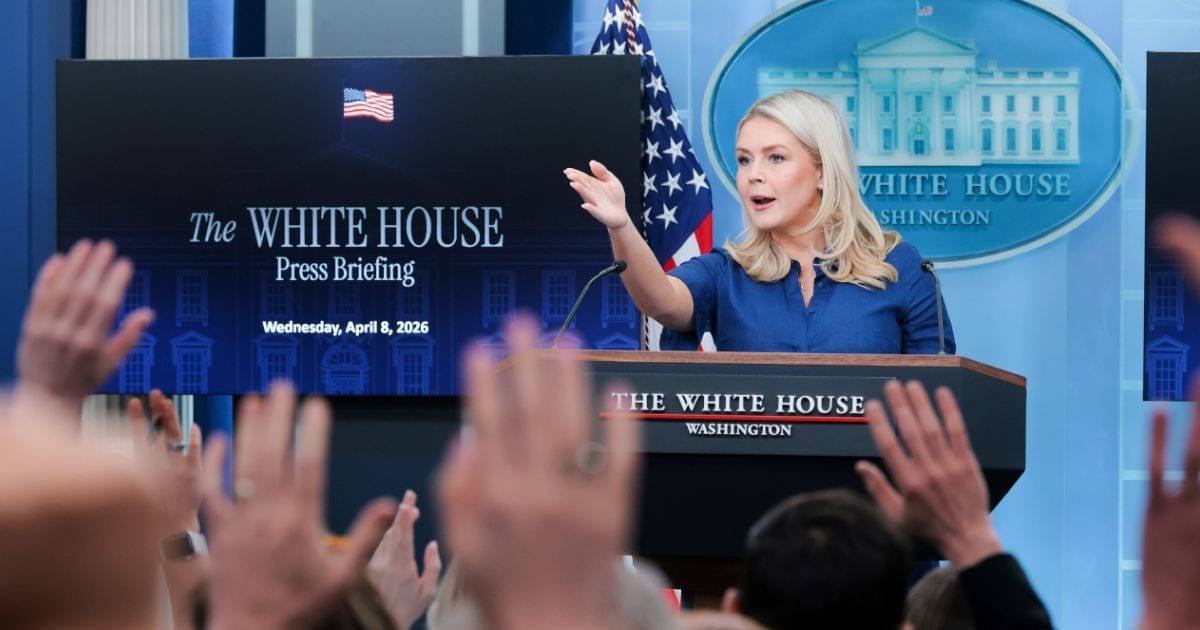
'We don't need Canada': Trump's warning comes with a 50% catch
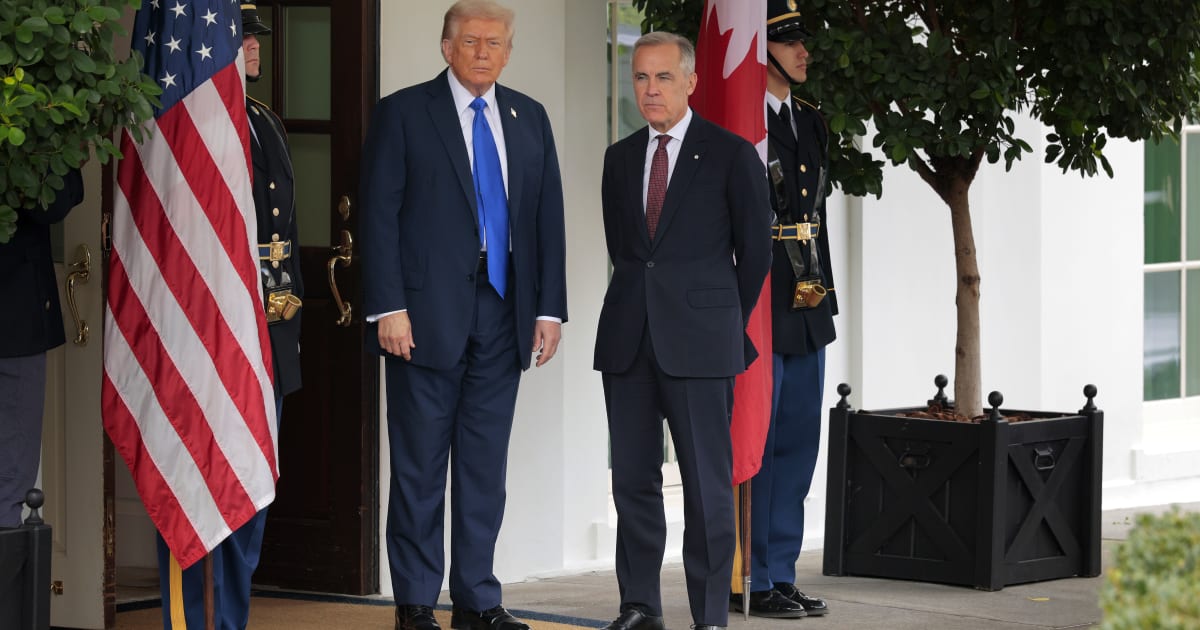
WASHINGTON, DC: President Donald Trump issued a fresh warning to Canada on Monday, August 24, saying the United States does not need its northern neighbor and threatening tariffs of up to 50% as a bitter trade dispute between the two countries continued to escalate.
In a social media post, Trump accused Canada of imposing high tariffs on American farmers and other producers and said the country would face consequences if the situation was not resolved.
“WE DON’T NEED CANADA, THEY NEED US!” Trump wrote, adding that tariffs on Canadian automobiles, trucks, auto parts, and steel could rise to 50%.
He said products made in the United States would not face tariffs.
Trump's remarks came days after the US imposed 50% tariffs on roughly $20 billion worth of Canadian goods following the collapse of trade negotiations between Washington and Ottawa.
Trump issues fresh tariff warning
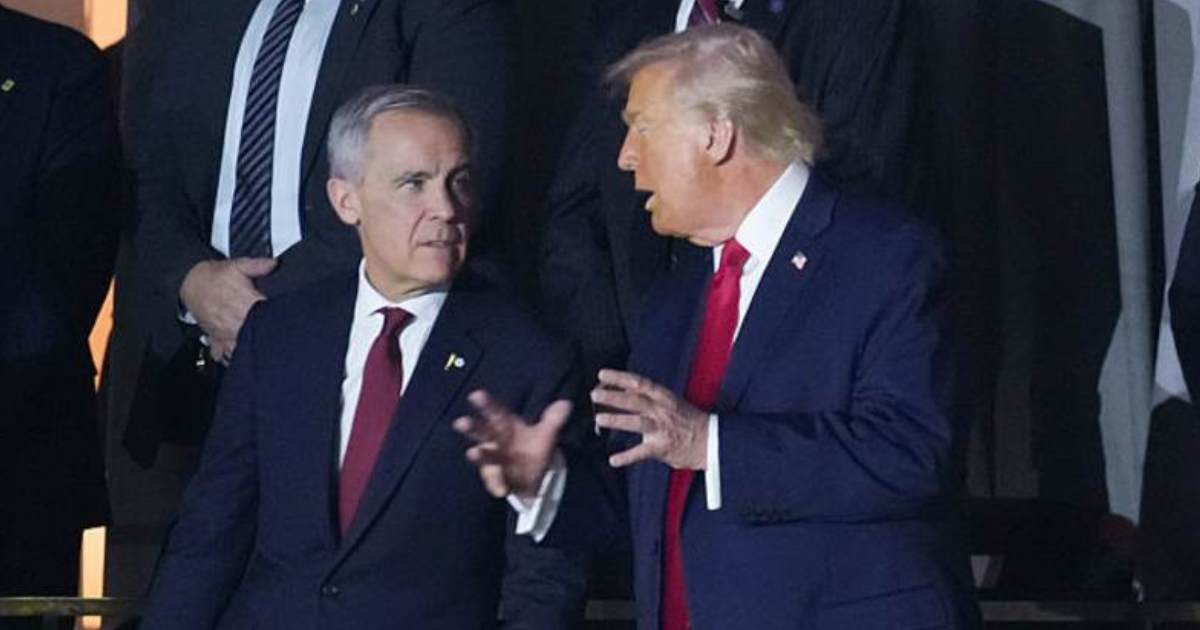
Trump's post took aim at several areas of the trade relationship, including Canadian tariffs affecting American farmers and restrictions involving automobiles and steel.
He said the US would impose 50% tariffs beginning January 1, 2027, unless Canada changed its approach.
Trump also repeated his long-running criticism of the US-Canada trade relationship, saying America had been treated unfairly.
The president's comments followed a series of tariff actions against Canada under Section 338 of the Tariff Act of 1930.
The White House has said the measures were imposed in response to what the administration described as discriminatory treatment of American products.
Trade talks ended without agreement
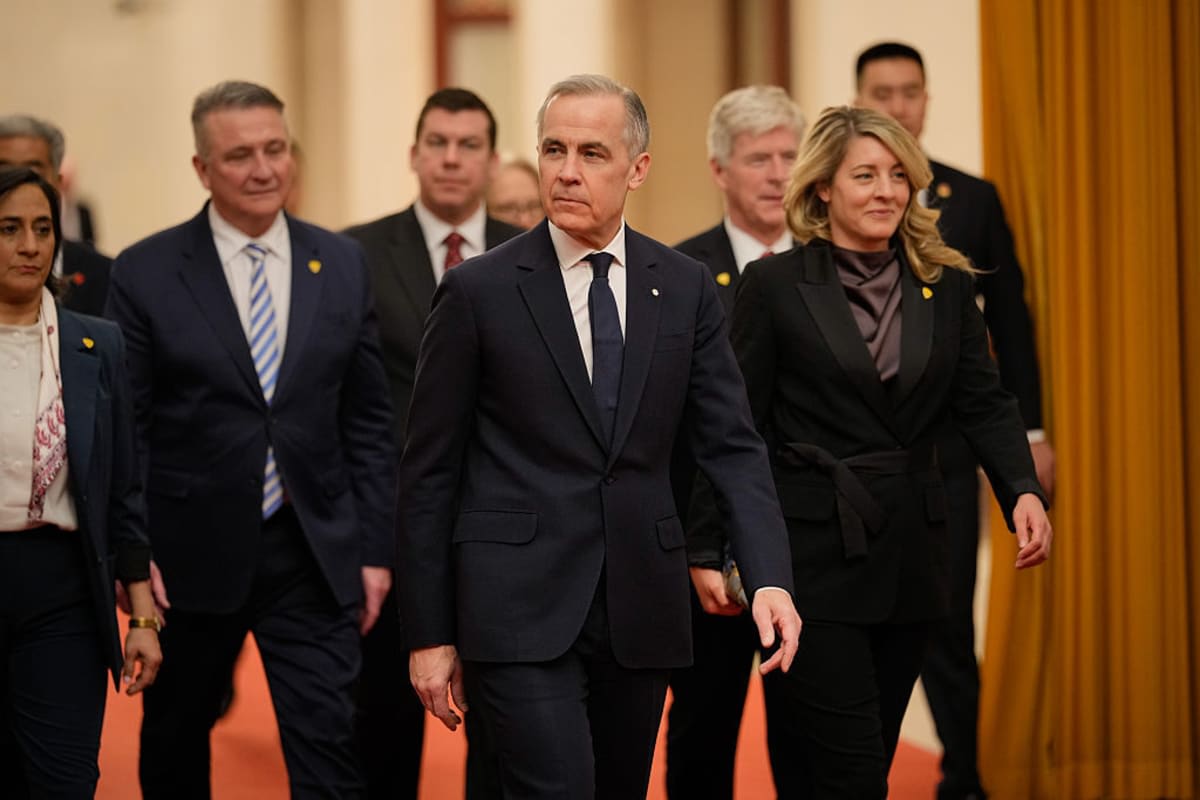
The latest escalation followed negotiations between the US and Canada that failed to produce a deal.
The US imposed new 50% tariffs on a range of Canadian imports on August 22 after the talks broke down.
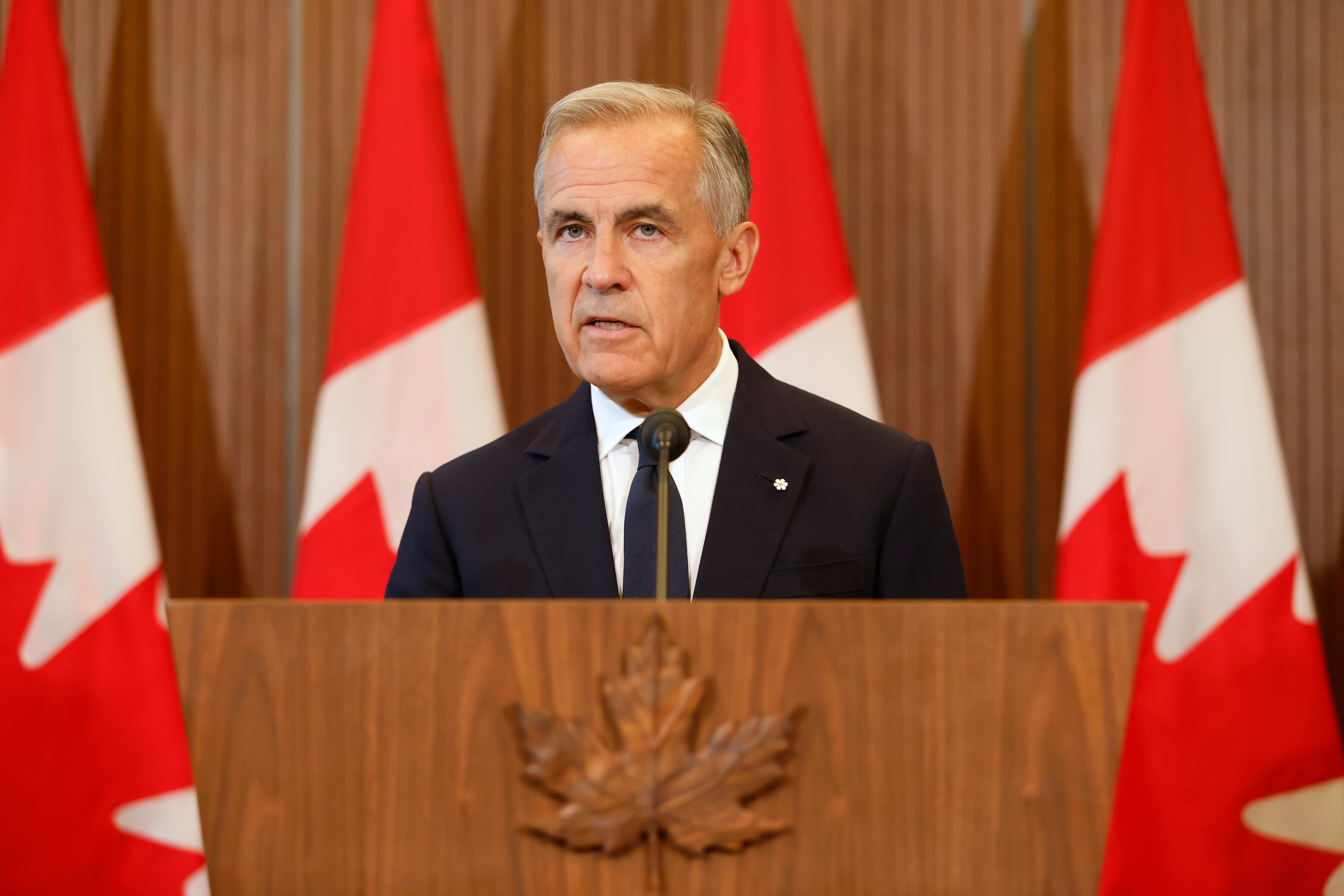
Canadian Prime Minister Mark Carney said Canada would respond with tariffs of its own, matching the US measures “dollar for dollar.”
Canada also suspended trade negotiations with Washington after the latest round of talks failed.
Canada promises retaliatory response
My statement on Canada-U.S. trade negotiations: pic.twitter.com/65OuQH40ra
— Mark Carney (@MarkJCarney) August 22, 2026
Carney has said his government remains focused on protecting Canadian workers and businesses while dealing with the fallout from the dispute.
Canada's planned retaliatory measures are set to target US products, further raising the prospect of a prolonged trade fight between the two neighboring countries.
Trump's latest post now puts another tariff threat on the table, with the president making clear that he expects Canada to change its trade policies.
What 50% tariffs could mean
Trump's proposed tariffs could raise costs for American businesses that rely on Canadian goods and materials, while also putting US exporters at risk if Canada responds with tariffs of its own.
For consumers, the impact would depend on which products are ultimately covered and how companies pass those higher costs along.