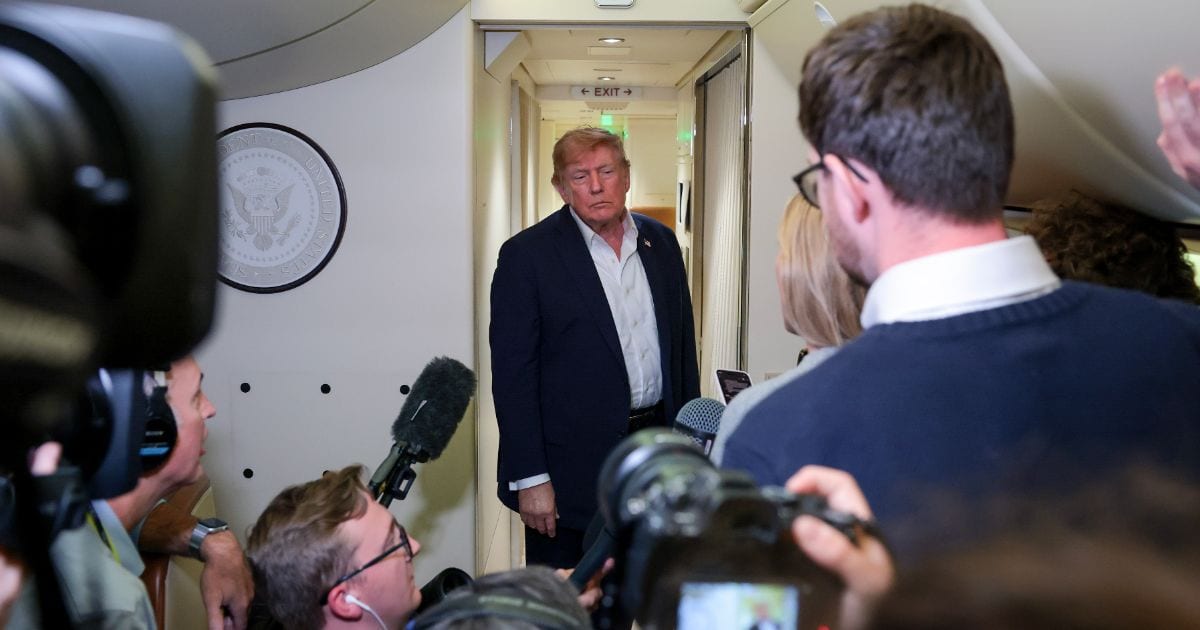
'A win for election integrity': Appeals court revives USPS' Trump-backed mail-in ballot rule
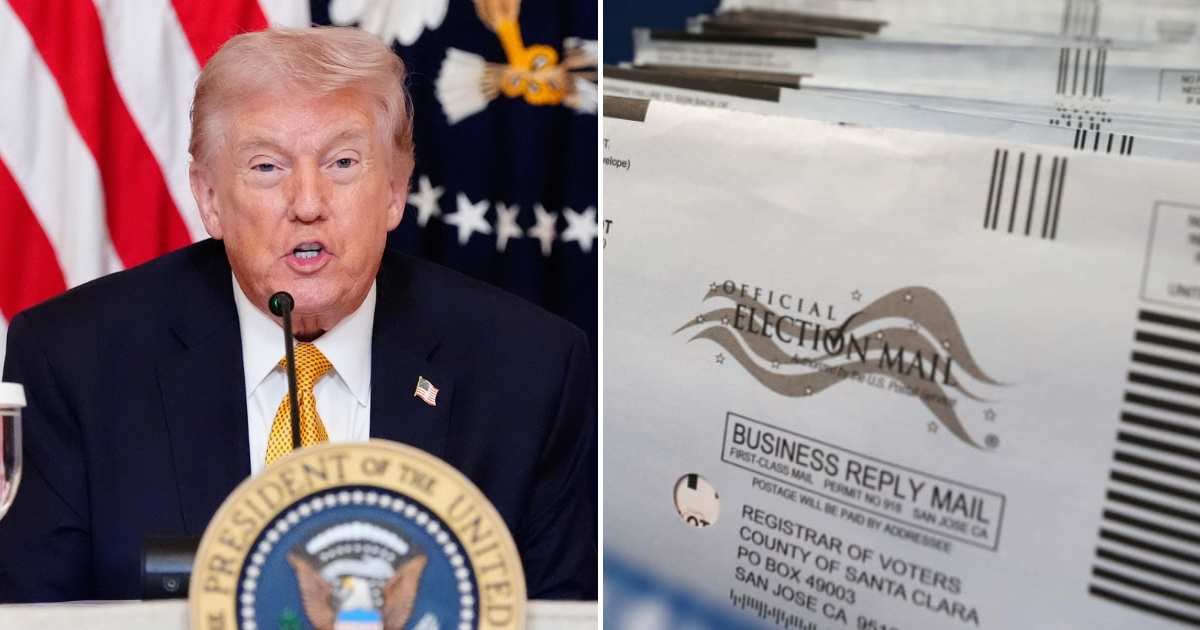
WASHINGTON, DC: A federal appeals court on Friday, July 17, temporarily revived a Donald Trump-backed US Postal Service proposal that would require states to provide absentee voter lists and meet new ballot tracking standards before USPS processes mail-in ballots. The decision pauses a lower court order that had blocked the proposal while legal challenges continue.
The ruling allows USPS to continue developing the rule ahead of the 2026 midterm elections, though it does not determine whether the proposal is ultimately lawful. Voting rights groups have argued the measure could restrict mail-in voting, while the Trump administration says it is intended to strengthen election security.
Appeals court allows USPS to continue mail-in ballot proposal
The US Court of Appeals for the District of Columbia Circuit granted the Postal Service's request to temporarily lift an injunction issued by US District Judge Emmet Sullivan, who had barred USPS from implementing the proposal.
Once finalized, the proposal would require states to submit lists identifying voters eligible to cast absentee or mail-in ballots, along with standardized ballot barcodes and tracking information, before USPS agrees to process election mail. States that fail to meet those requirements could face restrictions on how their mail ballots are handled.
🚨 JUST IN — TRUMP WINS IN COURT: Federal court UPHOLDS the US Postal Service advancing President Trump’s requirement to mandate states send in their voter rolls for citizenship checks, if they want their ballots mailed in the midterms — for now
— Eric Daugherty (@EricLDaugh) July 18, 2026
The order also requires proper… pic.twitter.com/w4QeHei6HZ
The lawsuit was brought by the NAACP, which argued the proposal violates a 2021 settlement requiring USPS to prioritize the timely delivery of election mail through 2028. Judge Sullivan agreed earlier this month and blocked the agency from moving forward.
However, the appeals court found USPS had shown it was likely to succeed on appeal, writing that the legal challenge appeared premature because the proposal has not yet been finalized. The judges also said keeping the injunction in place could prevent USPS from completing the rule-making process before the November 2026 midterm elections.
🚨 The D.C. Circuit has temporarily allowed the U.S. Postal Service to move forward with its proposed election-mail rule requiring states to submit voter lists and serialized ballot barcodes before USPS will mail federal ballots, staying a district judge's order. pic.twitter.com/MRfGcBWa8S
— SCOTUS Wire (@scotus_wire) July 17, 2026
In its order, the three-judge appellate panel wrote that the NAACP's challenge appeared "likely neither constitutionally nor prudentially ripe for review," suggesting the legal challenge may have been filed before a final rule had been adopted.
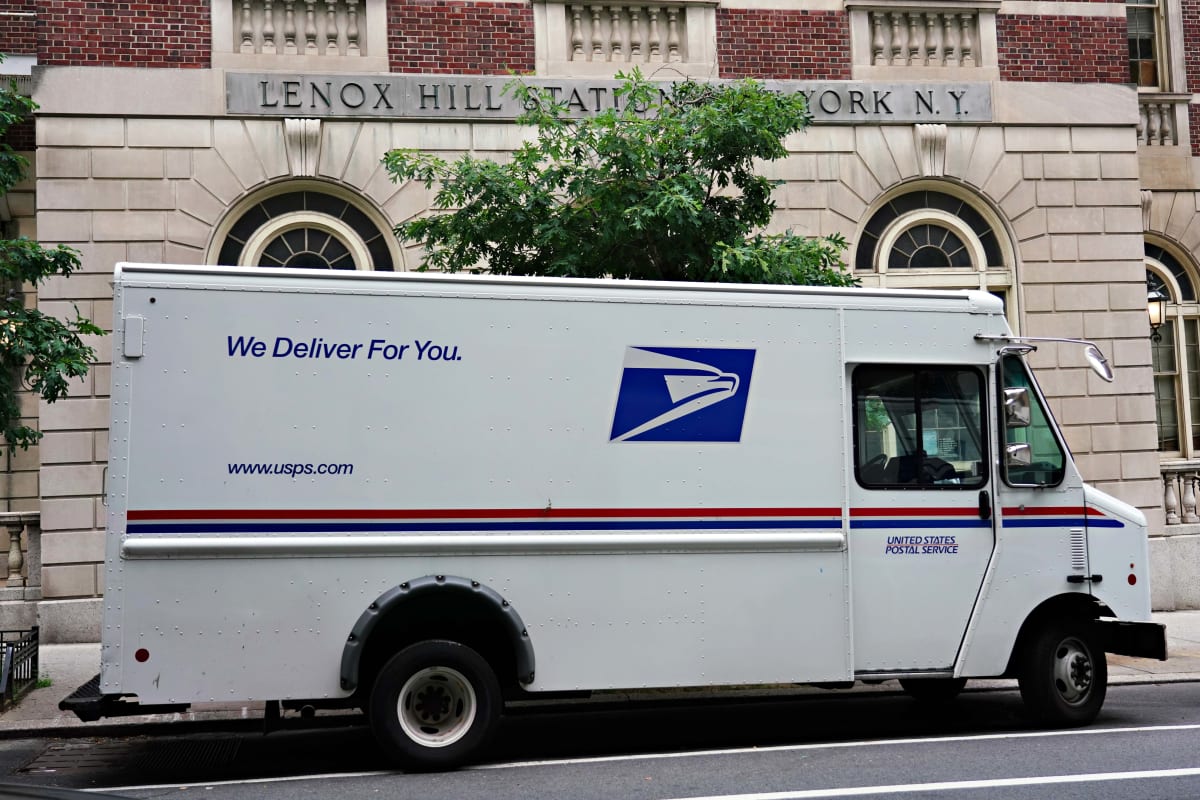
The ruling does not resolve the case but temporarily allows the Postal Service to continue working toward issuing a final rule.
Proposal stems from Trump's executive order on election integrity
The USPS proposal stems from Trump's March executive order titled, "Ensuring Citizenship Verification and Integrity in Federal Elections."
The order directed federal agencies to develop state-specific lists identifying confirmed US citizens and called on USPS to handle mail-in and absentee ballots only for voters appearing on those approved lists.
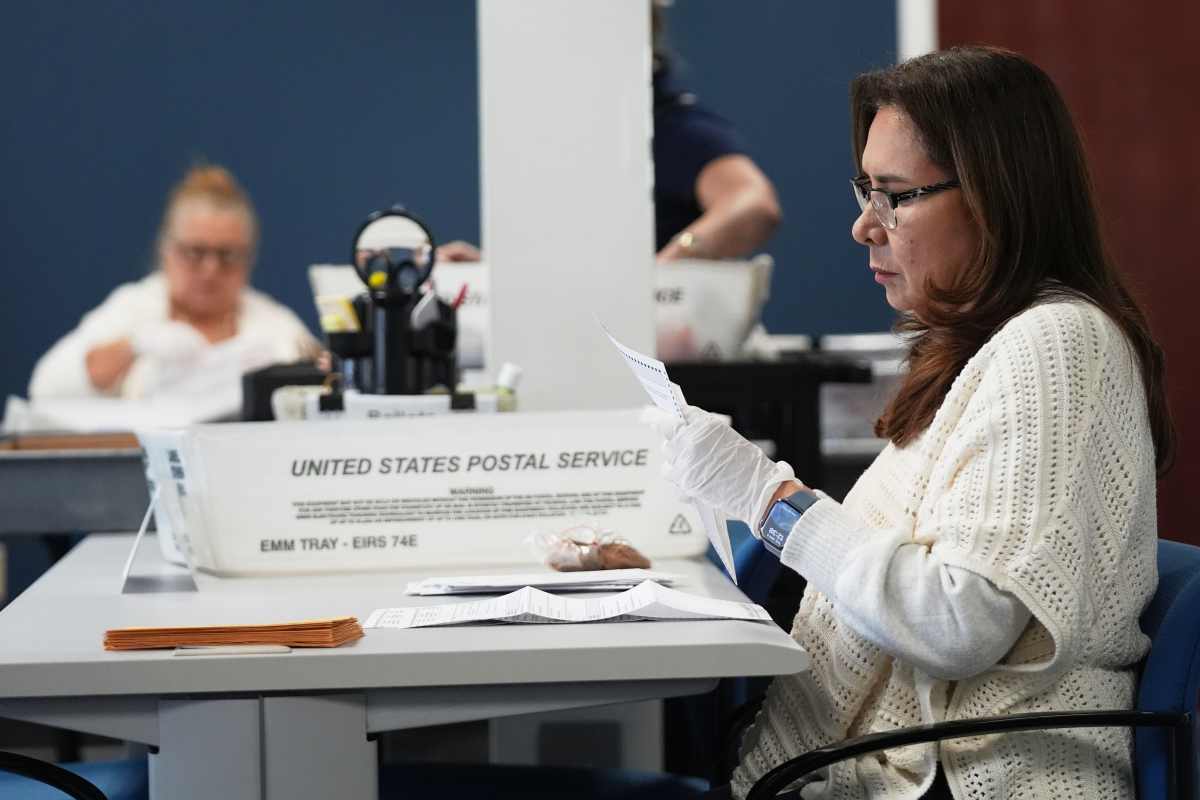
To implement that directive, USPS proposed requiring states to share absentee voter rolls, adopt standardized ballot formats and include serialized barcode tracking before election mail would be processed.
Supporters argue the changes would improve voter verification and ballot security. First Assistant US Attorney Bill Essayli said Friday's ruling was "a win for election integrity" and claimed it "would have significant implications for states like California that refuse to submit their voter rolls to verify compliance with federal election laws."
This ruling is a win for election integrity and would have significant implications for states like California that refuse to submit their voter rolls to verify compliance with federal election laws. https://t.co/6p60ZKlYu1
— F.A. United States Attorney Bill Essayli (@USAttyEssayli) July 18, 2026
Opponents, including the NAACP, argue the proposal could disrupt established mail-in voting systems and conflict with USPS' obligation to prioritize election mail delivery.