Trump asks the Supreme Court for another shot at his mail-ballot plan
WASHINGTON, DC: The Trump administration on Wednesday, August 12, asked the US Supreme Court to intervene after a federal judge expanded a nationwide block on President Donald Trump's executive order tightening federal mail-ballot rules, setting up another legal battle over the administration's authority to regulate election procedures before the November midterm elections.
🚨 The Trump administration is urging the Supreme Court to quickly restore President Trump's election integrity executive order and make clear its ruling should also halt Judge Indira Talwani's new nationwide injunction against its proposed USPS mail-ballot rules. pic.twitter.com/bQxCY3gbEy
— SCOTUS Wire (@scotus_wire) August 12, 2026
The emergency filing asks the justices to pause US District Judge Indira Talwani's latest ruling, which prevented the US Postal Service from enforcing portions of Trump's directive nationwide.
The administration argues the lower court improperly blocked an executive order before federal agencies had taken actions that directly affected the plaintiffs.
Administration returns to high court
The Justice Department's latest filing follows Talwani's Tuesday ruling, which expanded an earlier injunction she issued in June after voting rights organizations challenged Trump's executive order.

The administration had already asked the Supreme Court to pause the June injunction. Wednesday's request asks the justices to extend any relief they grant to cover Talwani's latest nationwide order as well.
Justice Department lawyers argued that the lawsuits were filed before federal agencies implemented actions causing concrete harm, contending that the plaintiffs' claims remain speculative.
The administration maintains that the executive order falls within the president's authority to direct federal agencies involved in election administration.
Judge questions executive authority
Talwani ruled that regulating elections is primarily a responsibility assigned to the states under the US Constitution, concluding that the executive branch lacked authority to impose the challenged requirements through presidential action.
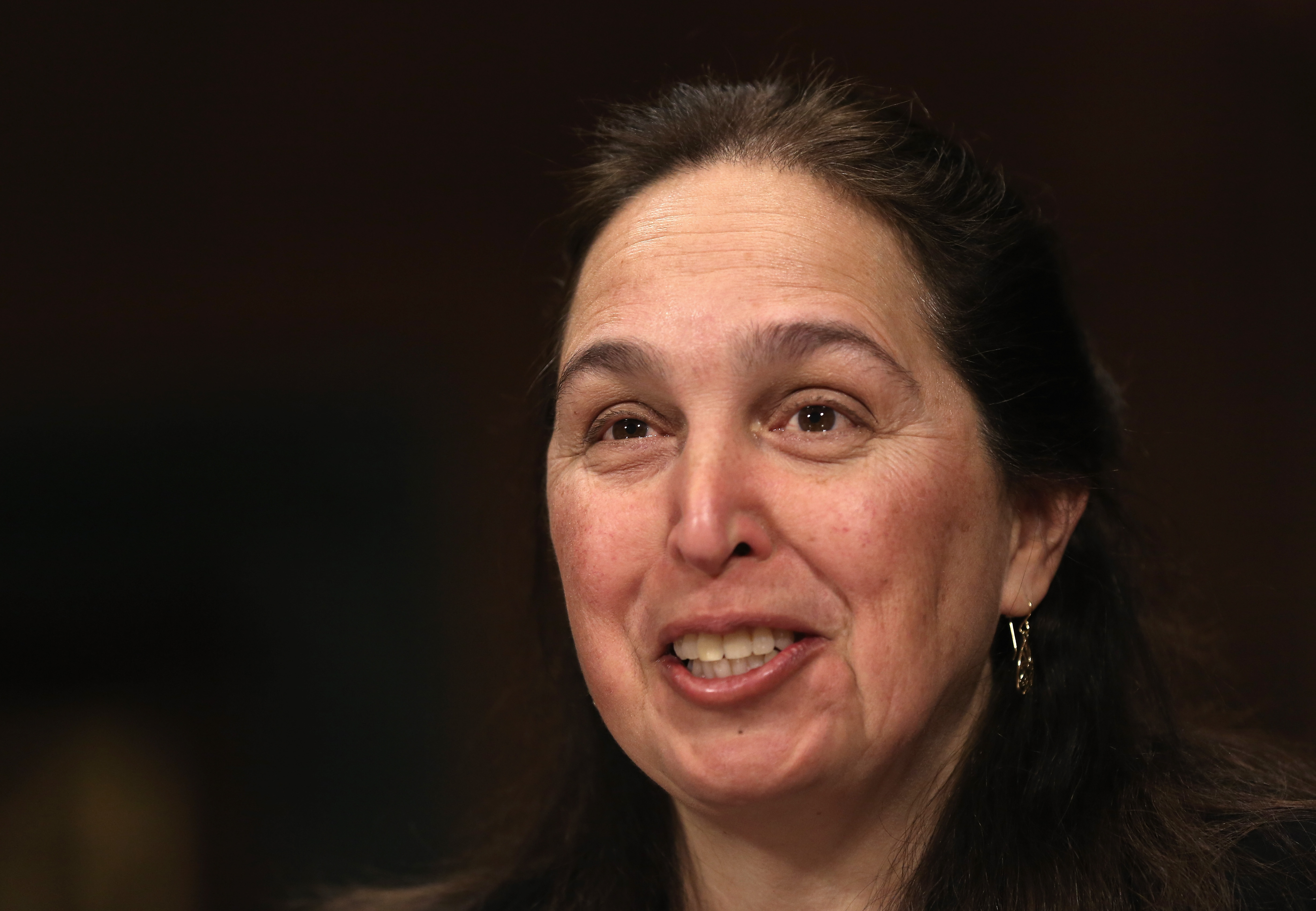
Her latest order specifically blocks the Postal Service from enforcing provisions tied to mail-ballot handling while the broader legal challenge continues in federal court.
The lawsuit was brought by several voting rights organizations represented by the American Civil Liberties Union, which argues the executive order exceeds presidential authority and unlawfully alters election procedures established under federal and state law.
Order targets federal agencies
Trump signed the executive order in March, directing multiple federal agencies to implement changes related to election administration.

Among its provisions, the order instructs the Department of Homeland Security to compile information related to voter eligibility and transmit it to states.
It also directs the Justice Department to prioritize investigations involving alleged unlawful voting in federal elections.
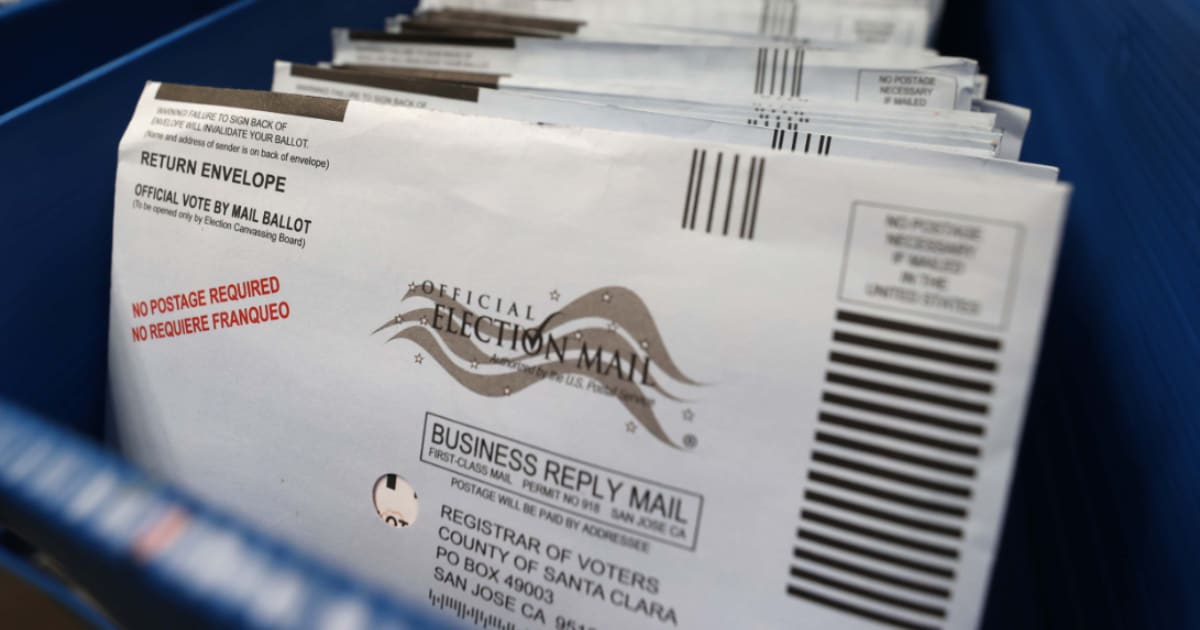
Another provision requires the US Postal Service to deliver mail ballots only to voters appearing on state-approved absentee ballot lists. That requirement became the focus of Talwani's latest ruling.
The Supreme Court has not indicated when it will act on the administration's emergency request.