Trump's birthright citizenship battle enters round 2
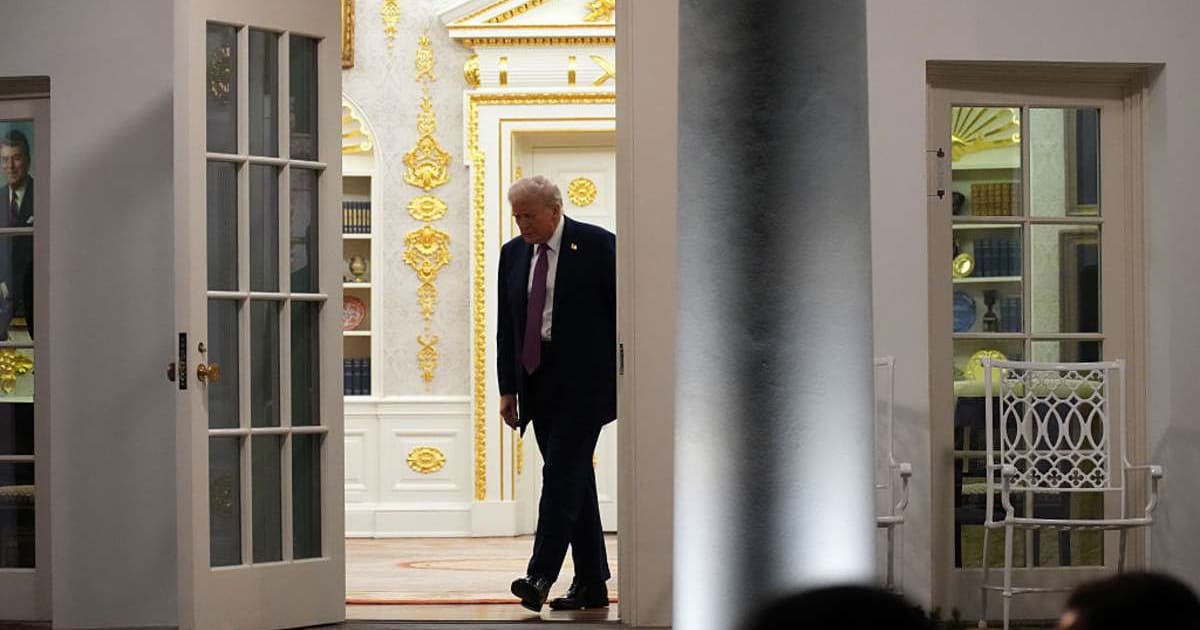
WASHINGTON, DC: President Donald Trump's latest attempt to narrow birthright citizenship has returned to federal court, with the American Civil Liberties Union (ACLU) arguing that his newly signed executive order seeks to create constitutional exceptions beyond those already recognized by the Supreme Court.
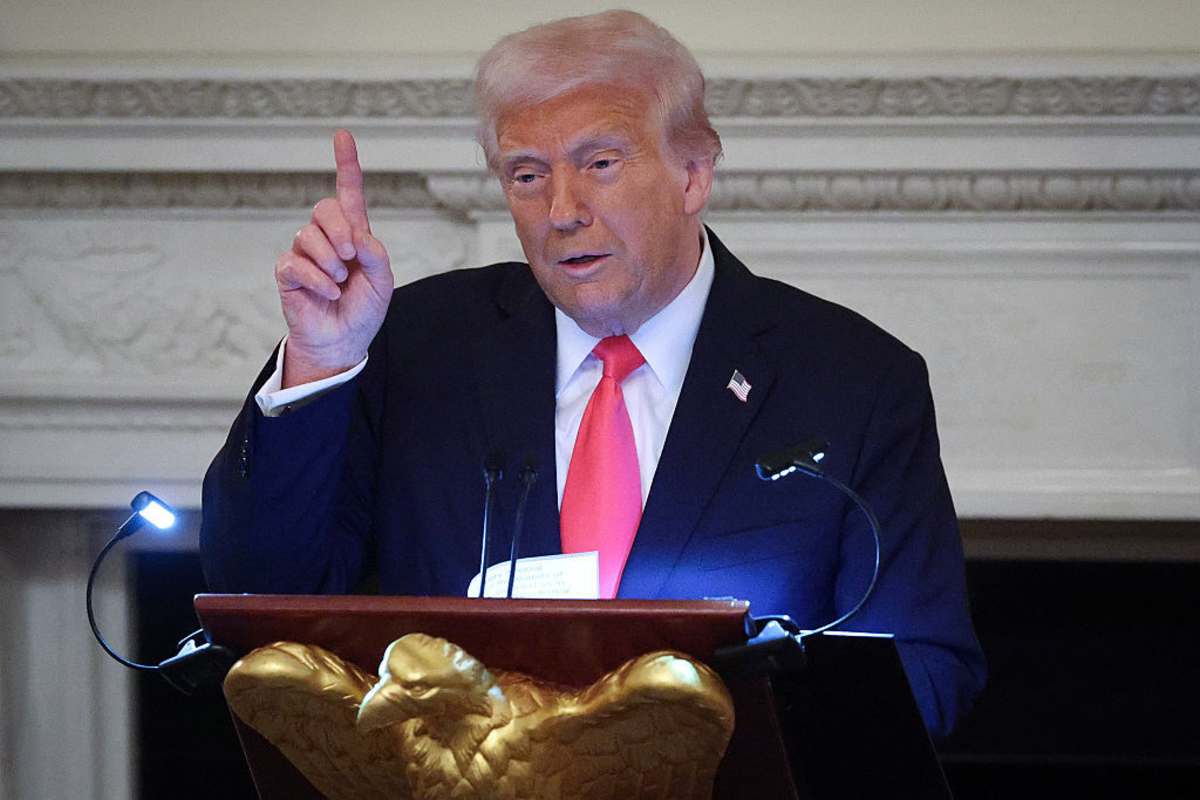
The legal challenge, filed on Tuesday, August 11, asks a federal judge in New Hampshire to block the revised order before it takes effect on September 6.
The ACLU contends that the administration is attempting to redefine who automatically becomes a US citizen at birth despite the Supreme Court's recent guidance on the scope of the Fourteenth Amendment.
ACLU challenges revised order

The motion was filed by the same legal team that successfully challenged Trump's original executive order targeting birthright citizenship.
According to court filings, Trump's revised order would deny automatic citizenship to certain children born on US soil, including those born to an "alien enemy," a "foreign government employee," or children born to parents who allegedly entered a commercial arrangement to secure citizenship, or individuals born in territories where citizenship is not granted by statute.
The ACLU argued the order attempts to create categories that are not recognized under the Constitution or federal citizenship law.
In its filing, the organization urged the court to clarify that the Supreme Court's earlier ruling prevents the administration from introducing additional executive-order-based exceptions, arguing that repeated legal challenges should not be required each time a revised policy is issued.
Supreme Court set clear limits

The renewed legal battle follows the Supreme Court's June decision addressing Trump's earlier executive order on birthright citizenship.
In that ruling, the court reaffirmed longstanding exceptions under US constitutional law, including children born to foreign diplomats, enemies occupying US territory, births on foreign public ships and certain historical tribal circumstances.
Justice Brett Kavanaugh, in a concurring opinion, wrote that those exceptions have historically been treated as a closed set rather than categories that can be expanded through later developments.
Chief Justice John Roberts also emphasized that citizenship is generally determined by place of birth rather than parental status.
The Trump administration, however, maintains that the categories identified in the revised order fall within existing constitutional interpretations.
Order faces another court test
The ACLU is seeking a court order clarifying that President Trump's new birthright citizenship EO violates Trump v. Barbara:
— Jordan Fischer (@JordanOnRecord) August 11, 2026
"If the President issues 100 orders seeking to create new exceptions to the sacred guarantee of the Citizenship Clause, all 100 will be equally illegal." pic.twitter.com/b7r6BmpXpO
The administration has defended the revised executive order as a lawful clarification of birthright citizenship rather than a replacement of existing constitutional standards.
The ACLU disagrees, arguing that none of the newly identified categories appear in the Constitution or federal citizenship statutes and asking the court to prevent the order from taking effect.
The order is scheduled to take effect on September 6. The federal court has not yet ruled on the ACLU's request.