Federal appeals court sides with Trump, blocks California law requiring federal agents to show ID
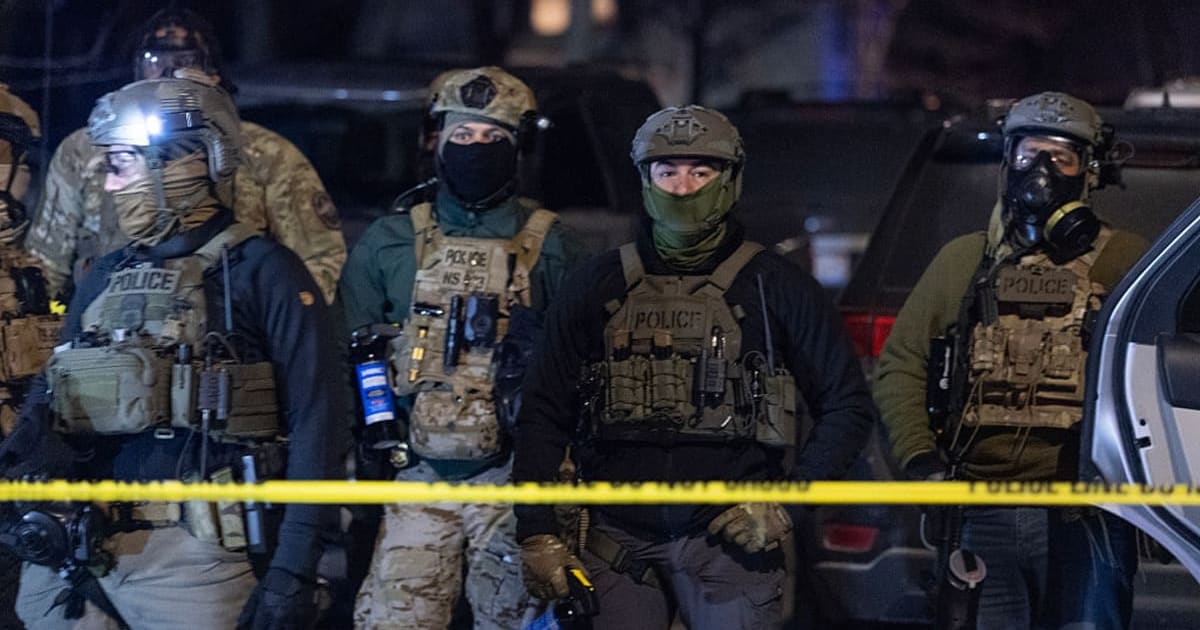
WASHINGTON, DC: A federal appeals court ruled that California cannot require federal immigration agents or other federal officers to display identification during enforcement operations.
The decision marks a legal victory for the Trump administration in its ongoing battle with California over immigration policy.
A three-judge panel of the Ninth Circuit Court of Appeals ruled that Section 10 of California’s “No Vigilantes Act” violates the Supremacy Clause of the US Constitution. The judges said the law attempts to directly control how federal officers perform their duties.
The ruling overturns a lower court decision and orders an immediate injunction, preventing California from enforcing the identification requirement against federal agencies and their personnel.
Ninth Circuit blocks California’s federal agent ID law
Judge Mark Bennett, writing for the panel, said the measure attempts to directly regulate the federal government as it carries out its own functions, something a state cannot do without authorization from Congress.
BREAKING: The Ninth Circuit ruled that California cannot require federal immigration agents and other federal officers to display identification during enforcement operations, finding the law violates the Constitution's Supremacy Clause. https://t.co/xynkrYFUgv
— SCOTUS Wire (@scotus_wire) October 14, 2026
Because law enforcement is a core government function, the court held that the identification mandate is invalid in every instance in which it applies to federal officers acting under federal authority.
The panel went beyond finding that the federal government was likely to prevail. It declared that the government was “certain” to succeed in its constitutional challenge.
The judges said the federal government was “certain” to win its constitutional challenge, setting a much higher bar than the standard typically required for a preliminary injunction.
California defended the law, arguing that it was permissible because it did not significantly disrupt federal enforcement. The panel disagreed.
The judges said that even limited interference is impermissible when a state attempts to directly control federal government actions.
In April, the panel had already temporarily blocked enforcement of the law’s identification requirement. Wednesday’s ruling addressed the constitutional issue more fully.
The three-judge panel comprised Obama appointee Jacqueline Nguyen and Trump appointees Bennett and Daniel Collins.
The judges agreed unanimously, a notable outcome given the Ninth Circuit’s reputation as a more liberal federal appeals court.
California’s No Vigilantes Act faces legal setback
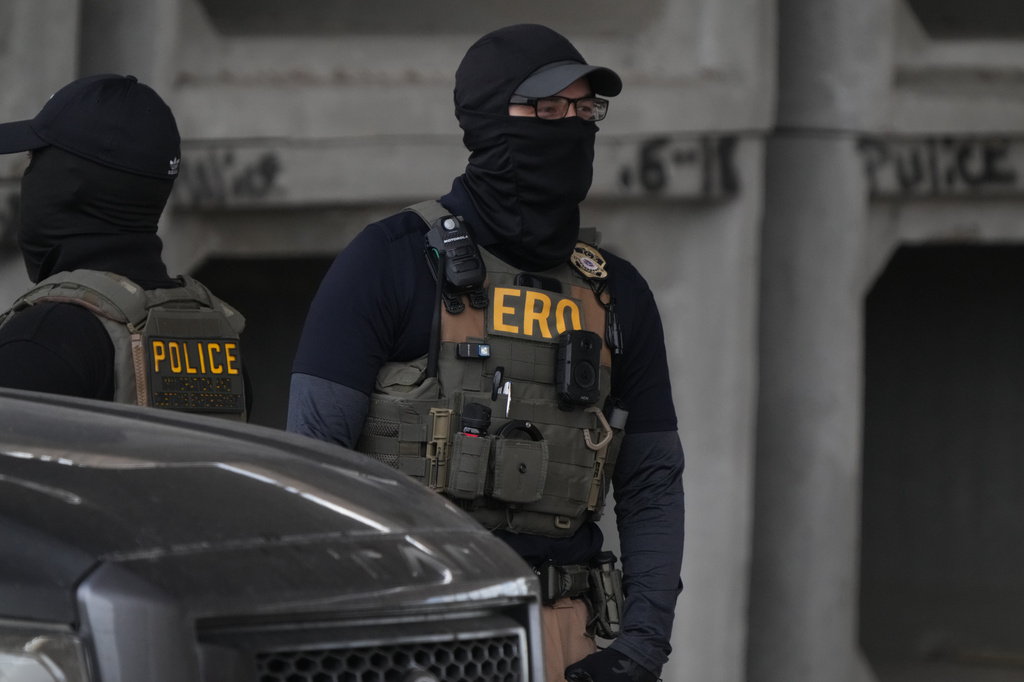
California enacted the No Vigilantes Act in 2025 after federal immigration sweeps across the state drew objections from Democratic officials. Many of the operations were carried out by masked agents in unmarked vehicles.
Gov Gavin Newsom signed the measure alongside the No Secret Police Act, which restricts officers from wearing face coverings.
The latter law was separately blocked by a district judge earlier this year.

With the appeals court siding with the Trump administration, California’s remaining options are narrowing to seeking a rehearing or petitioning the Supreme Court.
The decision marks another chapter in the ongoing legal battle between California and the Trump administration over immigration enforcement. Similar clashes have continued to surface in federal courts across the state during Trump’s second term.