Midterm 2026: What Trump's tariffs could mean for prices and jobs before Election Day
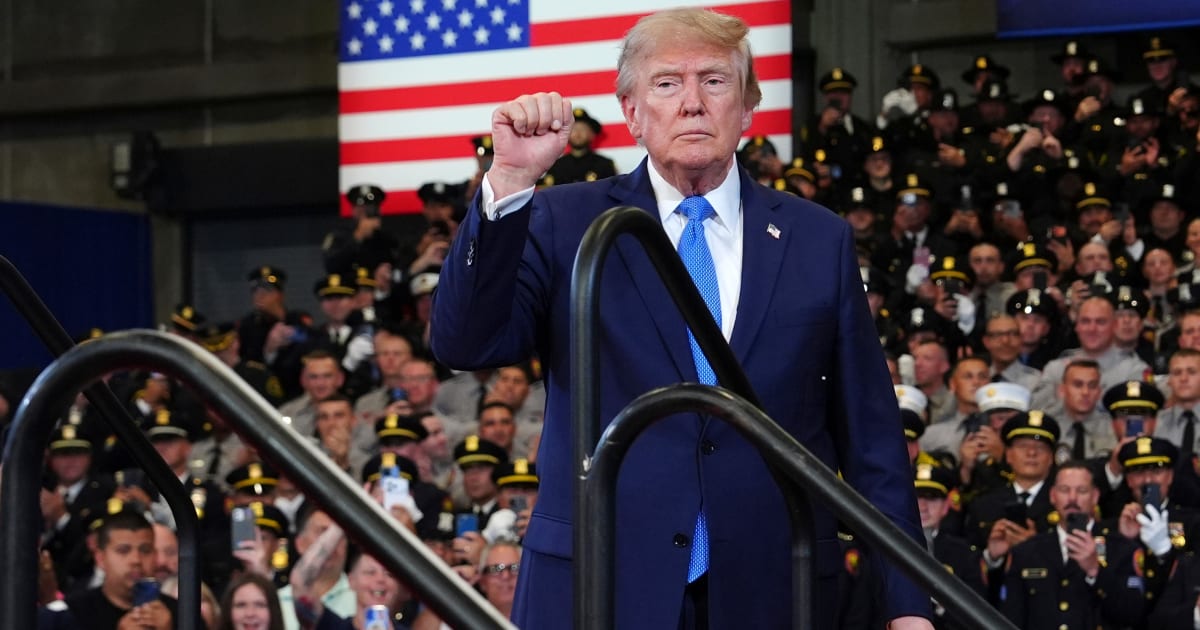
WASHINGTON, DC: President Donald Trump’s tariffs are intended to encourage domestic manufacturing, protect American workers and reduce reliance on foreign goods. But as voters prepare for the November 3 midterm elections, the policy is facing questions over whether it is delivering those benefits or adding to costs for households and businesses.
Research suggests that Americans are actually paying much of the tariff bill, and that the tariffs have both directly and indirectly impacted affordability and the job market for Americans, leading to rising unemployment figures and factory layoffs.
What tariffs are in place, and how do they work?
A tariff is a tax on goods brought into a country. In the United States, the importer generally pays the duty to the government when the goods enter the country. The importer can absorb the additional cost, negotiate a lower price with its overseas supplier or pass some or all of the expense on to retailers and consumers.
This US tariff system has, however, changed repeatedly under Trump. After the Supreme Court ruled in February 2026 that the administration could not use the International Emergency Economic Powers Act to impose certain broad tariffs, the government revoked those measures and turned to other trade laws. A temporary global 10% import surcharge was introduced under Section 122, which subsequently expired on July 24.
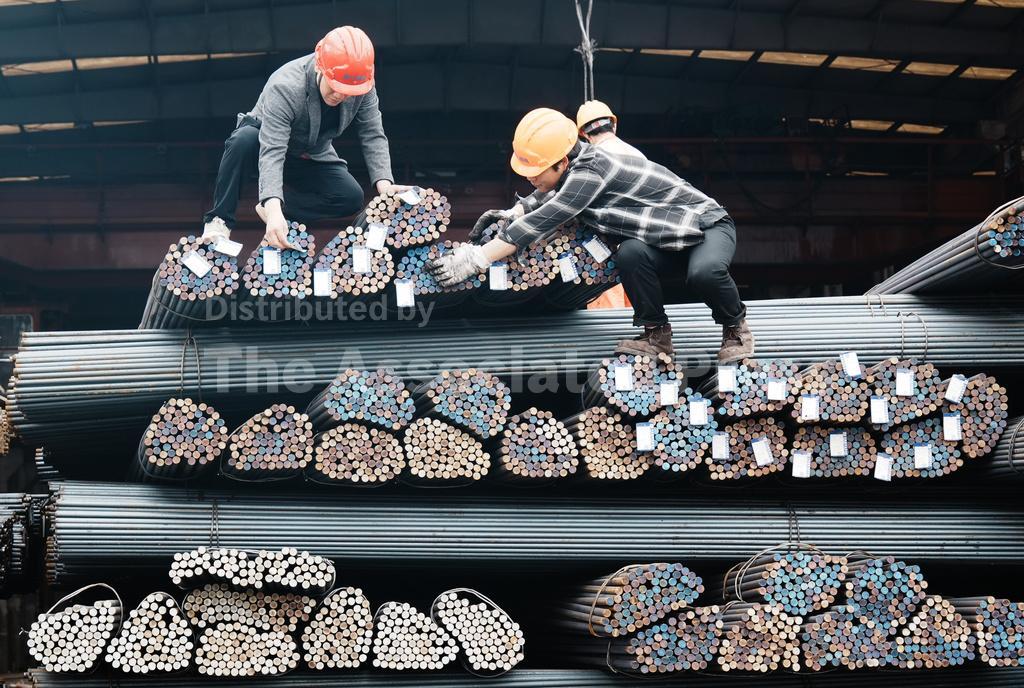
As of October, additional tariffs remain on selected imports from major trading partners, alongside product-specific duties covering goods such as steel, aluminium, copper and vehicles.
Who actually pays for Trump’s tariffs?
The administration has argued that the foreign countries and exporters bear much of the cost of tariffs. However, research by Kimberly Clausing and Maurice Obstfeld of the Peterson Institute for International Economics (PIIE) challenges that argument.
In their analysis, “Optimal tariffs” are far from optimal: Part 1, the economists explain that tariffs do not automatically force foreign suppliers to pay the tax. The importer in the United States is responsible for paying the duty, and whether the cost is shared with foreign suppliers depends on how prices and negotiations change.
Their review of recent research found that US consumers and businesses together bore about 90% of the tariff burden in 2025. Overseas suppliers have generally not cut prices enough to offset the full cost, leaving American importers to absorb the expense or pass it on.
The effect can take several forms. A retailer might raise prices on imported products, a manufacturer might pay more for materials and reduce its profit margin, or a foreign supplier might lower its price to retain US customers. Businesses may also delay price increases while waiting for policy changes or seeking exemptions, meaning the effects can emerge gradually.
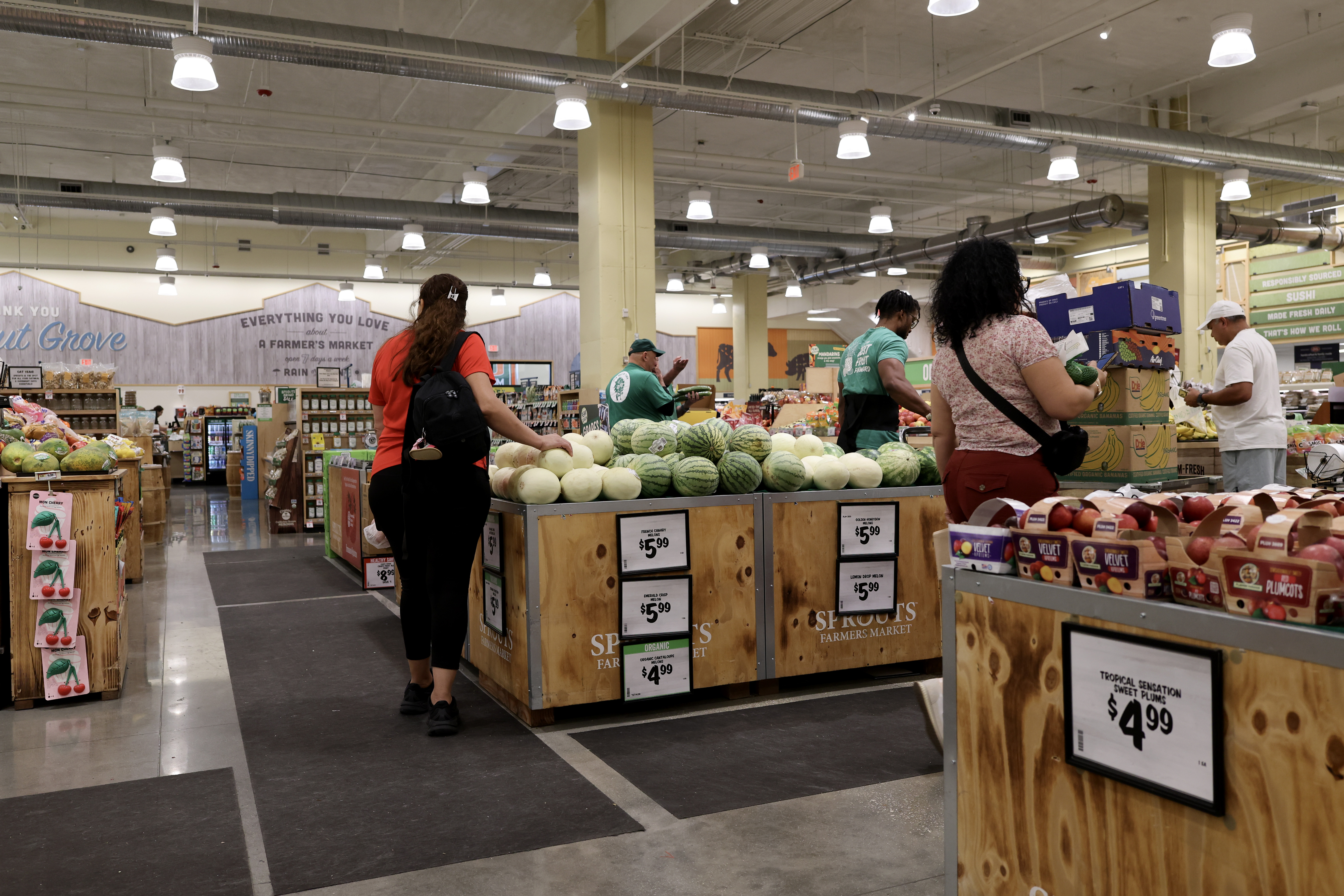
The impact is relevant to household budgets. A Council on Foreign Relations-Morning Consult poll found that 75% of Americans were concerned about affording food and groceries; among those concerned, 83% said tariffs increase the price of those goods. The survey also found widespread concerns about the affordability of clothing, footwear, pharmaceuticals and electronics.
Could tariffs make everyday products more expensive?
The potential effect depends on which goods and components are covered by the applicable duties. A tariff on imported steel or aluminium, for example, can increase costs for manufacturers that use those metals in vehicles, appliances or construction products. Duties on imported electronics and other components can also affect the cost of assembling products in the United States.
But a price increase after a tariff takes effect does not, by itself, prove the tariff caused it. Wages, transport expenses, energy prices, exchange rates, demand and other supply-chain costs can also affect retail prices. The impact varies by product and business, and companies may initially absorb some costs before adjusting prices.
The PIIE economists also argue that tariffs can distort production by encouraging companies to make goods domestically even when they could be produced more cheaply elsewhere. That may help selected domestic producers competing with imports, but it can also make goods more expensive for consumers and raise costs for US businesses that depend on imported materials.
Are tariffs creating American jobs or raising costs for businesses?
The latest available September 2026 employment data from the Bureau of Labor Statistics showed manufacturing employment rising by 9,000 during the month and increasing by 72,000 from its recent low in December 2025. That is evidence of a recent improvement, but it does not establish that tariffs created those jobs. Manufacturing employment remains affected by wider economic conditions, technological change, demand and business decisions.
Reports from affected companies illustrate the other side of the trade-off. The Associated Press reported that Michigan clockmaker Howard Miller closed its Zeeland factory last year, laying off nearly 200 workers. Former product designer Nelson Vandermeer said the company relied on overseas components and blamed tariffs for contributing to the loss of his job, although the company had also faced challenges before the tariffs.
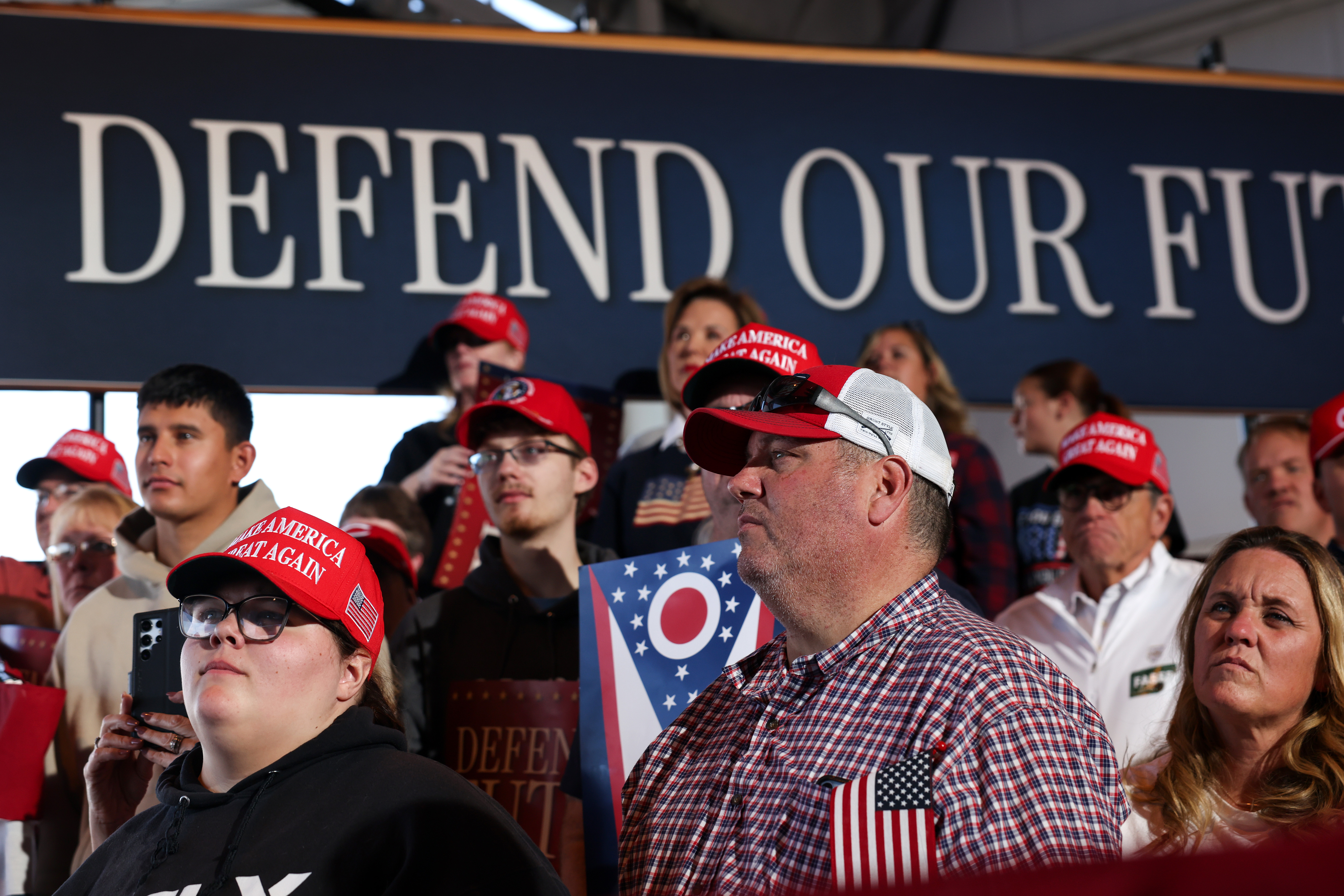
In Iowa, recreational vehicle manufacturer Winnebago Industries cut 200 jobs after import costs for aluminium, steel and electronics rose by tens of millions of dollars, according to the AP. However, these examples do not show that tariffs are responsible for every factory closure or job loss. They demonstrate how the policy can place additional pressure on businesses that rely on global supply chains.
What is Trump administration’s case for tariffs?
The Trump administration repeatedly maintains that the tariffs can rebuild American manufacturing, protect strategically important industries, reduce dependence on foreign suppliers and generate government revenue. The administration claims that tariffs make imported products less competitive, encourage companies to manufacture in the United States and support domestic jobs.
And some producers competing directly with imported goods may benefit from reduced foreign competition. However, the longer-term employment effects depend on whether businesses invest in US production and whether the gains outweigh higher costs elsewhere in the supply chain.
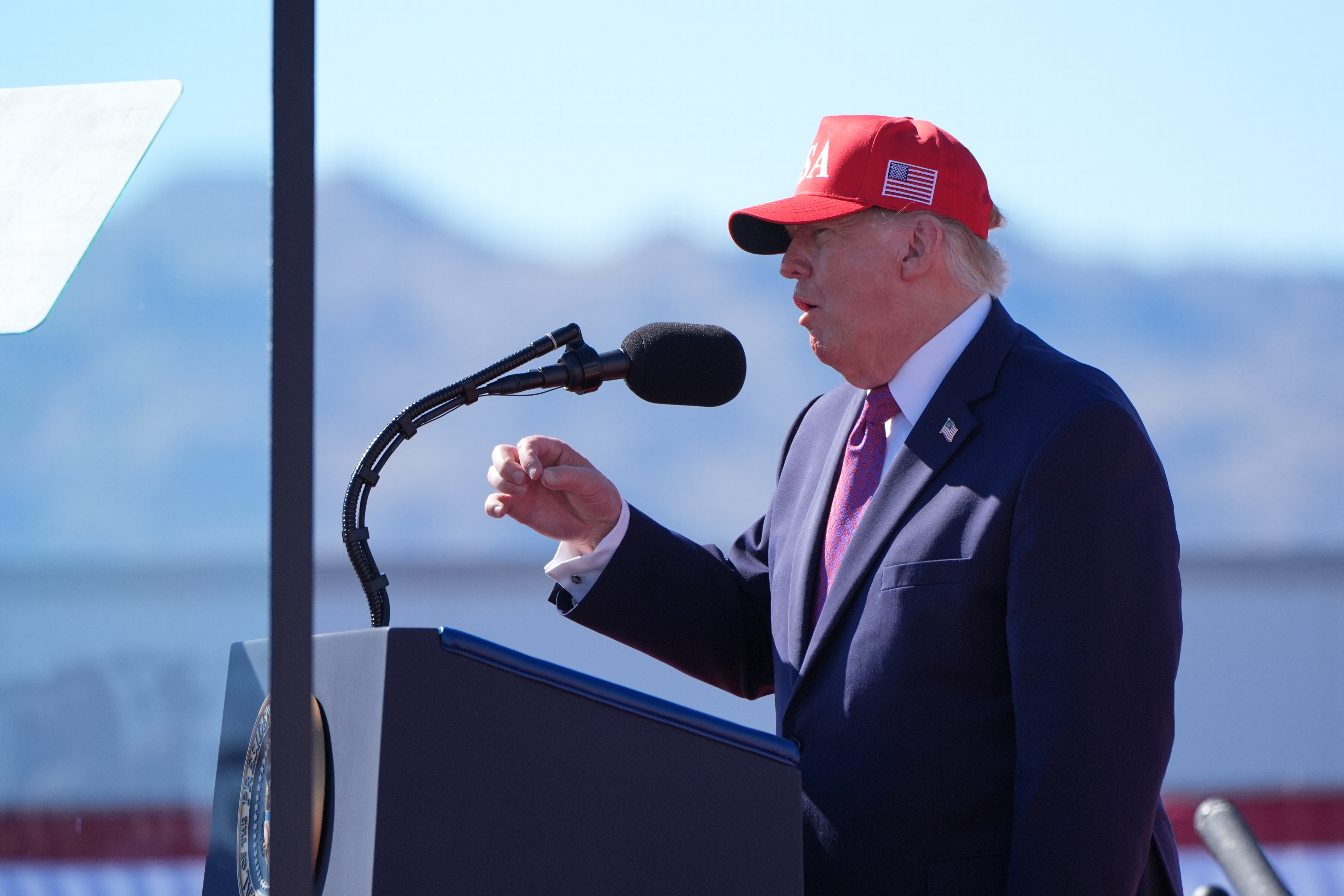
White House spokeswoman Taylor Rogers has pointed to manufacturing output and construction activity as signs of a potential recovery, saying that the “factory construction jobs of today mean more manufacturing jobs down the road once those factories come online.”