Trump declares Oval Office a national monument to prevent future presidents from making changes
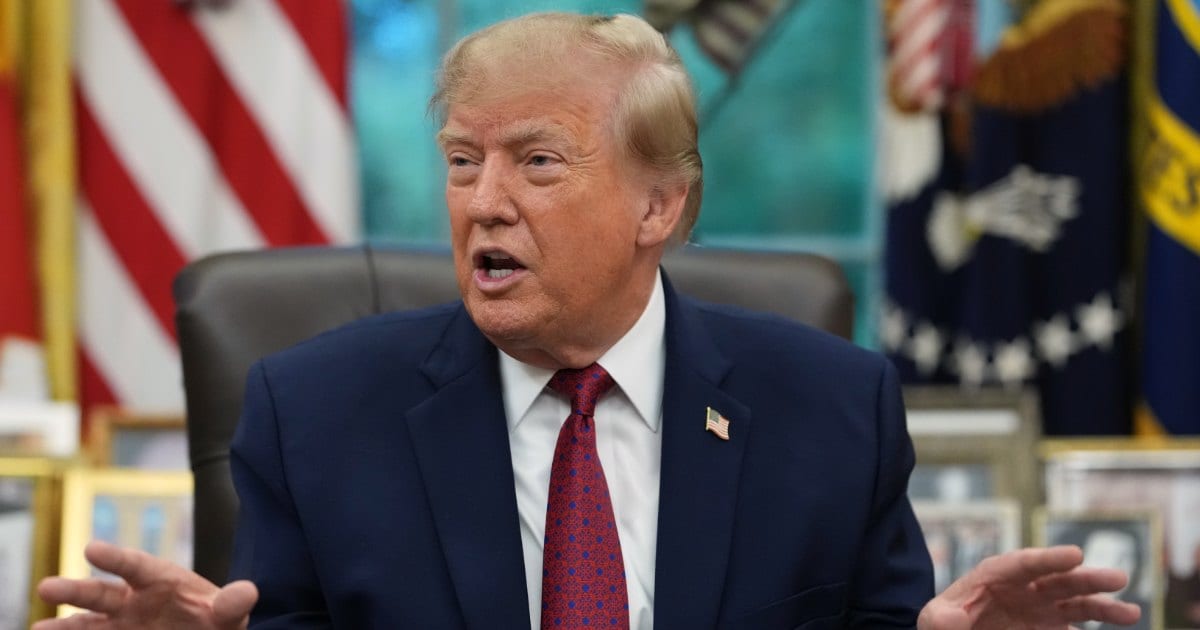
WASHINGTON, DC: President Donald Trump on Thursday, November 5, signed a proclamation declaring the Oval Office, the outer Oval Office and the Cabinet Room national monuments, saying the designation would prevent future presidents from making major changes to the spaces.
Trump said the move would protect the rooms from being demolished or substantially altered, while indicating that certain modifications would require congressional approval.
The announcement comes after Trump carried out extensive renovations to the White House during his second term, including the ongoing construction of a ballroom.
Trump designates Oval Office and Cabinet Room national monuments
During the signing ceremony, Trump said that “we've had tremendous victory in this office.”
The president continued, “so we're making it a national monument, and it will not be allowed to be touched by anybody, destroyed, ripped down by stupid people, in order to build something in a slightly different shape."
The proclamation designates the Oval Office, the outer Oval Office and the Cabinet Room as national monuments. Trump said the designation would make the spaces "impossible to knock down and change in any meaningful way."
President Trump signed a proclamation that will designate the Oval Office and Cabinet Room as a national monument to prevent future changes to the redesigns he has made— he will ask Congress to codify it into law. “If anyone ever comes and decides to start knocking down walls, you’ll call me wherever I may be and I will come back here and make sure it never happens.” https://t.co/0xXM8FP0O0
— MJTruthUltra (@MJTruthUltra) November 5, 2026
The president also said that "no major modification" would take place in the Oval Office or Cabinet Room "without the approval of Congress."
Trump indicated that the proclamation would be sent to Congress for ratification, saying, “so we're going to be declaring it a national monument, and we're going to send it over to Congress, have it ratified."
The document, however, states that the designation does not "restrict the President's authority to redecorate the monument, select furnishings, or make ordinary operational and security modifications that do not substantially impair the monument's historic structure or architectural character".
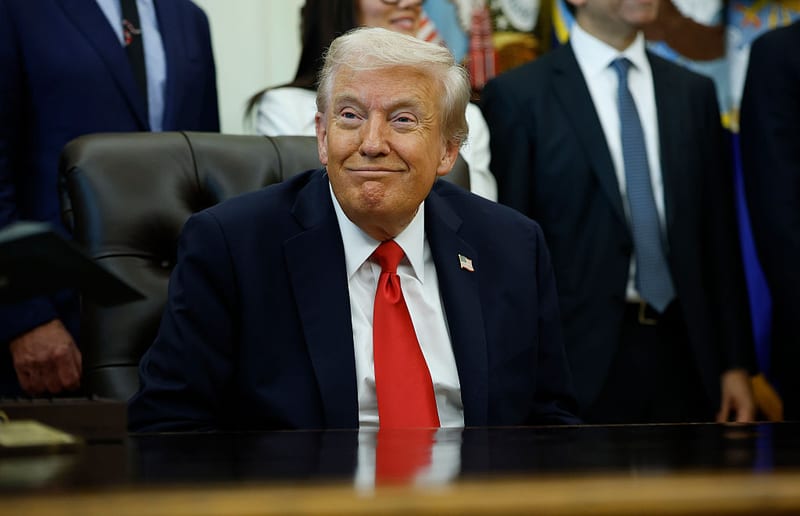
When asked whether a future president could remove the gold accents he added to the Oval Office, Trump indicated that it was possible but said it would have to be done "very carefully."
Trump’s White House renovations raise historic preservation concerns
The White House is already designated a National Historic Landmark, a status intended to protect the building against sudden changes.
However, the National Historic Preservation Act includes an exemption allowing presidents to make certain modifications.
The current Oval Office dates back to the early 1930s, following its creation under President Franklin D Roosevelt.
The president has undertaken extensive changes to the White House during his second term.
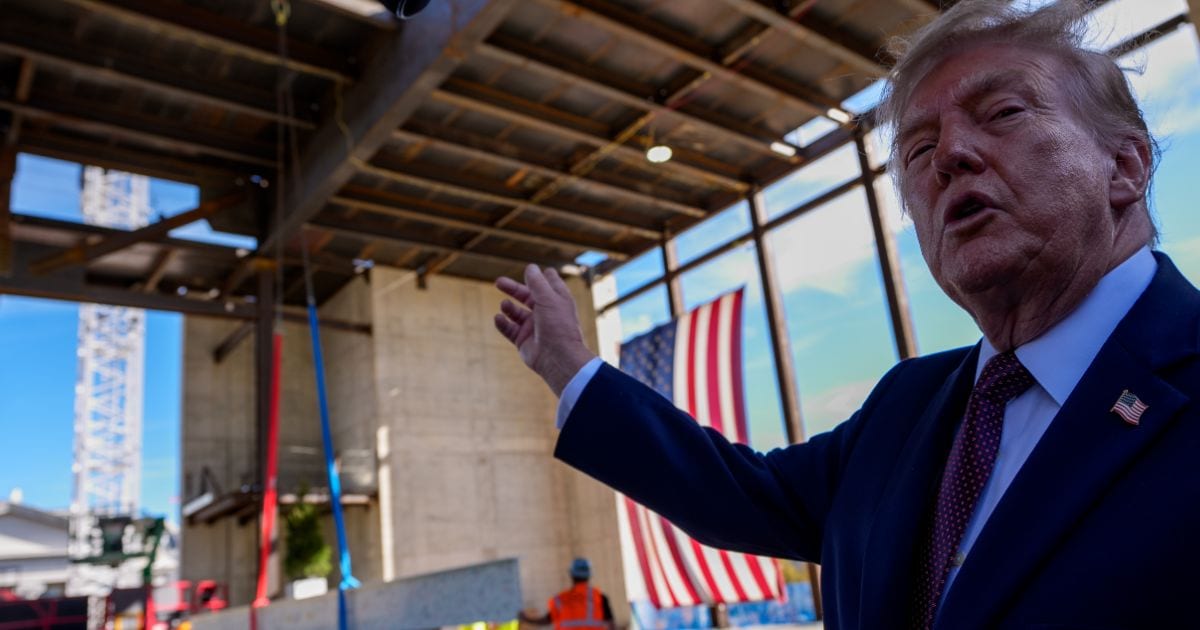
In October 2025, Trump ordered the demolition of the East Wing to make way for a new ballroom, with construction continuing on the White House grounds.
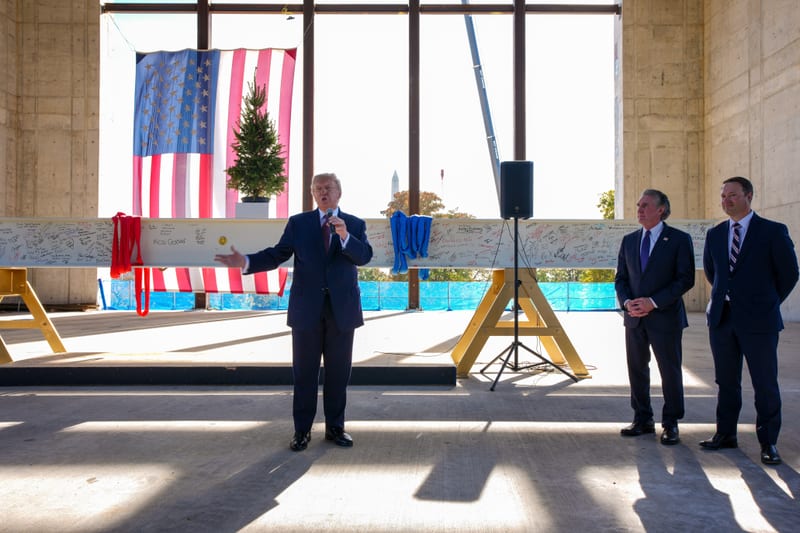
"And you know, when I get criticized, like, 'Why are you working on the White House?' I'm doing it because the White House is the ultimate symbol of America, and it's got to be pristine," Trump said at the event.
Greg Werkheiser of Cultural Heritage Partners, a law firm specializing in historic preservation, told BBC News that presidents have considerable discretion over temporary changes to the Oval Office.
"As long as they're not damaging the permanent art and architecture, they can generally do whatever they want," he said.
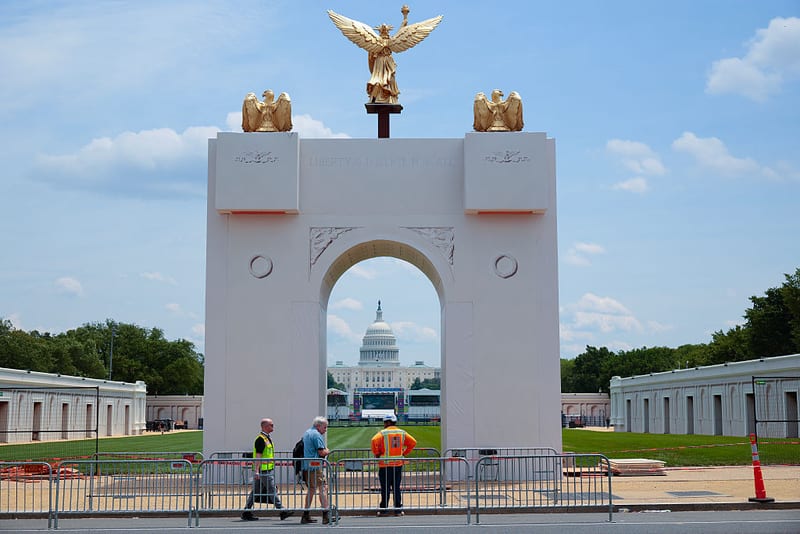
Werkheiser criticized the administration's approach to historic preservation, pointing to its efforts involving the Kennedy Center, a proposed triumphal arch in Washington, and plans to paint the granite exterior of the historic Executive Office Building.
His firm has filed lawsuits seeking to block two of the projects.