Trump proposes new tariffs on 14 trading partners, including China, days after talks with Xi
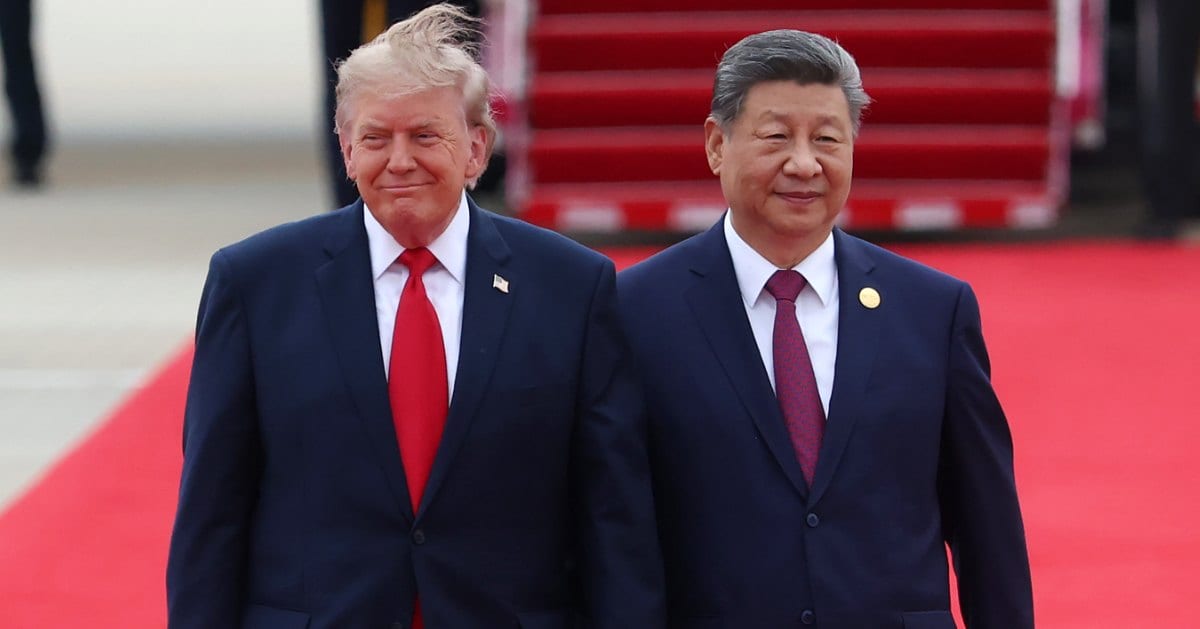
WASHINGTON, DC: President Donald Trump’s administration on Wednesday, November 25, proposed new tariffs on 14 major trading partners, including China, the European Union and India, days after the president’s recent diplomatic engagement with Chinese President Xi Jinping.
The announcement marked another move by Trump to advance his trade policy despite recent talks with Beijing. The proposals came as the administration continued to face scrutiny over the domestic economic impact of tariffs.
Trump proposes new tariffs on 14 trading partners, including China and India
The proposed tariffs would affect imports from China, the European Union, Bangladesh, Cambodia, India, Indonesia, Japan, South Korea, Malaysia, Singapore, Switzerland, Taiwan, Thailand and Vietnam.
China faces the highest proposed rate, with additional tariffs potentially reaching 20%, while Vietnam could face duties of up to 35%. Other affected trading partners face proposed rates ranging from 10% to 25%.
Today, Ambassador Jamieson Greer invited public comment on a proposed modification to the Section 301 action regarding Brazil’s unreasonable acts, policies, and practices. The proposed modification would provide greater leverage to obtain the elimination of Brazil’s harmful trade practices and strengthen the competitiveness of American farmers, workers, and businesses. https://t.co/RwIx5TRiI4
— United States Trade Representative (@USTradeRep) November 25, 2026
The US Trade Representative's Office announced the proposals alongside reports detailing what the administration described as unfair trade practices by the affected economies. US Trade Representative Jamieson Greer said the measures were intended to address policies that Washington believes disadvantage American businesses and workers.
For decades, foreign governments have created, sustained, or contributed to structural excess capacity and production by pursuing industrial strategies built on wage suppression, illegal subsidies, non-market inputs, and other market-distorting practices. Today, after lengthy investigations, Ambassador Greer has determined that the acts, policies, and practices of various economies designed to artificially support manufacturing exports are unreasonable and burden or restrict U.S. commerce and has proposed responsive action. To submit public comments regarding today’s proposed action, click here: https://t.co/NYYzi5TSQj
— United States Trade Representative (@USTradeRep) November 25, 2026
The statement added that the administration believed these practices weakened the competitiveness of American manufacturers, workers and businesses.
Trump administration cites unfair trade policies by affected economies
The administration is relying on Section 301 of the Trade Act of 1974 to introduce the proposed duties. The provision allows the US government to investigate and respond to foreign trade practices it considers unfair.
The move also followed a Supreme Court ruling in February that struck down Trump’s ‘Liberation Day tariffs’, finding that the administration had improperly relied on a specific emergency powers law to impose them. However, that ruling did not broadly eliminate the president's authority to introduce tariffs under other legal provisions.
The new duties are not expected to take effect immediately. The administration said they could come into force as early as January, following public consultations and further proceedings. The USTR has scheduled hearings on the proposed tariffs, with a hearing on the proposed modifications set for January 14, 2027.
New US tariffs on China follow Trump-Xi talks as trade tensions continue
The tariffs, particularly those targeting China, were proposed just days after Trump's visit to the country, where he met Xi as both governments sought to present a more constructive relationship between the two nations. Trump traveled to Shenzhen on November 18 ahead of the Asia-Pacific Economic Cooperation summit and a series of high-level discussions involving the Chinese leadership.
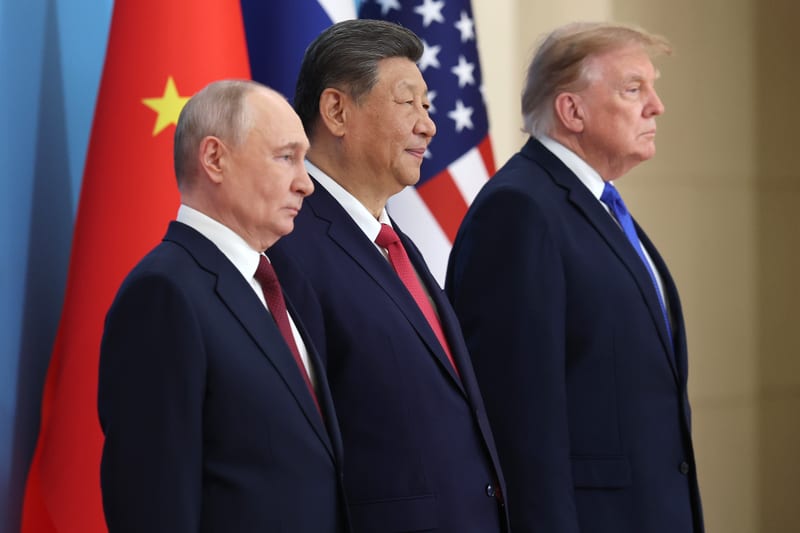
Ahead of their discussions, Xi said that the two countries should work towards “a constructive, strategic and stable relationship between China and the US based on respect, fairness and reciprocity."
Chinese Foreign Ministry spokesman Guo Jiakun on reported new US tariffs: "So-called overcapacity is a false premise, and China opposes using it as a pretext for political manipulation." https://t.co/KrIppCkp7o
— Furkan Gözükara (@FurkanGozukara) November 25, 2026
However, after the new tariff proposals were announced, Chinese Foreign Ministry spokesperson Guo Jiakun described the duties as a form of “political manipulation” and rejected Washington's claims about Chinese production practices, calling them “false”.
The announcement could add to tensions between the world's two largest economies, as their existing tariff truce is also due to expire on January 10, 2027. Neither side announced an extension following the recent meeting.