Donald Trump hikes global tariffs to 15% after Supreme Court limits emergency authority
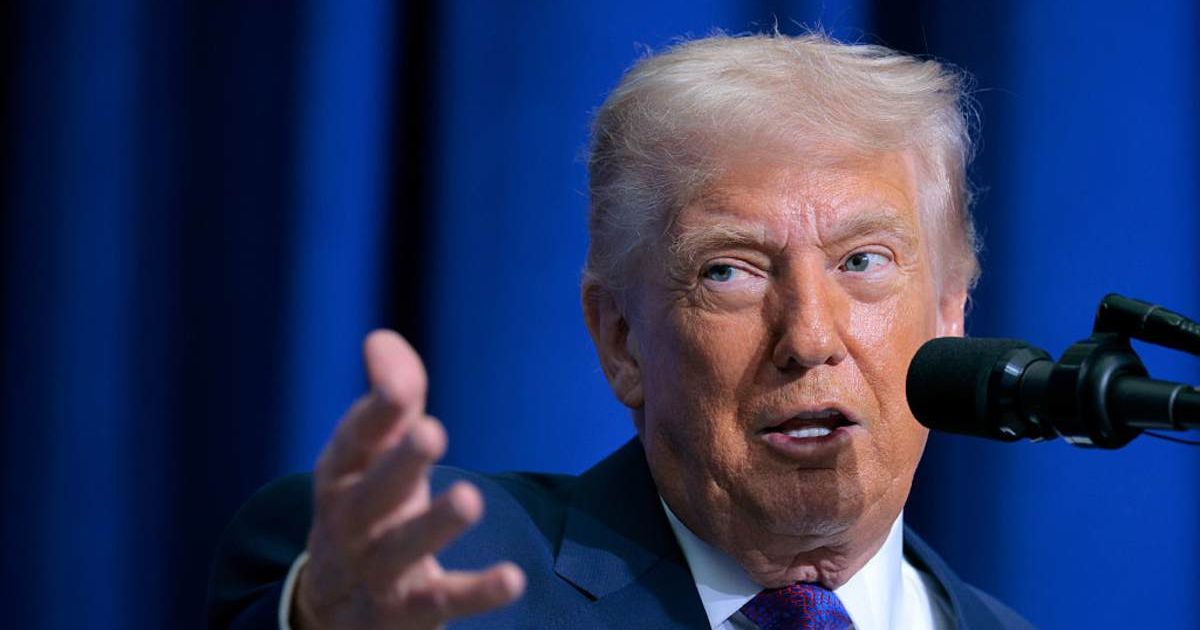
WASHINGTON, DC: Donald Trump said he will raise global tariffs from 10% to 15% a day after the Supreme Court of the United States ruling that said he exceeded his authority by using emergency powers to target trading partners.
In a lengthy Truth Social post, he blasted the decision and defended his move as lawful.
“Based on a thorough, detailed, and complete review of the ridiculous, poorly written, and extraordinarily anti-American decision on Tariffs issued yesterday, after MANY months of contemplation, by the United States Supreme Court, please let this statement serve to represent that I, as President of the United States of America, will be, effective immediately, raising the 10% Worldwide Tariff on Countries, many of which have been “ripping” the U.S. off for decades, without retribution (until I came along!), to the fully allowed, and legally tested, 15% level,” he wrote.
Further, he stated, “ During the next short number of months, the Trump Administration will determine and issue the new and legally permissible Tariffs, which will continue our extraordinarily successful process of Making America Great Again - GREATER THAN EVER BEFORE!!!,” Using Trade

Trump increases tariff after emergency powers blocked by Supreme Court
Trump’s announcement came after the Supreme Court blocked emergency powers. The announcement comes after the court’s 6–3 ruling struck down Trump’s use of emergency authority to impose sweeping tariffs.
In response, Trump said he would rely on Section 122 of US trade law, which allows presidents to impose temporary tariffs without declaring a national emergency.
Under Section 122, presidents can levy duties of up to 15%, but those tariffs are time-limited and require congressional approval after 150 days.
While the move allows Trump to press ahead with higher tariffs in the short term, it sets up a potential showdown with Congress if the administration seeks to extend them beyond the 150-day window.
While the court had previously allowed temporary enforcement of certain administration initiatives during litigation, Friday’s decision invalidated the use of IEEPA for sweeping tariff measures.
Writing for the majority, the court determined that the law’s authority to “regulate or prohibit” international transactions did not extend to setting broad trade duties.