Brett Kavanaugh slams Supreme Court tariff ruling as ‘illogical’
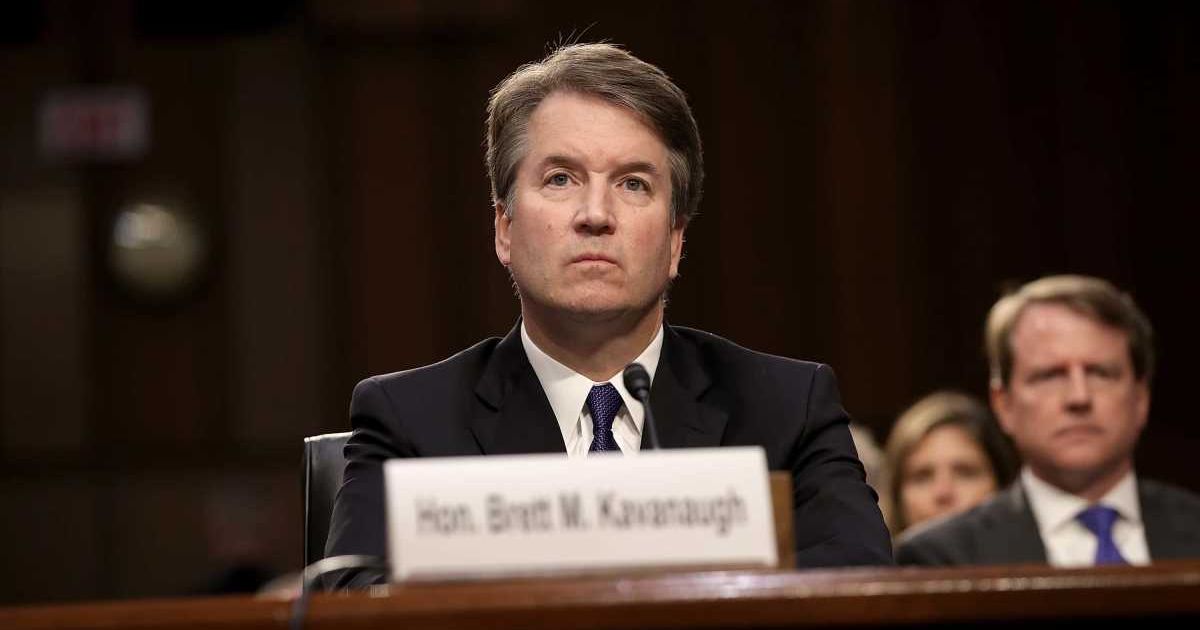
WASHINGTON, DC: In a closely watched decision this week, the Supreme Court’s 6-3 ruling striking down President Donald Trump’s use of the International Emergency Economic Powers Act (IEEPA) to impose sweeping global tariffs drew sharp criticism from conservative Justice Brett Kavanaugh, who blasted the majority’s reasoning as ‘illogical.’
The ruling, which marks a major check on unilateral executive trade authority, has immediate implications for American economic policy and trade enforcement moving forward.
Brett Kavanaugh slams Supreme Court ruling on Trump tariffs
Kavanaugh, a Trump appointee, said the 6-3 majority cherry-picked the ways in which Trump could regulate imports under the International Emergency Economic Powers Act, making what he described as a textualist case that the law already allows similar forms of import regulation, including quotas and embargoes. Tariffs are not only in the same category as those measures but are a “far more modest” alternative to them, Kavanaugh said.

"If quotas and embargoes are a means to regulate importation, how are tariffs not a means to regulate importation? Nothing in the text supports such an illogical distinction," Kavanaugh wrote.
Kavanaugh also stressed that the legal dispute over tariffs should be settled by lawmakers and voters rather than through judicial reinterpretation of the statute.
He said the Supreme Court's decision in 2022 upholding a vaccine mandate that former President Joe Biden imposed on millions of healthcare workers "strongly supports" upholding Trump's tariffs. Like tariffs, that executive action also carried major consequences, even though Congress did not explicitly mention vaccines in the health and safety statute Biden used to justify his mandate, Kavanaugh said.
Brett Kavanaugh warns of tariff refunds, cites alternatives
Kavanaugh pointed to numerous other statutes he said Trump had in his toolbox, outlining alternative authorities in the wake of the high court nixing IEEPA as an option.
He said the majority "in essence" concluded that Trump "checked the wrong statutory box."
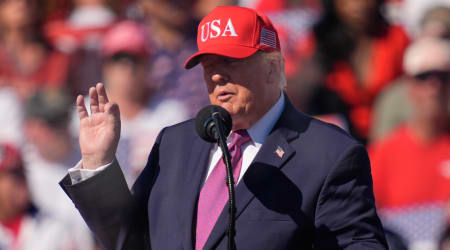
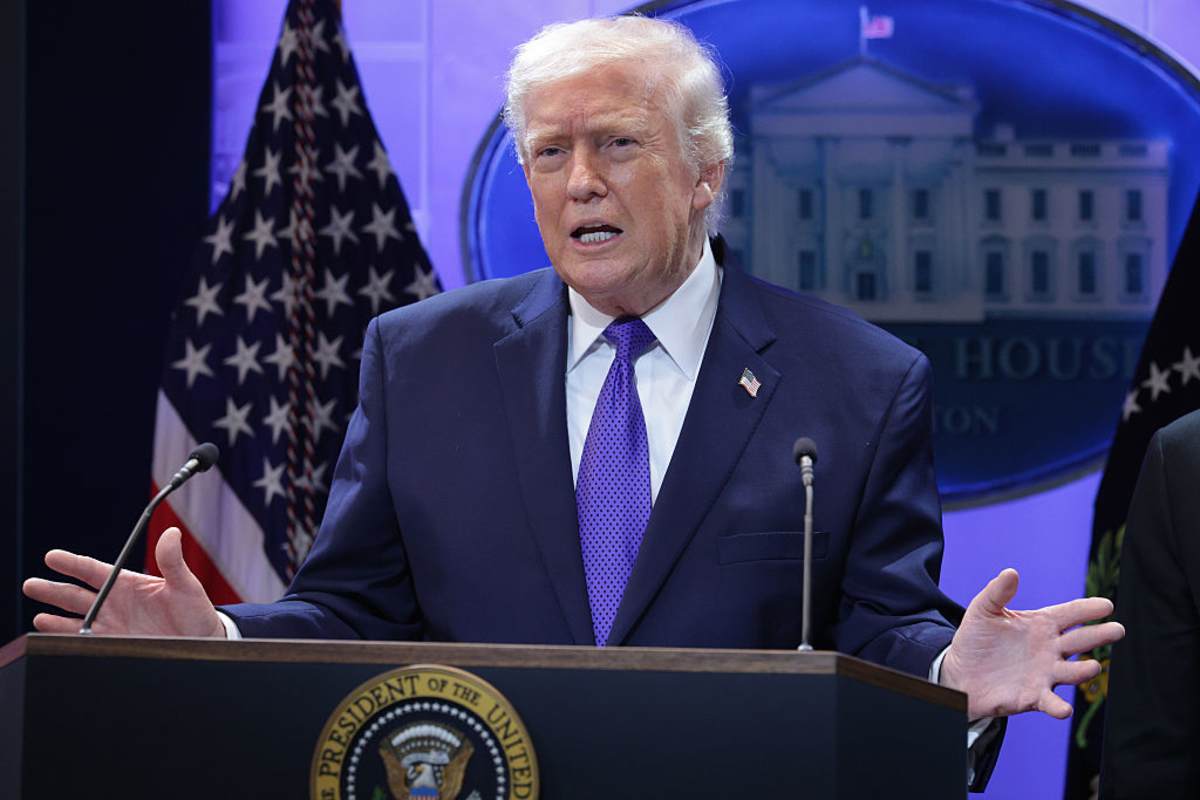
Trump, speaking about the decision, praised Kavanaugh for "his genius and his great ability," adding that he was "very proud of that appointment." The president referenced a line from Kavanaugh's dissent, saying, "'Although I firmly disagree with the court's holding today, the decision might not substantially constrain a president's ability to order tariffs going forward.' So think of that … and it doesn't. He's right.
🚨 BREAKING: President Trump gives EPIC SHOUTOUT to SCOTUS Justices Clarence Thomas, Sam Alito and Brett Kavanaugh
— Eric Daugherty (@EricLDaugh) February 20, 2026
They wrote PERFECT dissenting opinions!
"There's no way in arguing against them!"
"Countries ripping us off for year are DANCING — but they won't for long!" 🔥 pic.twitter.com/LCm0U9kc3D
"We have very powerful alternatives."
Kavanaugh warned of the "serious practical consequences" of barring Trump from using IEEPA to levy tariffs, saying the refund process could become a "mess" as lower courts are likely to see an influx of lawsuits from business owners seeking their money back.

"The United States may be required to refund billions of dollars to importers who paid the IEEPA tariffs, even though some importers may have already passed on costs to consumers or others," Kavanaugh wrote.