Trump expands death penalty push beyond police officers and names a new target
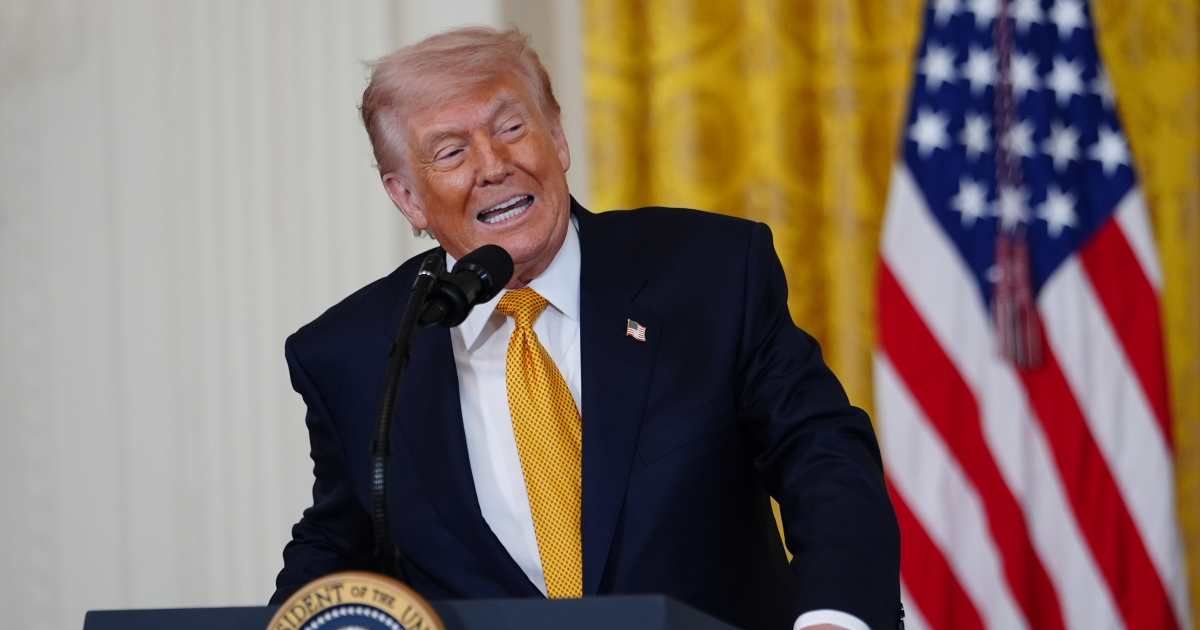
Trump directs Todd Blanche to implement the death penalty for anyone who murders a firefighter https://t.co/urLagrpn6o
— Aaron Rupar (@atrupar) October 15, 2026
WASHINGTON, DC: President Donald Trump has expanded his push for the death penalty, revealing a new type of crime he wants to make eligible for capital punishment.
The announcement came on Thursday, October 15, the same day Trump called off the planned livestreaming of a firing-squad execution, which is to take place in December in Texas.
Trump adds firefighters to his death penalty push
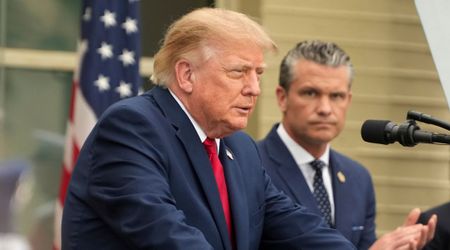
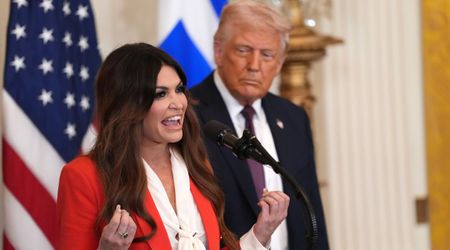
President Trump stated that he wants the death penalty for anyone who kills a firefighter during an event in the White House Rose Garden.
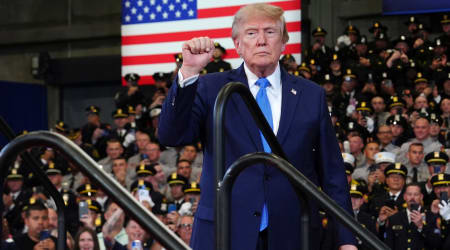
The comments were made at a White House lunch honoring firefighter organizations. He told law enforcement officers and firefighters present there that he had directed Attorney General Todd Blanche to seek the death penalty for anyone convicted of killing a police officer or firefighter.
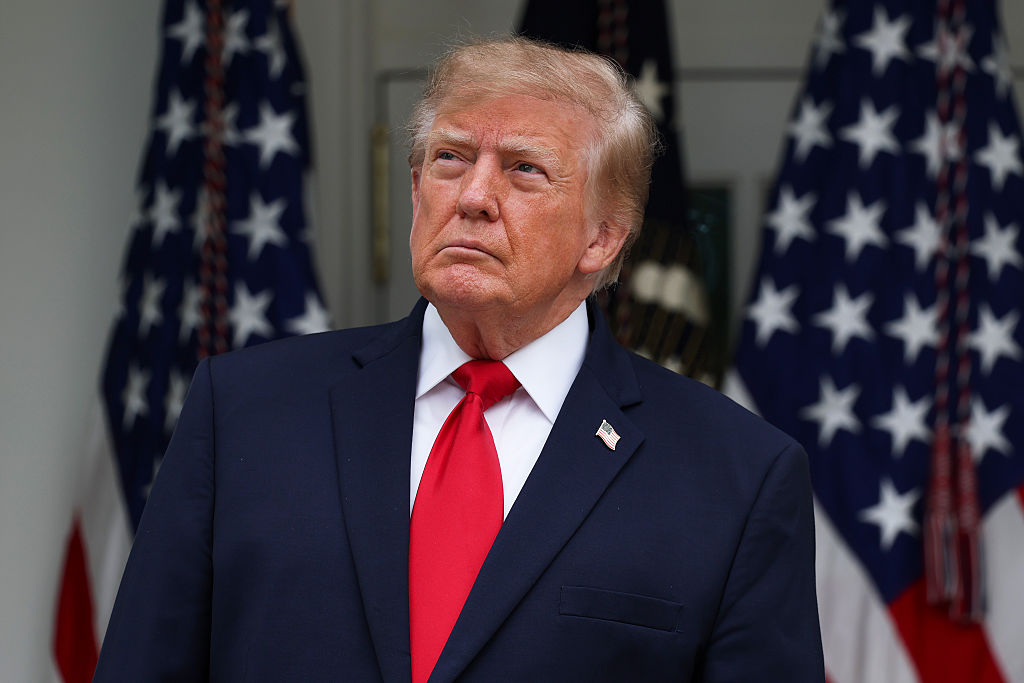
Trump explicitly highlighted cases involving "anybody that kills a firefighter going up a ladder." He said this to reportedly deter violence in "rough neighborhoods" where first responders are shot at while on duty.
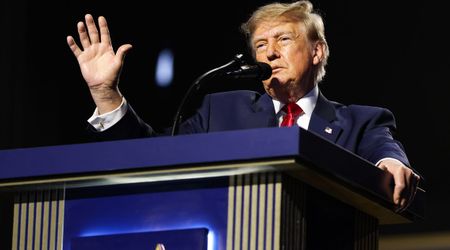
At a rally in Arizona on Wednesday, Trump said that government leakers "should be shot." He added: "Leakers should be dealt with very, very strongly."
He also said that reporters are "almost as bad" as leakers because "they leak false information."
"As president, I will always stand with those who stand on the front lines of law enforcement and fighting fires," Trump said.

What the Constitution says about the death penalty
The US Constitution explicitly recognizes capital punishment in the Fifth and Fourteenth Amendments, though the Eighth Amendment strictly regulates its use.
The Fifth Amendment states that no person shall be "deprived of life, liberty, or property, without due process of law," and mentions capital crimes via the Grand Jury clause, confirming that the framers anticipated the death penalty.
The Eighth Amendment forbids "cruel and unusual punishments," which the US Supreme Court has ruled does not ban the death penalty itself but restricts how and when it can be applied.
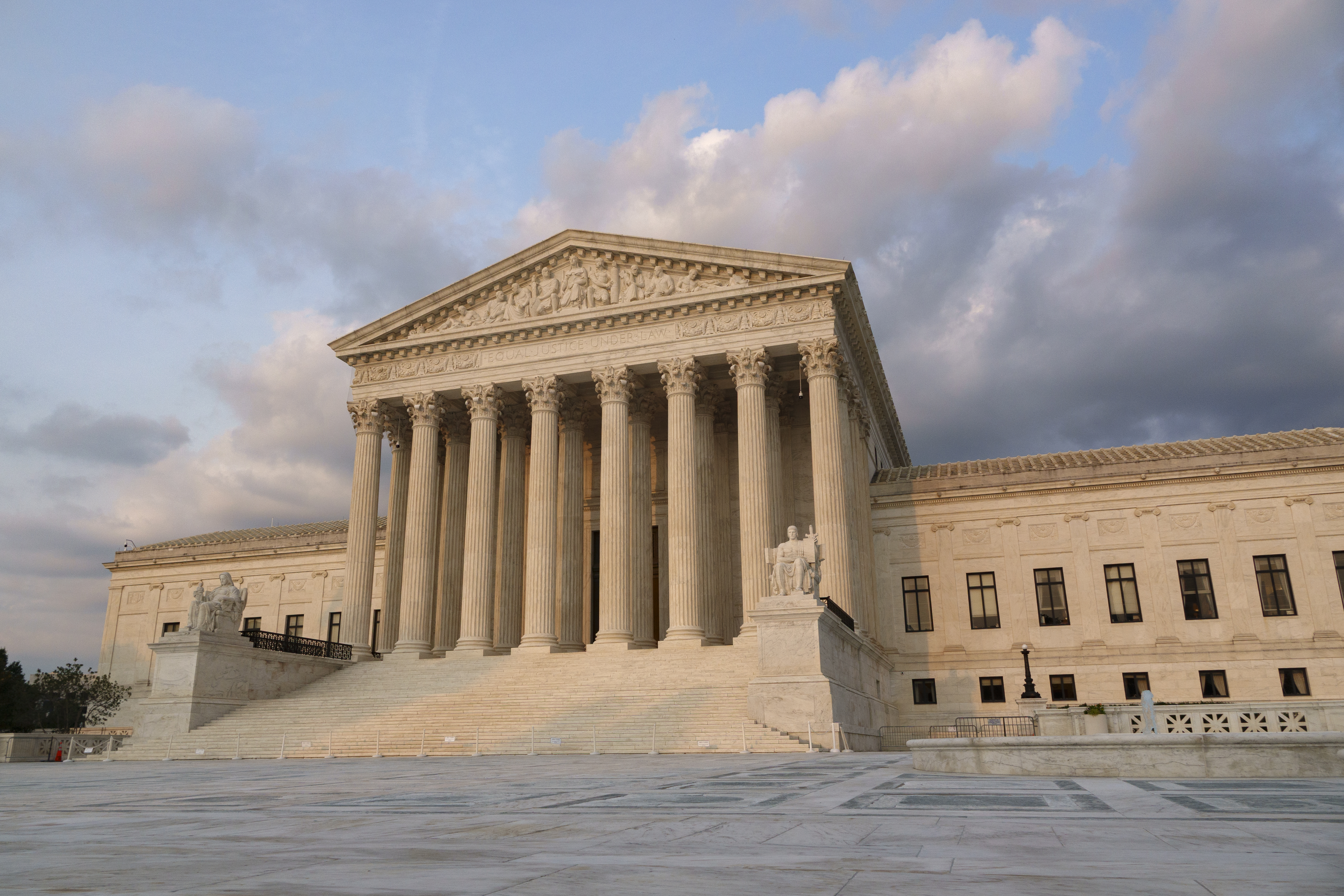
The Fourteenth Amendment applies the protections of the Bill of Rights, including the Due Process and Eighth Amendment limits, to state governments.
Trump’s announcement regarding the expansion of the death penalty's scope comes with public attention focused on capital punishment after the attempted state execution of Christa Pike in Tennessee and his decision not to livestream the Pentagon execution of gunman Nidal Hasan, who killed 13 people at Fort Hood.