Todd Blanche defends mail-ballot changes as multiple states face election probes
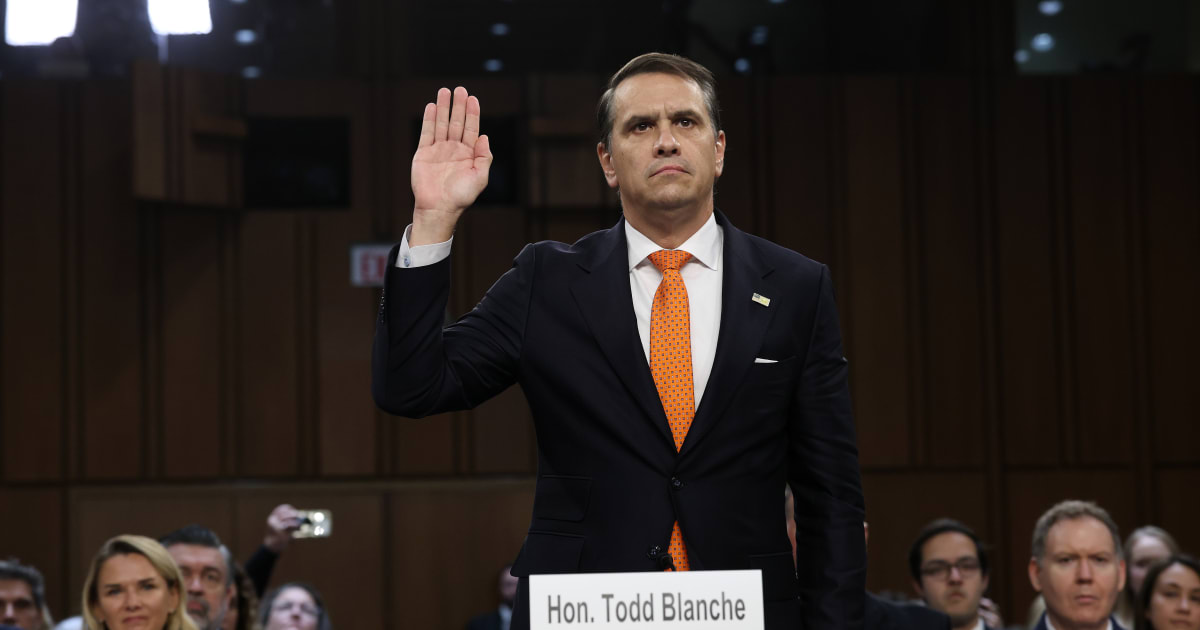
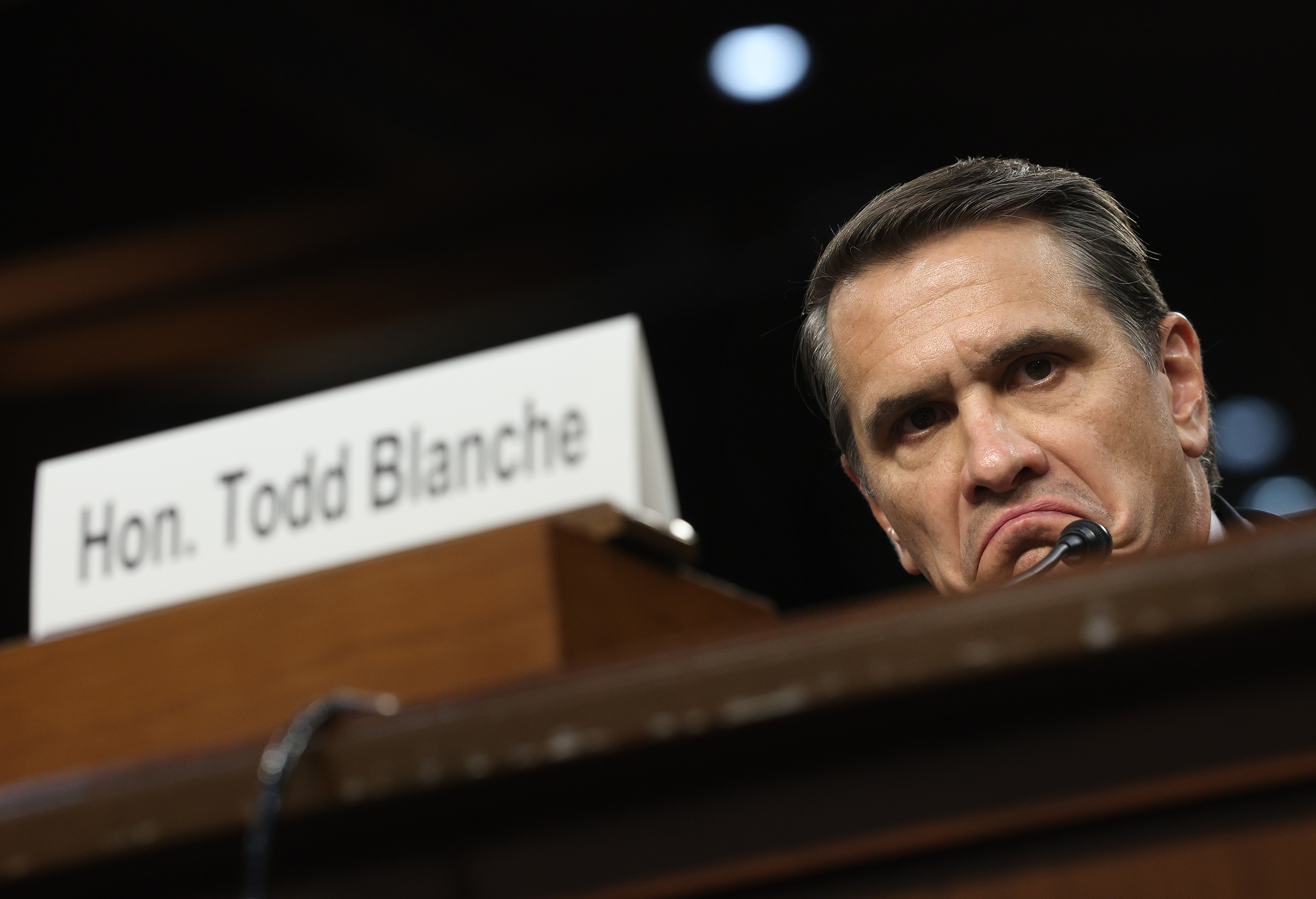
WASHINGTON, DC: Attorney General Todd Blanche spoke in favor of the Trump administration's new mail-voting rules designed to tighten election procedures ahead of the midterm elections.
Blanche told CBS News in an exclusive interview that the Justice Department is looking into voting processes in several states.
When asked to provide evidence that the administration's new mail-voting rules would prevent fraud, Blanche replied that "there's a lot of evidence," stating that mail voting has more potential for fraud than voting in person with identification.
Court challenges mount over Trump’s mail-voting rules
Pressed further on what evidence he had that mail voting presents a greater risk of fraud than in-person voting with identification, Blanche maintained there is "a lot of evidence."
Asked what the evidence was, he responded, "Well, it's common sense."
Attorney General Todd Blanche defended on Monday the Trump administration’s push for tighter mail-voting requirements, saying the executive branch is examining election practices in multiple states.
— CBS News (@CBSNews) September 14, 2026
Pressed by @NicoleSganga for evidence that mail voting carries a greater risk of… pic.twitter.com/0iivda1hY1
The attorney general went on to say the government is looking at "multiple states," adding that the review extends far beyond the Justice Department.
The comments follow days in which the administration has faced several legal challenges to its election policies.
A federal judge in Massachusetts issued a preliminary injunction this month, blocking the Postal Service from enforcing new mail-ballot rules, and another federal judge issued an injunction against the policy this weekend.
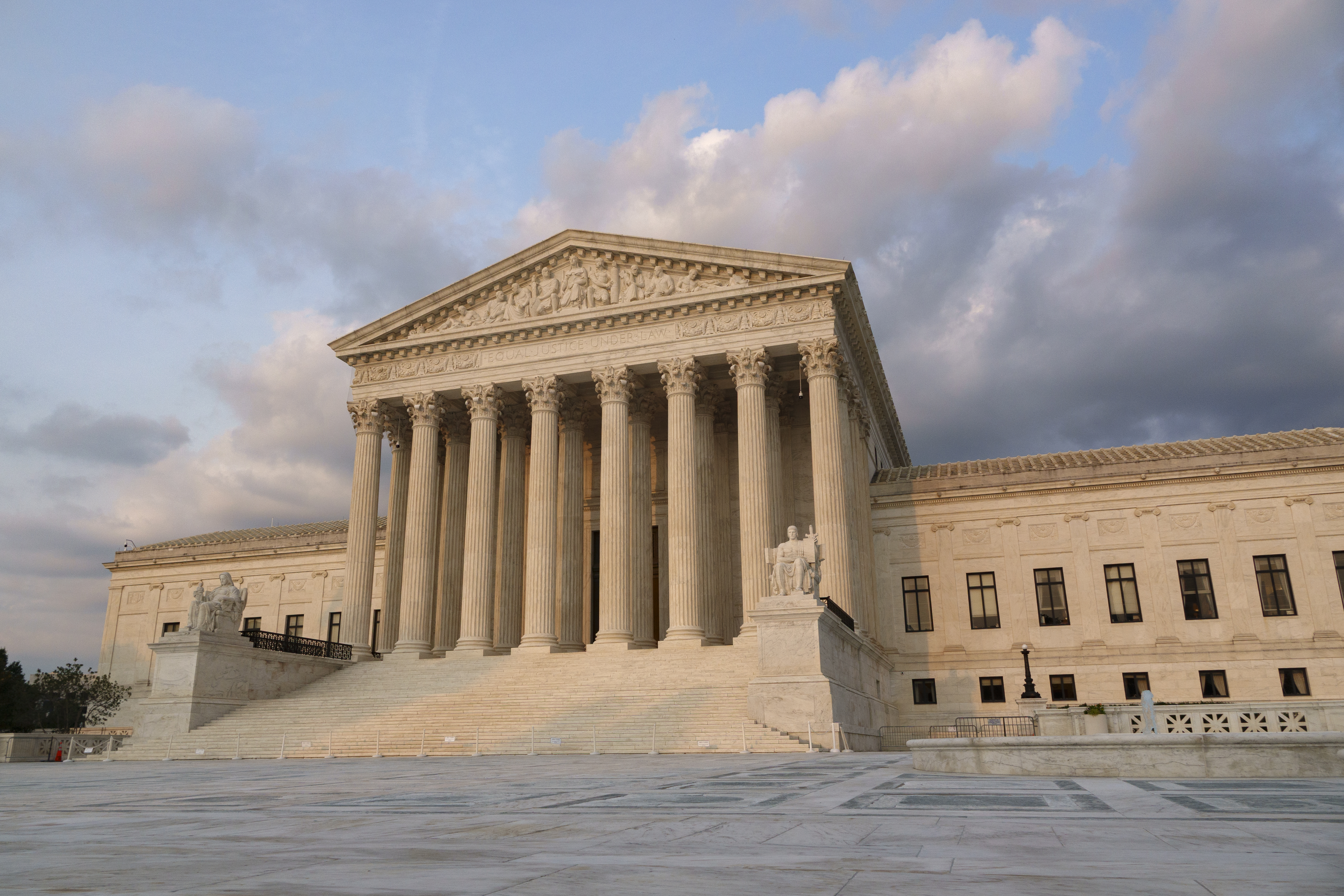
The Supreme Court declined to lift the Massachusetts-based injunction against the Postal Service imposed by US District Judge Indira Talwani, leaving the new restrictions in place for the upcoming midterm elections despite ongoing litigation over the legality of the regulation.
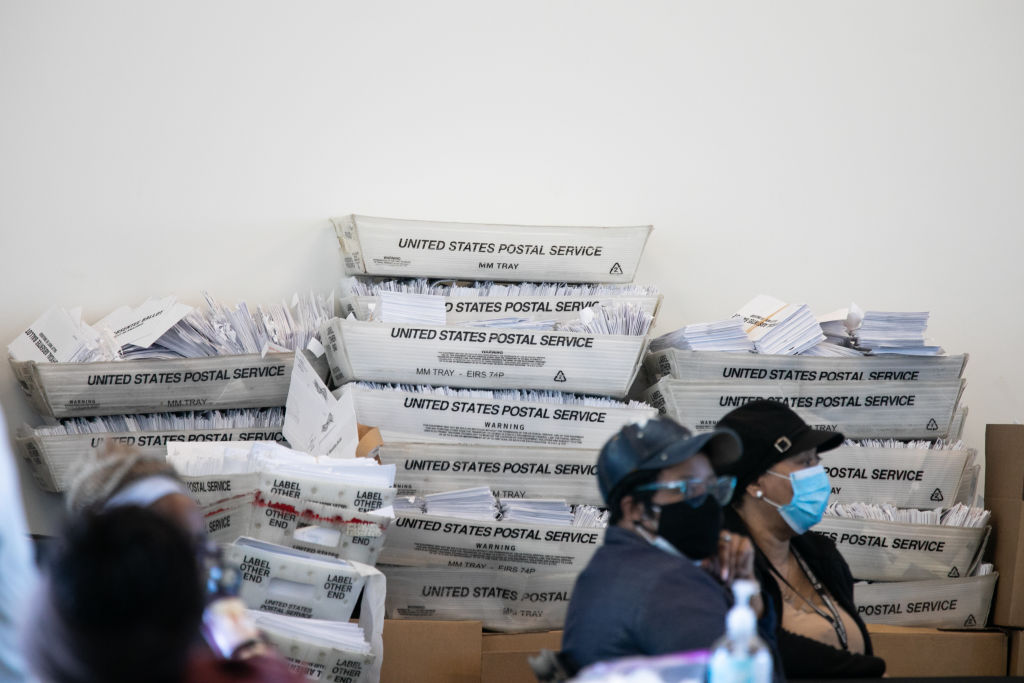
The rule, adopted August 21, requires states to provide the Postal Service with lists of mail-ballot recipients and issue USPS-approved ballot envelopes carrying unique barcodes.
According to the new regulation, USPS could refuse to transmit ballots that fail to meet those requirements.
Research finds mail-ballot fraud remains extremely rare
Documented cases of election fraud, such as mail-ballot fraud, do exist, but they appear to be exceedingly rare, according to researchers.
For example, a 2024 Stanford study of roughly 4.5 million voters in Washington state found only 14 ballots that might have been suspiciously cast after a voter's death, about 0.0003%, and concluded that even those cases could have involved matching or clerical errors.
A broader 2025 analysis of the 2016, 2018, 2020 and 2022 elections found roughly four identified cases of mail-ballot fraud for every 10 million mail ballots cast, resulting in an average rate of 0.000043%.
Over the past several months, the Justice Department has also told 29 states and DC to preserve 2024 election records and is now suing for voter-registration data containing sensitive identifiers.
The department has also acknowledged in litigation that unredacted voter data could be shared with the Department of Homeland Security for citizenship checks.
Pressed on those efforts to obtain voter-registration data, Blanche said, "We have hundreds of open investigations into people who are here illegally and who potentially and, in many cases, they've been charged with voting."
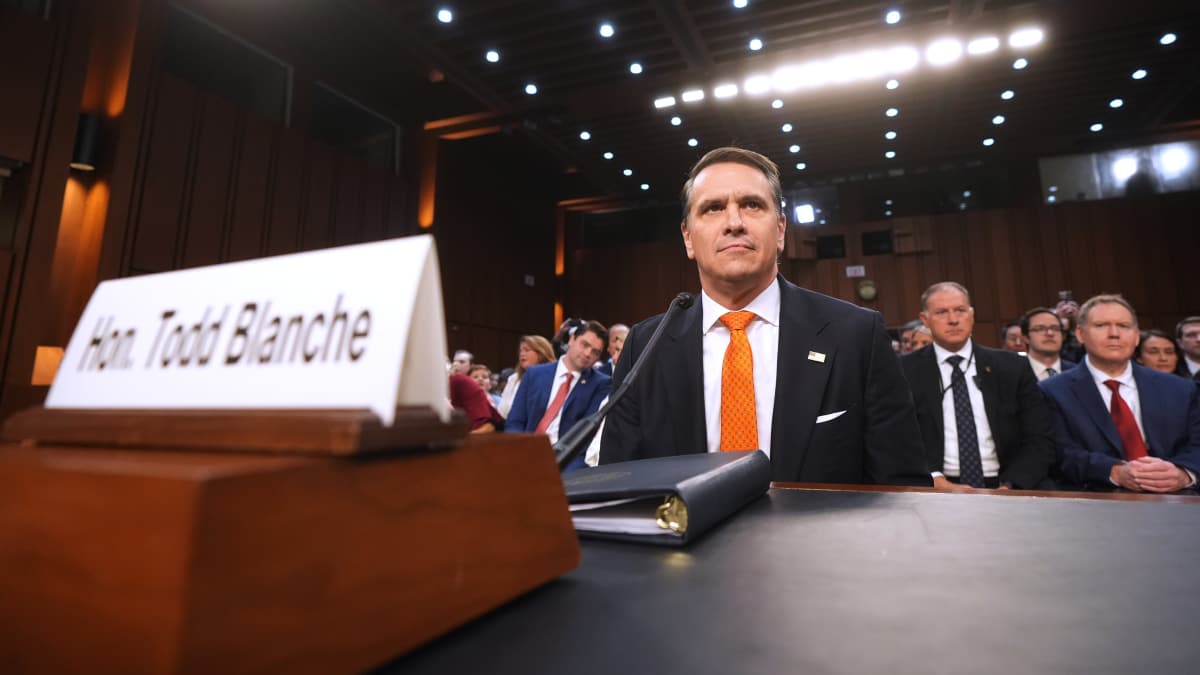
"So, we have hundreds of ongoing investigations where we have identified people who are here illegally or are otherwise not eligible to vote, that have voted," he added.
"We have some of them [who] have been charged. Some of those investigations are ongoing."
Asked whether information collected from states would be placed into a database, Blanche said he was "not aware of a database," but acknowledged that the information being collected would have to be stored and used by agencies within the federal government.