Trump's entire mail-in ballots rule blocked in full
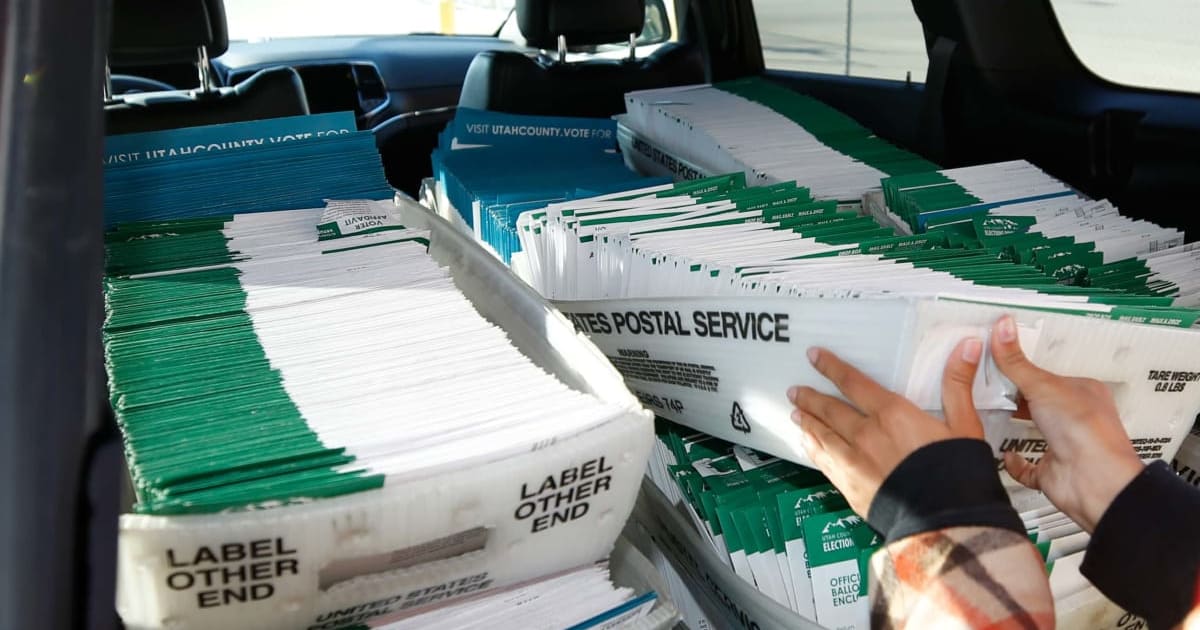
WASHINGTON, DC: A federal judge appointed by President Donald Trump has blocked the US Postal Service's new mail-in ballots rule in its entirety, delivering another legal setback to the administration's effort to impose new federal requirements on states ahead of the 2026 midterms.
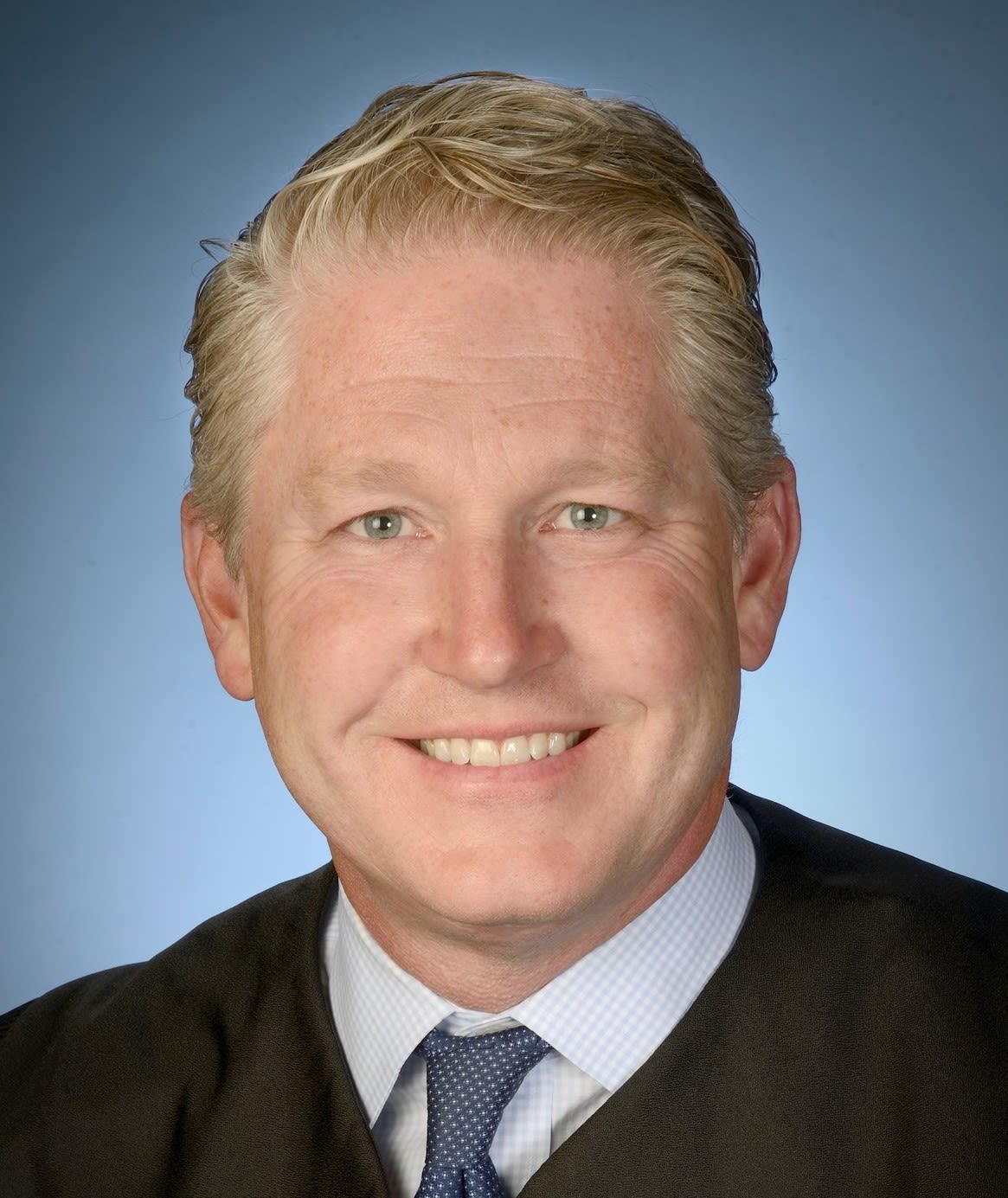
US District Judge Carl Nichols issued a preliminary injunction late Sunday, September 13, after rejecting the government's request to preserve parts of the rule.
Nichols said allowing some provisions to remain in place while others were blocked would create "even more confusion and misunderstanding" and lead to delays and mistakes.
The ruling means the entire regulation cannot be enforced for now.
Judge rejects partial enforcement request
Nichols sided with Democratic groups challenging the rule and found that key provisions likely exceeded the Postal Service's statutory authority.
The government had asked the court for a narrower injunction that would allow certain parts of the regulation to remain in effect.
Nichols declined.
"The Postal Service could issue (and enforce) the Rule only if Congress gave it the authority to do so," he wrote, adding that no statute granted USPS the power to impose several of its requirements.
The judge also found that the plaintiffs had shown an increased risk that absentee and mail-in ballots could ultimately go uncounted if the regulation took effect.
Nichols was appointed to the federal bench by Trump in 2019.
The rule imposed new state requirements
Under the USPS rule, states would have been required to upload information about approved mail voters to a new federal government portal, including names and addresses of people intending to vote by mail.
States also faced requirements to redesign ballot envelopes and include specific information, including trackable barcodes subject to USPS approval.
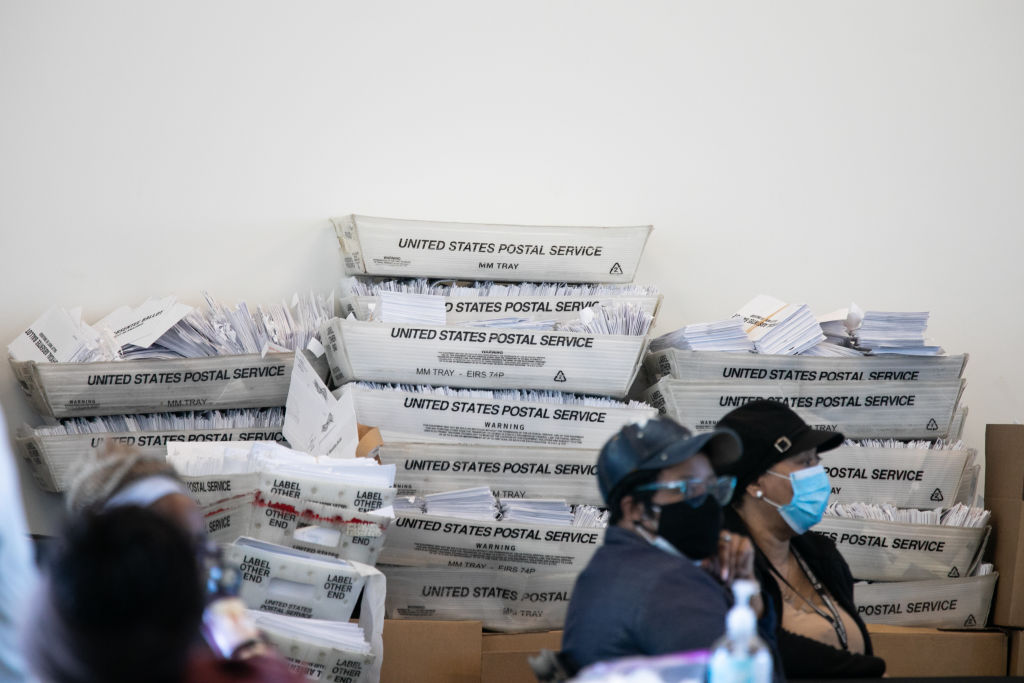
The Postal Service had said ballots could be withheld from delivery if states failed to meet the requirements.
Nichols drew a distinction between the rule's voter-data and compliance provisions and ordinary postal regulations governing how items are packaged, shipped or tracked.
The government had compared the ballot requirements to USPS rules covering items such as cremated remains and replica explosives.
Nichols rejected the comparison, saying those regulations concern the transmission of mail rather than maintaining voter information or vetting ballots for compliance with a broader regulatory system.
Supreme Court case still pending
The Washington case was brought by the Democratic Senatorial Campaign Committee, Democratic Congressional Campaign Committee, Democratic National Committee, Democratic Governors Association, Senate Democratic Leader Chuck Schumer, and House Democratic Leader Hakeem Jeffries.
The ruling came after another federal judge, US District Judge Indira Talwani in Boston, separately blocked the rule.
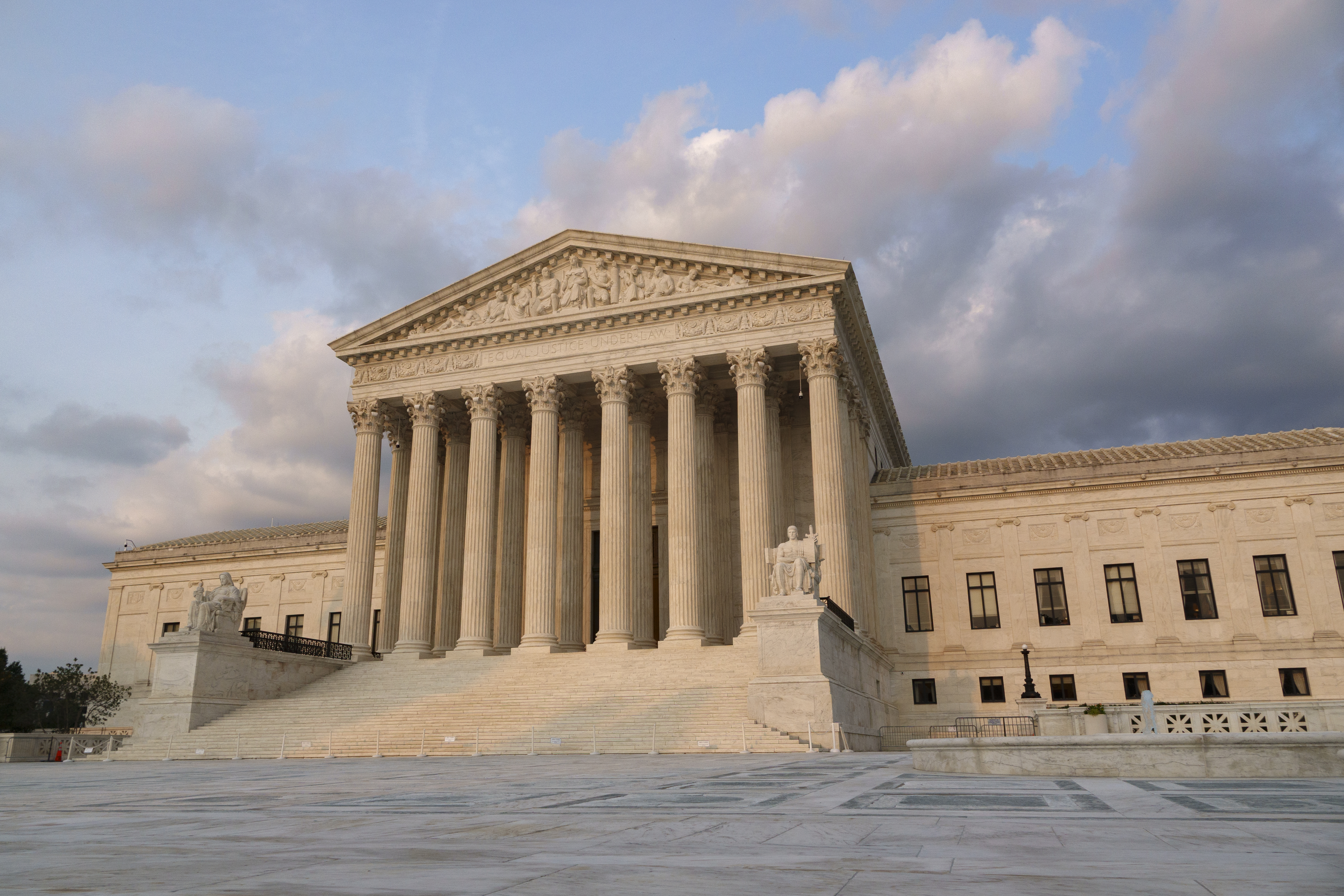
The Trump administration has asked the Supreme Court to lift Talwani's injunction, meaning the broader legal fight is still continuing.
Nichols said the federal government had not presented evidence showing significant fraud would result if his court blocked the rule.
He concluded that the potential harm to absentee and mail-in voters outweighed the government's stated concerns.
What this means for voters
For now, states do not have to comply with the USPS requirements that would have changed how mail voting information and ballot materials were handled.
The full injunction also removes the immediate risk that states could face different obligations depending on which portions of the regulation remained enforceable.