Tyler Robinson’s lawyers seek to remove prosecutors as one attorney’s child witnessed Kirk shooting
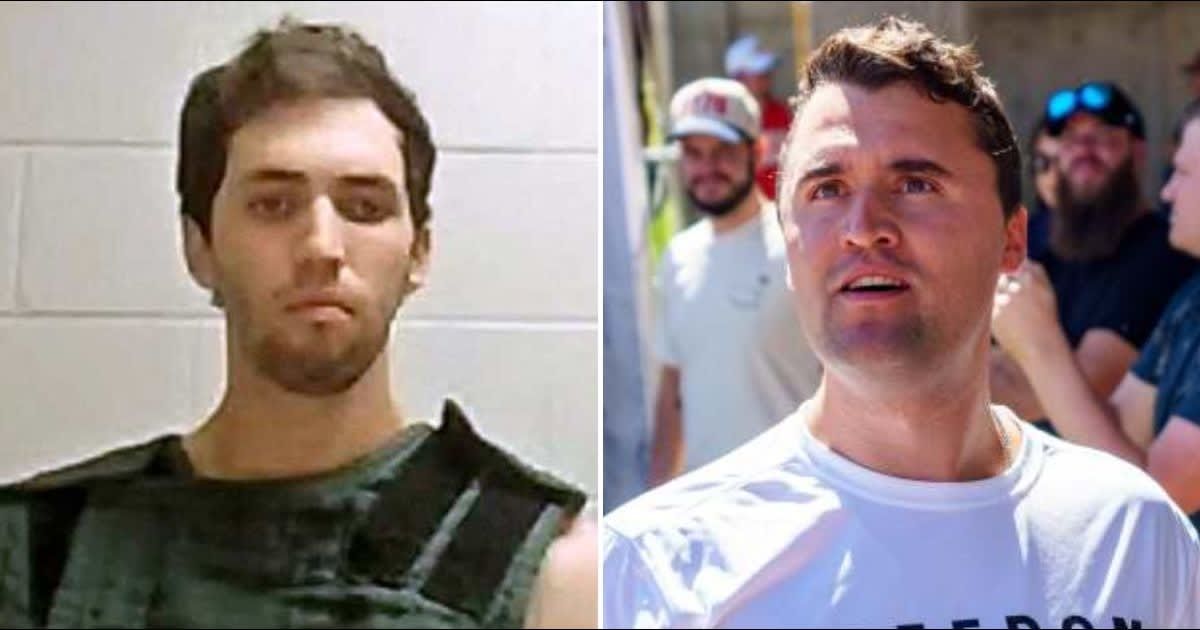
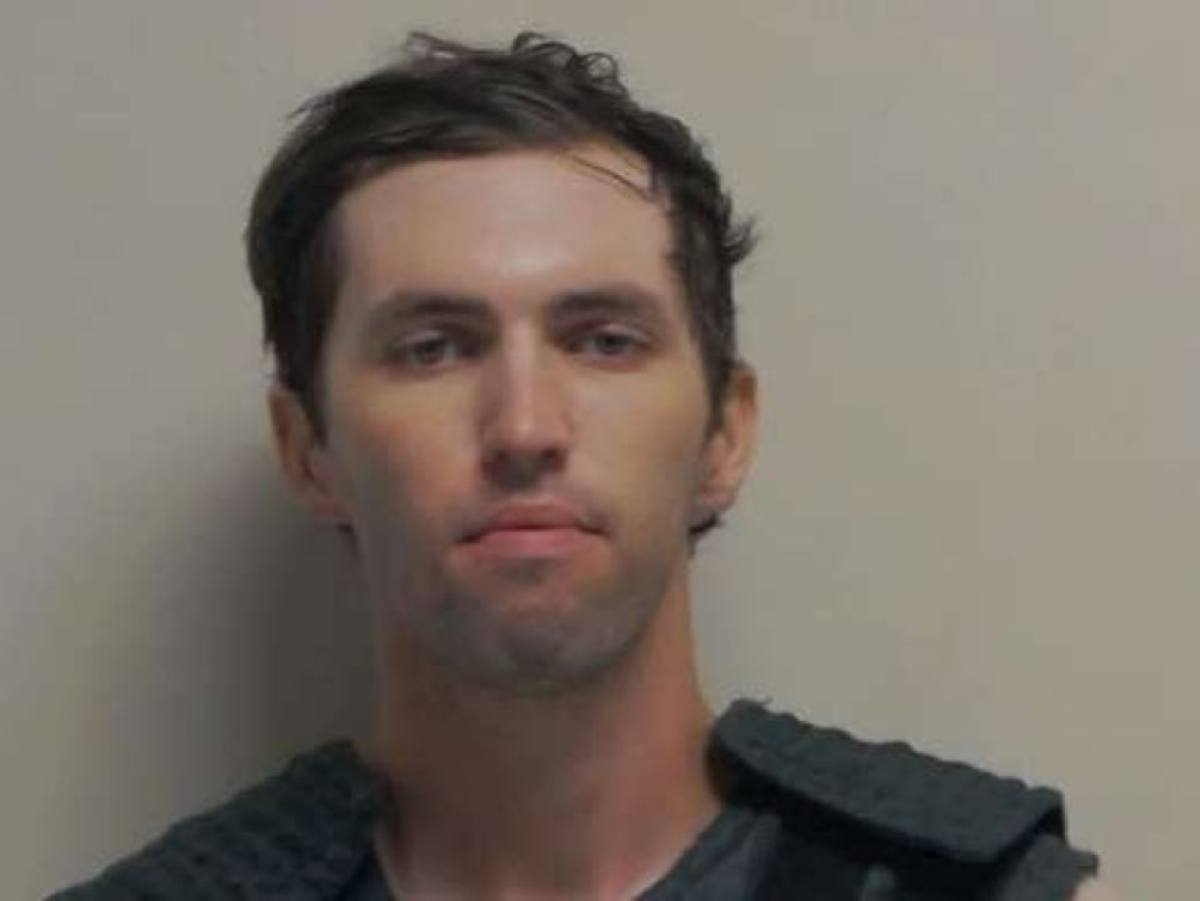
PROVO, UTAH: Defense attorneys for Tyler Robinson, accused of fatally shooting Charlie Kirk, asked a judge to remove the Utah prosecution team.
They argue that a prosecutor’s adult child was at the event where Kirk was shot, which could create a conflict of interest. Robinson appeared in court Friday afternoon (January 16) as Judge Tony Graf began hearing arguments on the motion.
Tyler Robinson’s attorney argues about risk of unresolved conflict of interest

During Friday’s prosecution, defense attorneys began arguing the motion to disqualify the Utah County Attorney’s Office. They told the court they were "very concerned we are getting off on the wrong foot."
Robinson’s attorney, Richard Novak, said the case presents a clear risk of an unresolved conflict of interest. He argued that allowing county prosecutors to keep handling the case would force them to defend their own conduct.
"This is very clearly the type of case where there very well may be a conflict of interest that has not been handled," Novak told the court.
Defense counsel said it took time to think through the issue, and they believe the case should have been referred to the Utah Attorney General’s Office. They added that the court would benefit from receiving additional filings and suggested the judge could continue the hearing if he was open to considering new legal authorities.
Novak warned it would be "problematic" to move forward with an evidentiary hearing while the same office prosecuted the case and defended its own conduct.
He urged the judge to strike the county’s response and order the Utah Attorney General’s Office to take over. "The court needs to hear from a representative of the state who does not even appear to have a conflict of interest," Novak argued.
Utah County Attorney responds to Tyler Robinson’s attorney’s take
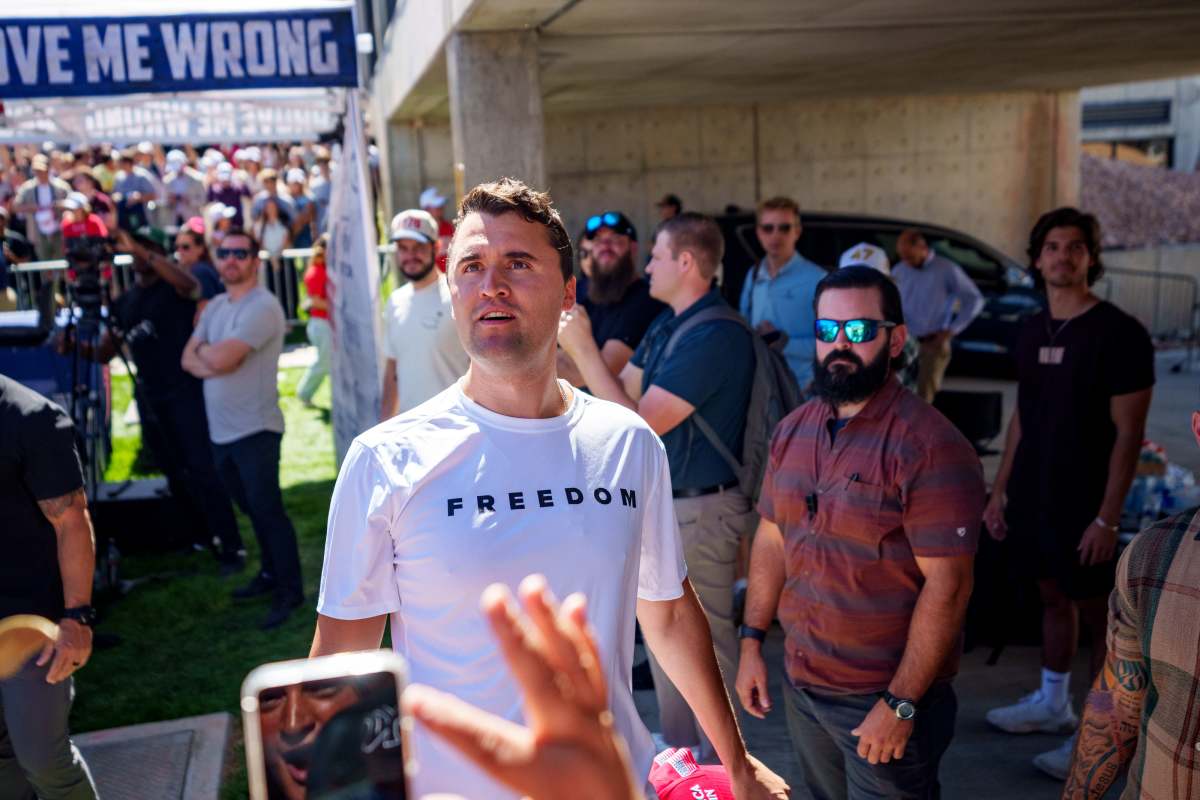
Prosecutors pushed back. Utah County Attorney Jeff Gray called the request an "ambush" and said the defense was trying to delay the case.
Deputy Attorney Ryan McBride added that the defense was acting like a conflict already existed before the court had made that decision. Graf also questioned why the defense filed the motion at this point.
Novak took responsibility and stressed that county attorneys should not represent themselves in the case. The defense argued that Graf has the power to ask the Utah Attorney General’s Office to take over or to appoint another agency to handle the issue.
They said they are ready to move forward with an evidentiary hearing, but they still worry that Utah County attorneys would essentially defend themselves during the process.
Novak told the court that the county attorney’s office did not use a screening process because prosecutors believed it was unnecessary. He also said the Attorney General’s Office said it had not been consulted about the matter.
Graf then asked the defense to explain the legal authority behind their request and what precedent he should consider.
What did Judge Graf report?
Judge Graf said the issue was important and needed careful thought. He said he did not want to make a "snap decision" without fully reviewing the arguments and considering everyone’s constitutional rights.
He also said he would accept the facts stated in the defense motion as true for now. Those facts included that a prosecutor’s adult child attended the Turning Point USA event, heard gunfire, ran away with the crowd, and texted the prosecutor during the chaos.
Graf noted that the prosecutor later went to Utah Valley University to check how close the family member had been to the shooting, and he estimated the distance was about 85 feet.
Graf then asked whether the court needed witness testimony to answer the initial question, or if it could rely on affidavits and the existing record. Novak said testimony was necessary to examine the emotional impact, communications within the family and office, screening decisions, and whether the experience affected how prosecutors made decisions.
Prosecutors responded that the defense first needed to show enough evidence of a conflict before the court could remove the county attorney’s office from handling the motion.
Graf said he understood both sides and would continue reviewing whether the defense met the required threshold.
After reviewing the arguments and filings, he said the defense had not shown enough evidence of a possible conflict based on the briefs alone. He indicated that the written submissions did not justify removing county prosecutors from the case at this stage.