US commits $115M to counter-drone systems before FIFA World Cup

WASHINGTON, DC: The Department of Homeland Security on Monday, January 12, announced a $115 million investment in advanced counter-drone technology, aimed at securing major upcoming events, including the FIFA World Cup and the nation’s 250th anniversary celebrations.
The funding reflects a strategic shift toward high-tech defenses as the department balances President Donald Trump's immigration enforcement priorities with the need to protect large-scale public gatherings.
Oversight of the initiative will fall to a newly created DHS office charged with rapidly acquiring and deploying drone and counter-drone systems nationwide.
New office drives rapid tech deployment
Drones represent the new frontier of American air superiority. Under President Trump, we are entering a new era to defend our air superiority to protect our borders and the interior of the United States.
— Secretary Kristi Noem (@Sec_Noem) January 12, 2026
With the creation of the DHS Program Executive Office for Unmanned Aircraft…
Homeland Security Secretary Kristi Noem said the investment responds to a rapidly changing threat environment.
“Drones represent the new frontier of American air superiority,” Noem said in a statement.
The new office is tasked with accelerating the deployment of these systems to counter increasingly sophisticated adversaries.
DHS officials cite growing use of drones and cyber tools by transnational criminal groups that employ aerial devices to monitor law enforcement and support their illicit operations.
Illegal groups embrace high-tech surveillance tactics
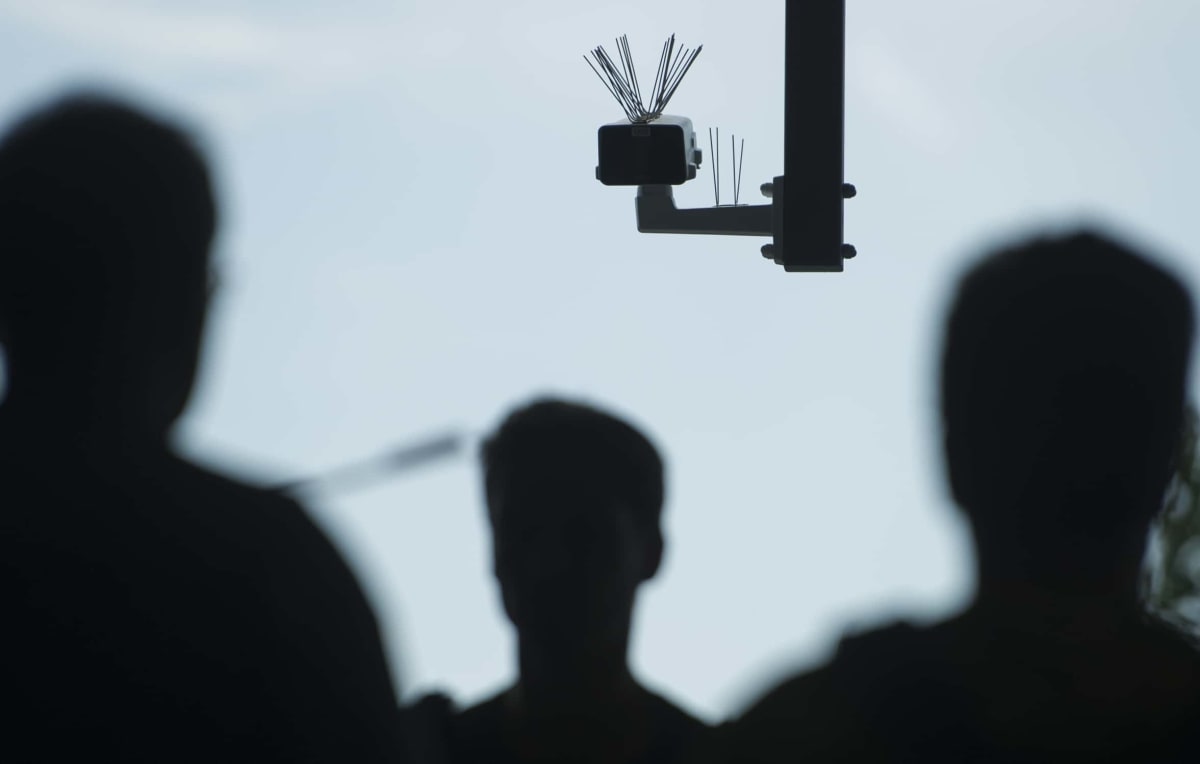
The Trump administration has formally designated several groups as criminal organizations, pointing to their use of emerging technologies for illicit activity. Federal officials and security analysts warn that commercially available drones could be modified to carry weapons or explosives.
Concerns are fueled by recent incidents. In 2025, a Baltimore man pleaded guilty after flying a drone over M&T Bank Stadium during an NFL playoff game.
In 2024, a wave of unexplained drone sightings across New Jersey triggered public alarm and bipartisan calls for stronger federal action.
Drones remain inexpensive and widely accessible, creating persistent challenges for local and federal authorities tasked with protecting crowded venues.
FIFA World Cup brings intense security pressure

The urgency is heightened by preparations for the upcoming FIFA World Cup, which the United States will co-host this summer. Eleven American cities are scheduled to host matches, with more than one million international visitors expected.
To strengthen defenses, the Federal Emergency Management Agency, a DHS component, awarded $250 million last month to the 11 host states specifically for counter-drone capabilities.
The funding is intended to help local agencies detect, track, and neutralize unauthorized aerial systems near stadiums and fan zones.
Federal planners view the tournament as a large-scale test of domestic counter-drone readiness.
Surveillance failures can cost human lives
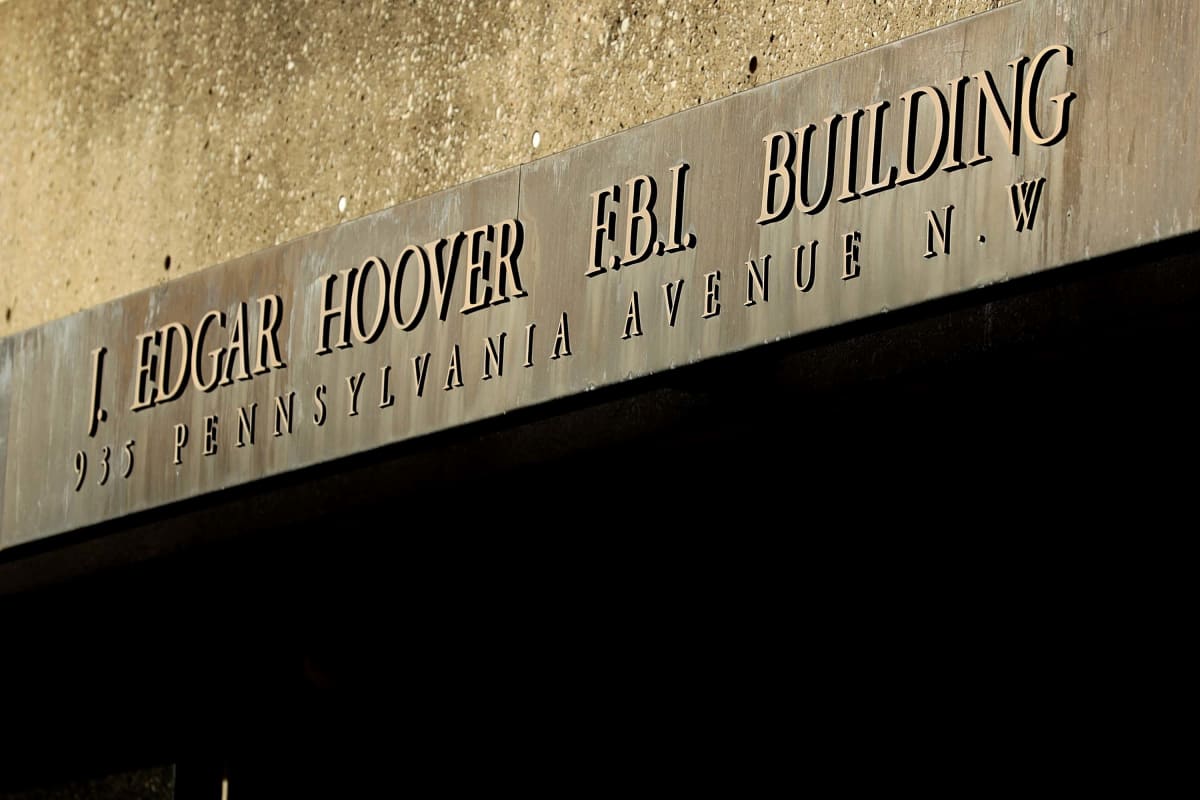
A Justice Department inspector general report released last year underscored the stakes. The review found that a Mexican organized crime syndicate hired a hacker in or before 2018 to track a senior FBI official in Mexico City by exploiting the city’s camera network.
Using the compromised system, the cartel identified and later killed individuals believed to be cooperating with US authorities. Investigators said that the episode demonstrated how low-cost surveillance tools could be weaponized, with lethal consequences.
DHS officials say that the new counter-drone initiative is designed to prevent similar vulnerabilities on US soil as the country prepares for events expected to draw global attention and massive crowds.