US Midterms 2026: You cast your vote, but it may not count! What to know about provisional ballots
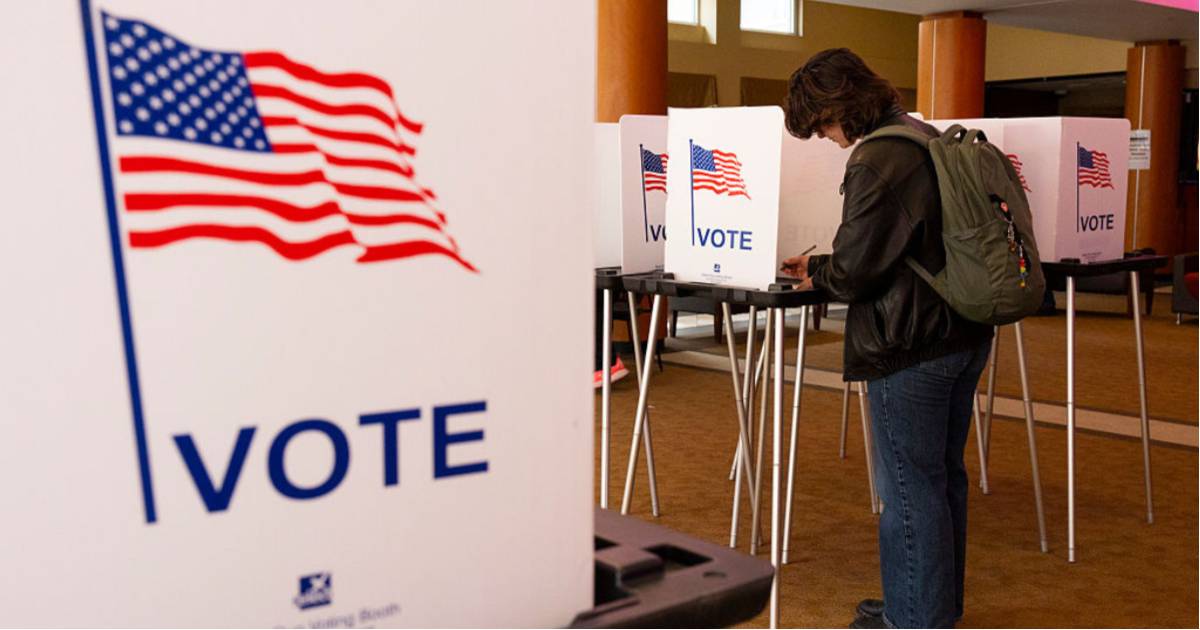
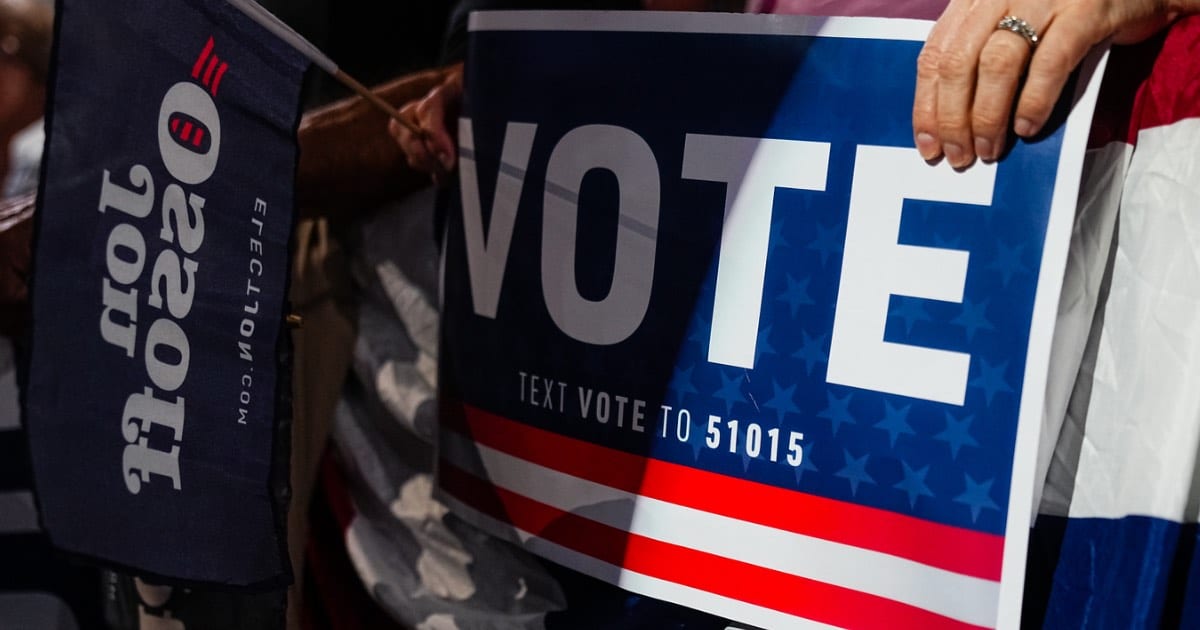
WASHINGTON,DC: Imagine arriving at your polling station on November 3, ready to vote in the midterm elections. You give the poll worker your name, but they cannot find you on the list of registered voters.
You know you registered, but the poll worker cannot immediately confirm your registration.
Does that mean you have to leave without voting? Not necessarily.
In this situation, you may be able to cast a provisional ballot, which election officials review before deciding whether it can be counted.
The same process can apply when your eligibility is questioned or a problem with your voting record cannot be resolved at the polling station.
But there is an important catch: submitting a provisional ballot does not automatically mean your vote will be counted.
Here's what the voters heading to the polls in the November 3, 2026, midterm elections need to know about provisional ballots.
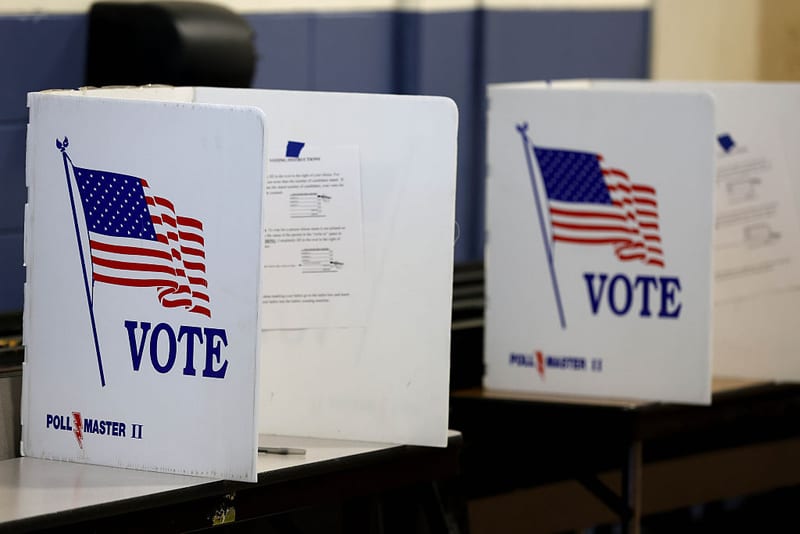
What should you do if the poll worker cannot find your name?
First, do not assume your registration has disappeared or that you have automatically lost your chance to vote.
Ask the poll worker to check your registration details and confirm that you are at the correct polling location.
Depending on your state, you may be able to resolve the issue by checking your registration record or providing additional information.
If your name is still missing from the voter list or an election official questions your eligibility, ask whether you can cast a provisional ballot.
Section 302 of the federal Help America Vote Act of 2002 (HAVA) establishes provisional voting protections for federal elections.
Under this provision, voters who declare that they are registered in the jurisdiction and eligible to vote in a federal election must generally be allowed to cast a provisional ballot if their names do not appear on the official voter list or an election official asserts that they are ineligible. The process is subject to the law's requirements and exceptions.
The law was enacted as part of a larger effort to improve election administration following problems exposed during the 2000 presidential election.
There are exceptions to the federal provisional-ballot requirement.
Idaho, Minnesota, New Hampshire, Wisconsin and Wyoming are exempt because they offered same-day voter registration when HAVA was enacted. North Dakota is also exempt because it does not generally require voter registration. These states have their own voting procedures, so voters should check the applicable state rules.
State laws may provide additional procedures or protections.
Before casting a provisional ballot under the federal process, you must sign a written affirmation stating that you are registered and eligible to vote in that jurisdiction.
Election officials then forward your ballot or the relevant information from your affirmation to the appropriate state or local election office for verification.
However, casting a provisional ballot does not automatically mean your vote will count.
Officials must determine whether you meet the applicable eligibility requirements under state law before including your ballot in the final tally.
The important point is to ask the poll worker about your options rather than leaving without voting.
A missing name does not necessarily prevent you from casting a ballot, but whether it counts depends on the applicable rules and the outcome of the review.
What should you do after casting a provisional ballot?
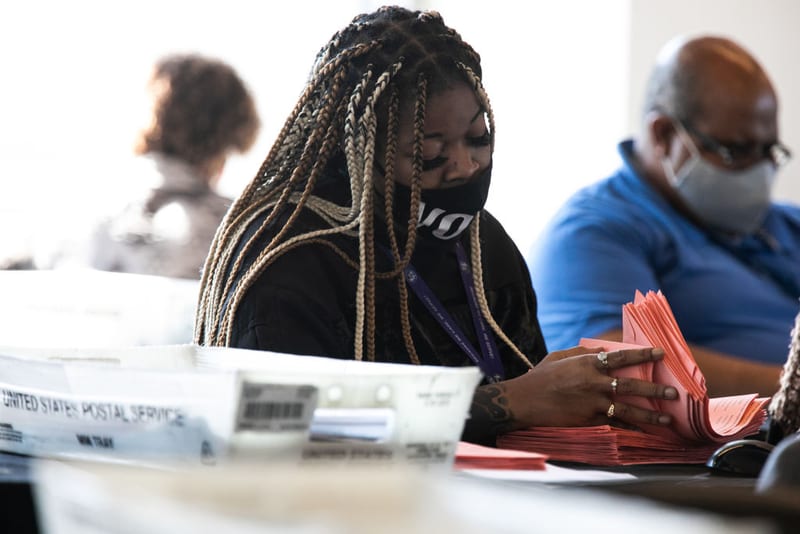
If you cast a provisional ballot, election officials will review your case to determine whether you meet your state's voting requirements.
They may need to verify your voter registration, confirm that you are eligible to vote in that jurisdiction or check whether you have already voted.
Depending on why you were given a provisional ballot and where you live, you may also need to provide identification or additional documents before your vote can be counted.
Ask election officials what information you need to submit, where you must send it and how long you have to do so. Do not assume that the same requirements apply in every state.
Your ballot's outcome will depend on the results of this review.
If officials confirm that you were registered and eligible under the applicable rules, your vote may be counted. If you do not meet the requirements, your ballot may be rejected.
To avoid missing an important step, follow the instructions you receive at the polling place and check your ballot's status with your state or local election office.
Under federal law, voters who cast provisional ballots must receive written information explaining how to check whether their ballots were counted.
Election officials must also provide a way to find out why a ballot was not counted.
You can also visit the US Election Assistance Commission's official election resources for links to state and local election offices. Your local election officials can confirm the specific rules and deadlines that apply to your ballot.
If the tracking system indicates that your ballot was not counted, check the explanation provided by election officials.
If you do not understand the reason, contact the relevant election office and ask what the decision means and whether any further action is available under state law.
With election procedures varying across the country, provisional ballots remain an important safeguard when questions arise at polling places.
For voters, understanding how these ballots work offers a clearer picture of what happens when Election Day does not go as planned.