Kennedy Center officials respond to major opera exit following Trump's leadership shake‑up
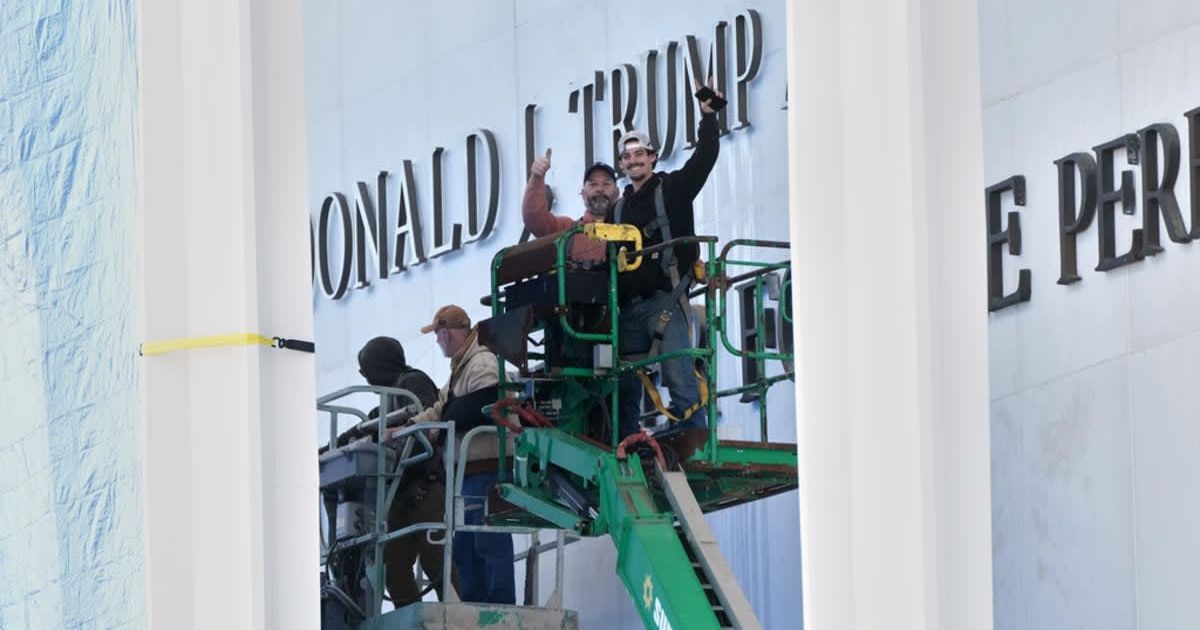
WASHINGTON, DC: The Washington National Opera (WNO) announced Friday, January 9, that it would move its performances away from the Kennedy Center, ending a partnership that lasted more than five decades.
While Trump-appointed officials said that the move was driven by longstanding financial concerns, the opera cited changes under the Center’s new management as incompatible with its operations.
The departure marked the largest institutional exit from the Kennedy Center since the leadership overhaul.

Kennedy Center leadership frames opera's exit as financial decision
The announcement followed a report published by The New York Times, which stated that the Washington National Opera’s board of trustees approved a resolution to seek an early termination of its affiliation agreement with the Kennedy Center.
According to the report, the decision was initiated by the opera, not the venue.
Shortly after the report was published, Kennedy Center spokesperson Roma Daravi issued a statement on X characterizing the separation as necessary due to long-standing financial strain.
“The center’s relationship with the opera group has presented ongoing financial challenges for well over a decade,” Daravi wrote, adding that those challenges “long predate the current leadership.”
She continued, “Given the longstanding financial strain, it has become necessary for us to part ways to protect the best interests of the Center.”
The relationship with the WNO has presented ongoing financial challenges for well over a decade—through political appointee Board members from both sides of the aisle—the financial problems long predate the current leadership. When financial commitments are not met year over…
— Roma Daravi (@romadaravi) January 9, 2026
The message was amplified by Richard Grenell, the Trump-appointed interim executive director of the Kennedy Center, who said exclusivity agreements with the opera were costly.
“Having an exclusive relationship has been extremely expensive and limiting in choice and variety,” Grenell wrote on X. “We approached the Opera leadership last year with this idea and they began to be open to it.”

In a follow-up post, Grenell said, “The exclusive Opera contract cost the Trump Kennedy Center $64 million over the last 10 years—with their expenses being double their revenues.”
He added, “We were very pleased that the current Opera leadership was so willing to end their exclusivity.”
I have alerted @x that someone hacked my account last night - and deleted my content on our Opera announcement and media corrections.
— Richard Grenell (@RichardGrenell) January 10, 2026
X will find the hacker and deal with him/her.
I will re-post the statements from last night once they are recovered. Stand by.
If anyone has…
Grenell later claimed his account had been compromised, and those posts are no longer visible, writing, “I have alerted @x that someone hacked my account last night, and deleted my content on our Opera announcement and media corrections.”
Opera cites operational challenges amid leadership issues
In its statement to The New York Times, the Washington National Opera said that it would seek “an amicable early termination” of its agreement and resume operations as a fully independent nonprofit entity.
Opera officials said they have identified alternative venues in Washington, DC, though no leases have yet been signed.
The organization planned to reduce its spring season and move performances out of the Kennedy Center’s opera house.
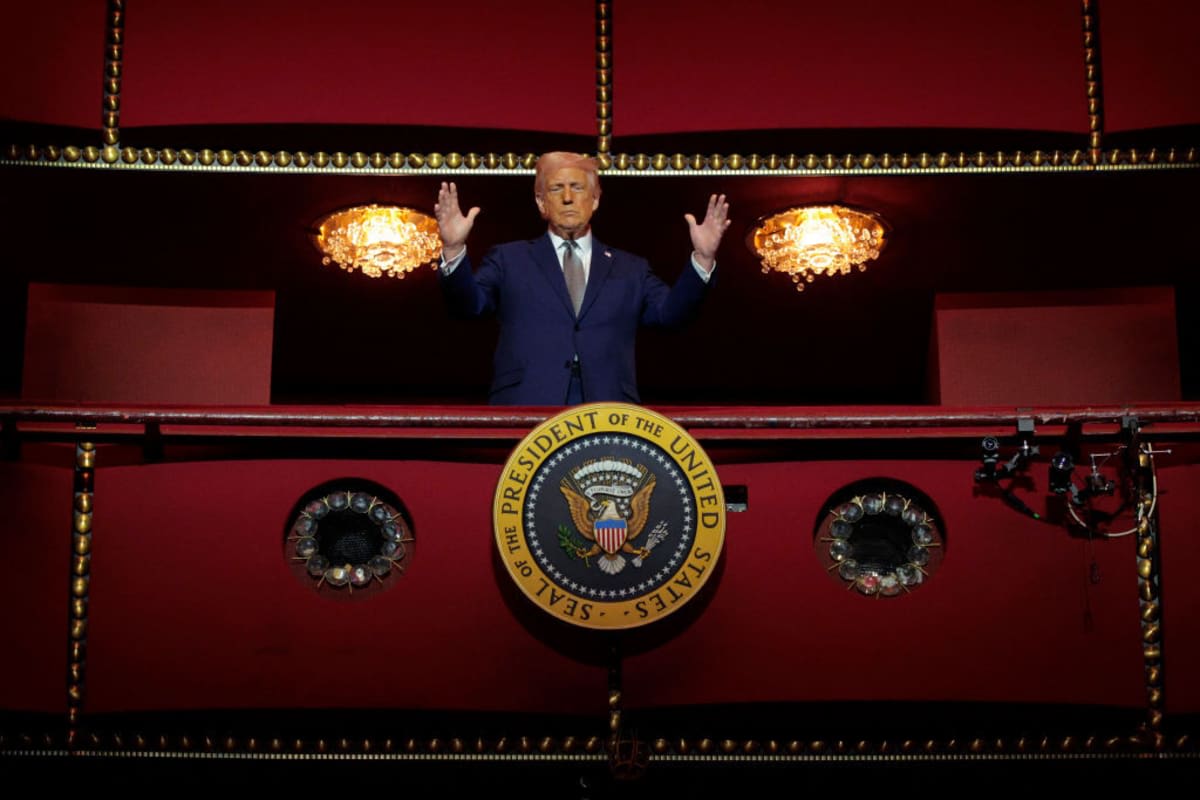
While the opera did not directly cite President Trump or the Center’s rebranding as reasons for its decision, officials pointed to new financial and operational requirements imposed under the venue’s revised business model.
According to the opera, the Kennedy Center now required productions to be fully funded in advance, a condition it said was “incompatible with opera operations,” which relied on grants, donations, and long-term planning.
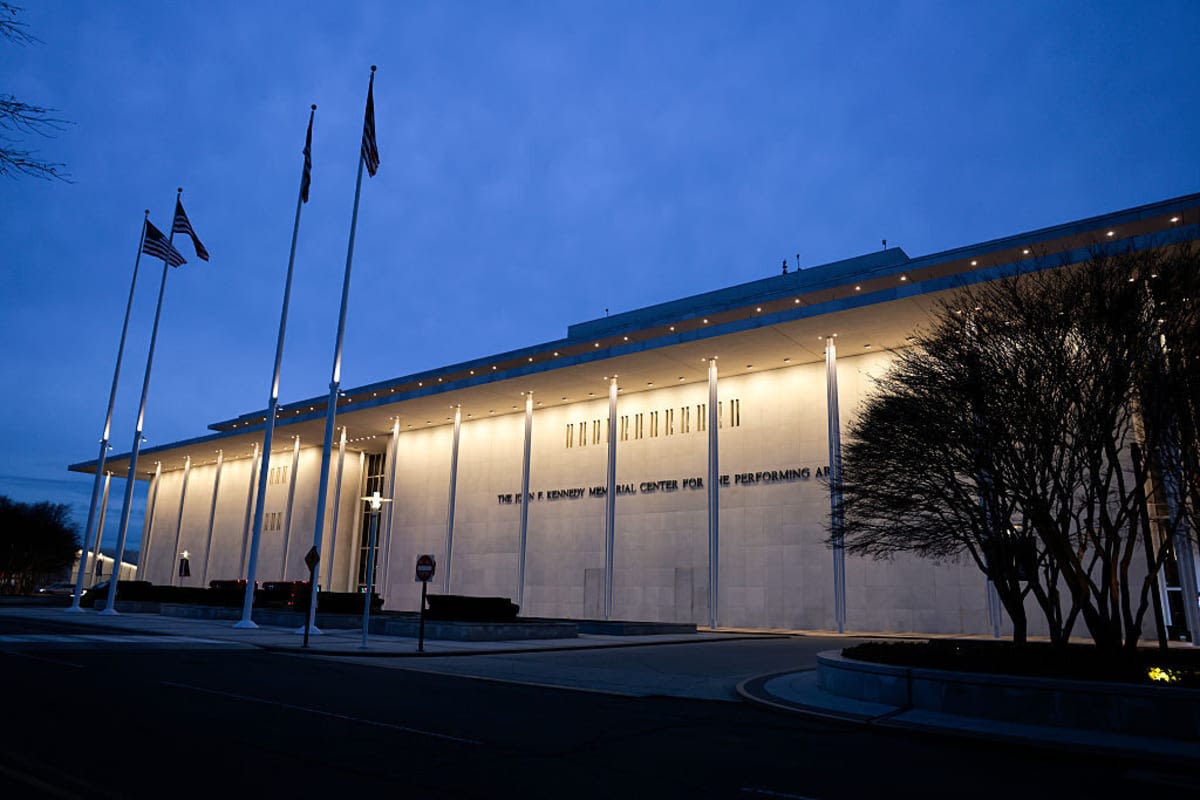
Opera leadership also said that the model did not allow for revenue from popular productions to subsidize lesser-known works, a practice it described as essential to its artistic mission.
“I have been proud to be affiliated with a national monument to the human spirit,” said Francesca Zambello, WNO’s artistic director of 14 years.