Kennedy Center changed bylaws months before Trump-appointed board added his name
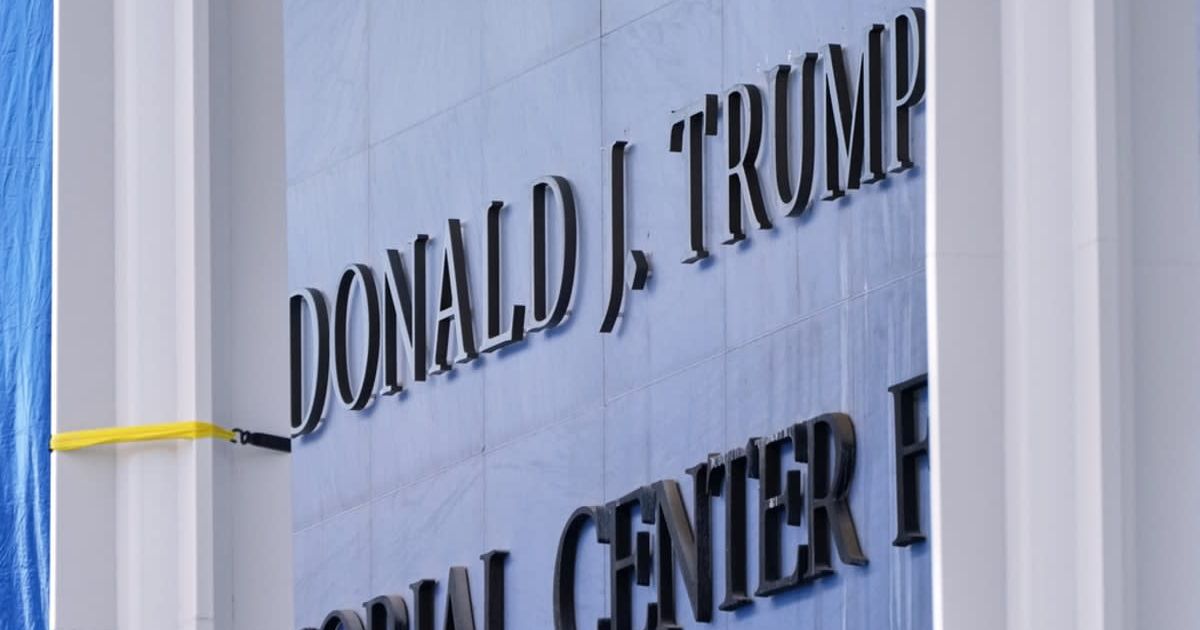
WASHINGTON, DC: Months before a Trump-installed board unanimously voted to add President Donald Trump’s name to the Kennedy Center, the institution quietly revised its bylaws in a move that narrowed voting authority and sidelined congressionally designated trustees.
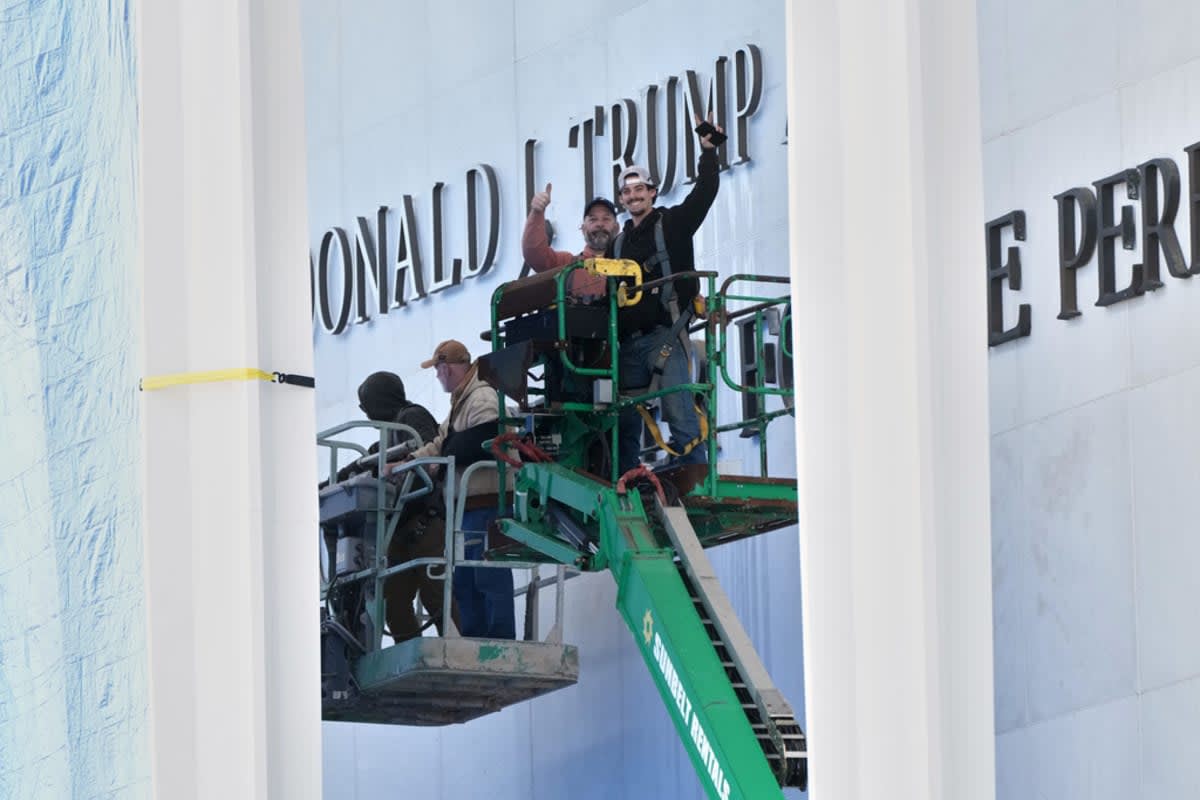
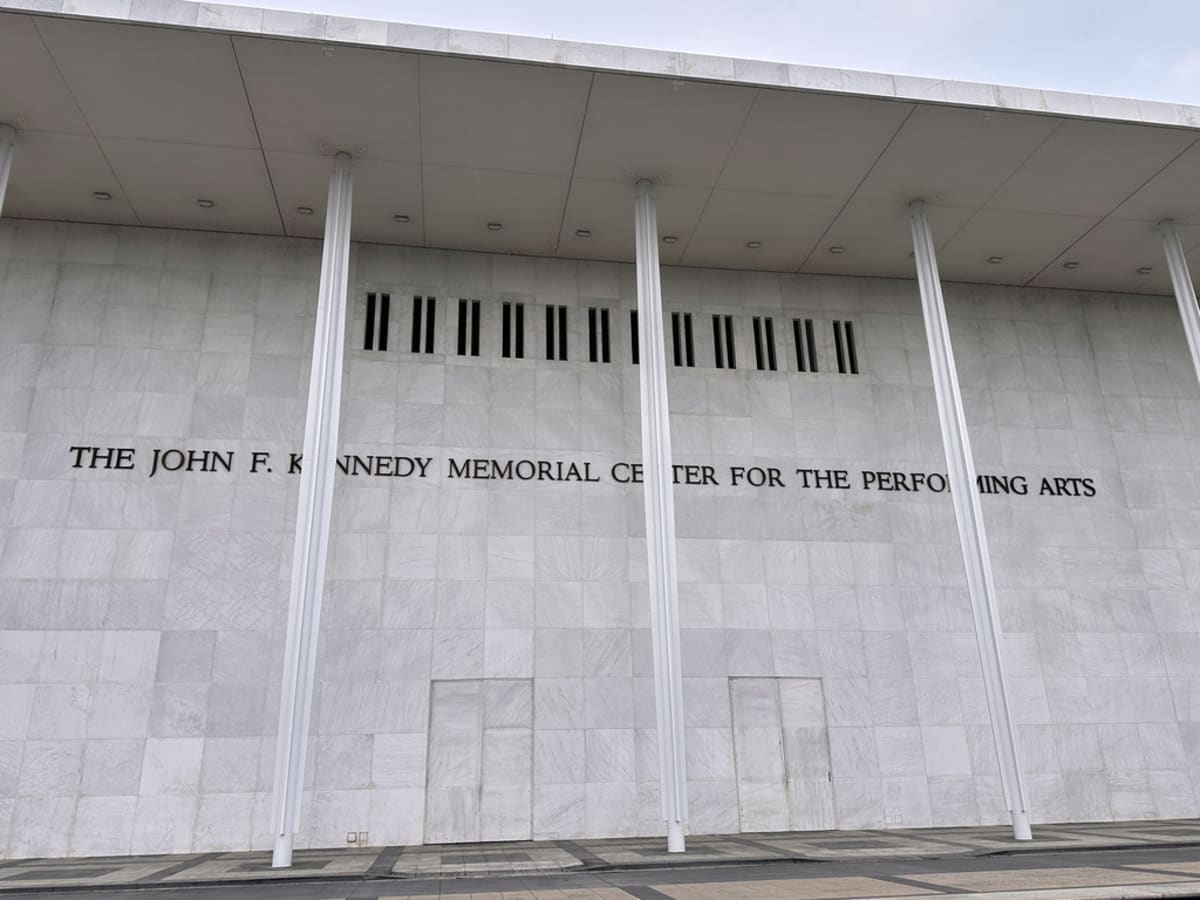
The changes, adopted in May and first reported by The Washington Post, came ahead of a Dec. 18 vote that rechristened the landmark arts institution as 'The Donald J. Trump and The John F. Kennedy Memorial Center for the Performing Arts.' The decision sparked legal concerns, political backlash, and a wave of artist cancellations.
Bylaw changes narrowed voting power to Trump appointees
According to the revised bylaws obtained by The Washington Post, only presidentially appointed trustees were permitted to vote or be counted toward a quorum. Trustees designated by Congress, known as ex officio members, were explicitly excluded from both roles.

Legal experts told the outlet that the revisions may conflict with the Kennedy Center’s federal charter, which establishes the institution as a living memorial to President John F. Kennedy and outlines its governance without distinguishing between voting and nonvoting trustees.
The timing of the changes drew heightened scrutiny. The bylaw revisions were approved months before Trump completed a sweeping reshuffle of the board in February, removing members he had not appointed and consolidating control among loyalists.
Trump takeover reshaped leadership and programming
Following the February overhaul, the Kennedy Center experienced shifts that critics said aligned the institution more closely with the Trump administration’s cultural priorities.
Ticket sales reportedly declined, programming decisions shifted, and the annual Kennedy Center Honors ceremony was hosted by Trump himself — an unprecedented move for an event traditionally insulated from politics.

Days later, the board voted unanimously on Dec. 18 to add Trump’s name to the building. Within 24 hours, the updated name appeared online and on the physical structure.
Democrats allege silencing and legal violations
Democratic lawmakers and arts advocates raised alarms, arguing that renaming a congressionally established memorial while Trump remains alive may violate federal law.
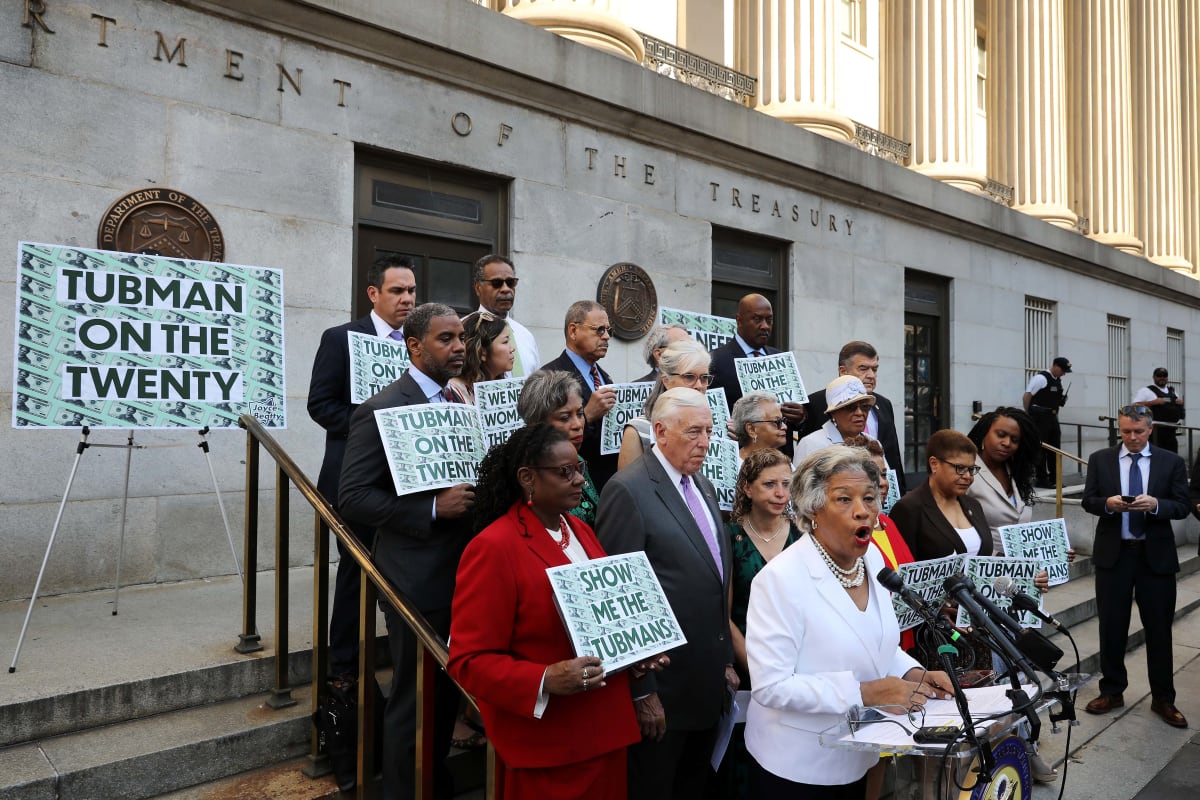
They also alleged procedural irregularities during the Dec. 18 vote. Rep. Joyce Beatty of Ohio, an ex officio board member, was reportedly muted when she attempted to speak during the meeting.
Roma Daravi, the Kennedy Center’s vice president of public relations, disputed those claims in an email to The Washington Post.
“The bylaws were revised to reflect this longstanding precedent, and everyone received the technical changes both before the meeting and after revisions,” Daravi wrote. “Some members, including ex officio members, attended in person, others by phone, and no concerns were voiced. No one objected, and the bylaws passed unanimously.”
Daravi added that ex officio members have never voted, a point that remains contested.
Federal law leaves room for ambiguity
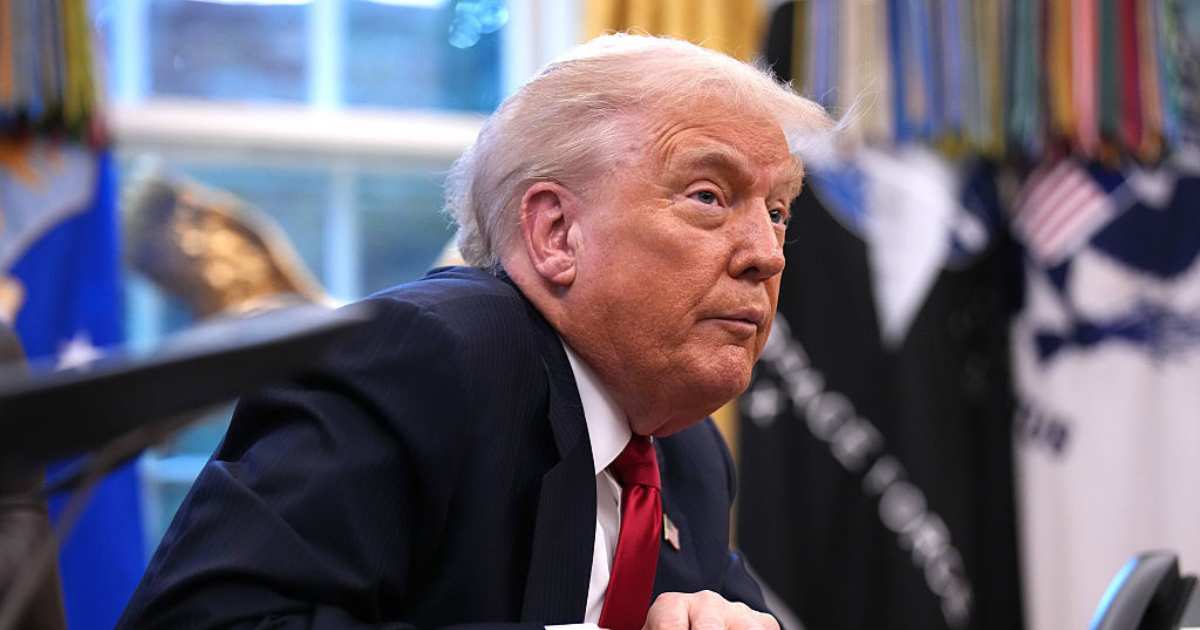
The Kennedy Center currently lists 34 presidentially appointed trustees, including Trump, who serves as chair, along with 23 ex officio members. The center’s president, Richard Grenell, also serves as a board officer.
Federal law designates several officials as ex officio trustees, including the librarian of Congress, the mayor of Washington, DC, the secretary of the Smithsonian Institution, and Senate leadership. While the law identifies them as board members, it does not explicitly define voting rights.
Notably, earlier versions of the center’s bylaws also made no such distinction. Recent tax filings, however, list 59 “voting members,” a figure that includes both appointed and ex officio trustees.
Former staffers describe shifting norms
A former Kennedy Center staffer, speaking anonymously out of fear of retaliation, told The Washington Post that ex officio members were historically included in discussions, even if their votes were not routinely counted.
“Theoretically they could vote, but our practice was not to have them vote or count toward quorum,” the former staffer said, adding uncertainty about how the new leadership now conducts meetings.
Another individual familiar with board operations described the situation more bluntly: “Like a lot of things, this seems to be in dispute.”
Artists cancel as scrutiny intensifies
The renaming decision has triggered public backlash, with several artists canceling scheduled performances. Critics argue the move politicizes an institution long regarded as a bipartisan cultural landmark.
Additional bylaw changes adopted in May further strengthened presidential authority by stating that general trustees “serve at the pleasure of the President” and by granting the chair expanded appointment powers, including naming the center’s president as chief executive.