White House confirms Trump will ease Biden-era vehicle fuel standards
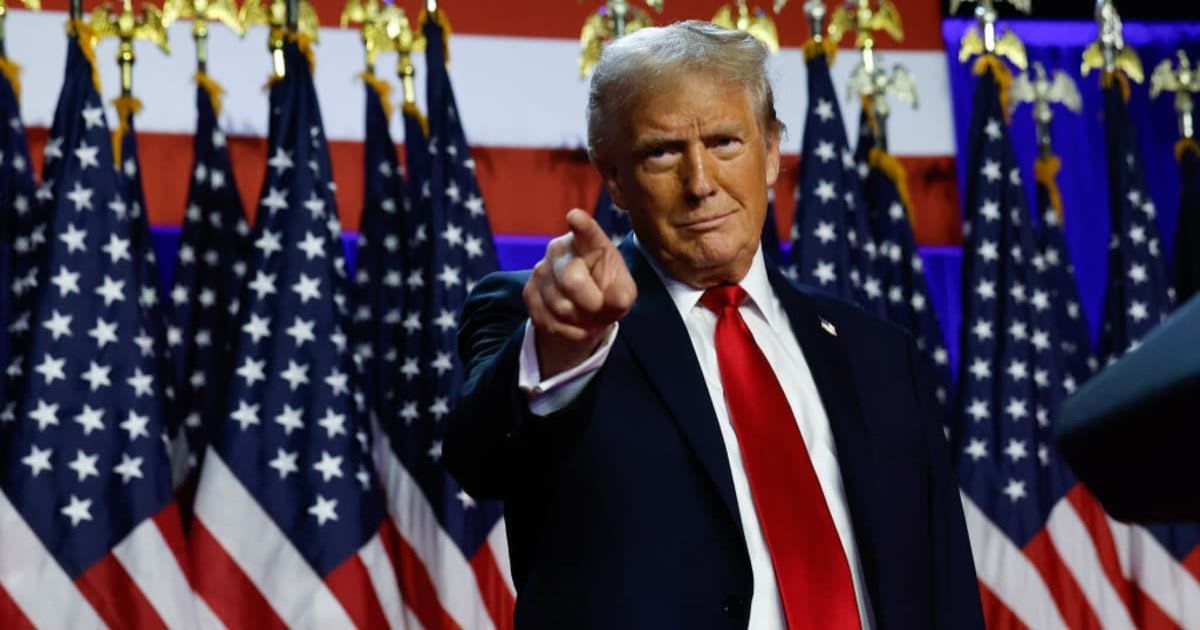
🚨 BREAKING: In a blockbuster announcement, President Trump REVERSES Biden-era vehicle fuel efficiency regulations - saving Americans up to $109 BILLION DOLLARS, and $1,000+ per car for the consumer.
— Eric Daugherty (@EricLDaugh) December 3, 2025
This is MASSIVE!
"The DOT will RESCIND the Biden fuel economy prices. They… pic.twitter.com/OgCpboijS4
WASHINGTON, DC: President Donald Trump announced a significant loosening of federal vehicle fuel efficiency standards on Wednesday, December 3, dismantling a signature climate policy of the Biden administration.
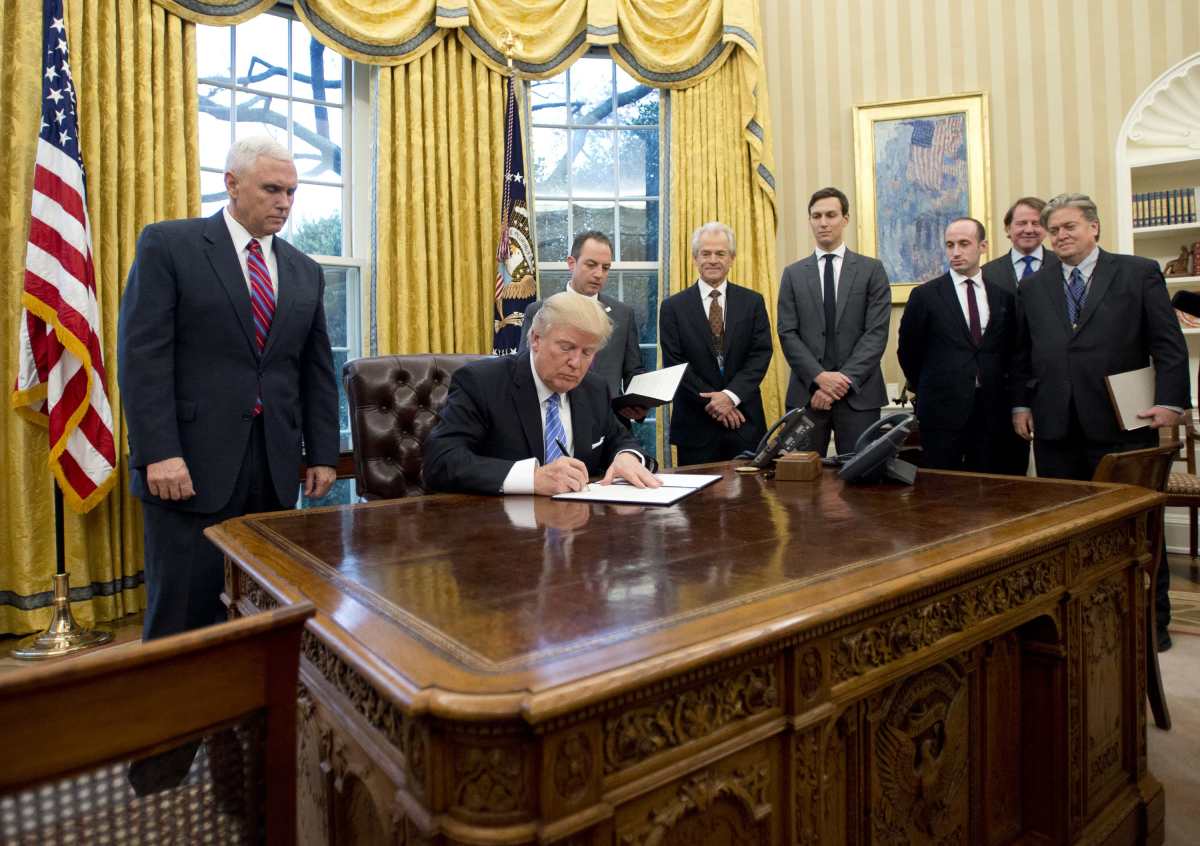
A White House official confirmed earlier that the president will unveil the reset of the Corporate Average Fuel Economy (CAFE) standards during an event in the Oval Office, flanked by top automotive executives.
The administration projects that the move to relax the stringent requirements for vehicles made between 2027 and 2031 will save Americans up to $109 billion in total costs.
Auto industry giants back the realignment with 'market realities'
The decision marks a pivot toward what the White House calls "market realities," moving away from the aggressive annual efficiency increases mandated by the previous administration.
Major industry leaders have signaled strong support for the rollback, arguing that the previous targets were unrealistic and costly for consumers.
Ford CEO Jim Farley praises President Trump’s move to reset Biden era fuel standards, says it’s a great day for the USA. pic.twitter.com/kxew3ZFfEv
— Mary Margaret Olohan (@MaryMargOlohan) December 3, 2025
Ford CEO Jim Farley and Stellantis CEO Antonio Filosa attended the Oval Office announcement.
"As America’s largest auto producer, we appreciate President Trump’s leadership in aligning fuel economy standards with market realities," Farley said in a statement.

He added, "We can make real progress on carbon emissions and energy efficiency while still giving customers choice and affordability. This is a win for customers and common sense."
Filosa echoed these sentiments, stating that Stellantis looks forward to policies that allow them to "offer our customers the freedom to choose the vehicles they want at prices they can afford."
General Motors also released a statement supporting the goal of aligning standards with "market realities" while maintaining a commitment to a broad portfolio of vehicles.
Dismantling the Biden-era EV mandate
The rollback targets regulations finalized in 2024, which required a 2% increase in fuel efficiency each year for passenger cars and a similar ramp-up for light trucks.
The Biden administration had aimed to bring the average fleet fuel economy to approximately 50.4 miles per gallon by 2031.

Former officials had claimed these standards would save consumers $600 in gasoline costs over the life of a vehicle and prevent millions of metric tons of carbon emissions.
However, the Trump administration has reportedly consistently characterized these rules as a de facto "electric vehicle mandate" that forces expensive technology onto consumers who may not want it.
By loosening these requirements, the White House argues that it is prioritizing immediate economic relief and consumer choice over long-term climate modeling.
Critics warn of rising gas costs and pollution
Environmental groups and consumer advocates have sharply criticized the move, warning that it will ultimately cost drivers more at the pump.
Dan Becker, director of the Center for Biological Diversity’s Safe Climate Transport Campaign, slammed the decision as a handout to corporate interests.
"In one stroke Trump is worsening three of our nation’s most vexing problems: the thirst for oil, high gas pump costs and global warming," Becker stated.
He accused the president of killing strong standards as a favor to his "Big Oil, Big Auto and OPEC golf buddies."
Consumer Reports has also pushed back on the idea that efficiency standards drive up vehicle prices significantly.
An analysis by the group found "no systemic, statistically significant increase" in inflation-adjusted car prices due to previous efficiency rules, while noting that better mileage saved owners of 2021 models roughly $7,000 compared to 2003 models.

Despite these objections, the administration maintains that the "reset" is necessary to protect the US auto industry from being hamstrung by unachievable government mandates.