White House construction may have contributed to Trump’s Marine One close encounter with jet
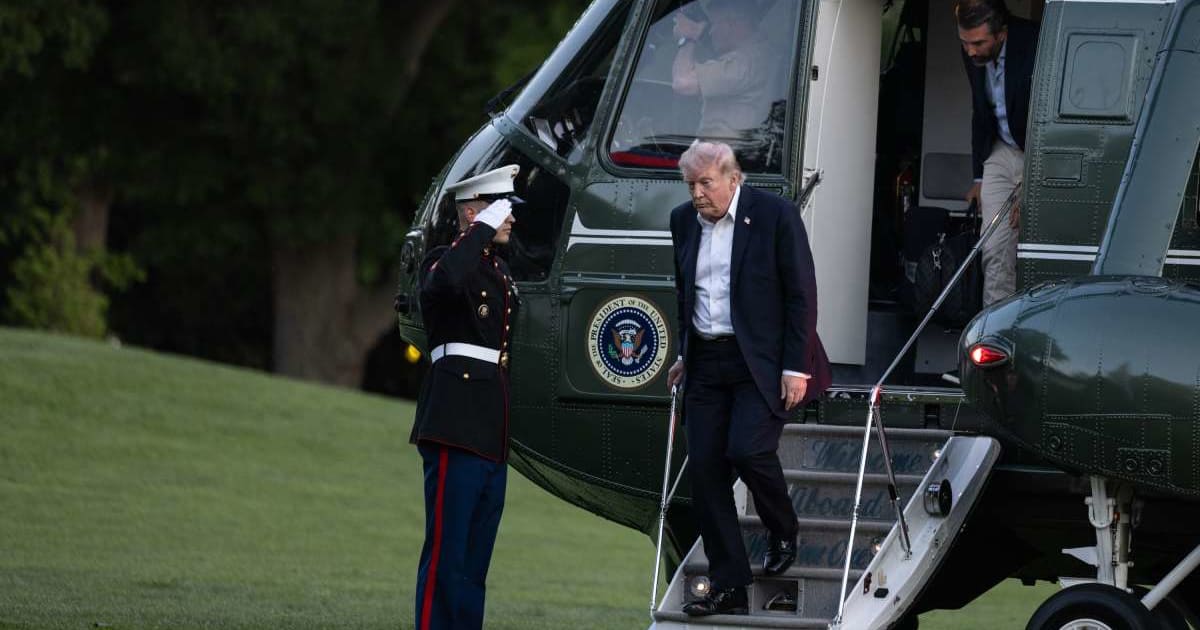
WASHINGTON, DC: The slew of construction work taking place at the White House may have contributed to a mid-air safety incident involving a commercial jet that flew too close to a helicopter carrying President Donald Trump, according to a new report from the National Transportation Safety Board.
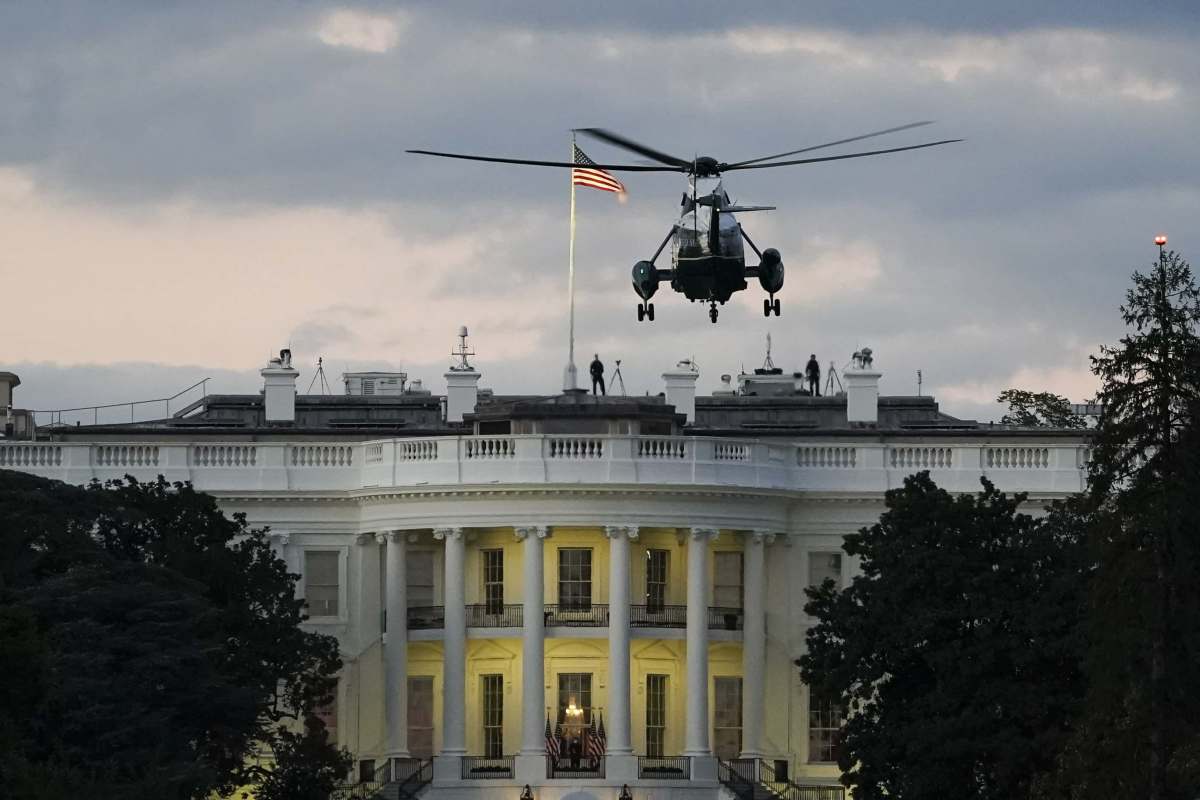
The incident took place at around 2:30 pm on August 04 when Trump’s Marine One came within 0.82 miles of the departing passenger plane after air traffic controllers at Reagan Washington National Airport failed to halt commercial flights before the helicopter departed the White House for Joint Base Andrews in Maryland.
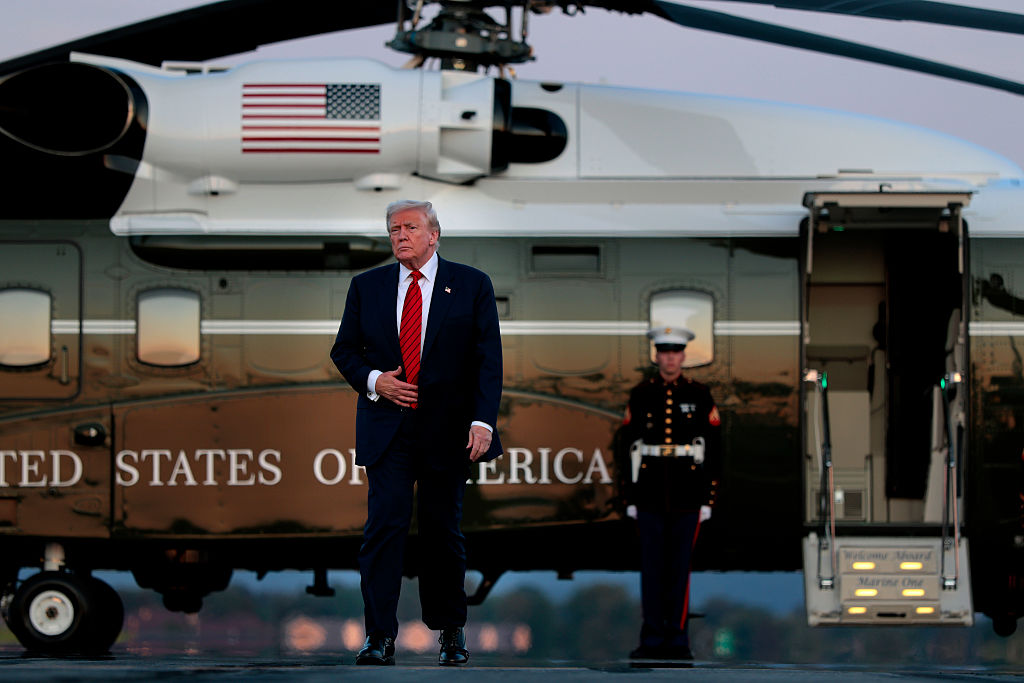
Officials stressed that the president was never in danger during the incident, but having both the jet and helicopter in the air at the same time seemed to violate safety procedures put in place after last year’s midair collision near the busy airport that killed 67 people.
Air traffic controllers and Marine One pilots met to discuss communication issues
A preliminary report by the National Transportation Safety Board noted that the incident took place after controllers failed to receive calls warning that the helicopter was preparing to depart on August 4.
This came just a week after air traffic controllers and Marine One pilots met to discuss a communication problem that meant controllers were not receiving the standard three-minute warning before Marine One flights.
They agreed to have another party relay the radio calls if the issue happened again, but that backup plan also failed on the day of the incident.
Tower recordings showed controllers never heard the Marine One pilot’s warning calls, although separate recordings published by ATC.com indicated that the helicopter had made the calls.
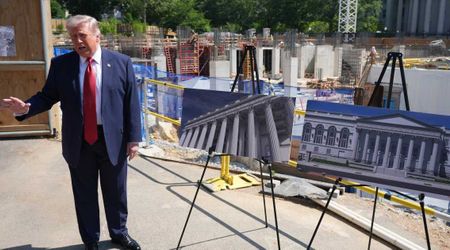
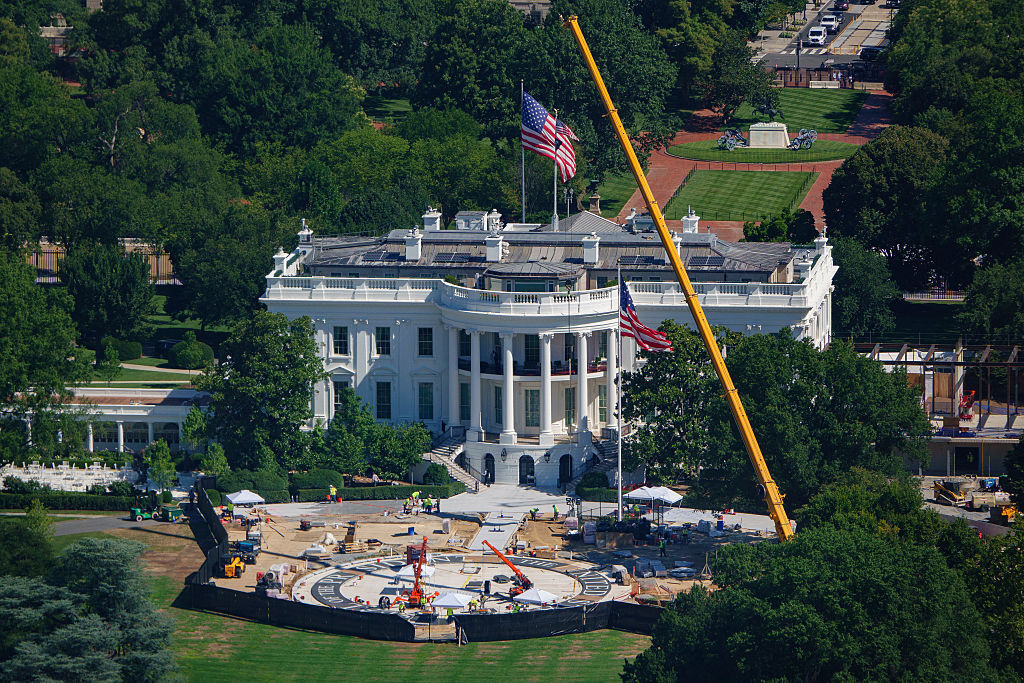
Investigators later found that Marine One had difficulty communicating with the tower at times because the helicopter's takeoff location had been temporarily moved from the South Lawn to the Ellipse, the park south of the White House, due to construction work to build the new ballroom.
Technicians “conducted a coverage analysis and determined that there was not adequate line-of-sight to ensure communications” between the Ellipse and the tower “while construction was ongoing at the White House,” the board’s report reads.
FAA fixed the antenna, not the problem
Following the close call, Bryan Bedford, who leads the Federal Aviation Administration, told reporters that his agency had made changes to communication procedures and had relocated an air traffic antenna to help fix the problems.
“The FAA took immediate action following the Aug 4 incident involving Marine One,” Hannah Walden, an FAA spokeswoman, said in a statement, listing the changes that Mr Bedford had referred to earlier in the week
But the changes may not have fully resolved the issue. Just hours after the NTSB released its preliminary report Thursday, air traffic controllers again appeared to struggle to hear Marine One transmissions, minutes before the helicopter was scheduled to depart the Ellipse. Controllers instead relied on nearby helicopters to prepare for the president’s departure.
Aviation safety expert Jeff Guzzetti also stressed that the issue had not been traced to its cause earlier despite previous communication problems.
"Even though they were aware of some previous communications issues, they never got at the root cause," he said.
Guzzetti, a former crash investigator with both the NTSB and FAA, also said the controller was not at fault.