9/11 cancer nightmare spirals as toxic dust death claims hit 10,000 with more feared
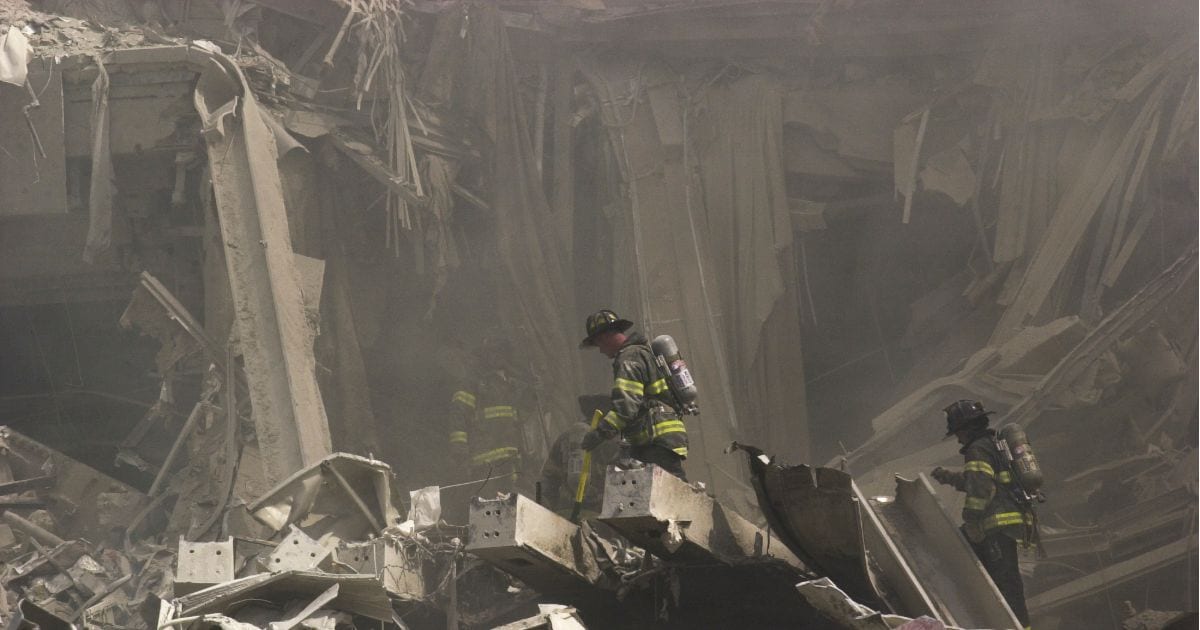
NEW YORK CITY, NEW YORK: More than 25 years after the September 11 attacks, the health consequences of the destruction of the World Trade Center continue to emerge in the United States.
People who inhaled the dust and smoke released when the towers collapsed have spent years dealing with serious illnesses, including several forms of cancer.
The latest compensation figures offer a stark indication of how far-reaching that health crisis has become.
9/11 illness claims surge
The aftermath of September 11 has extended far beyond the lives lost on the day of the attacks, with a federal compensation fund now facing more than 10,000 claims involving people who later died from related illnesses.
The September 11th Victim Compensation Fund's October report put the number of deceased claims at 10,029.
At the close of 2015, the figure stood at just 610, meaning the total has climbed more than fifteenfold in under 11 years.
These filings concern people who developed illnesses linked to exposure to hazardous substances during the attacks or the cleanup that followed, not those killed when the planes struck the World Trade Center and Pentagon.
However, not every filing has resulted in an approved compensation award.
By November, the fund had cleared 6,397 awards involving deceased claimants.
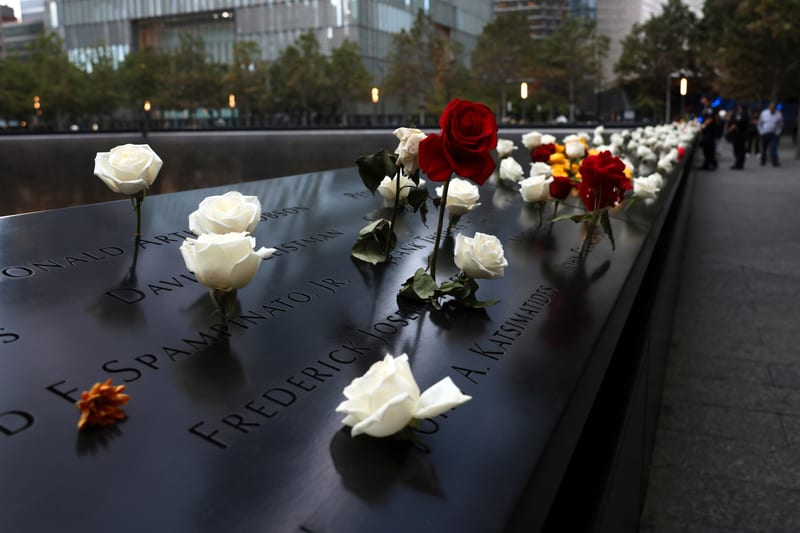
Cancer dominated those decisions: 5,997 awards were connected to the disease, representing roughly 93% of the total.
The figures also reflect how the health consequences of exposure unfolded over time.
Toxic contaminants around Ground Zero affected people who spent time in the area during and after the attacks, while some associated diseases emerged years later.
The affected population stretches well beyond the emergency crews who responded to the disaster.
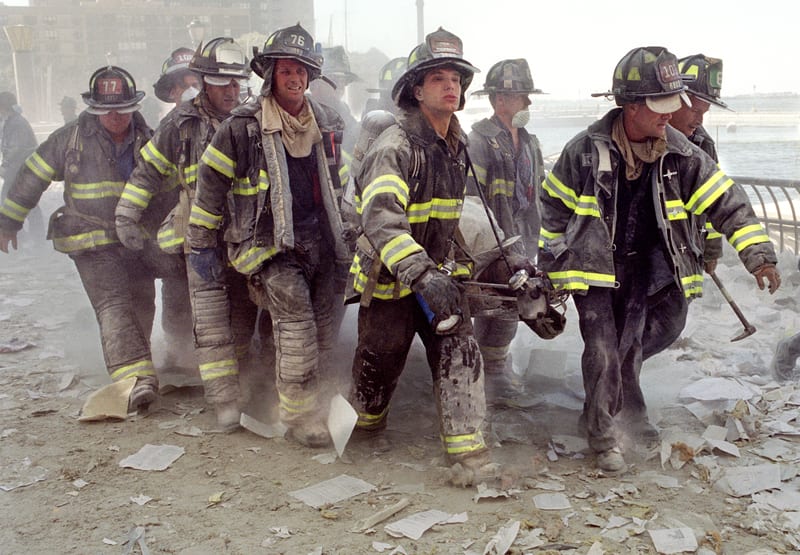
Firefighters, recovery personnel and others who worked at the site faced exposure, but so did people living, working or attending school in nearby neighborhoods.
The federal health program estimates that approximately 400,000 people encountered toxic contaminants, physical hazards or other stressful conditions in the aftermath.
Our newest installation “Dust: Illness and Advocacy After 9/11” explores the impact of the toxic dust that blanketed city streets and coated the insides of homes, businesses, and schools in the area after the attacks: https://t.co/5c5WUD9RRE https://t.co/loLYKJSBpC
— 9/11 Memorial & Museum (@Sept11Memorial) July 24, 2024
Ground Zero dust left lasting damage
The collapse of the World Trade Center unleashed an unprecedented environmental hazard across New York.
As the towers came down on September 11, 2001, vast quantities of pulverized construction material, burning debris and smoke spread through Lower Manhattan and neighboring parts of Brooklyn.
The resulting dust contained asbestos, lead, glass fibrers, soot and heavy metals, alongside toxic chemicals produced by burning jet fuel, plastics and other materials.
At Ground Zero, fires smoldered beneath the wreckage for months, with burning and flare-ups continuing through December 2001 and into 2002.
Every stage of the recovery operation disturbed the debris, releasing more particles into the surrounding air.
Workers clearing the wreckage and people living or working nearby faced repeated exposure.
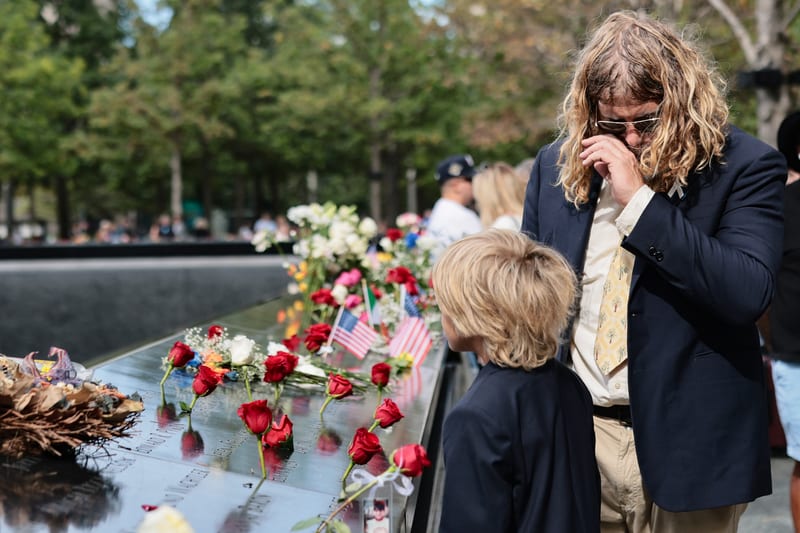
The illnesses that followed affected several parts of the body.
Many exposed individuals developed chronic respiratory conditions, including asthma, persistent coughing, sinus disorders and difficulty breathing.
Digestive problems, particularly gastroesophageal reflux disease, were also documented.
The World Trade Center Health Program recognizes several other conditions, including chronic obstructive pulmonary disease, interstitial lung disease and sleep apnea under its covered categories.
Cancer represents another major category of illnesses associated with the exposure.
The federal health program includes coverage for cancers of the lung, breast, prostate, thyroid and digestive organs, among others.
However, a diagnosis alone does not automatically qualify someone for treatment through the program.
Each condition must meet the program's certification requirements establishing its connection to exposure from the September 11 attacks and their aftermath.