A hidden problem in government records just complicated Trump's voter purge plan

WASHINGTON, DC: A federal appeals court has rejected the Trump administration’s request to immediately restore an expanded Department of Homeland Security database for checking voter citizenship, keeping a lower-court order in place ahead of the November midterms.
The DC Circuit’s majority pointed to outdated government records that can incorrectly identify naturalized Americans as noncitizens.

The court also criticized the Justice Department for presenting major legal arguments only after losing in district court.
The decision does not end the administration’s appeal, which the court ordered to move on an expedited schedule.
Court keeps expanded SAVE system blocked
The 2-1 ruling leaves in place US District Judge Sparkle Sooknanan’s order preventing DHS from using the modified Systematic Alien Verification for Entitlements, or SAVE, system as a mass voter-citizenship checker.
Chief Judge Sri Srinivasan and Judge Robert Wilkins formed the majority, while Judge Gregory Katsas dissented.
The majority said the administration had not met the requirements for an emergency stay.
The underlying case remains active, with the appeals court ordering an accelerated briefing schedule.
Government records can misidentify citizens
The judges highlighted two naturalized US citizens whose Social Security records continued to identify them as noncitizens.
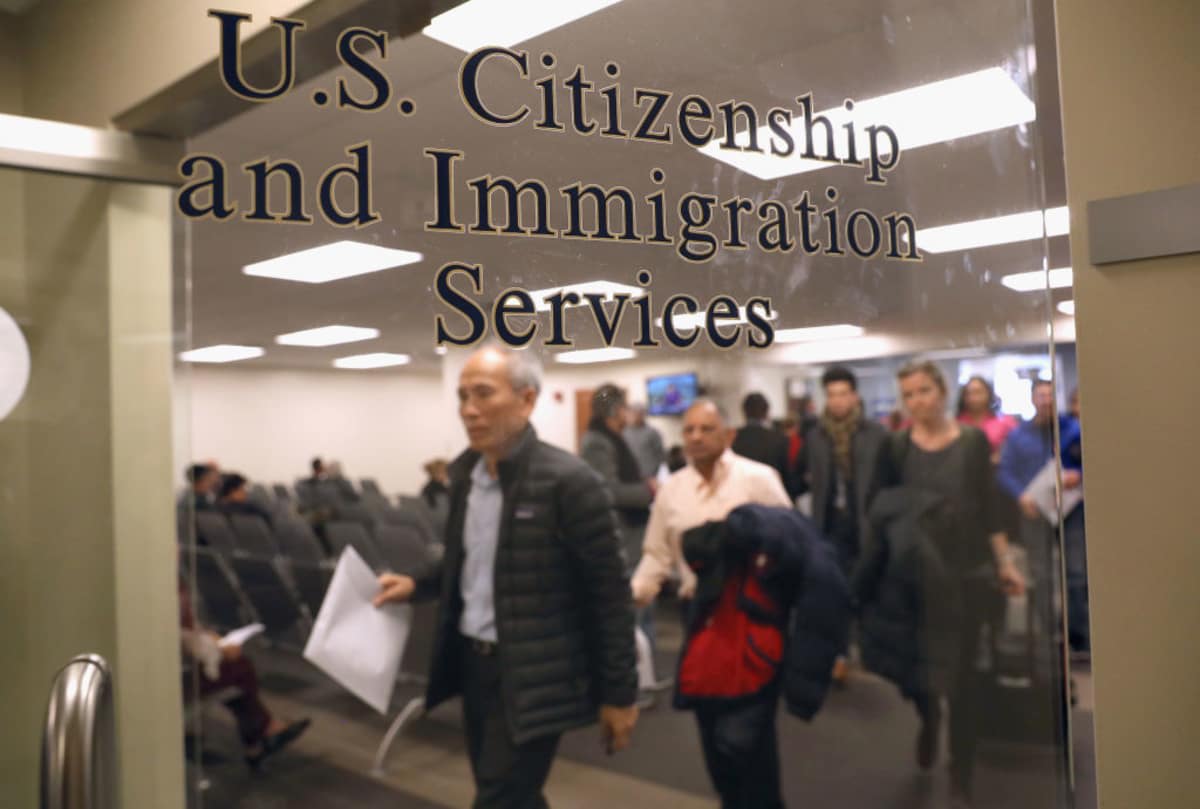
The majority said outdated information could cause those voters to be flagged if their records were checked through the modified SAVE system.
The court also noted that DHS itself had warned that inaccuracies in Social Security data could produce incomplete or false results.
The issue had already surfaced in Texas, where voters incorrectly flagged through SAVE were required to provide proof of citizenship and, in some cases, had their registrations canceled.
SAVE checked more than 67 million registrations
The Trump administration expanded SAVE after directing DHS to work with the Social Security Administration and make the system available for election-related citizenship checks.
At least 25 states used the system to examine voter rolls after the changes were introduced.
More than 67 million registrations were eventually checked, primarily in Republican-led states.
Thousands were flagged as potential noncitizens, although subsequent reviews found that some were eligible US citizens.
The original SAVE program was created to help government agencies verify immigration status when administering benefits.
Judges fault DOJ's late arguments
The appeals court also addressed how the Justice Department presented its case.
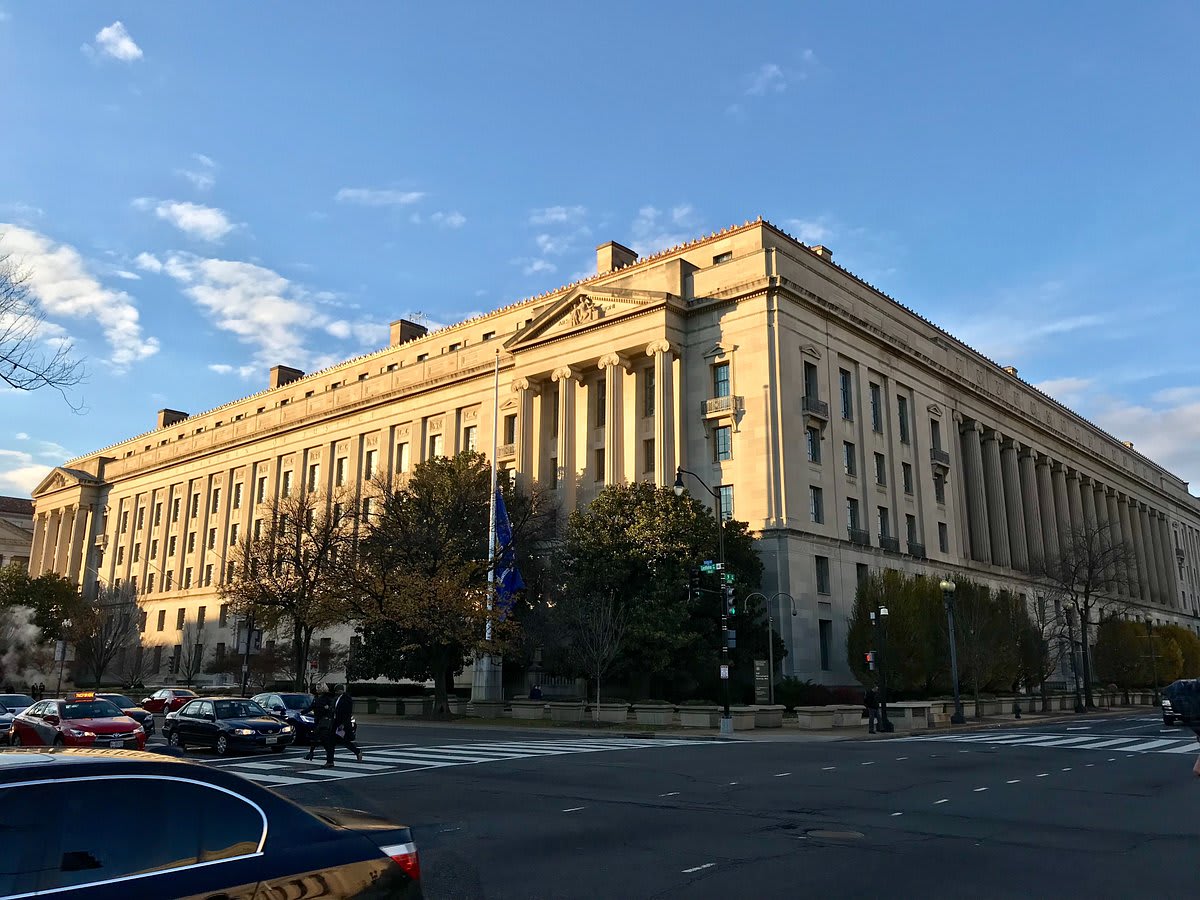
The majority said the DOJ relied heavily on legal arguments concerning the Social Security Act that had not been presented to the district court before Sooknanan issued her ruling.
The district judge had invited the administration to return to her court with a post-judgment motion addressing those arguments. Instead, the majority said, the government “came straight to our court.”
The judges said the administration was seeking extraordinary relief based partly on arguments it had not preserved earlier in the case.
Voter checks return to states
The appeals court said blocking the modified SAVE system does not prevent states from maintaining their voter rolls.
States handled voter verification before the federal government expanded SAVE for this purpose, the majority said.
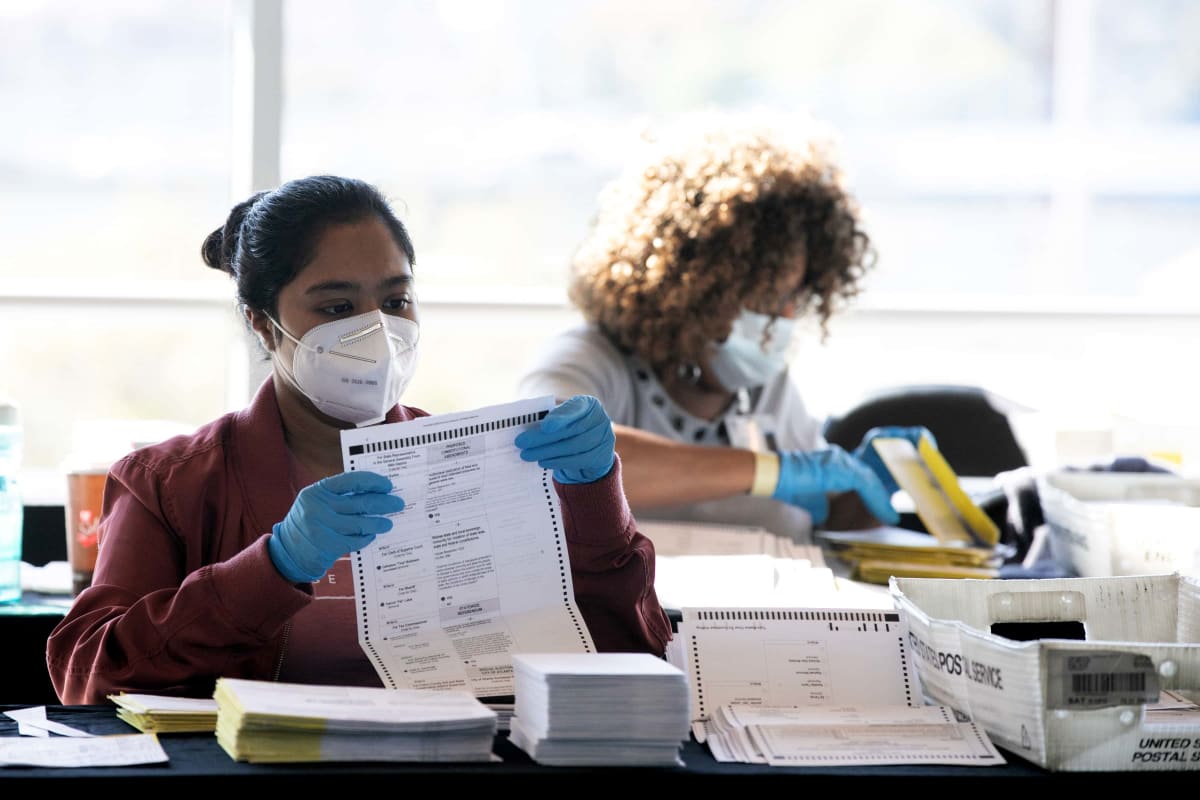
For voters, the ruling means the disputed federal database cannot immediately resume mass citizenship checks while the appeal continues.
States can continue using their existing procedures to verify eligibility.
The court has ordered the broader legal challenge to move quickly, leaving the future of the federal system unresolved before the November election.