Air Canada plane and fire truck cleared by controller to cross runway seconds before crash: NTSB
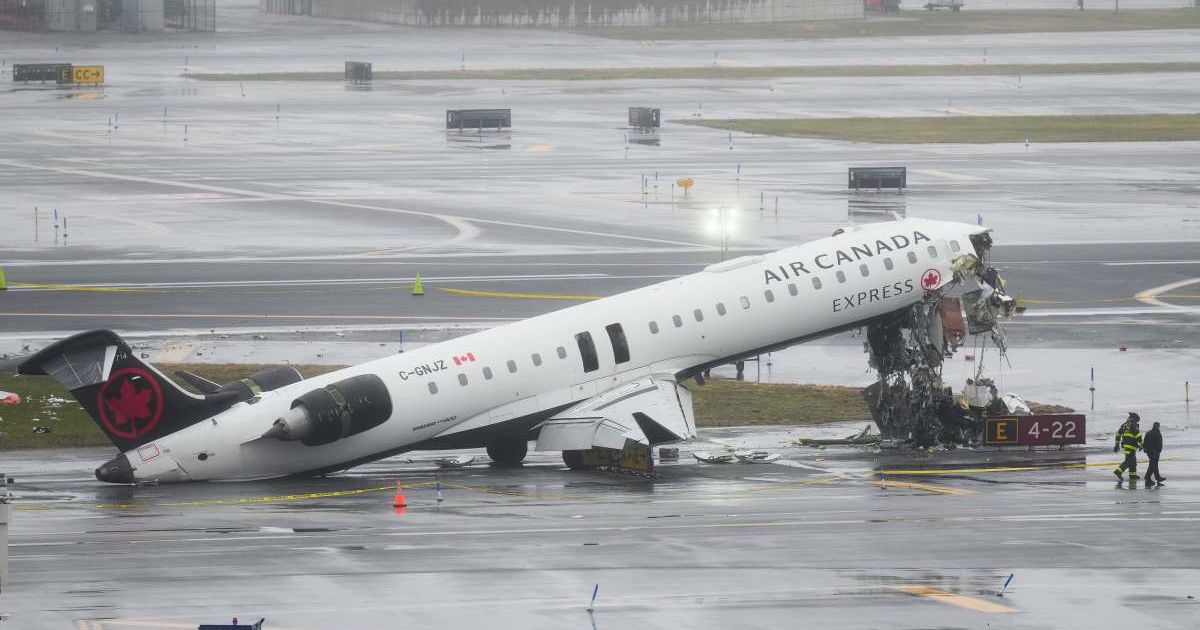
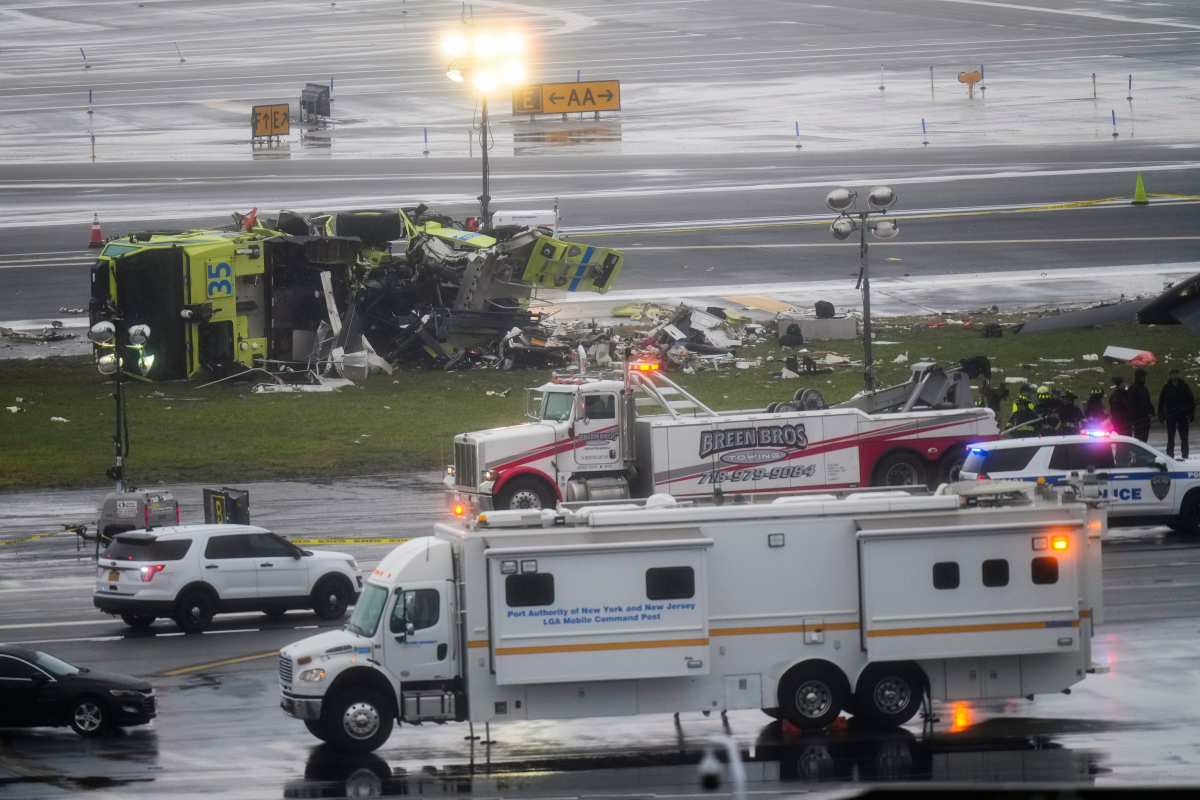
NEW YORK CITY, NEW YORK: Federal investigators say both an Air Canada jet and an airport fire truck were cleared to be on the same runway just seconds before a deadly collision at LaGuardia Airport - leaving almost no time to prevent disaster.
The crash, which happened late March 22, Sunday night, is now under intense scrutiny as officials try to understand how multiple safety systems failed at once.
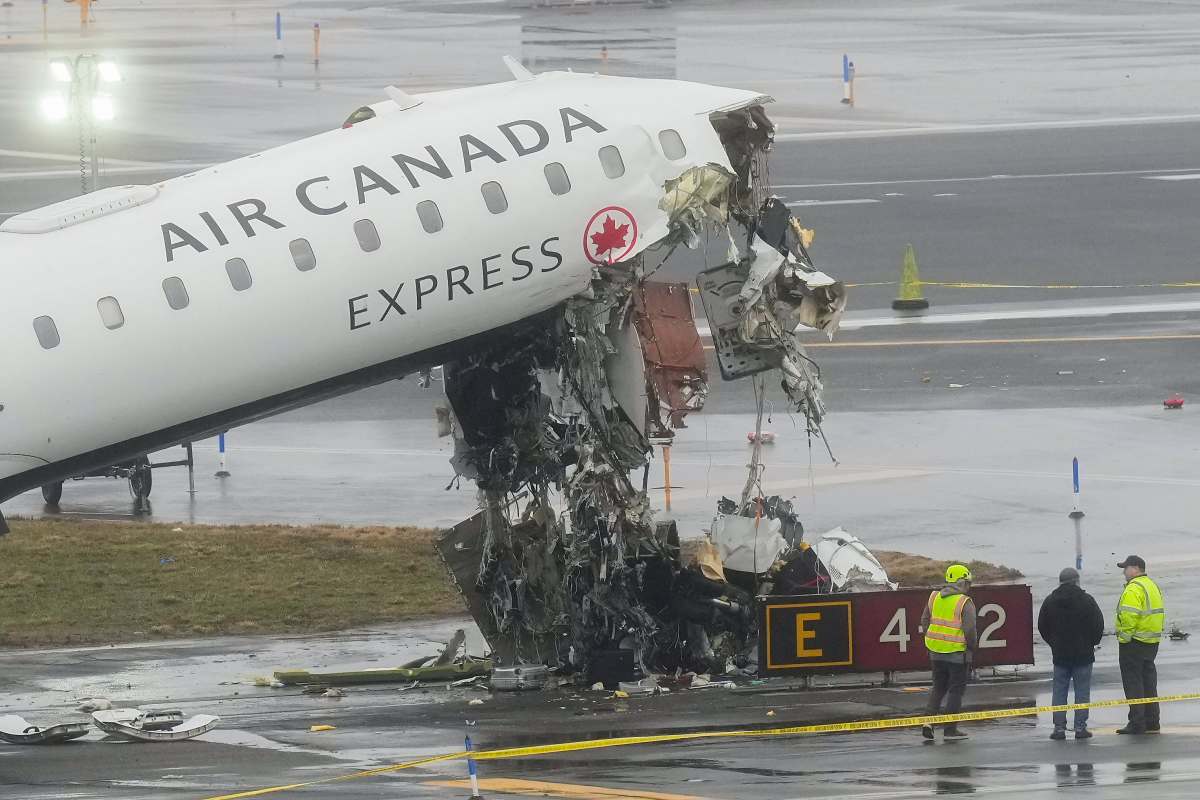
Both aircraft and fire truck cleared seconds before impact
According to the National Transportation Safety Board, one of only two air traffic controllers on duty cleared the fire truck to cross the runway just 12 seconds before the plane touched down.
The Air Canada flight had already been cleared to land nearly two minutes earlier.
🚨 HORROR FOOTAGE: Video shows Air Canada Flight AC8646 colliding with a Port Authority fire truck at LaGuardia Airport.
— Breaking911 (@Breaking911) March 23, 2026
Both pilots are dead. Dozens of passengers and two on the truck were injured.
LGA remains closed as NTSB investigates.
pic.twitter.com/QtV3CMs3Uz
Investigators say the timeline shows how quickly things escalated. The fire truck requested permission to cross the runway just 25 seconds before the crash. Five seconds later, it was cleared even as the aircraft was already descending and close to landing.
Just nine seconds before impact, the tower instructed the truck to stop. But by then, it was too late.
NTSB says multiple failures likely led to crash
NTSB Chair Jennifer Homendy stressed that accidents like this are rarely caused by a single mistake.
“We rarely, if ever, investigate a major accident where it was one failure,” she said. “When something goes wrong, that means many, many things went wrong.”
NTSB Chair @JenniferHomendy on on LaGuardia Airport plane crash: "We rarely if ever investigate a major accident where it was one failure…There are multiple…layers of defense built in to prevent an accident. When something goes wrong, that means many, many things went wrong." pic.twitter.com/g7OjND9tFy
— CSPAN (@cspan) March 24, 2026
Investigators are now examining several factors, including why a runway warning system did not alert controllers, how ground and air traffic were being coordinated, and whether the fire truck crew heard instructions to stop.
They are also looking into whether the airport’s runway status lights - designed to warn vehicles not to enter an active runway were visible and effective at the time.
Heavy workload and limited staffing under review
Only two controllers were on duty at the time - standard for a late-night shift at LaGuardia.
However, officials noted that traffic that night was heavier than expected, with delayed flights leading to a surge in arrivals and departures after 10 pm.
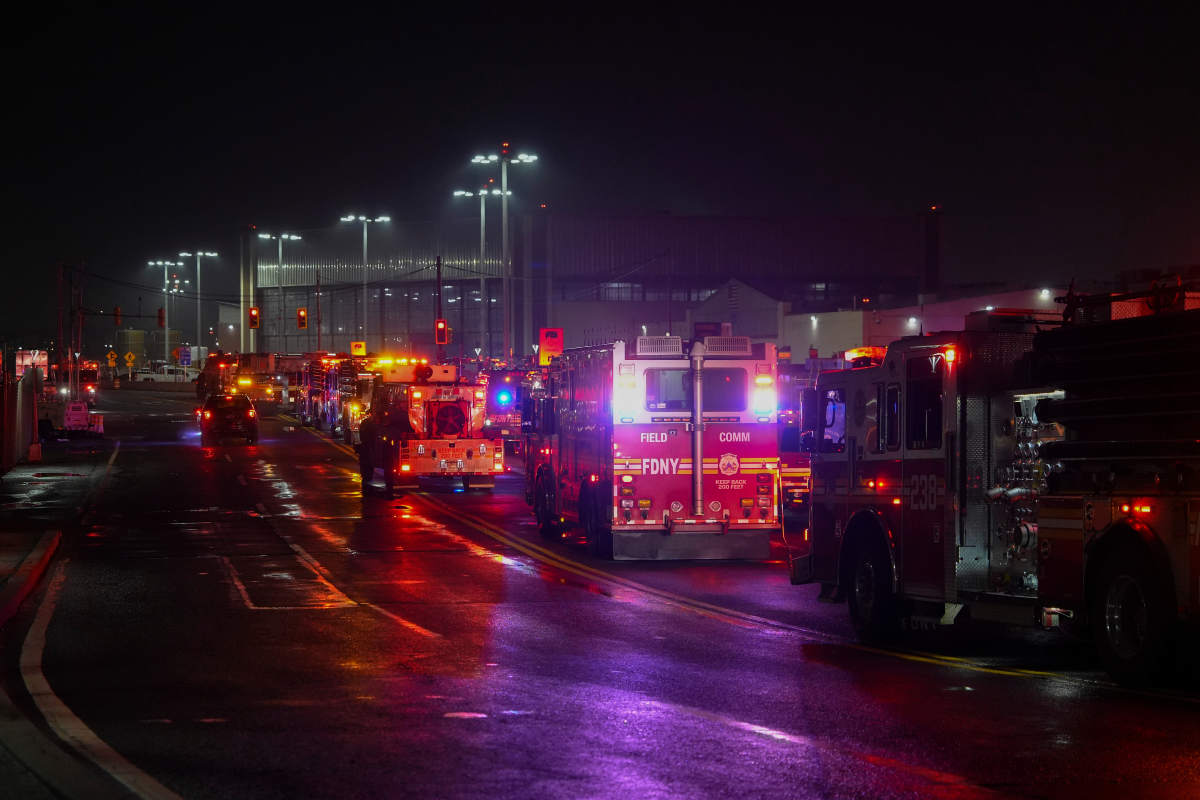
At the same time, controllers were also handling a separate emergency involving a United Airlines flight reporting a strong odor in the cabin.
Homendy urged caution before blaming controllers.
“I would caution against pointing fingers at controllers… This is a heavy workload environment,” she said.
Still, the crash is expected to raise fresh questions about whether two controllers are enough at major airports during overnight shifts.
Missing transponder and final moments under investigation
One key issue is that the fire truck was not equipped with a transponder, a device that helps tracking systems monitor vehicles on the runway.
Because of this, the airport’s advanced surface surveillance system could not properly track the vehicle or generate an alert.
“Air traffic controllers should know what’s before them… They should have that information to ensure safety,” Homendy said.
Investigators are also reviewing cockpit voice recordings to understand what the pilots saw and heard in the final moments.
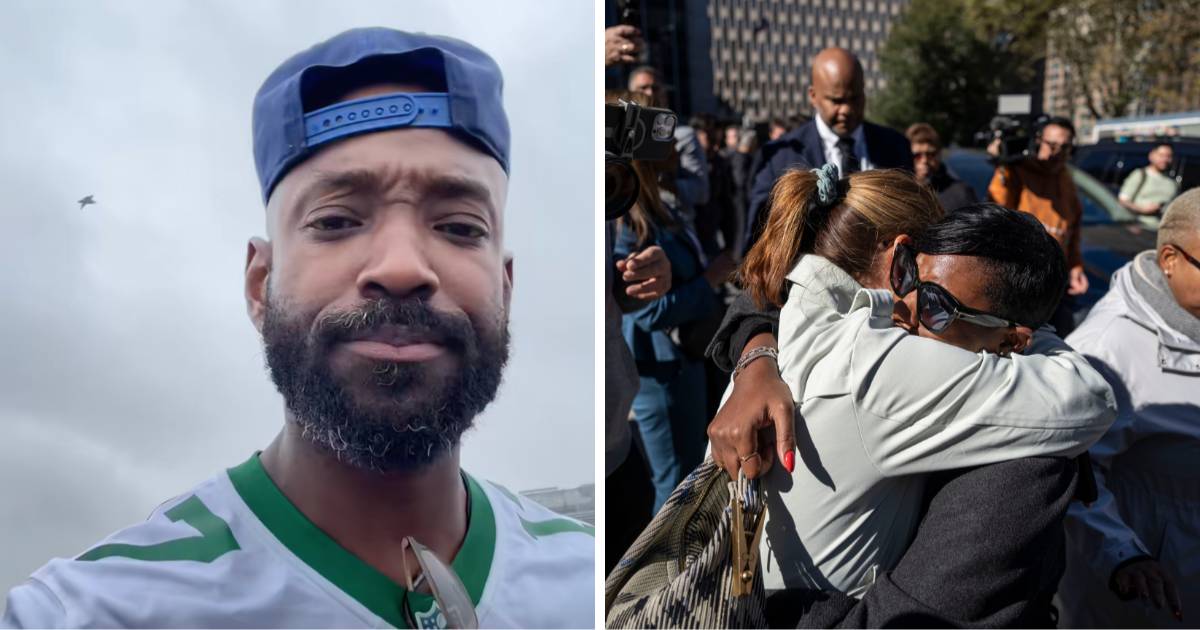
The crash killed both pilots, Antoine Forest and Mackenzie Gunther and injured dozens of passengers and crew.
Around 40 people were taken to hospitals, though many were later released.
The airport shut down after the crash, and while flights resumed on Monday, delays and cancellations continued as one runway remained closed.