Appeals court rejects Trump’s justification for taking control of California National Guard
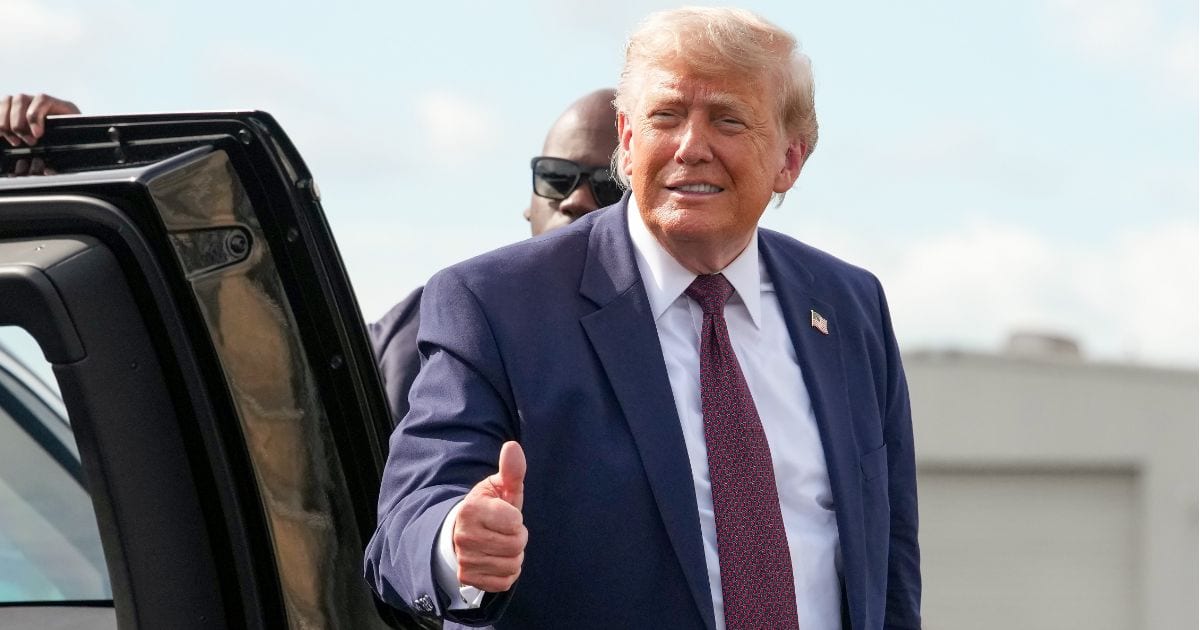
WASHINGTON, DC: In a setback for President Donald Trump, a federal court on Friday, Oct 23, ruled 2-1 that Trump’s National Guard deployment to the Los Angeles area last year was unlawful.
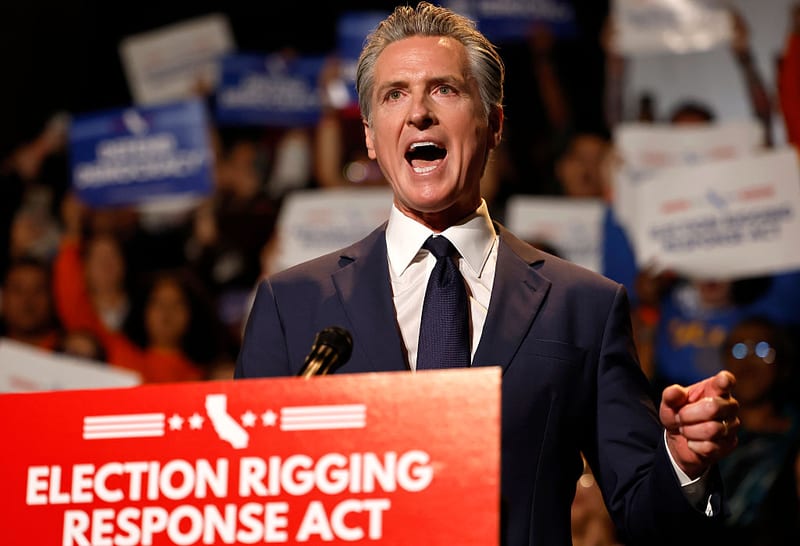
In June 2025, Trump deployed 4,000 members of the California National Guard into federal service without Gov. Gavin Newsom’s consent, following protests against federal immigration (ICE) raids in Los Angeles.
This was the first time in decades that state National Guard personnel were activated despite the Governor’s objection.
The deployment sparked a legal battle between the Trump administration and California officials over the president’s authority to federalise state National Guard troops.
Court rules Trump’s California National Guard deployment was unlawful
The US Court of Appeals for the 9th Circuit rejected Trump’s argument that violent demonstrations against ICE raids in the city justified him taking control of the troops from Gov. Gavin Newsom (D).
Although the deployment has ended, the appeals court’s decision caps a year of consideration by the court.
Notably, the 9th Circuit had earlier sided with Trump, allowing the National Guard deployment to continue while the legal challenge was being heard. It has now ruled against him, citing the Supreme Court’s similar finding that Trump had not met the legal requirements to unilaterally deploy the National Guard to Chicago.
“Defendants have not made either of the required threshold showings here. Thus, they have not carried their burden,” US Circuit Judge Jennifer Sung, an appointee of former President Joe Biden, wrote in the opinion.
Sung was joined on the panel by two Trump-nominated judges, Eric Miller and Mark J. Bennett. Miller also sided against Trump, while Bennett dissented.
Ruling could limit future National Guard deployments by Trump
Judge Bennett argued that the court should not have decided the case because the administration wanted to dismiss its appeal and return to the trial court to litigate the impact of the Supreme Court’s ruling.
“But the majority insists on pressing forward, relying primarily on outdated briefs prepared amid a shifting legal landscape,” Bennett wrote.
The decision establishes a precedent that future Ninth Circuit panels must follow in similar cases involving federal deployments of the National Guard, unless the ruling is overturned or otherwise superseded by controlling authority.
Trump invoked a federal law allowing the president to call National Guard members into federal service in certain circumstances, including when there is a rebellion or when the president is unable to execute federal law with regular forces.
The Supreme Court last year found that Trump had not met the requirements for invoking the latter provision, explaining that “regular forces” likely refers to the regular forces of the US military.
Trump’s National Guard deployment in Washington, DC, which relies on a different legal authority, remains a separate matter.