Fake ICE agent cases surge as immigration raids spread fear among migrants: Report
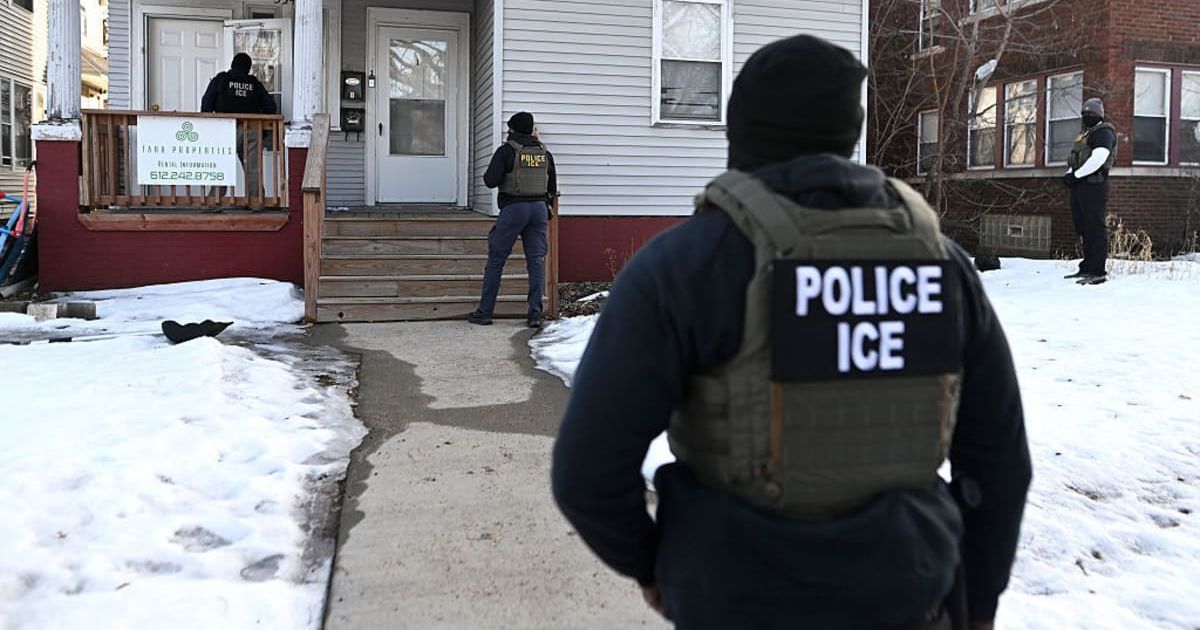
GREENSBORO, NC: Reports of criminals impersonating federal immigration agents are increasing across the United States as heightened immigration enforcement under President Donald Trump creates growing fear and confusion within immigrant communities, according to a new NBC News investigation.
According to the investigation, fake agents have allegedly used tactical gear, fake badges, and threats of deportation to gain access to homes, businesses, and vehicles. Some victims said they complied because they feared being detained or deported if they resisted.
Fake ICE impersonators tied to robberies and assaults
Several incidents described in the investigation involved suspects allegedly targeting vulnerable immigrants who were reluctant to contact police because of fears connected to immigration enforcement.
A group of assailants entered a house with other immigrants in Greensboro, North Carolina, and a hooded man shouting “ICE! ICE!” kicked down the bedroom door.
“Most people don’t live like I do,” said the immigrant, who didn’t want to give his name out of fear for his safety. “I know they’re just pieces of wood or little locks, but they help me because I feel a little safer.”
“I raised my hands, and he asked, ‘Where’s the money?’ That’s when I realized it was a robbery. It wasn’t ICE. It wasn’t the police,” the immigrant said.
In this reported case, armed men allegedly posed as immigration agents while carrying out a violent robbery. Other incidents reportedly involved fake officers threatening workers, conducting sham “immigration operations,” or demanding money in exchange for avoiding arrest.
According to NBC News, there were at least 31 cases in 2025 alone, a sharp increase compared to an average of 5.3 incidents per year during the previous decade. Overall, the outlet identified 84 instances of impostors posing as immigration agents between 2014 and 2025.
Experts interviewed by NBC News said immigrants are especially vulnerable because many may not fully understand federal procedures or may already fear interactions with law enforcement.
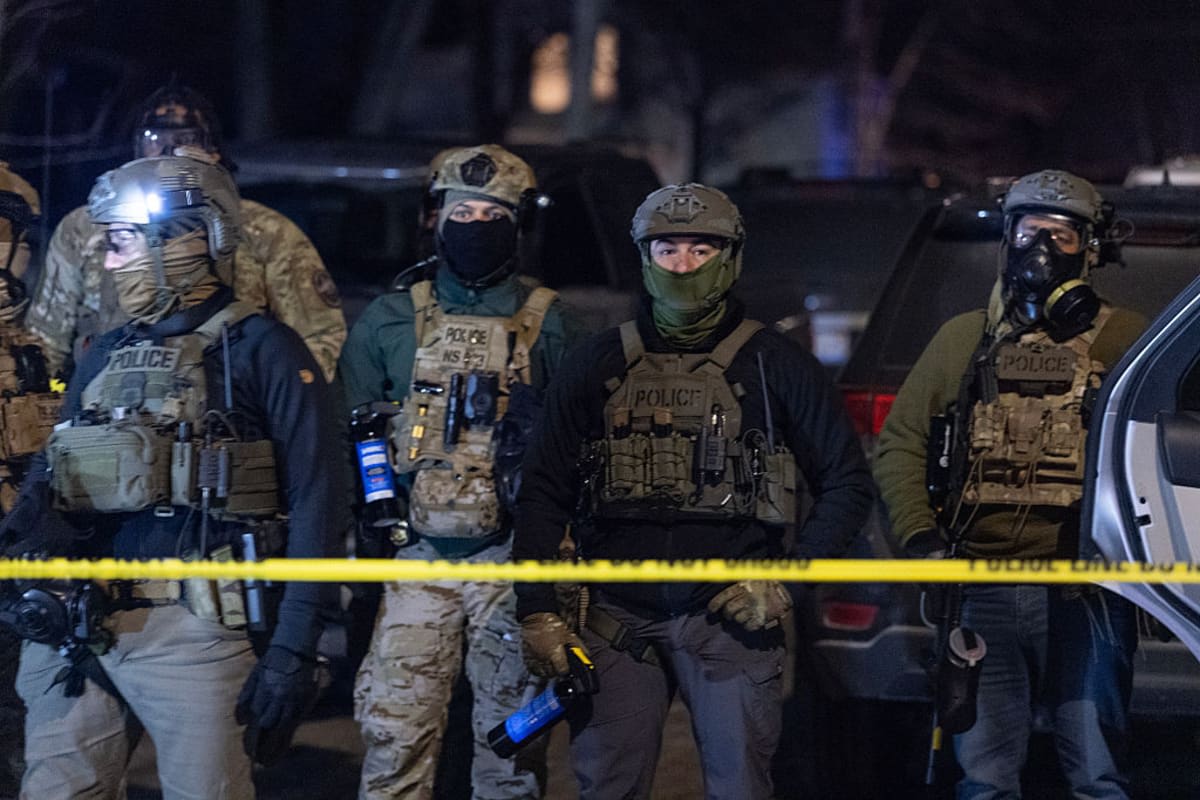
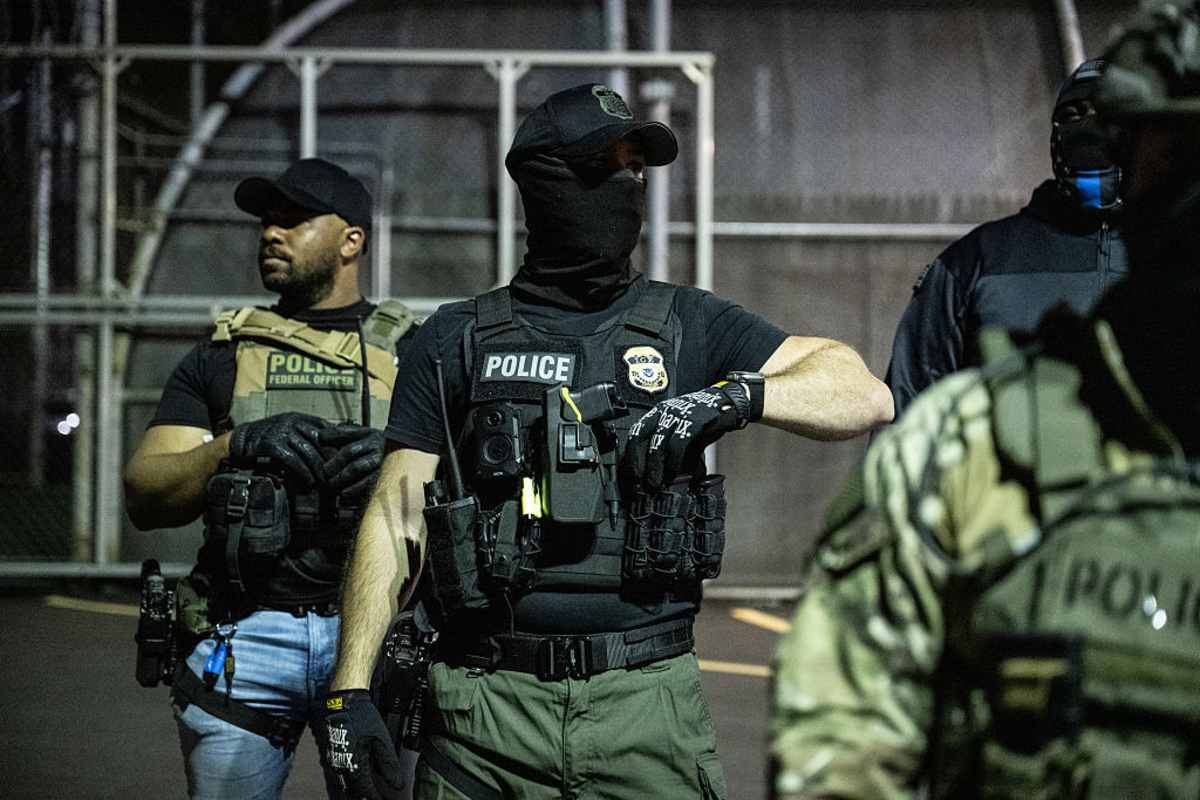
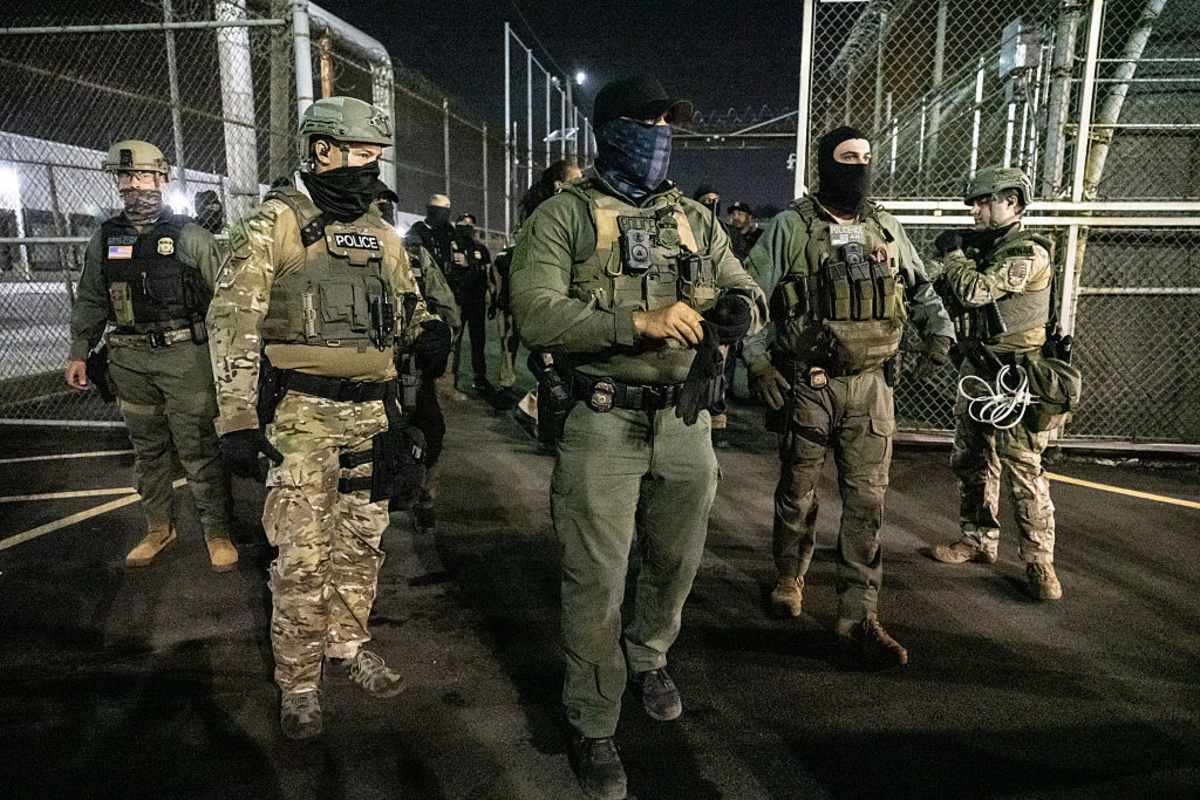
The immigrants said they wouldn’t be able to tell the difference between assailants posing as ICE agents and real agents, “because now they all come hooded,” one of them said.
As of February, Noticias Telemundo had documented at least six cases of impostors posing as ICE agents to rob or harass immigrants.
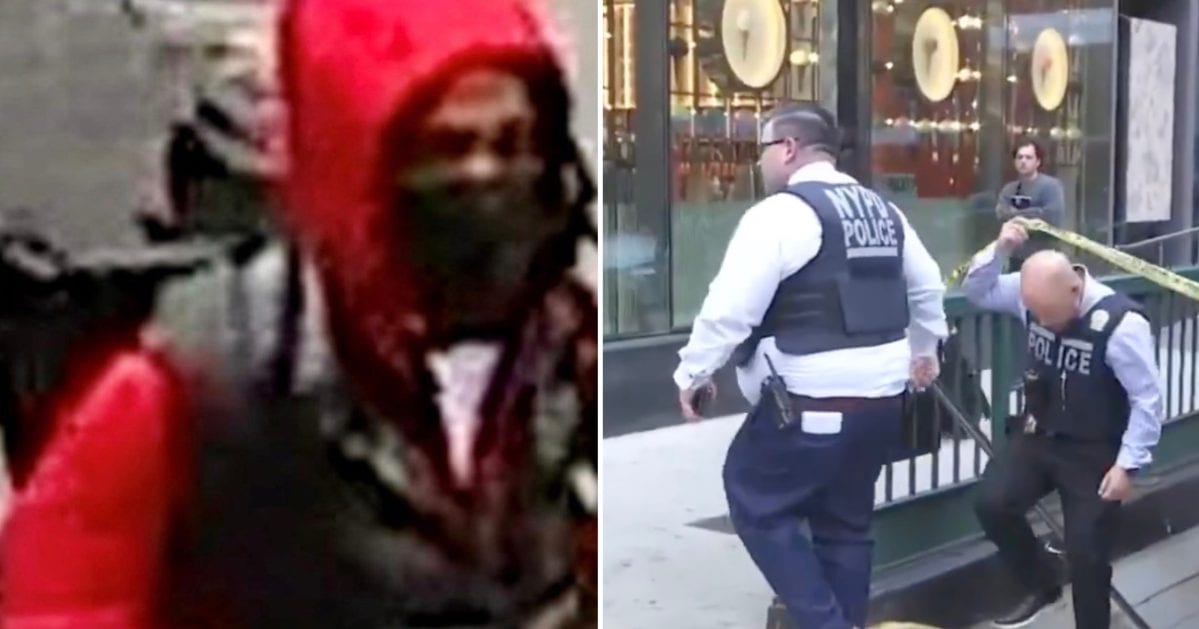
In mid-January, a Pittsburgh man who pretended to be an ICE agent allegedly threatened a teen with a knife during a home invasion. In February, police in San Diego said a man allegedly impersonated an officer and wrapped his arms around the neck of a restaurant manager, saying the manager was in the country illegally and that he was going to arrest him.
Trump immigration crackdown fuels nationwide tensions
The reports come as the Trump administration continues expanding immigration enforcement efforts across the country.
Of the 31 impersonation cases documented in 2025, 84% involved individuals who claimed to be ICE agents. Others identified themselves as officers from Border Patrol or the Department of Homeland Security.
Among the incidents reviewed, the level of violence also appears to have increased. Between 2014 and 2024, an average of 23% of documented cases each year involved violent acts; in 2025, that figure rose to 38%.
According to an internal security bulletin obtained by Noticias Telemundo, the FBI warned in October that criminals were “taking advantage of ICE’s higher public profile and media coverage to target vulnerable communities and commit criminal activity.”
That bulletin flagged at least five incidents involving fake ICE agents between January and August 2025, including an unreported case in New York where three men in black clothing robbed a restaurant ATM and tied up two people, putting a trash bag over one victim and kicking the other.
ICE argues that its agents wear masks or cover their faces to prevent doxxing, which involves using their images (via AI tools, for example) to expose personal information that could endanger them and their families.
The agency insists that its officers “carry badges and credentials and will identify themselves when required for public safety or legal necessity.”