Blanche warns subpoenas for reporters in renewed push against government leakers
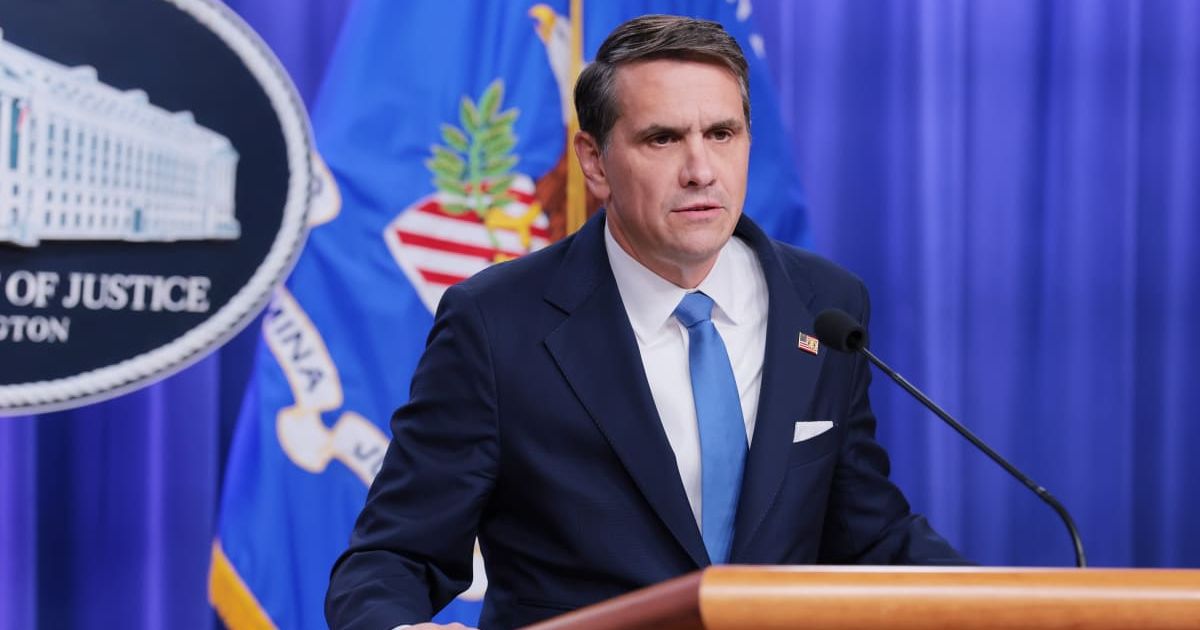
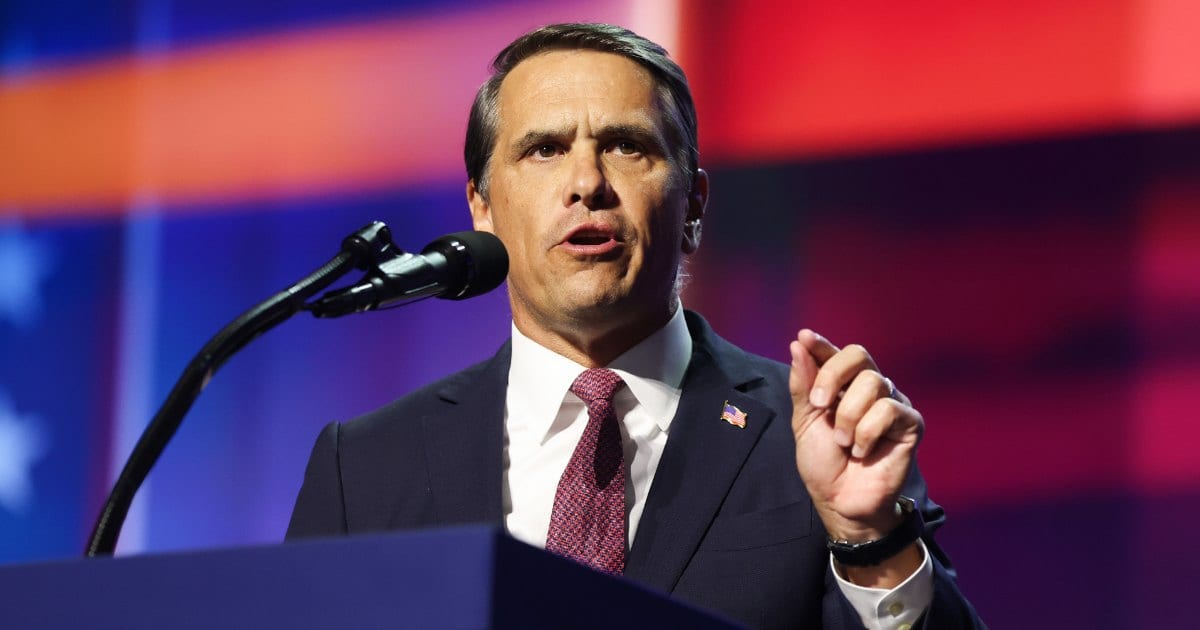
WASHINGTON, DC: Attorney General Todd Blanche ignited a firestorm of First Amendment concerns on Tuesday, May 12, by issuing a direct warning to the press corps. In a statement that signals a significant escalation in the federal government’s posture toward the media, Blanche declared that reporters who receive classified information should "not be surprised" if they are compelled by law to testify about their sources.
The announcement serves as a hallmark of the administration's aggressive stance against unauthorized disclosures.
Blanche, who recently took the helm of the Justice Department after replacing Pam Bondi, has centered his tenure on the pursuit of "criminals" within the government who share national secrets.
To the media asking about DOJ investigating the leaking of classified information:
— Acting AG Todd Blanche (@DAGToddBlanche) May 12, 2026
Prosecuting leakers who share our nation’s secrets with reporters, in turn risking our national security and the lives of our soldiers, is a priority for this administration. Any witness, whether…
According to Blanche, the prosecution of leakers is a paramount priority for this administration, citing the protection of national security and the lives of American soldiers as the primary justification for these hardline tactics.
Criminal investigations target sensitive security reporting
The Attorney General’s warning specifically targets individuals who facilitate the flow of classified material to the public.
"Any witness, whether a reporter or otherwise, who has information about these criminals should not be surprised if they receive a subpoena," Blanche wrote in a social media post that has sent shockwaves through Washington newsrooms.
The Justice Department appears to be shifting its focus from solely investigating the primary sources of leaks to potentially scrutinizing the journalists who receive and publish them.

This move marks a departure from historical norms regarding reporter-source confidentiality.
By labeling reporters as potential "witnesses" in criminal leak investigations, the DOJ is laying the groundwork for a legal environment where sensitive national security stories could result in protracted legal battles for media outlets.
The administration argues that these measures are necessary to curb a tide of unauthorized disclosures that they believe have undermined recent military and diplomatic efforts.
Presidential demands for treasonous leak prosecution
The timing of Blanche’s statement follows a revealing report by the Wall Street Journal concerning President Trump’s personal frustrations with recent media coverage.
The report suggests that the President has complained about leaks detailing ongoing military operations in Iran.
In a notable exchange, Trump reportedly handed a stack of news articles to Blanche, articles that the administration believes threaten national security marked with a sticky note containing the word "treason."
This direct presidential involvement has intensified the pressure on the Justice Department to secure subpoenas targeting the records of reporters who have worked on sensitive stories.
The Wall Street Journal indicated that Blanche has promised to follow through on these requests, specifically looking into journalists whose work covers the "sensitive national security" beat.
The push to characterize these leaks as treasonous suggests a significant narrowing of what the administration considers protected speech versus criminal activity.
White House critiques of war coverage
Beyond the legal threats, the White House has maintained an aggressive public relations campaign against news coverage of the conflict in the Middle East.
Administration officials have argued that media outlets are disproportionately focused on the war’s negative impact on the US economy, such as rising oil prices and inflation, rather than highlighting military successes.

This dissatisfaction with the narrative has fueled the drive to identify confidential sources within the government.
By targeting the journalists who provide a platform for these critiques, the administration aims to gain greater control over the messaging surrounding the war.
Critics of the policy argue that the pushback is less about security and more about silencing reports that suggest the conflict lacks a clear strategic goal or timeline.
Press freedom groups raise constitutional alarms
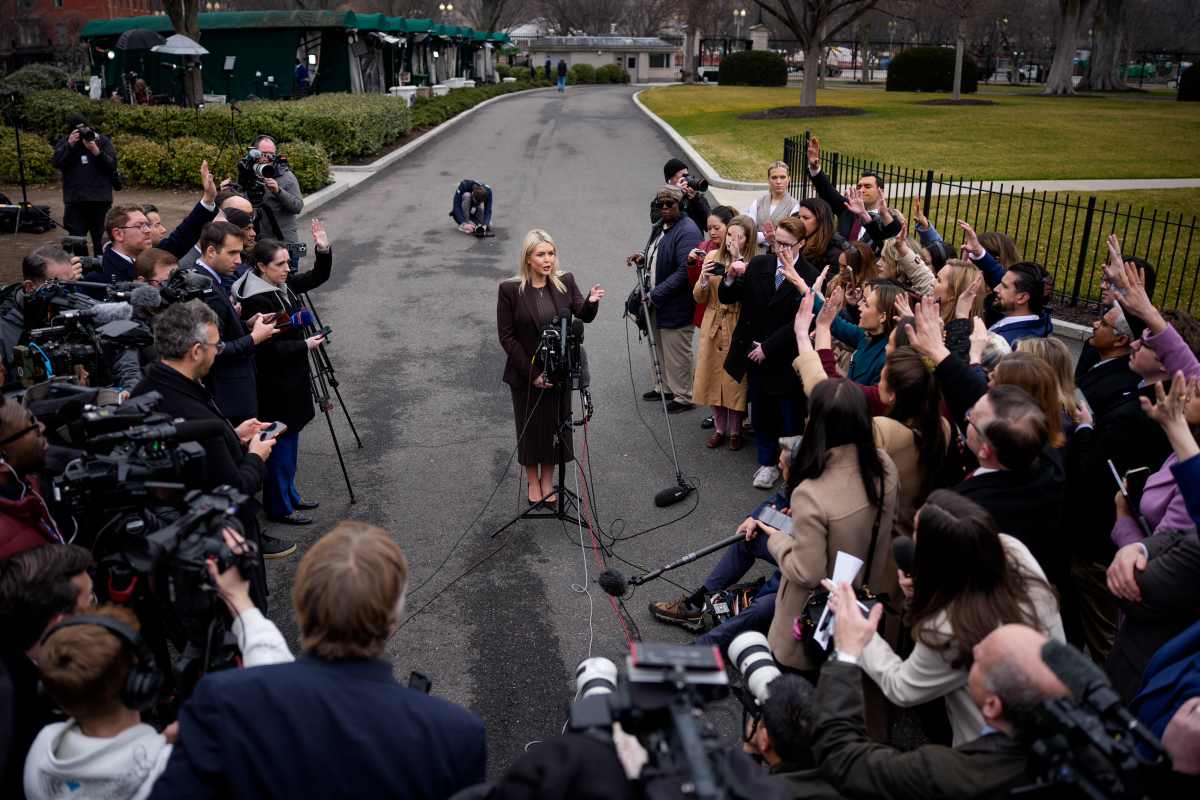
The prospect of subpoenaing journalists has sparked widespread concern among press freedom advocates who argue that such actions violate the spirit of the First Amendment.
During the administration’s first year of its second term, the relationship with the press has grown increasingly adversarial.
The transition from Pam Bondi to Todd Blanche has only solidified this trend, as both officials have made the prosecution of leakers a central theme of their leadership.
The administration, however, maintains that its actions are legally sound and necessary.
They argue that reporters do not have a blanket right to handle illegally obtained classified material that could endanger active operations.