Brown University campus siren didn’t activate and first alert came 17 minutes after shooting

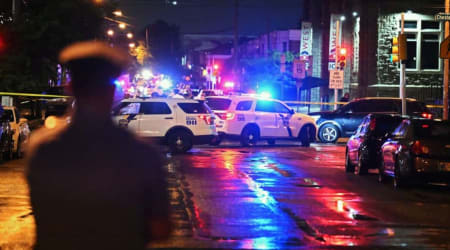
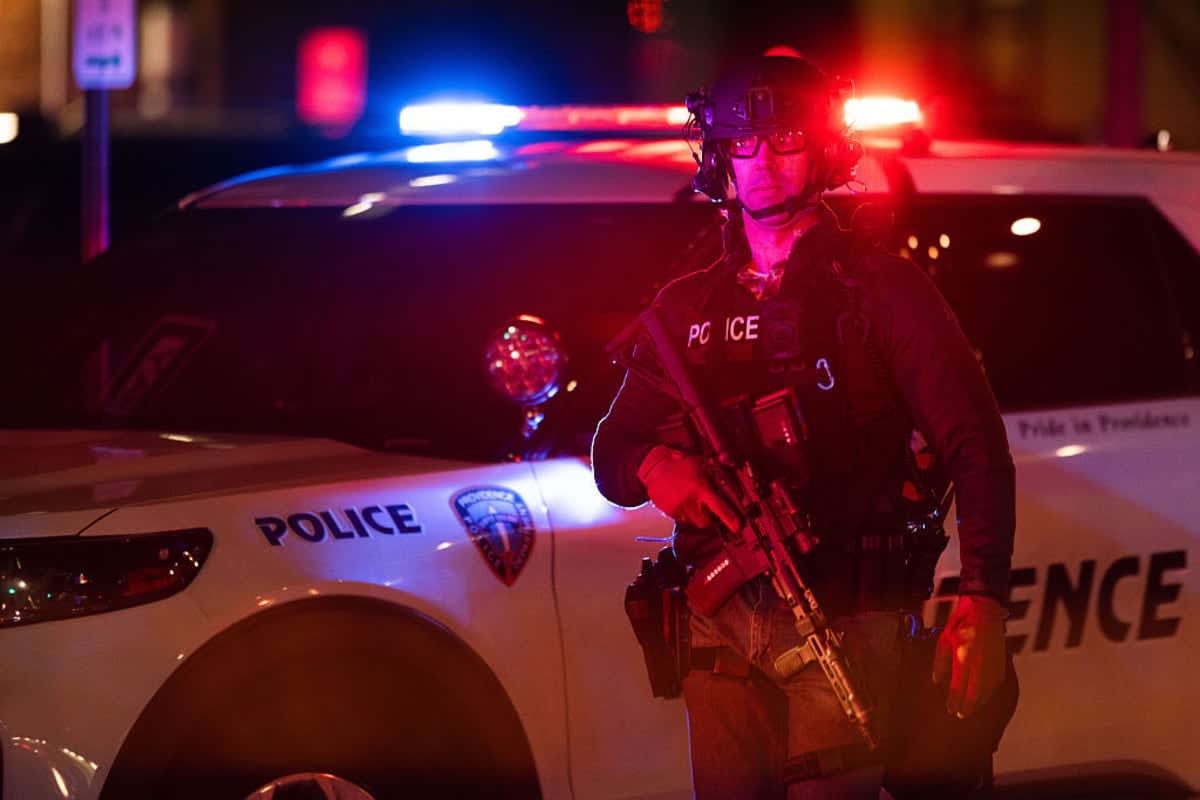
PROVIDENCE, RHODE ISLAND: After a fatal shooting near Brown University, residents said official alerts never reached them, the campus siren didn’t activate, and the first alert came 17 minutes after the shooting.
Katherine Baima was only a few blocks away when the shooting occurred. She said there was no campus siren, phone notification, or push alert instructing her to stay inside or avoid the area. “I found out from my mom,” Baima said. “She called me and told me there had been a shooting.”
As police activity increased around the campus, Baima said she repeatedly checked her phone, expecting an alert to explain what was happening. None came. Like others nearby, she stayed inside, unsure whether the danger had passed.
CRUCIAL MOMENTS: During Saturday's fatal shooting, Brown University's campus Alert Siren failed to activate and the first alert message sent to students and staff came 17 minutes after the shooting occurred. pic.twitter.com/57B93D53Zu
— Fox News (@FoxNews) December 16, 2025
Residents report no emergency alerts as confusion spread
The lack of official alerts left many residents relying on word of mouth. Information spread through text chains, social media posts, and phone calls, often incomplete or conflicting. For some, the uncertainty was as frightening as the shooting itself.
Residents later pointed to how emergency alerts have worked during similar incidents elsewhere. During a mass shooting in Lewiston, Maine, in 2003, emergency alerts were pushed directly to cell phones in the area, including those belonging to visitors who had never signed up for local warnings.
That automatic reach, designed to ensure no one nearby is left uninformed, did not appear to occur in Providence.
Providence alert system promoted before shooting
The shooting came just months after Providence officials publicly highlighted improvements to emergency communications.
In September, Mayor Brett B Smiley announced a transition to what the city called “comprehensive emergency alert systems,” emphasizing the Wireless Emergency Alert System, or WEAS.
“Our top priority is to keep our community safe, and this transition allows us to do that more effectively,” Smiley said at the time. According to the city’s announcement, WEAS alerts “automatically go to every cell phone within the designated emergency alert area without the public needing to sign up.” The city said the system ensures “visitors and temporary residents receive critical life-saving emergency alerts.”
The same release encouraged residents to sign up for CodeRED, an opt-in alert system that sends notifications by phone, email, and text about severe weather, fires, floods, utility outages, and other emergencies.
PVD311 alert system faces scrutiny after shooting
Earlier this year, in March, the city announced an overhaul of PVD311. Public messaging around the update focused largely on city services. “Welcome to PVD311!” reads the greeting on the system’s online portal. “Your go-to for city services and department support.”
After the shooting, Baima said she signed up for PVD311 the next day. Even then, she said she received no confirmation that her registration was successful and no alerts afterward.
Mayor Brett B Smiley has defended the city’s communications in the aftermath of the shooting, particularly the role of the 311 system. “If you are a resident in the city of Providence and you’re not receiving 311 notifications, we encourage you, we urge you, to sign up,” Smiley said.
Asked about how the system performed, Smiley said residents were notified through several channels. “Residents in the city of Providence were notified in multiple ways,” he said. “Through official city social media outlets, Twitter, Facebook, Instagram. We pushed out a 311 notice.”
Smiley said 311 notifications “did go out” and continued throughout the incident. He added that a 311 alert was later sent to correct a false report of shots fired.
“We sent out a push notification through 311 to reassure people,” Smiley said. “There’s a lot of misinformation, and people get anxious as a result of it.” He stressed that residents must register and opt in to receive text alerts.