Colby Hall, Bill O’Reilly clash over Trump’s Venezuela move and constitutional limits
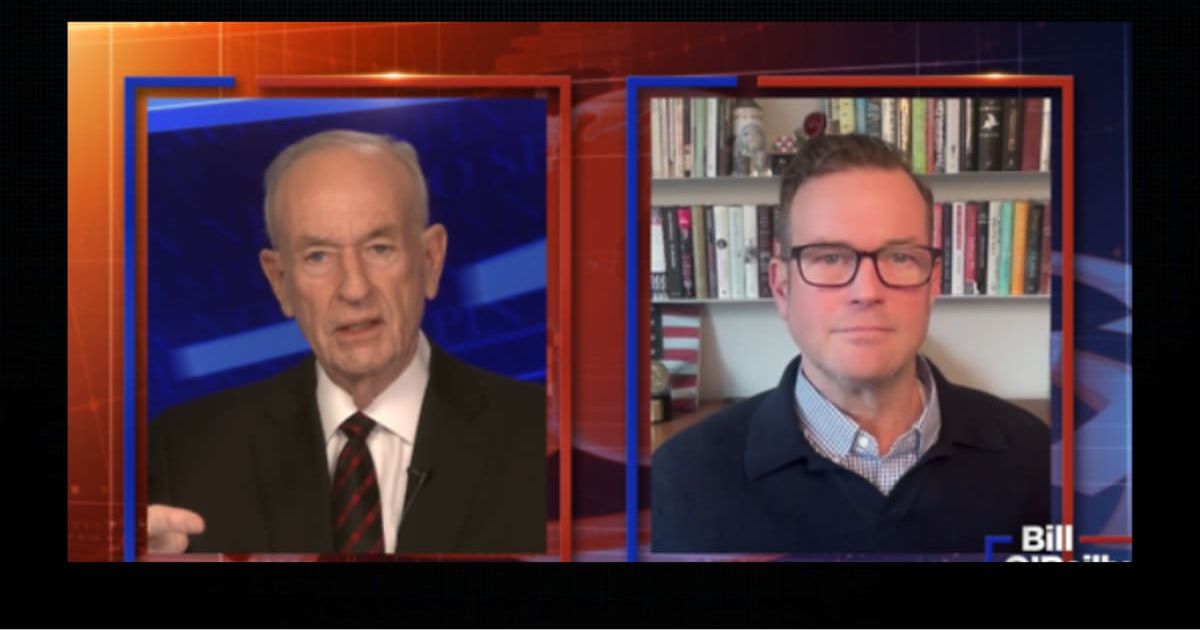
WASHINGTON, DC: Mediaite founding editor Colby Hall and conservative commentator Bill O’Reilly sparred this week over President Donald Trump’s decision to deploy US military forces into Venezuela without first seeking congressional authorization, reigniting a long-running debate over presidential war powers and constitutional limits.
The heated exchange unfolded on Thursday’s episode of No Spin News, with Hall accusing the Trump administration of undermining checks and balances, while O’Reilly defended the move as a necessary response to national security threats. Their back-and-forth came as lawmakers failed to advance a bipartisan war powers resolution aimed at curbing Trump’s authority to act unilaterally in Venezuela.
Hall calls Trump’s Venezuela move presidential overreach
During the discussion, Hall argued that Trump’s decision to bypass Congress amounted to clear constitutional overreach. He pushed back against O’Reilly’s suggestion that the president acted alone because lawmakers were unlikely to approve the operation.
Is #PresidentTrump overreaching? Watch my debate with @Mediaite's @colbyhall on the @NoSpinNews. 📺💻📢 pic.twitter.com/ncDDrYPPwg
— Bill O'Reilly (@BillOReilly) January 15, 2026
“Suddenly, we don’t care about states’ rights and their ability to weigh in,” Hall said, accusing Trump’s defenders of making “situational decisions” about when the Constitution applies.
Hall later sharpened his criticism, arguing that political convenience cannot override constitutional requirements. “You just basically said Trump doesn’t want to take Maduro to Congress because he knows he won’t get what he wants,” Hall said. “I’m sorry, you don’t get to pick and choose what the Constitution says."

O’Reilly defends Trump’s Venezuela action, cites national security
O’Reilly forcefully rejected Hall’s argument, maintaining that national security considerations can justify executive action without a prior congressional vote. He said waiting for approval could have jeopardized the operation’s success.
“You do if you have national security concerns behind you,” O’Reilly said. “Yes, you do.”
.@ColbyHall, Founding Editor of https://t.co/n0t1fzulJd, joins the No Spin News to debate how Trump’s actions reflect a changing America and whether some states are acting in rebellion. https://t.co/Gy352MBTom
— No Spin News (@NoSpinNews) January 14, 2026
He argued that Trump likely would not have received authorization from Congress and suggested that delay could have endangered US interests. O’Reilly framed the move as a pragmatic decision made under pressure rather than a constitutional breach.
Hall dismissed that reasoning as subjective, questioning whether Venezuelan President Nicolás Maduro posed an immediate national security threat to the United States. Calling the claim exaggerated, Hall said describing Maduro as such a threat was “hyperbole at best” and “absurd.”
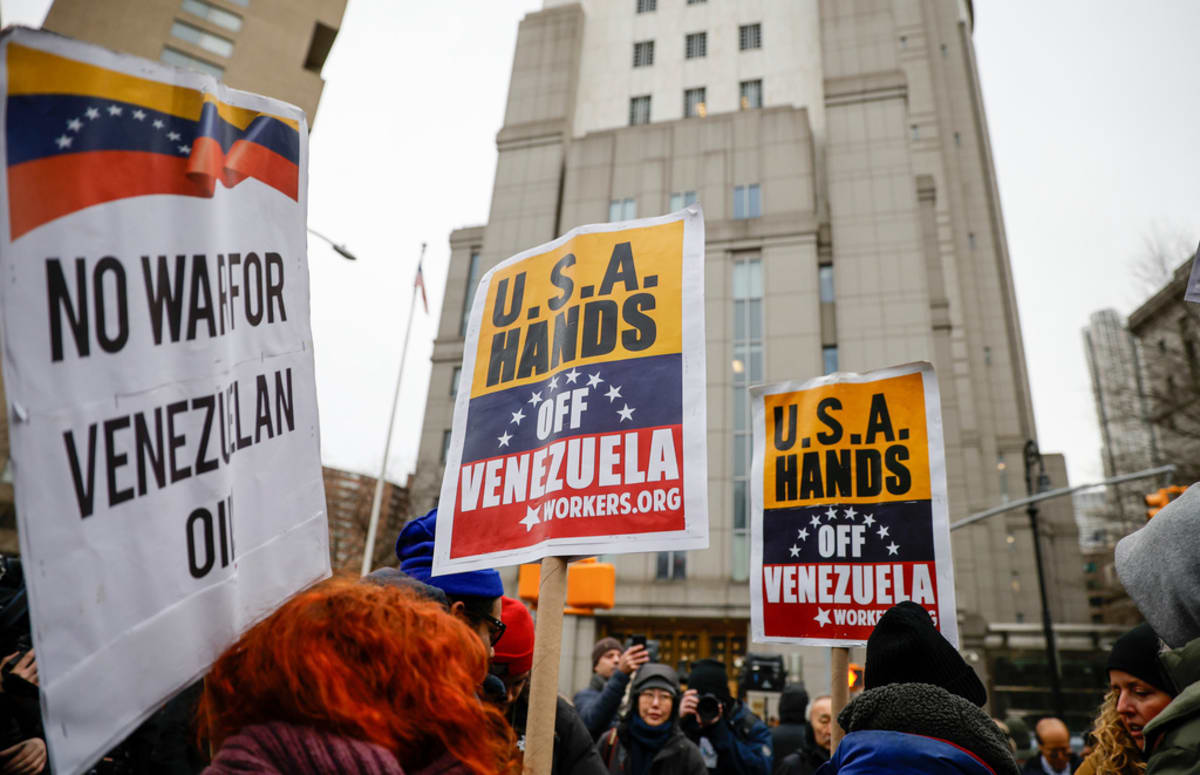
War powers vote on Venezuela exposes deep partisan divide in Congress
The debate followed the US Senate's failure to pass a bipartisan war powers resolution that would have required Trump to seek congressional approval for future military action in Venezuela. After pressure from the White House, two Republican senators reversed their positions, and the measure failed in a 51–50 vote, with Vice President JD Vance casting the tie-breaking vote.
In a recent column, Hall warned that Trump’s actions signaled a broader erosion of democratic norms, writing that “guardrails once assumed to be firm are no longer holding.” He also drew connections between loyalty to the president and how accountability is framed in public discourse.
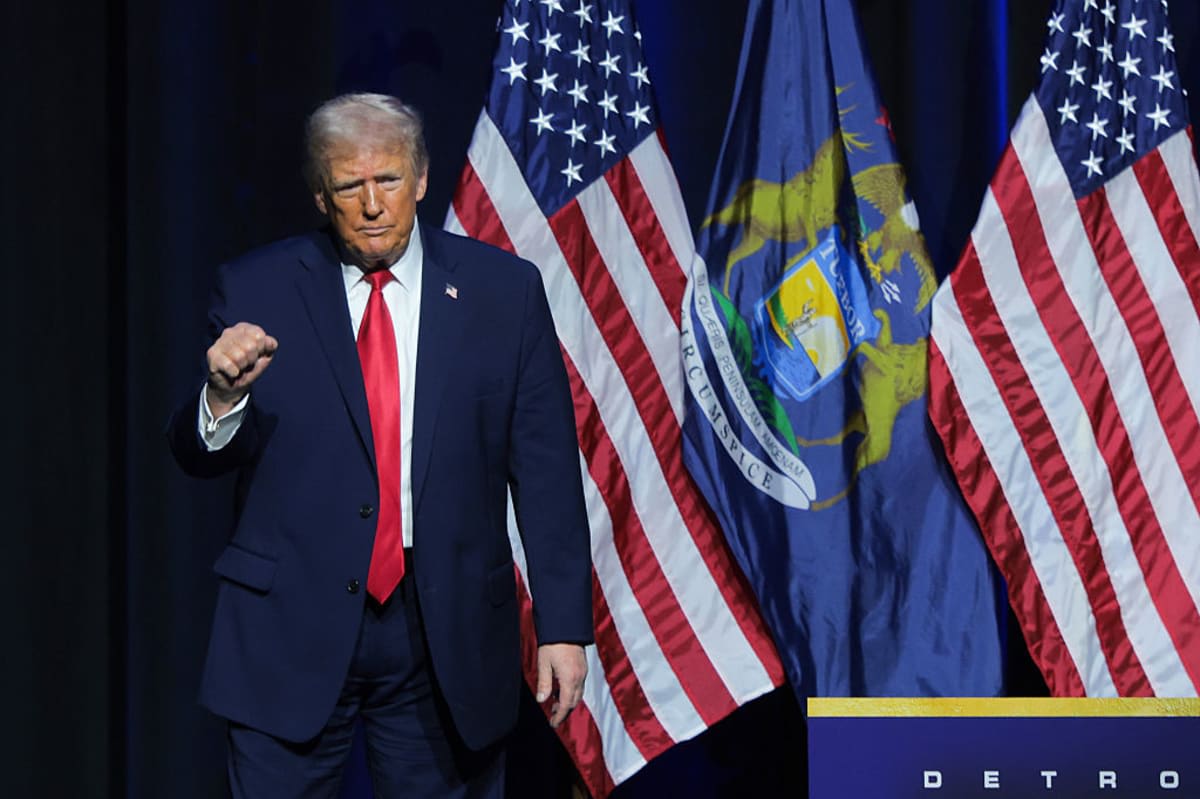
With Congress unable to rein in executive authority, the clash between Hall and O’Reilly underscored the unresolved legal and political tensions over when a president can deploy US forces without explicit legislative approval.