'Coordinated' plot: Vance allies claim GOP operatives are trying to knock out Trump's 2028 pick
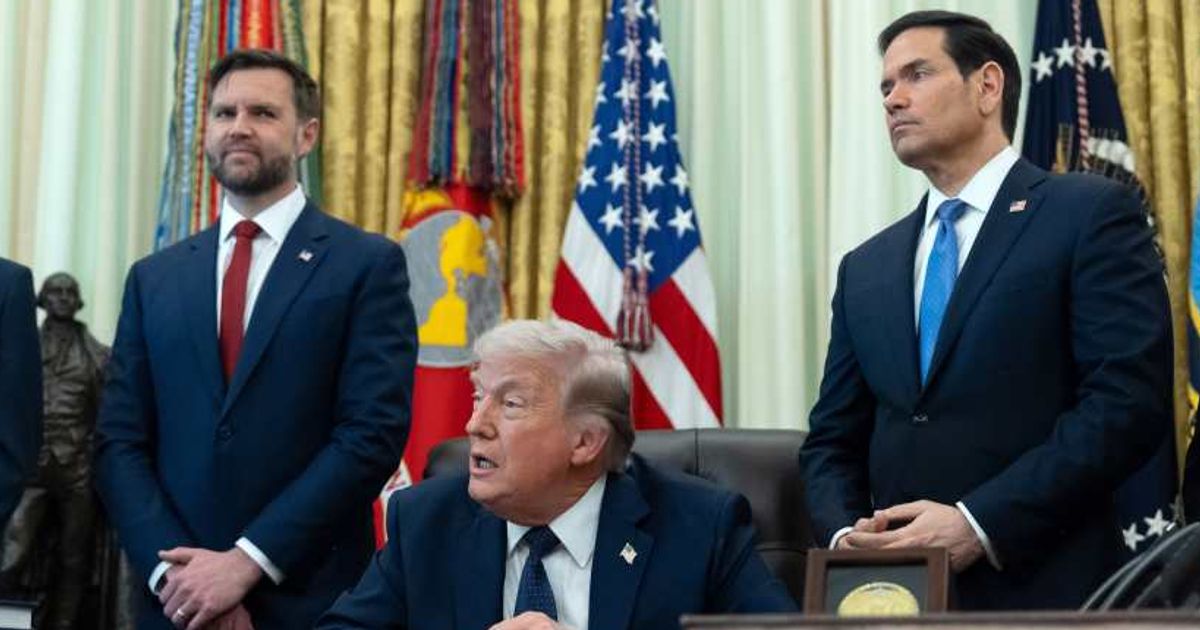
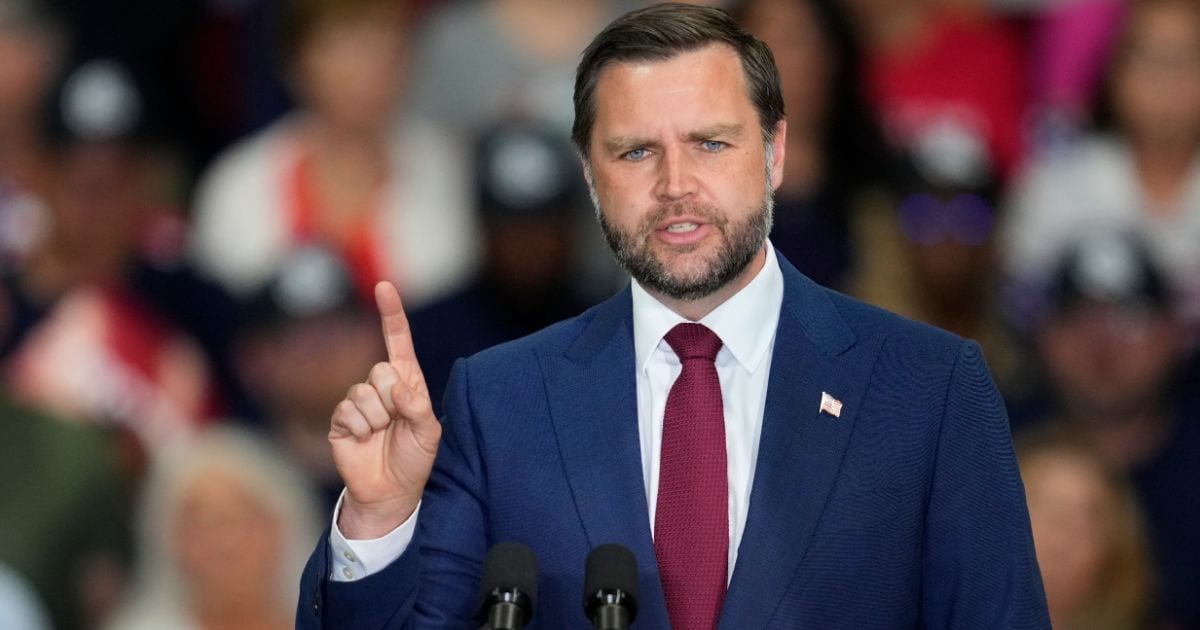
WASHINGTON, DC: Vice President JD Vance's allies are alleging that a coordinated campaign is underway within Republican circles to damage his political standing well before the 2028 presidential race begins.
The accusations follow weeks of intensified online criticism after Vance's appearance on Joe Rogan's podcast, where his comments on Israel, Iran, and his description of himself as a "moderate" triggered backlash from several prominent conservatives.
While criticism of senior politicians is commonplace, Vance's supporters argue the volume, timing, and messaging suggest something more organized than spontaneous online outrage.
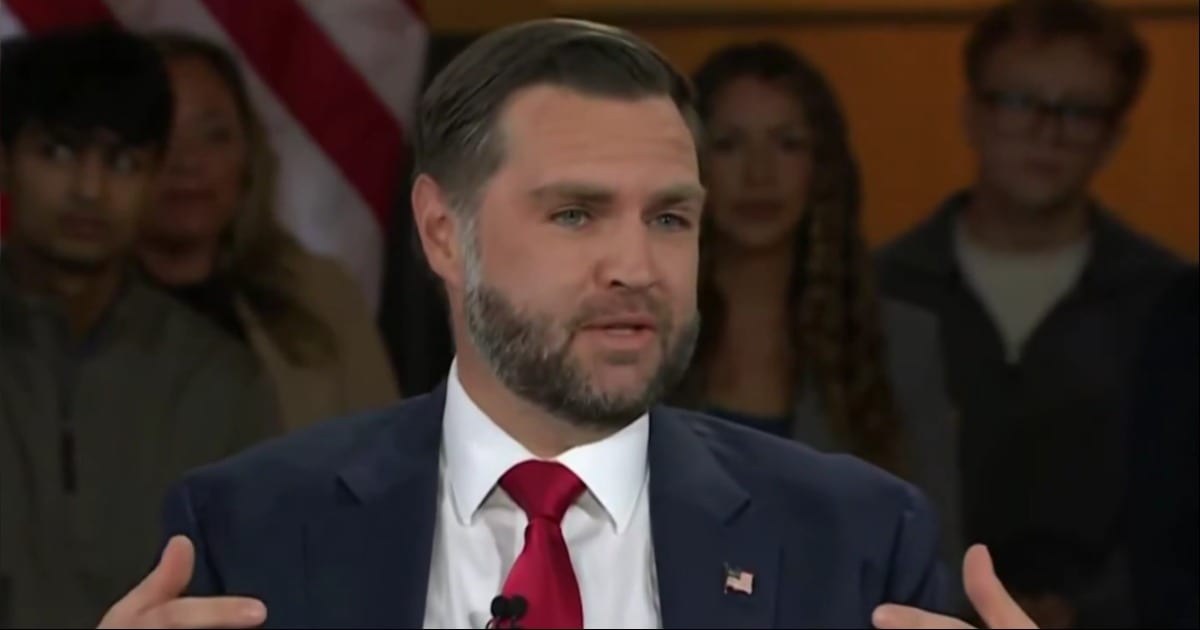
JD Vance says he's being accused of being an Anti Semite & claims he's the "Reasonable Moderate" in the Israel debate.
— KaizerRev (@Kaizerrev) July 15, 2026
Joe Rogan then pushes back about Israel influencing American Politics & Vance makes excuses about it. pic.twitter.com/CYF4fRMrB7
Their suspicions have only grown because Vance's standing among Republican voters has remained relatively stable, leading allies to question why attacks have intensified despite little evidence of declining support.
Some now believe the effort is aimed at weakening the vice president long before Republicans choose President Donald Trump's eventual successor.
Allies allege coordinated political effort
According to The Washington Post, multiple people close to Vance believe the recent wave of criticism is part of a deliberate attempt to "poison the well" ahead of the 2028 Republican nomination contest.
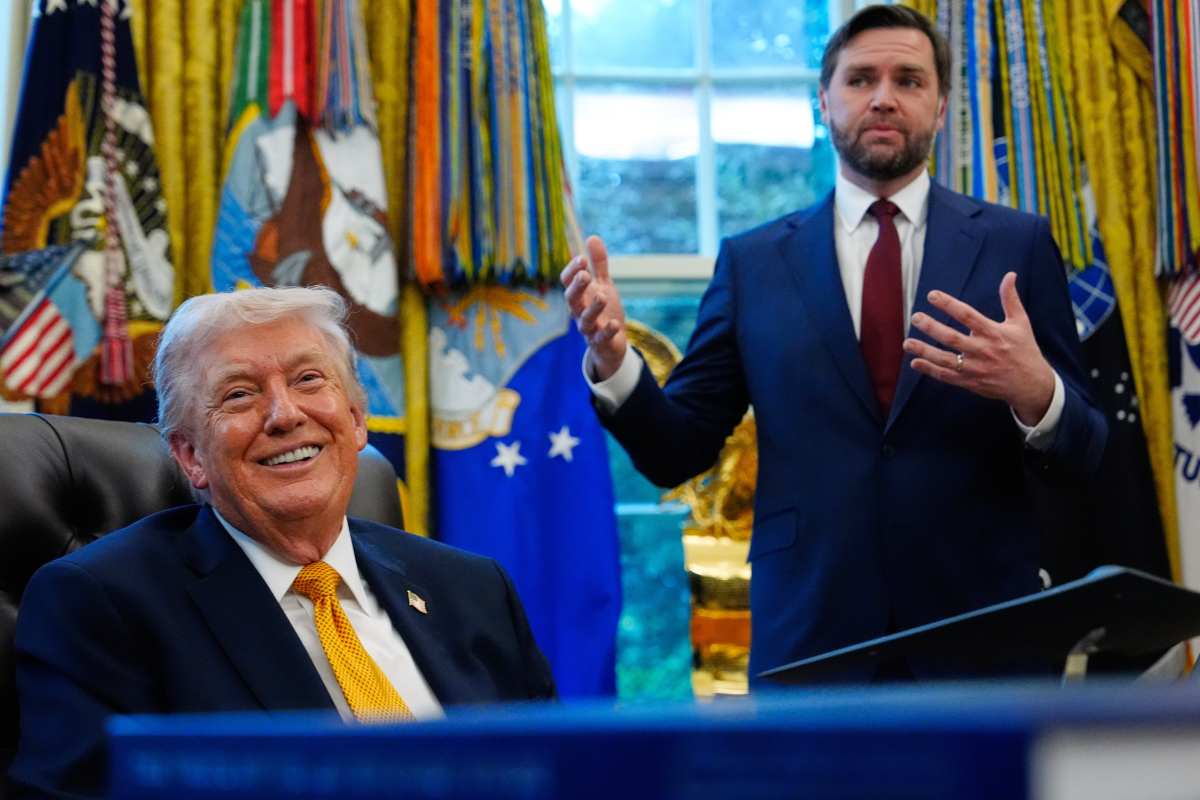
One ally described the campaign as "totally inauthentic and probably coordinated," arguing the attacks bear little resemblance to Vance's polling performance.
The criticism has ranged from "Never Vance" slogans to accusations over his views on Iran negotiations and comparisons to progressive Democrats, an unusual combination that supporters say points to an organized messaging strategy rather than isolated disagreements.
Foreign-linked accounts raise questions
Adding to the suspicion, The Washington Post reported that several social media accounts promoting Secretary of State Marco Rubio for president while attacking Vance appeared to have profiles suggesting they were not based in the United States.

Although there is no public evidence linking those accounts to any organized political operation, Vance's allies argue their activity strengthens concerns that outside actors or coordinated online networks are amplifying anti-Vance messaging.
The vice president himself recently referenced what he described as a well-funded influence campaign seeking to derail US negotiations with Iran, citing reports about political consulting firms involved in online messaging.
Battle for post-Trump future
The dispute highlights the increasingly visible struggle over who will inherit Trump's political coalition once he leaves office.
Although the 2028 Republican primary remains years away, Vance is widely viewed as one of the party's leading contenders, alongside figures including Rubio.
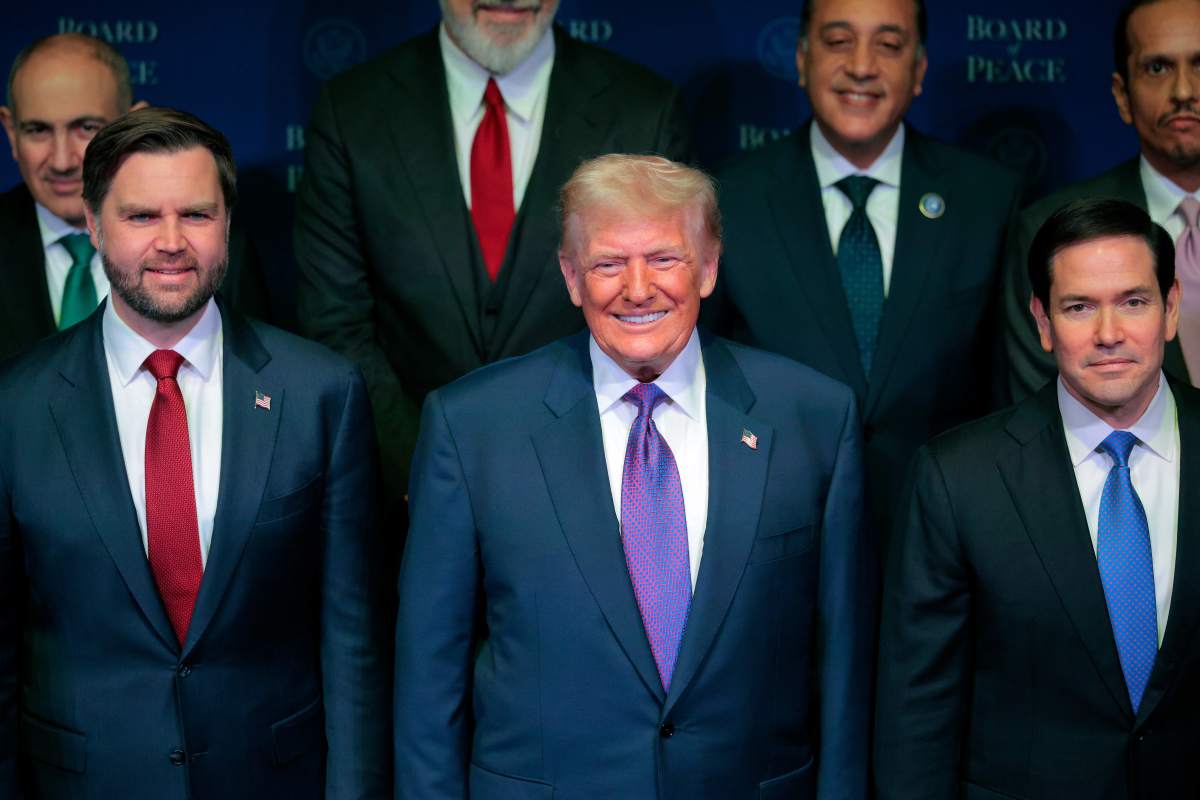
Whether the backlash reflects a genuine grassroots disagreement or the coordinated effort alleged by Vance's allies remains unproven.
But the unusually early infighting underscores how the battle for the Republican Party's future may already be underway, with social media emerging as one of its earliest and fiercest battlegrounds.