Crowds on Demand CEO slams Minnesota anti-ICE protest as ‘illegal’, refuses company involvement
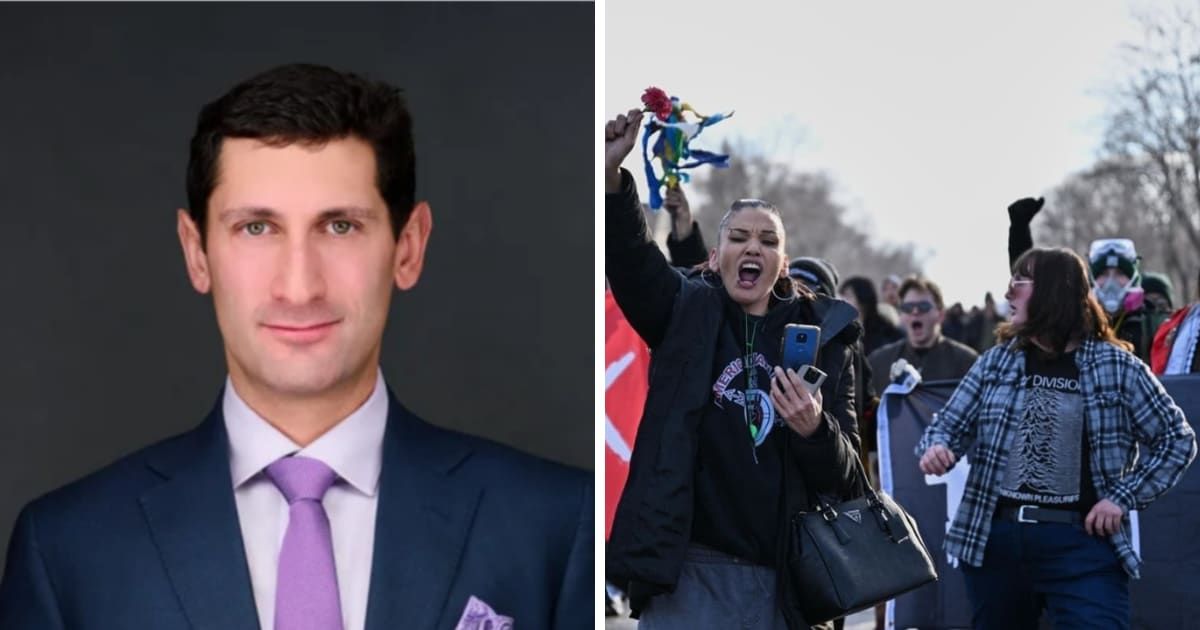
MINNEAPOLIS, MINNESOTA: Adam Swart, the chief executive officer of Crowds on Demand, rejected any involvement in the unrest unfolding in Minneapolis, describing what has taken place on city streets as “illegal chaos.”
Swart said demonstrations that erupted following a fatal federal immigration enforcement shooting had crossed into unlawful territory and emphasized that his company would stay completely away. He stressed that blocking roads, obstructing officers, and threatening authorities are illegal actions, not legitimate protest tactics.
Adam Swart on Minneapolis anti-ICE protests
Swart, who leads the national protest-organizing firm Crowds on Demand, made clear in an interview with Fox News that his company “would not touch the Minneapolis protests with a 10-foot pole.”
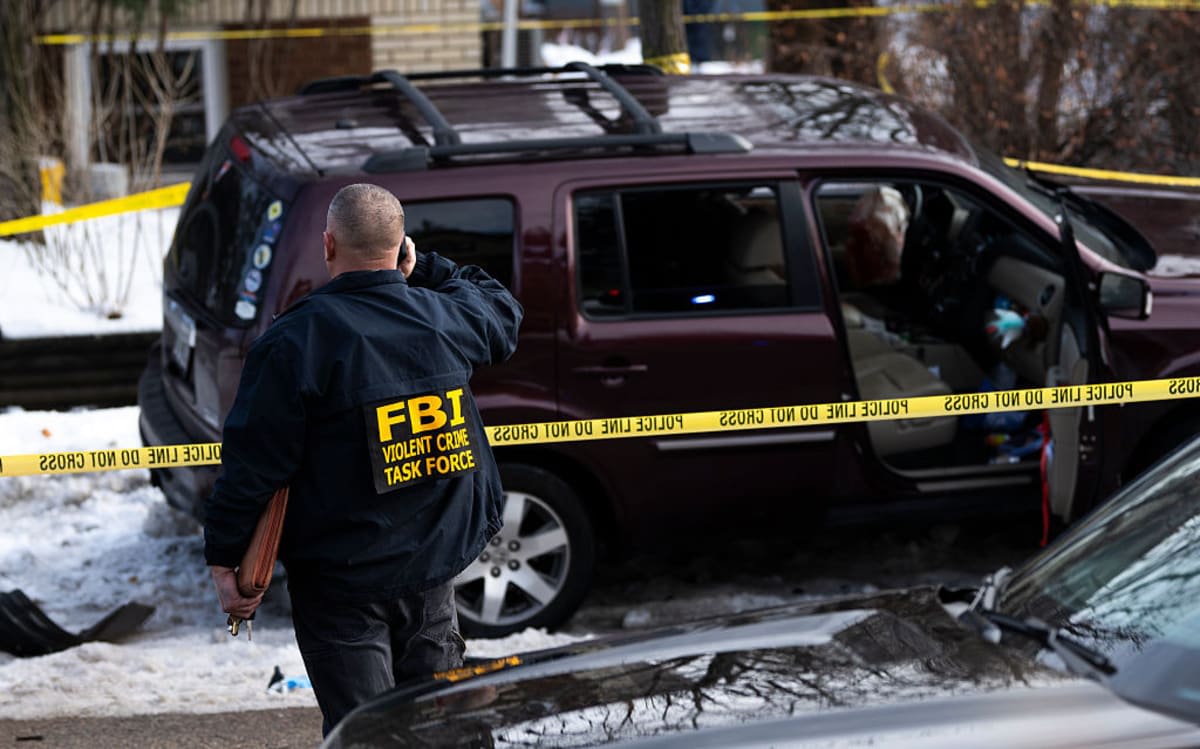
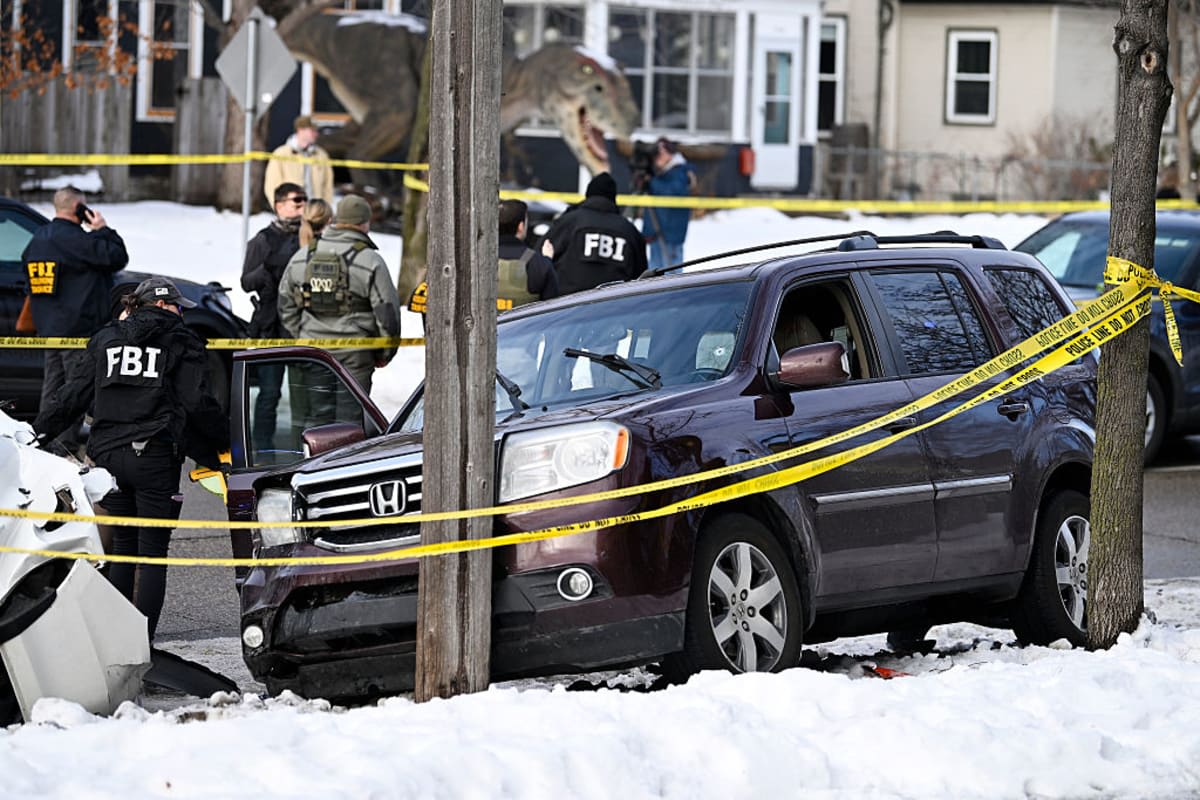
He said that anti‑ICE volunteers and agitators had disrupted streets and impeded federal agents following a deadly incident in which an Immigration and Customs Enforcement agent fatally shot 37-year-old Renee Nicole Good.
Swart said actions such as blocking roadways, obstructing federal agents, and intimidating authorities are illegal, adding that his firm does not engage in any form of unlawful protest. He warned that such tactics were likely to have the opposite effect of what demonstrators intend, potentially increasing federal enforcement rather than reducing it.
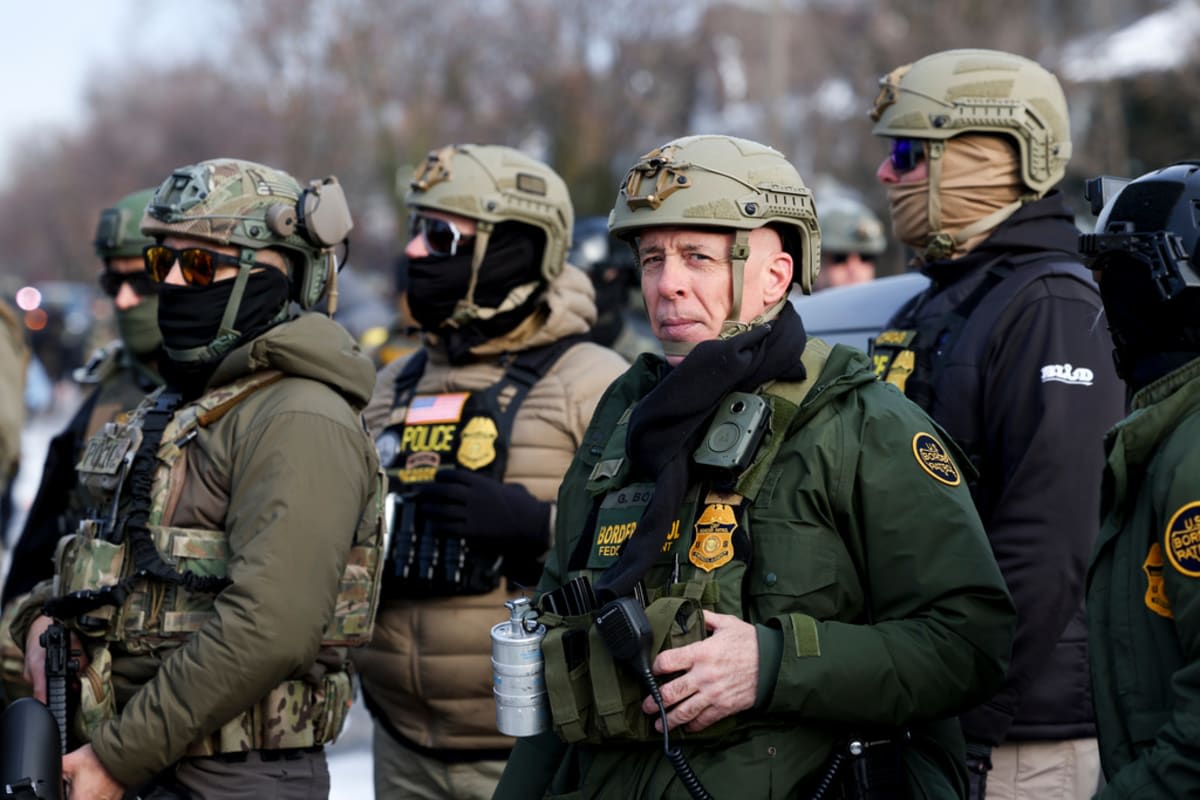
He also raised concerns about the mixture of peaceful demonstrators and violent agitators, saying, “A lot of the people protesting on the streets are actually violent, unhinged, unstable people who pose a risk to peaceful protesters. That’s why we’re staying out.”
Swart rejected the idea that blocking roads or confronting officers qualifies as “nonviolent resistance,” calling those actions inherently dangerous, particularly during active law enforcement operations.
He said preventing federal agents from safely entering or exiting a scene puts officers at risk “from a violent mob.” He added that winter weather conditions, including icy and snowy roads, only compound the danger by creating hazards for vehicles, protesters, and emergency responders alike.
Adam Swart on counterproductive unrest and Minneapolis’ future
Beyond law enforcement concerns, Swart said the tactics also endangered the broader Minneapolis community. He pointed out that blocked roads can prevent ambulances, fire trucks, and other emergency services from reaching people in need, regardless of politics.
He described the unrest as actively counterproductive, warning that protesters who believe such actions will deter ICE are mistaken. According to Swart, the more likely outcome is an increased federal presence aimed at restoring order and demonstrating that intimidation will not succeed.
Swart said he has previously offered Minneapolis leaders and community stakeholders opportunities to pursue lawful campaigns focused on public safety and civic recovery. However, he claimed those efforts had stalled due to fear and intimidation.

He also pointed to broader signs of strain on the city, citing a reduced police presence, shuttered businesses, and the recent loss of Minneapolis’ only commuter rail line as indicators of ongoing decline.
“There’s no one in Minneapolis who believes the city is well run. It’s failing by any objective standard,” Swart said. He added that the city could still recover if residents reject lawlessness and intimidation.
“This can be your rock bottom,” he said. “You don’t need to fall further. But people have to find the courage to stand up for their city.”
Swart concluded by saying he wanted to support lawful efforts to improve Minneapolis, not contribute to what he described as chaos on its streets.