DOJ declines to share legal advice given to Noem over El Salvador deportations, citing privilege
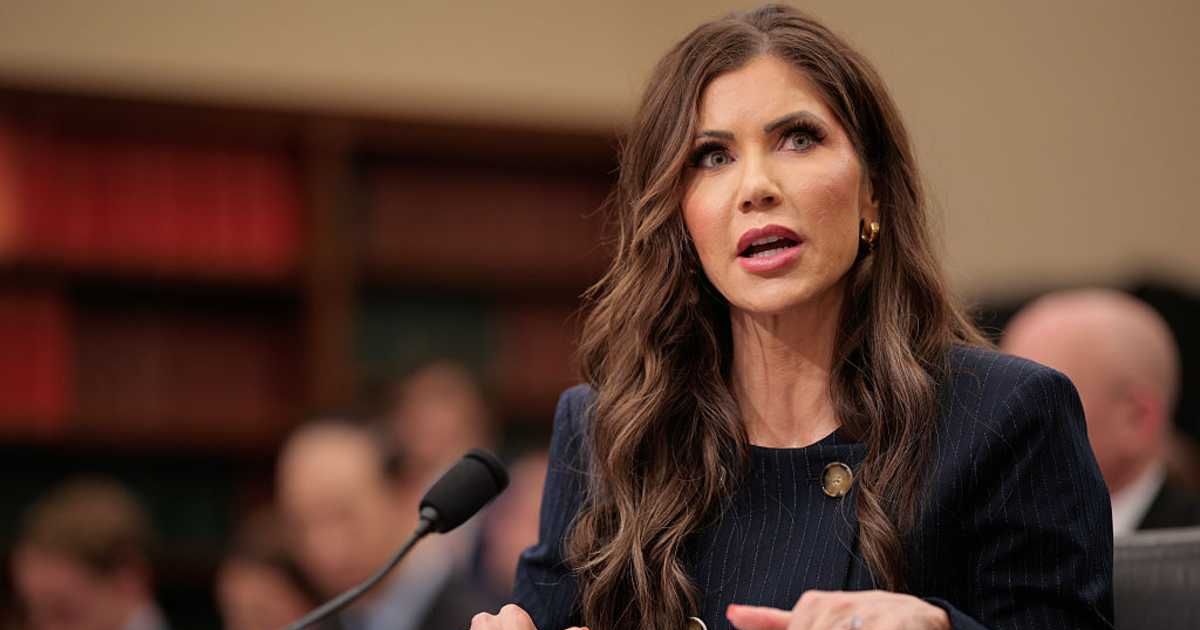
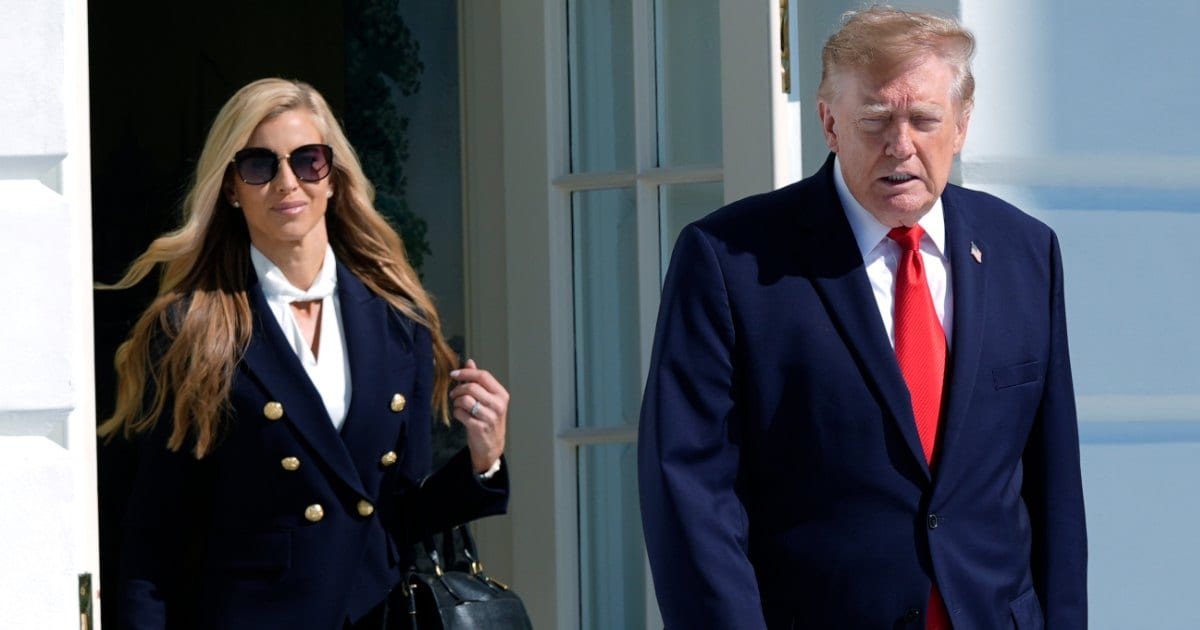
WASHINGTON, DC: The Department of Justice declined to disclose the specific legal advice given to Homeland Security Secretary Kristi Noem regarding the deportation of Venezuelan nationals on Friday, December 5.
In court declarations filed in response to a federal inquiry, DOJ officials cited executive privilege as the reason for withholding details from US District Court Judge James Boasberg.
Boasberg is currently determining whether Noem or other officials should be referred for potential contempt prosecution.
The inquiry stems from a March incident where the administration continued deportation flights for more than 100 Venezuelans to El Salvador despite a court order to return the planes.

Officials cite privilege in court filings
In her declaration, Secretary Noem confirmed that her decision to continue the transfer of detainees was made after receiving legal counsel.
She cited advice from both DOJ leadership and Joseph Mazzara, the acting general counsel of the Department of Homeland Security.
However, Deputy Attorney General Todd Blanche and former DOJ official Emil Bove, who is now a US circuit judge, declined to elaborate on that counsel in their Friday filings.
"DOJ has not authorized me to disclose privileged information in this declaration," Bove stated in his filing.
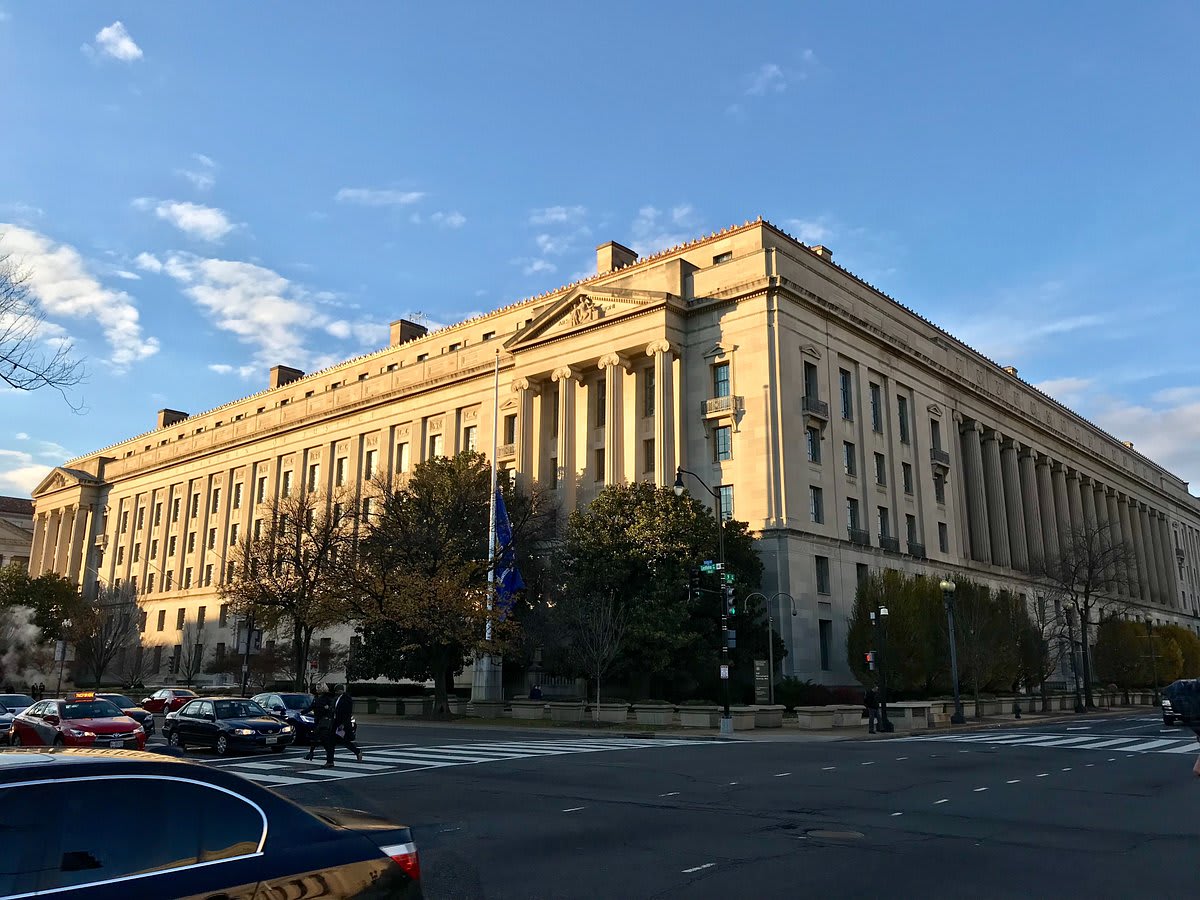
Mazarra stated in his declaration that he analyzed Judge Boasberg's order at the time and provided guidance to Noem based on that analysis.
"DHS had removed these t********s from the US before this Court issued any order (or oral statement regarding their removal)," Mazarra wrote.
Battle over the Alien Enemies Act
The legal clash centers on the Trump administration's use of the Alien Enemies Act (AEA), an 18th-century wartime authority.
The White House invoked the act to deport alleged members of the Venezuelan gang Tren de Aragua, arguing the group allegedly functions as a "hybrid criminal state" invading the US.
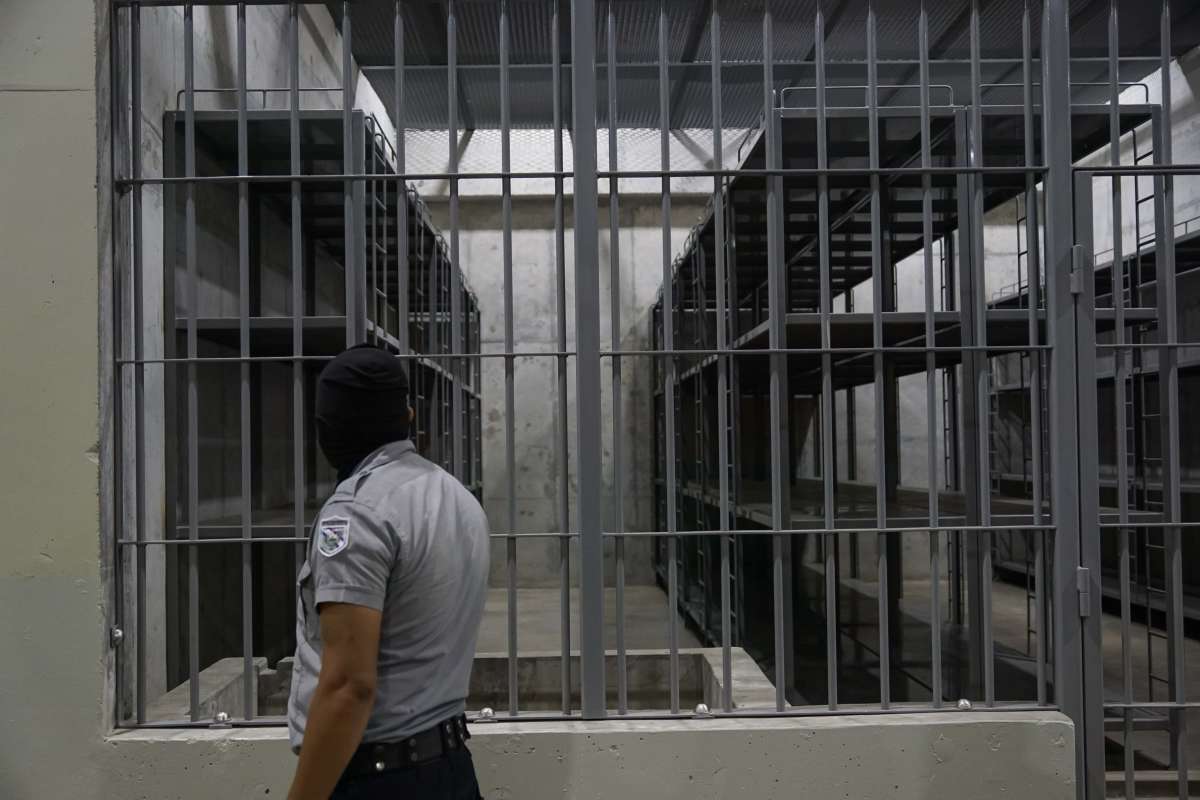
During a March 15 hearing, Judge Boasberg issued a temporary restraining order and orally instructed that the planes be turned around.
Justice Department attorneys have since argued that these oral instructions were legally defective and that the deportations proceeded lawfully.
In a separate filing on Friday, DOJ attorneys argued it would be "prejudicial and constitutionally improper" to compel further testimony from the officials.
"[The] Court has all the information it needs to make a referral if it believes one to be justified," the attorneys stated.
ACLU accuses administration of non-cooperation
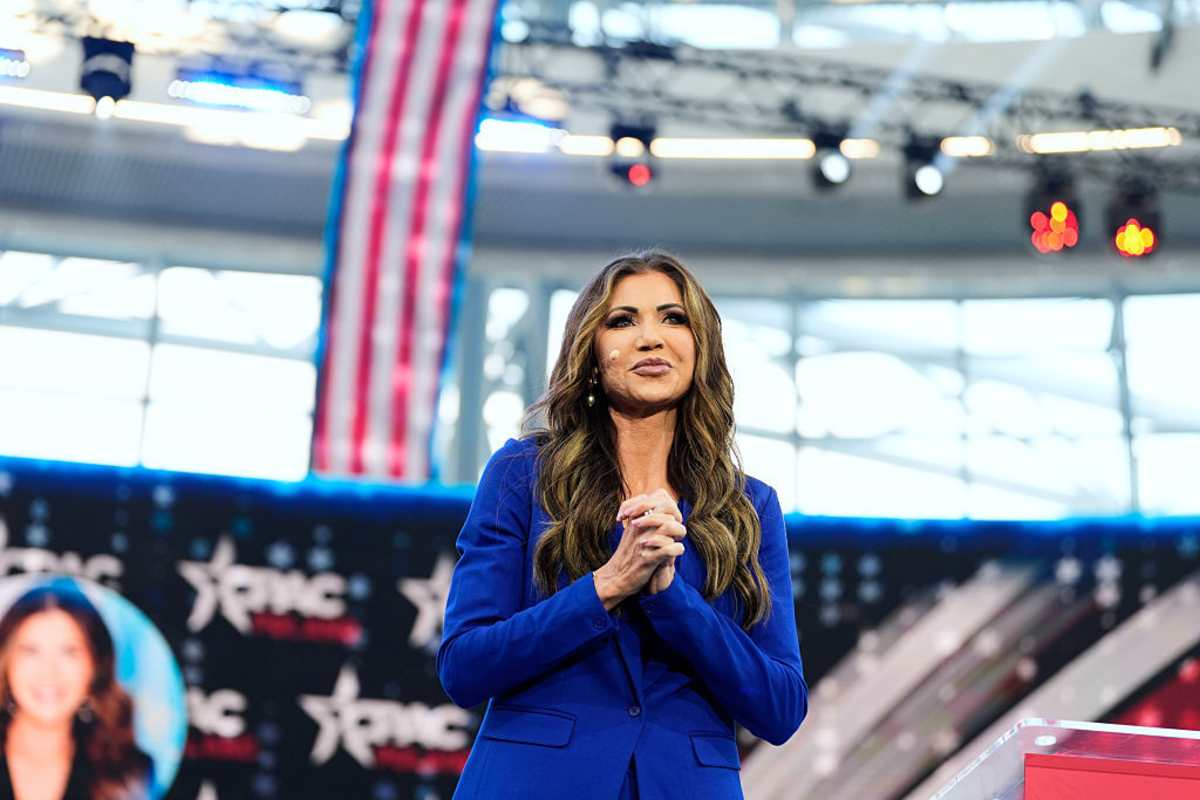
The American Civil Liberties Union (ACLU), which challenged the deportations, blasted the filings.
Lee Gelernt, the lead attorney for the ACLU, told ABC News that "the Trump administration is again refusing to cooperate with a federal court."

Boasberg had previously found that the administration likely acted in contempt, but that finding was halted for months by an appeals court stay.
While the appeals court declined to reinstate Boasberg's original order to return the migrants, it allowed him to proceed with the fact-finding inquiry into the administration's conduct.
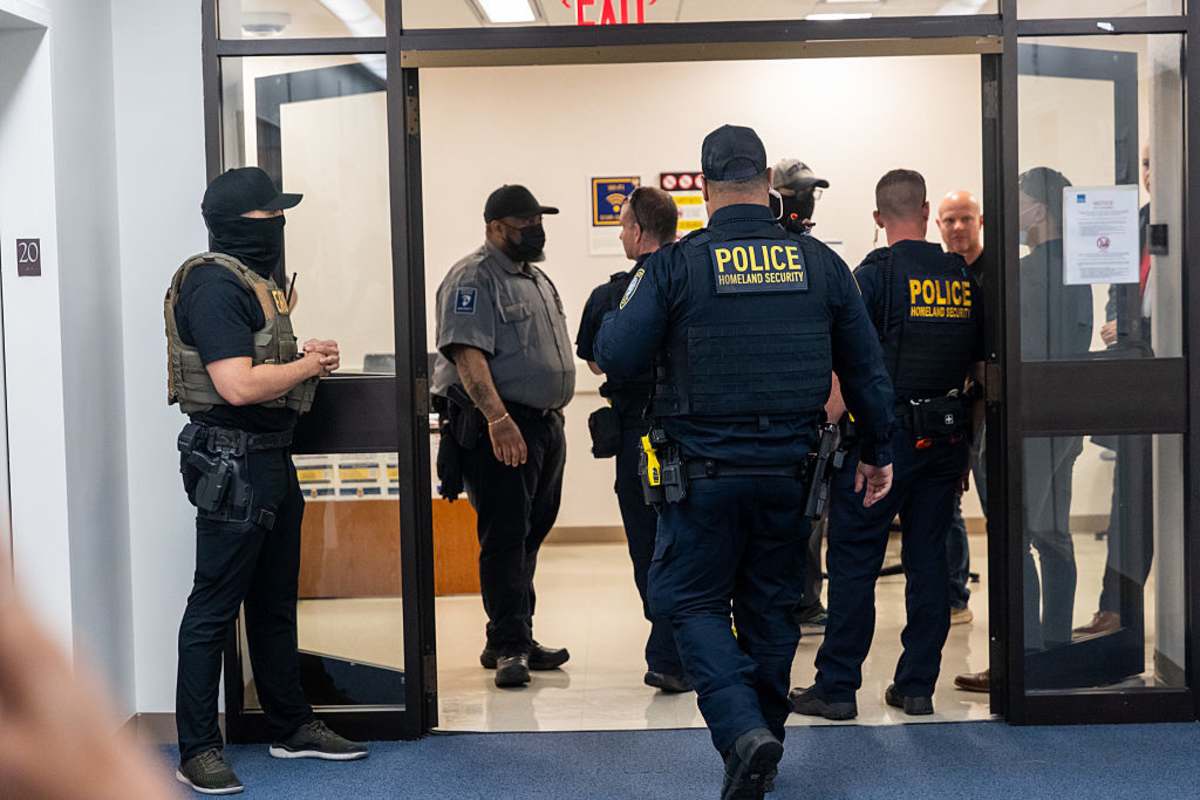
The administration maintains that its actions were necessary to remove dangerous individuals from American soil.