Energy Secretary Chris Wright signals US companies may expand role in Venezuela’s oil sector
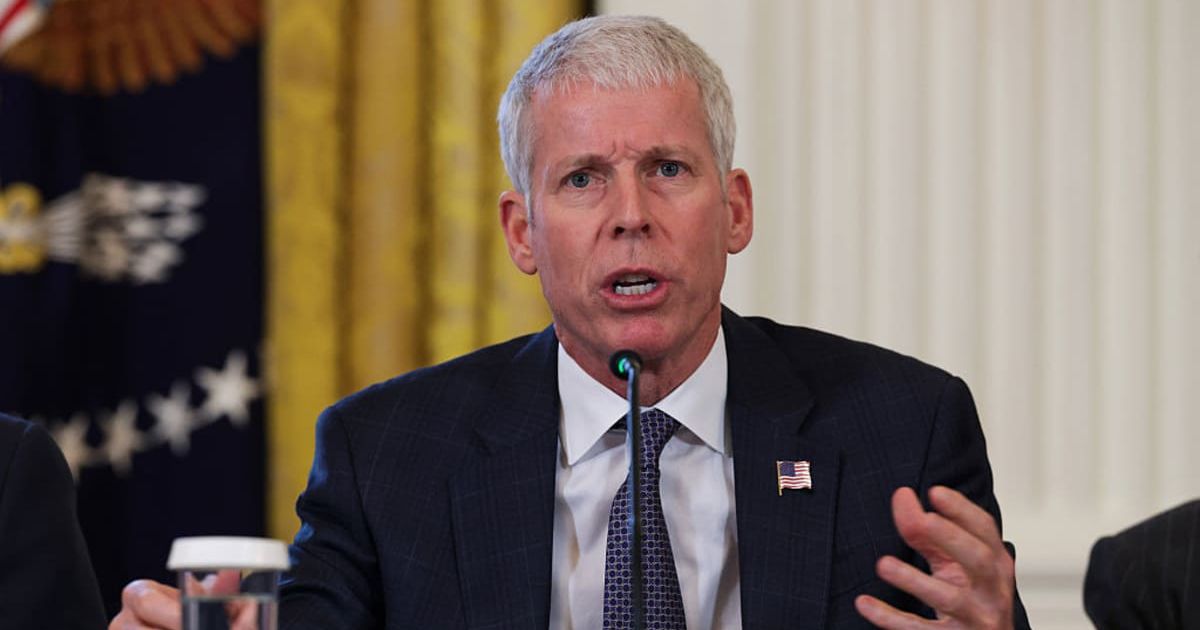
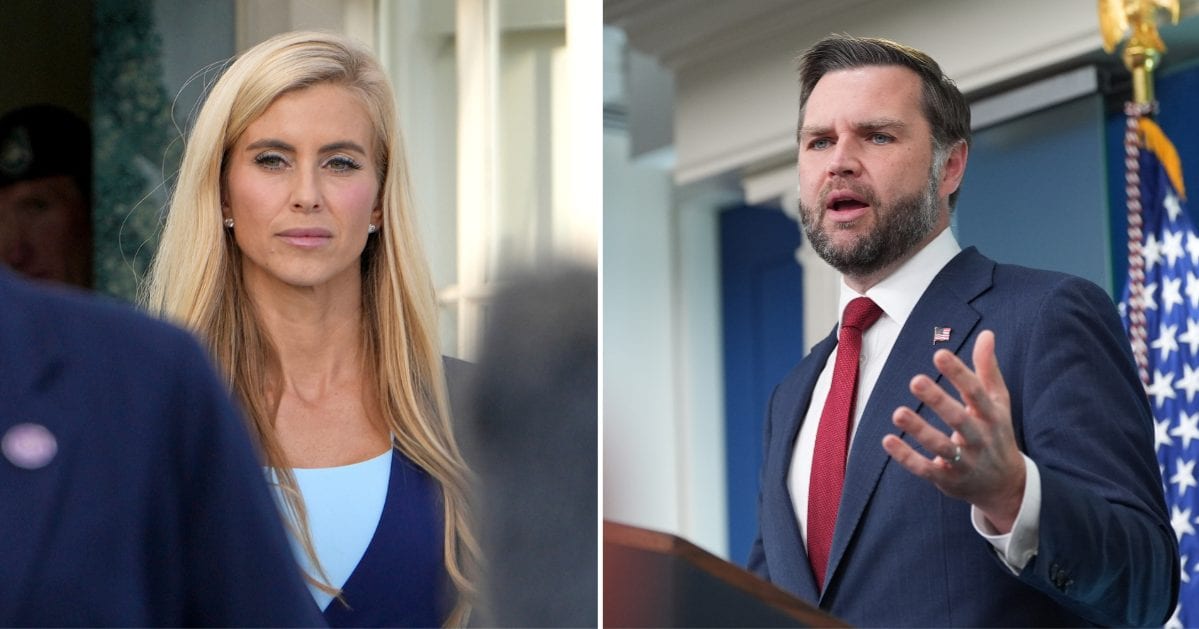
WASHINGTON, DC: Energy Secretary Chris Wright said on Sunday, January 11, that it is “quite likely” American companies will soon expand their financial footprint in Venezuela’s oil sector, as Washington tightens control over the country’s primary source of revenue following the removal of Nicolás Maduro.
Appearing on CBS’ Face the Nation, Wright described US corporate involvement as a “very real possibility” as Venezuela enters a transitional period. While he emphasized that the United States has not physically taken over operations of PDVSA, the state-owned oil company, he confirmed that the Trump administration now directs how Venezuelan crude reaches global markets.
US enforces quarantine on crude sales
ICYMI: Watch @margbrennan's full interview with Secretary of Energy Chris Wright. https://t.co/b4U3MzvkEK pic.twitter.com/x8DeTHKGhB
— Face The Nation (@FaceTheNation) January 11, 2026
Wright outlined a system of centralized oversight over exports and revenue.
“No, today we are running the sale of their crudes,” he told host Margaret Brennan. “We have a quarantine around their ability to ship oil outside of Venezuela. All of that goes through American crude marketers.”
He said proceeds are routed through US-controlled channels. “We collect those funds and bring them back to Venezuela to better the lives of Americans and Venezuelans,” Wright stated.
According to the secretary, controlling oil revenue is intended to drive political change. “With United States influence now by controlling the sale of their oil and therefore the flow of funds into the country, we think we will see relatively rapid change,” he said.
Chris Wright discusses about working with those holding guns
Wright acknowledged that the transition requires engagement with figures from the former regime to prevent instability. He said the United States does not view Venezuela as having a fully legitimate government at present but must avoid a collapse of state authority.
“We need to work with the people that have the guns today to ultimately move the country to a representative government and a better station,” Wright said. “What you’ve got to prevent in the meantime is a collapse of the nation.”
That approach includes contact with officials such as Interior Minister Diosdado Cabello, who has been indicted in the United States.
Navigating the volatile post-Maduro landscape
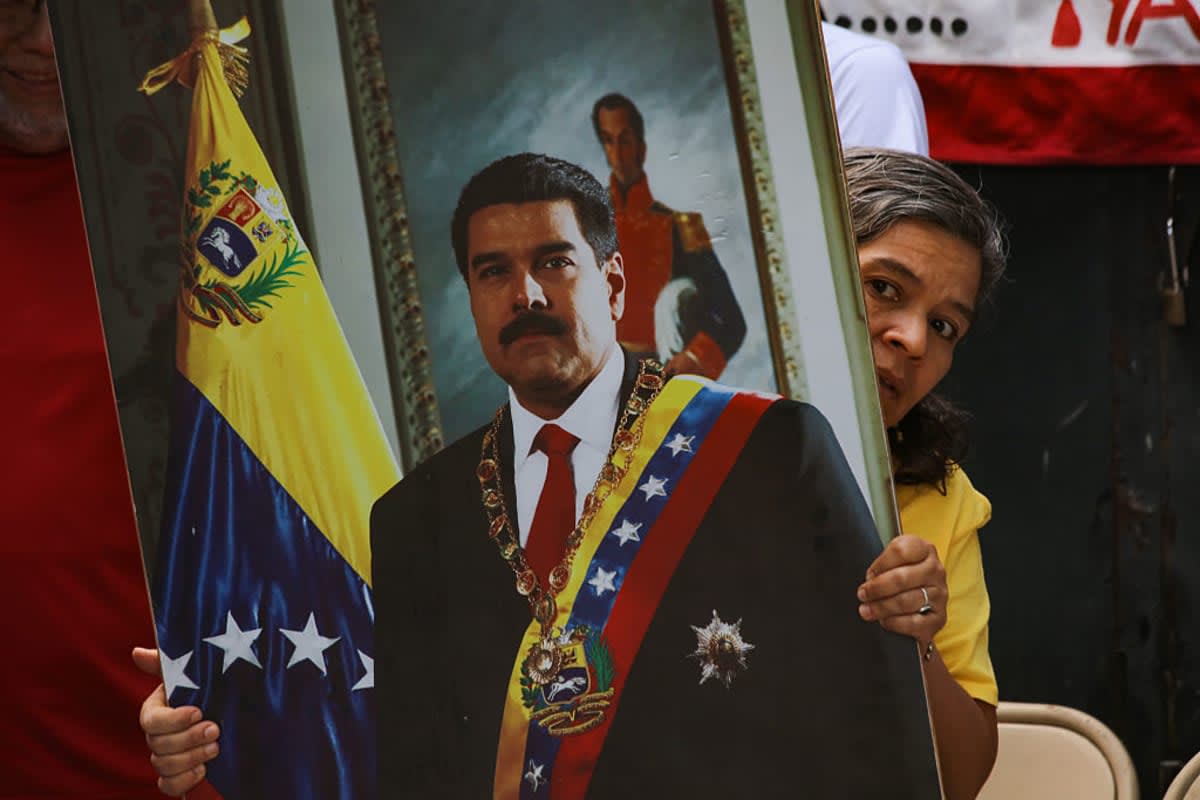
The remarks come just over a week after US forces captured Maduro and his wife on January 3. Both were transported to New York to face federal charges including narco-terrorism and cocaine importation and have pleaded not guilty.
Wright described the moment as early in a longer process. “This is a process. We’re only eight days into the process, but it’s off to a strong start,” he said, adding that the stated objective remains restoring “full sovereignty” to a future representative government.
Trump issues stark warning to Cuba
“…THERE WILL BE NO MORE OIL OR MONEY GOING TO CUBA - ZERO! I strongly suggest they make a deal, BEFORE IT IS TOO LATE. Thank you for your attention to this matter.”- President Donald J. Trump pic.twitter.com/bHEIysJ7q1
— The White House (@WhiteHouse) January 11, 2026
The policy shift is reverberating across the region. On Sunday, President Trump warned Cuba in a social media post that it is now cut off from Venezuelan oil, urging Havana to “make a deal before it’s too late.”
Wright later clarified that the United States is not currently asking Mexico, a key regional supplier, to halt shipments to Cuba. The administration, he said, is focused on enforcing the new framework governing Venezuelan crude while managing broader diplomatic consequences.