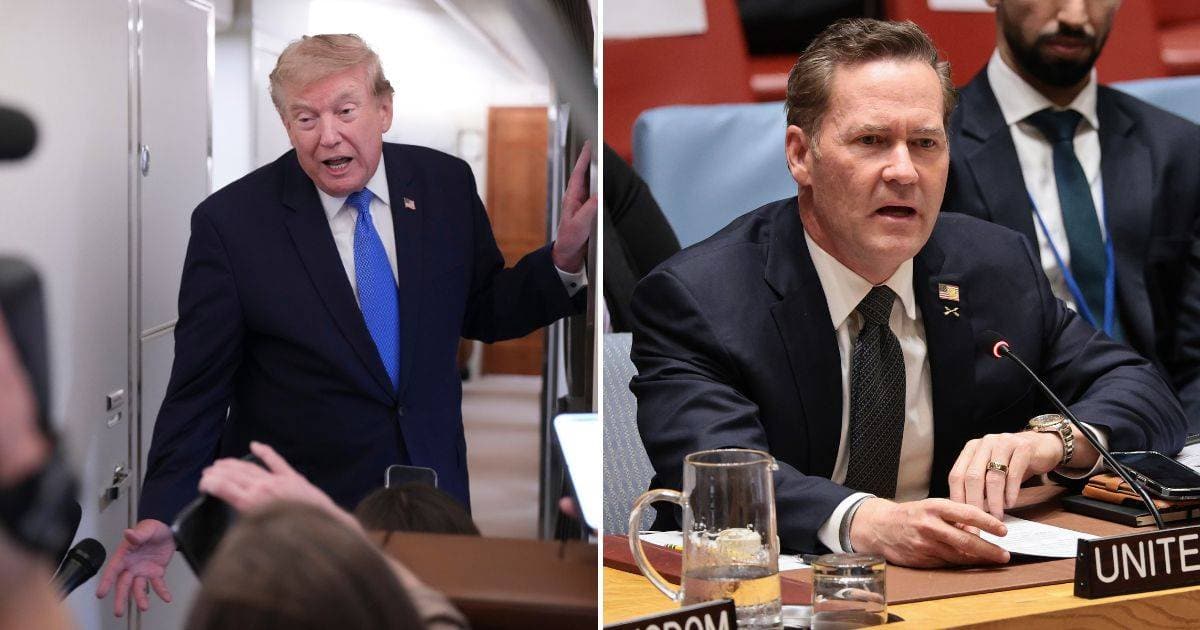
'Everybody says that and then things happen': Trump leaves Irish unity question open
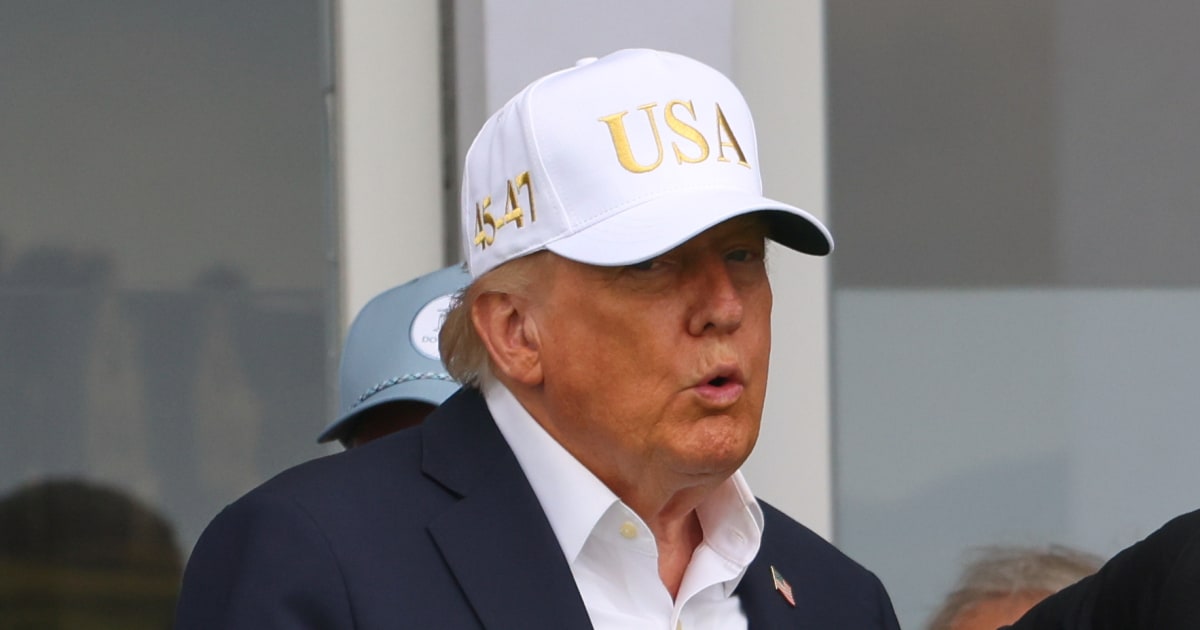
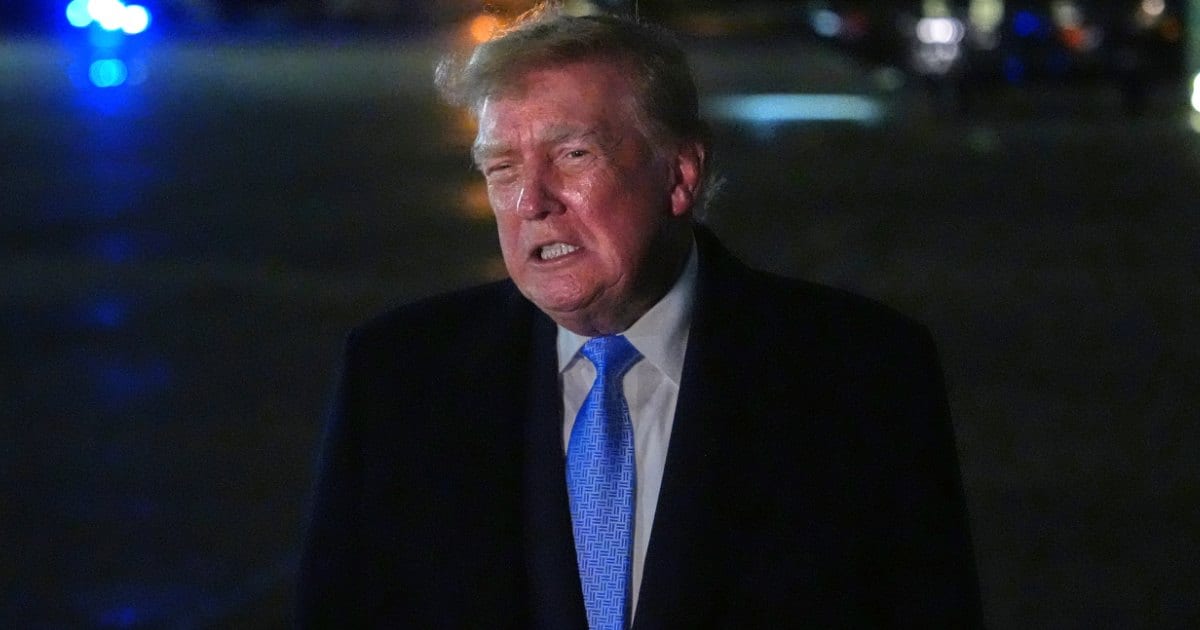
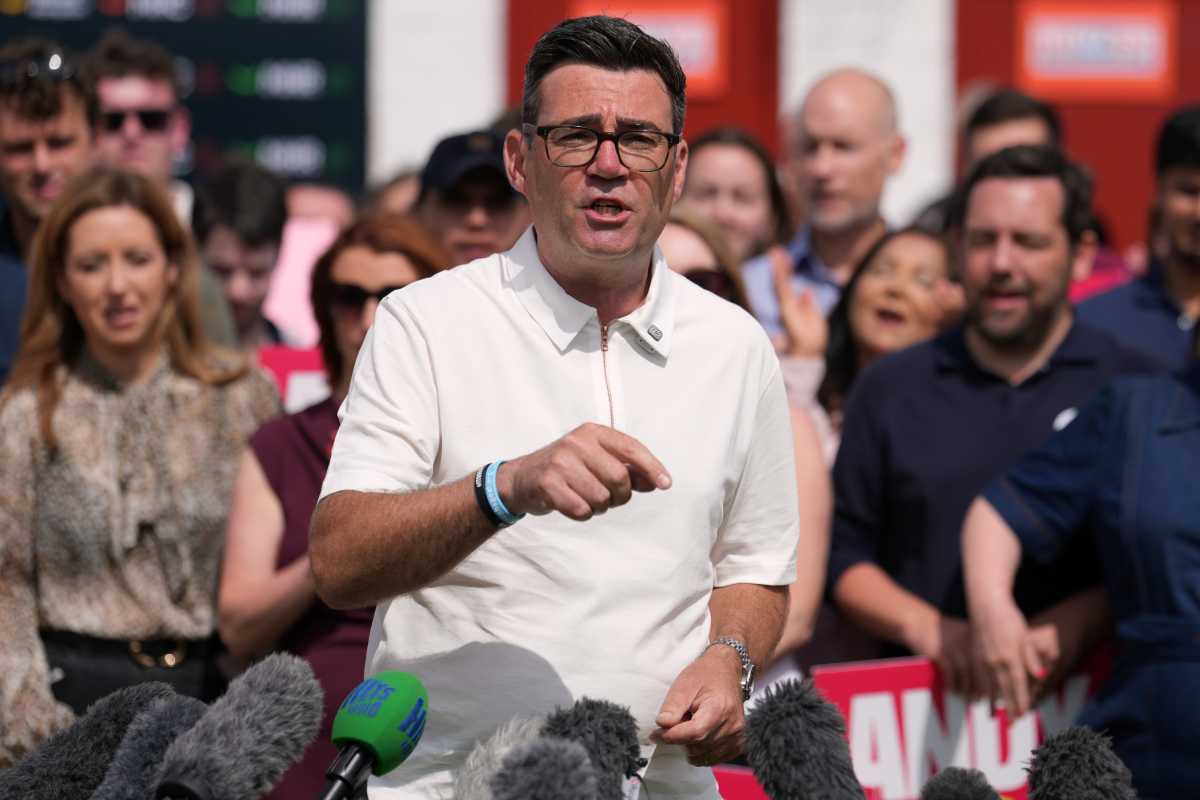
DUBLIN, IRELAND: President Donald Trump responded on Sunday, September 13, to UK Prime Minister Andy Burnham's position that a united Ireland referendum would not happen until public opinion changes, saying, "Everybody says that and then things happen."
Under the Good Friday Agreement, the Northern Ireland secretary must hold a referendum on Irish unification if it appears likely that a majority of people in Northern Ireland would support it.
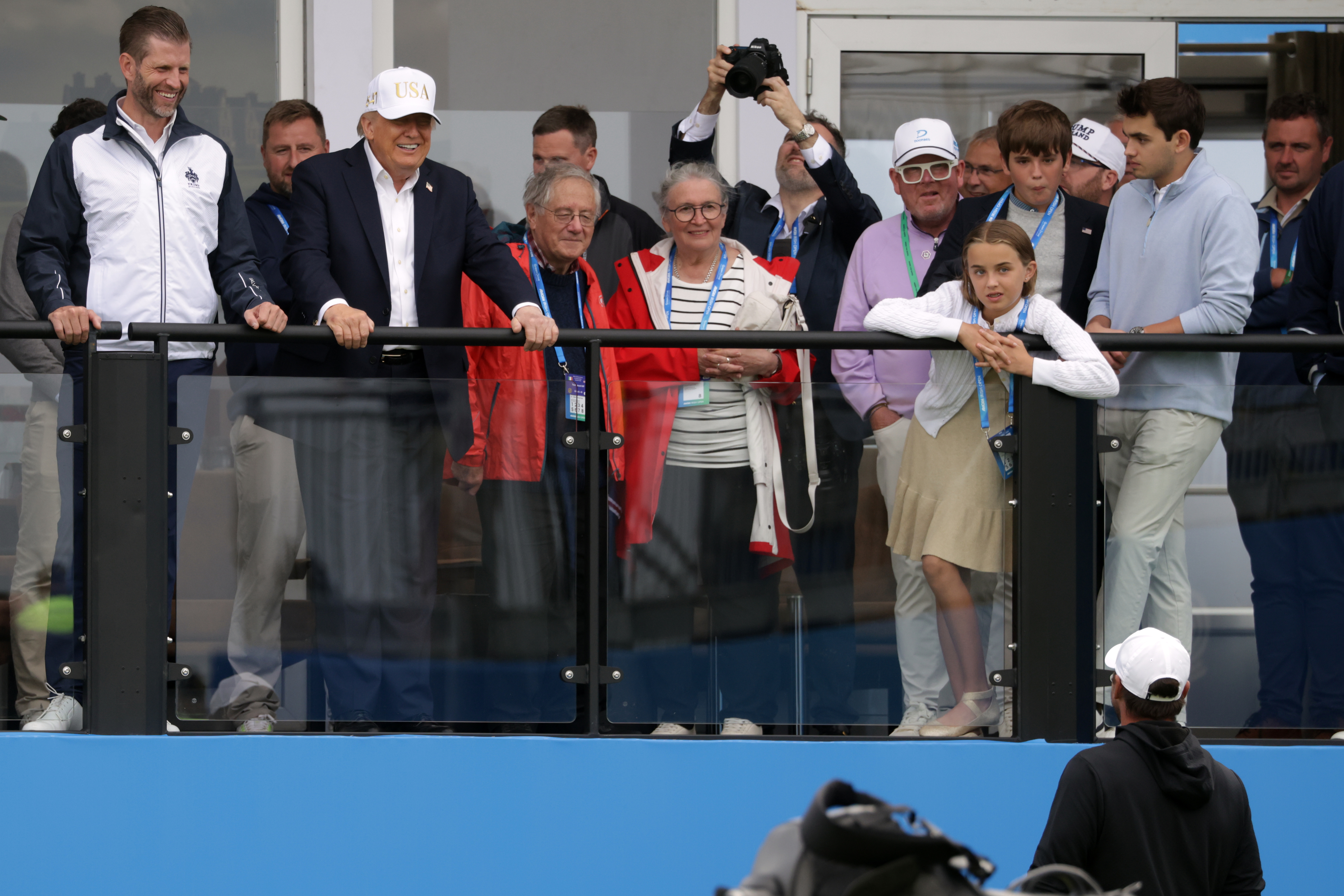
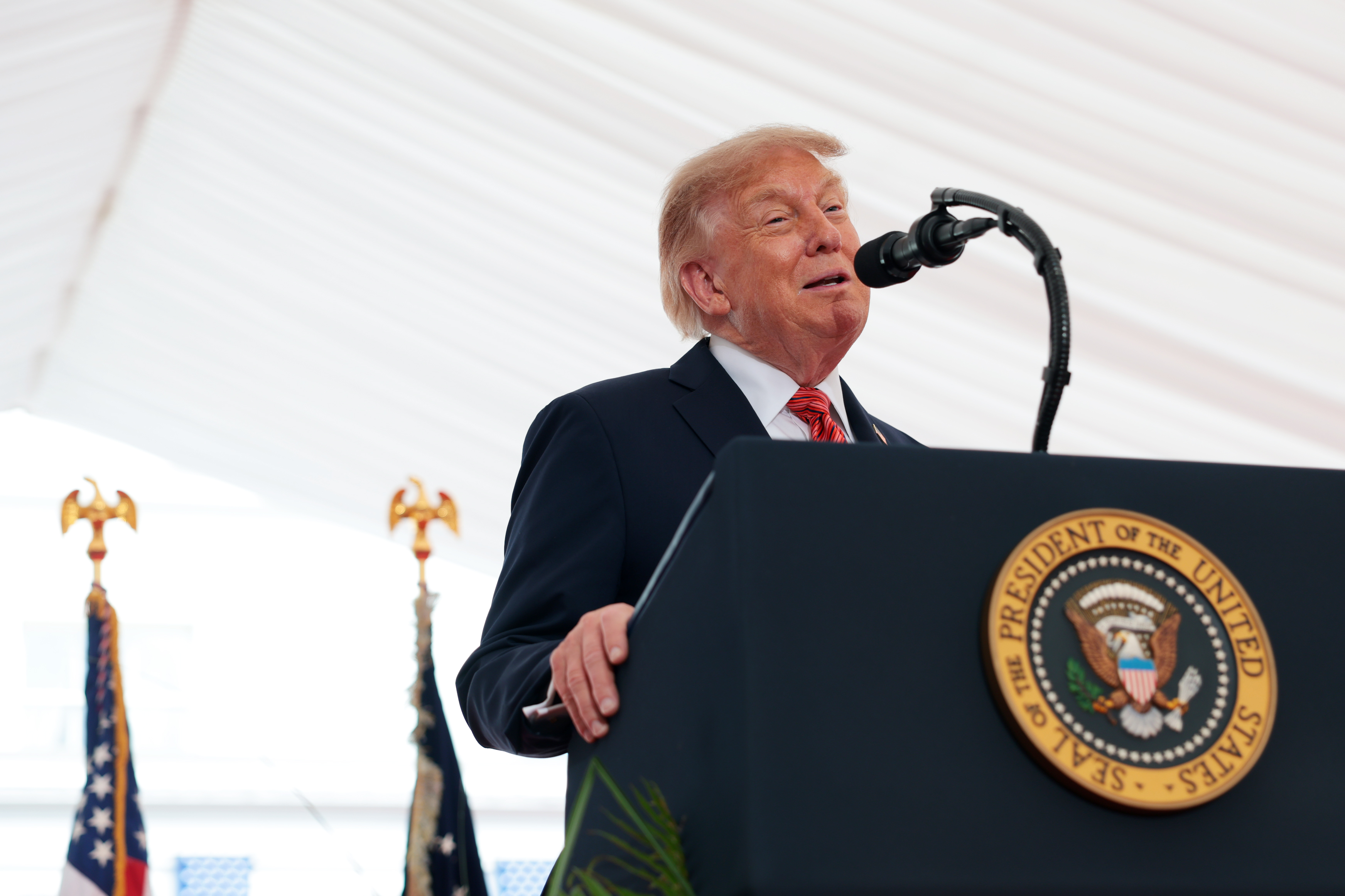
Trump made the remarks while speaking with reporters during the second day of his two-day visit to Ireland, where he was attending the Irish Open.
Q: What do you make of what the British PM said about your comments on a united Ireland?
— Aaron Rupar (@atrupar) September 13, 2026
TRUMP: I don't know what he said
Q: He said there will be no referendum until the majority of people in Northern Ireland--
TRUMP: Everybody says that, and then things happen. One thing… pic.twitter.com/GcIE0QTFdg
Trump leaves referendum timing unclear
Asked about Burnham's comments, Trump said he did not know what the British prime minister had said before responding to the position that a referendum would wait for a clear shift in public opinion.
"Everybody says that and then things happen," Trump said. "By the way, I've spoken to him. I think he's a very nice guy. He tends to be on the liberal side, unfortunately."
Burnham said the Northern Ireland secretary should consider a referendum on Irish unification when public opinion in Northern Ireland has changed enough to show "clear consensus" for one, as per the BBC report.
He also said he would stick to the Good Friday Agreement "100%"
The agreement said a secretary of state must call a border poll if it appears likely that a majority of people in Northern Ireland would support Irish unification, according to the outlet.
When such a poll could be held remains the subject of debate in Northern Ireland and the Republic, as per the report.
Irish leaders react to Trump's comments
Trump had earlier said he would "love to see" a united Ireland during a meeting with Ireland PM (Taoiseach) Micheál Martin and said it would happen eventually, the report stated.
Martin's spokesperson said Trump's latest comments "should come as a surprise to no one" and that the US president had been consistent in viewing unity in Ireland as the "optimal outcome."
Sinn Féin leader Mary Lou McDonald, whose party describes itself as Irish Republican and Democratic Socialist, said she acknowledged Trump's comments and that the onus was on the Taoiseach to begin planning.
But Irish Democratic Unionist Party leader Gavin Robinson said Trump "knows better than most that elections matter."
"Northern Ireland's constitutional future will be decided by the people of Northern Ireland, not by commentary in London, Dublin or Washington," Robinson said, as per the outlet.
Former DUP MP Ian Paisley, a close friend of the Trump family, said, "Everyone is allowed a personal opinion even when it's wrong."
Irish government stresses consent
Ireland's Foreign Minister Helen McEntee said a change of constitutional status could happen only with consent from the Irish people, as per the report.
Trump on Irish unification: "I don't want to cause any problems, but I will tell you, I'd love to see it unified" https://t.co/11LsjjAgI7
— Aaron Rupar (@atrupar) September 12, 2026
"Something to this magnitude can only happen where there's consent from the Irish people," McEntee said. "It's something that we have to work on, and we have to work towards."
Social Democratic and Labour Party (SDLP) leader of Northern Ireland Claire Hanna welcomed Trump's comments, saying there was "something fairly extraordinary" about the US president discussing Irish unity openly in Dublin.
Ulster Unionist Party (UUP) leader from Northern Ireland Jon Burrows said America was an "important ally," but Northern Ireland's future would be decided by its people.
Traditional Unionist Voice (TUV) leader from Northern Ireland Jim Allister said Trump was not the first US president to "meddle in the affairs which don't concern him."
At an event at the US ambassador's residence on Saturday, Trump said there was "no good answer" to a question about a united Ireland before adding, "Oh that's a nice question. I have a nice answer; I think we'll read about it tomorrow."