Ex-CENTCOM chief says US can reopen Strait of Hormuz, calls campaign 'highly effective'
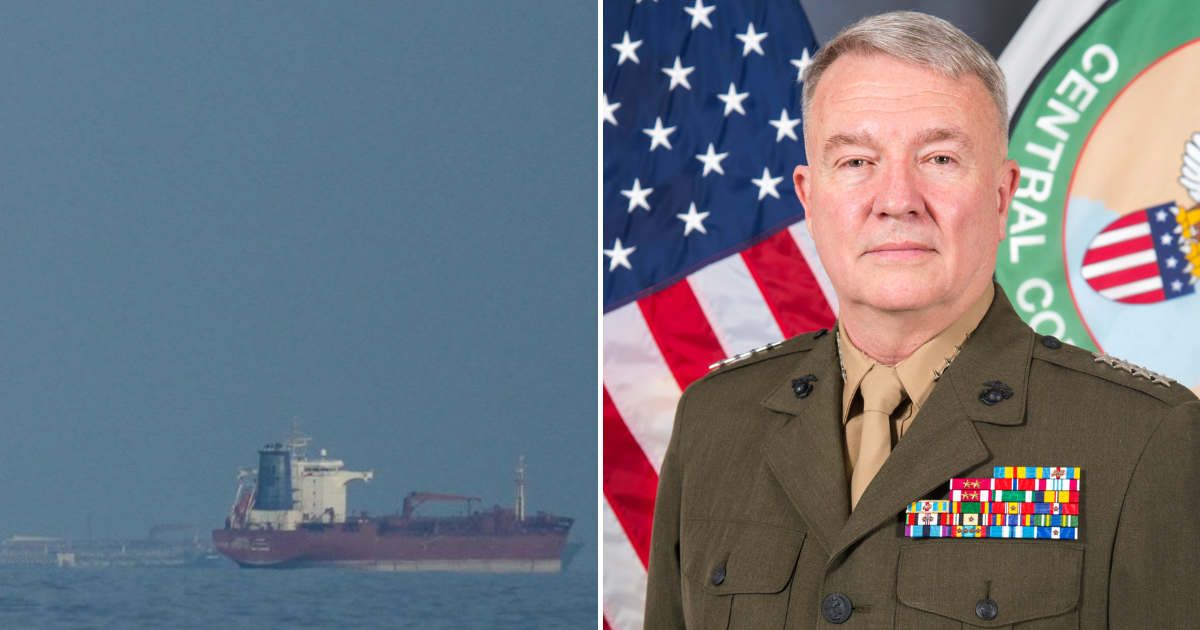
WASHINGTON, DC: Retired Gen Frank McKenzie, former commander of US Central Command, on Sunday, April 5, said the United States can reopen the Strait of Hormuz if it chooses to do so.
His remarks come amid ongoing tensions in the region and disruptions to one of the world’s most critical oil transit routes.
McKenzie described current military activity as part of the early phase of a broader campaign. He also assessed that operations so far have progressed more effectively than anticipated.
McKenzie says US campaign progressing effectively, outlines military objectives
McKenzie said current US actions represent initial steps toward securing the Strait of Hormuz, emphasizing efforts to reduce Iran’s operational capabilities in the region.
“The US has the ability to open the Strait of Hormuz should we choose to do it,” he said, describing ongoing activity as “what I would call the precursor of the initial steps in such a campaign.”
He outlined key objectives, including limiting Iran’s ability to target maritime traffic. “You want to reduce Iran's ability to fire short-range rockets and missiles into the strait against warships. You want to take out their fast attack craft,” McKenzie said.
He added that operations are also focused on countering Iran’s naval capabilities, including efforts to address its stockpile of sea mines.
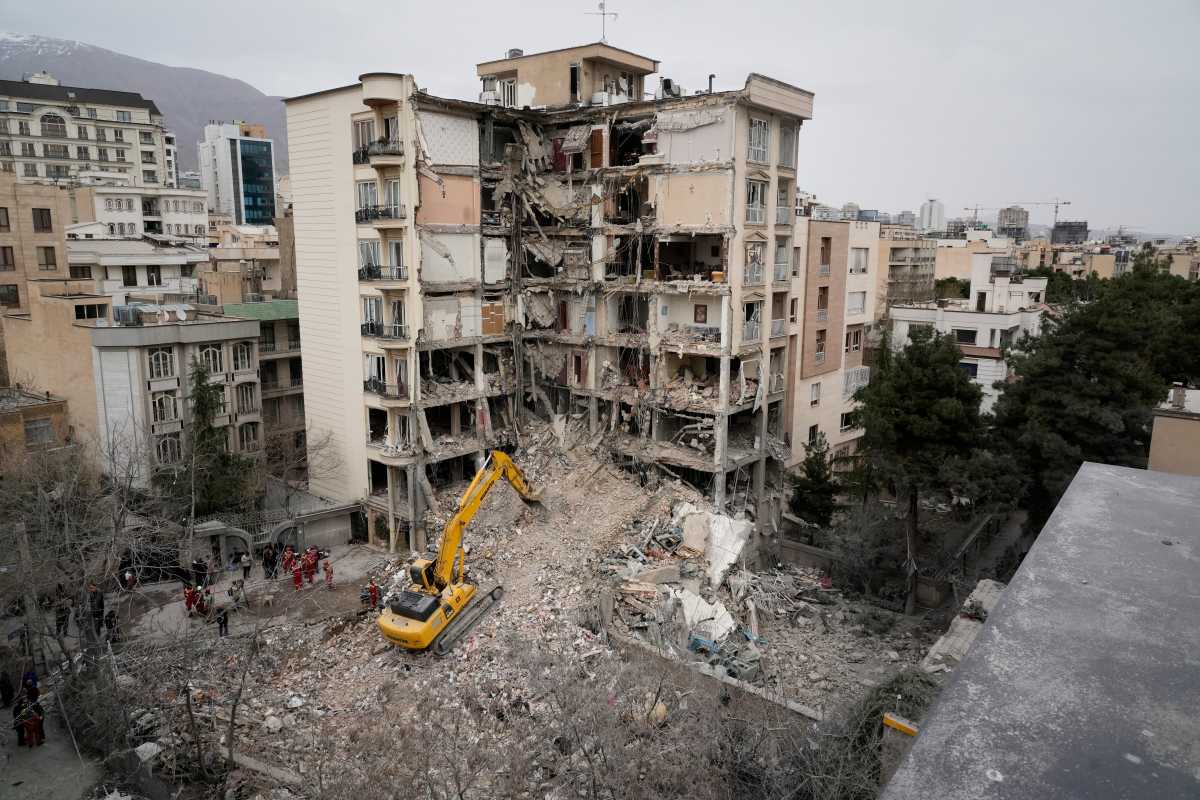
“So all of that is underway right now,” he said, noting that “I think we're well on the way to achieving those goals.” McKenzie also described the broader campaign as advancing at a pace that exceeds earlier expectations.
Gen. Frank McKenzie (ret.): "If you're at Central Command, you've got to be reasonably satisfied with where you are right now. In fact, when I was the CENTCOM Commander, if you had given me this situation at +30 days, I would have rejected it as being too optimistic by far." pic.twitter.com/i4bdWmjmh5
— Rapid Response 47 (@RapidResponse47) April 5, 2026
“If you're at Central Command, you've got to be reasonably satisfied with where you are right now,” he said. “In fact, when I was the CENTCOM Commander, if you had given me this situation at +30 days, I would have rejected it as being too optimistic by far.”
He added that US forces have already had a measurable impact, stating, “we've had good effect,” while noting that further operations are expected to continue.
Air and naval operations seen as key to reopening strait
Addressing how the US could reopen the Strait of Hormuz, McKenzie said the objective could largely be achieved through coordinated air and naval operations. He indicated that ground forces would likely play a limited, targeted role if deployed.
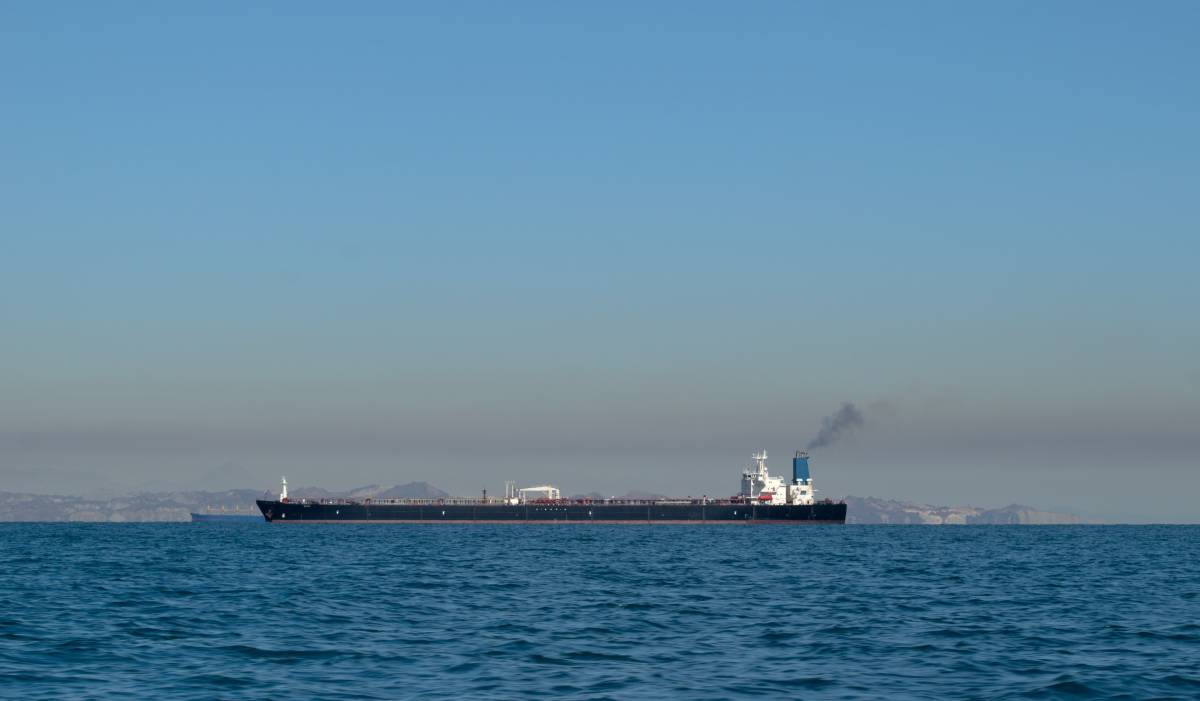
According to McKenzie, “the strait can be opened with an air and naval campaign,” with any ground involvement likely limited to specific missions.
He described such actions as “raids,” explaining that these would involve attacks with planned withdrawals rather than sustained deployments.
His remarks come as US officials have signaled a willingness to escalate pressure on Iran if access to the Strait of Hormuz is not restored.
McKenzie noted that Tehran should take such warnings seriously, stating that “the Iranians would be very well served to listen to President Trump when he says he's going to hit them, because he's proven that he's willing to do that.”