Explained: Trump's White House press ban and the legal fight over negative coverage
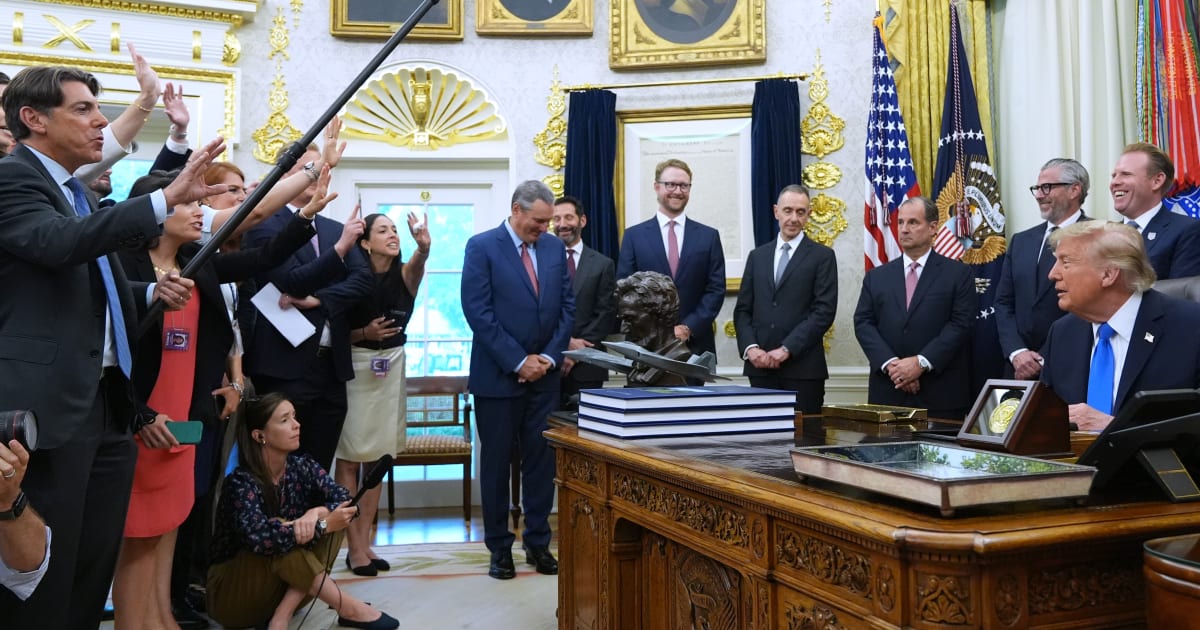
WASHINGTON, DC: President Donald Trump’s decision to bar CNN, MS NOW, and Politico from the White House has become a constitutional fight over a deceptively simple question: Can the government exclude journalists from an official press area because it objects to their reporting?
The three organizations filed a federal lawsuit in Washington, DC, on Monday, September 21, seeking to restore their reporters’ access and arguing that the administration violated the First and Fifth Amendments.
The complaint does not argue that every journalist has an unlimited right to enter the White House.
Instead, it focuses on how the government exercised its control over access, the reasons given for the ban and the lack of a process for challenging it.
What rights does the press actually have
The First Amendment protects freedom of the press, but that does not mean every reporter is automatically entitled to enter every government building or accompany the president everywhere.
The legal question is narrower.
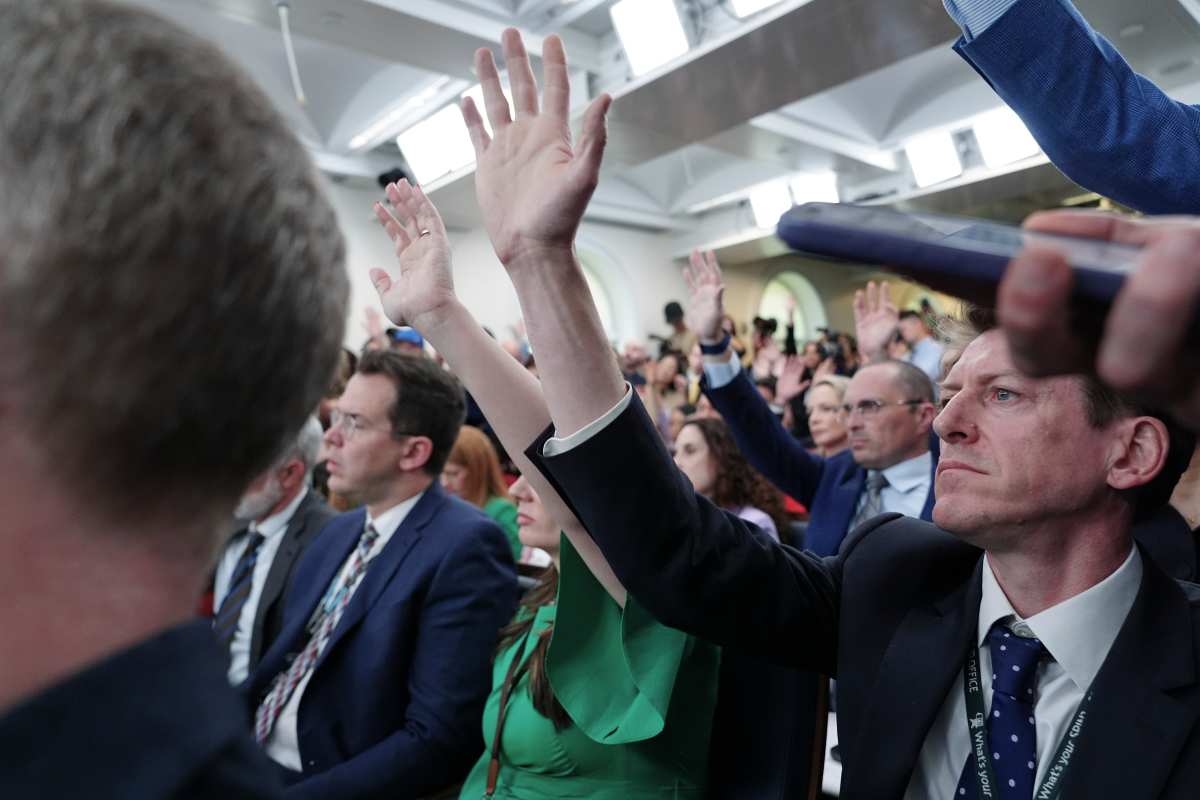
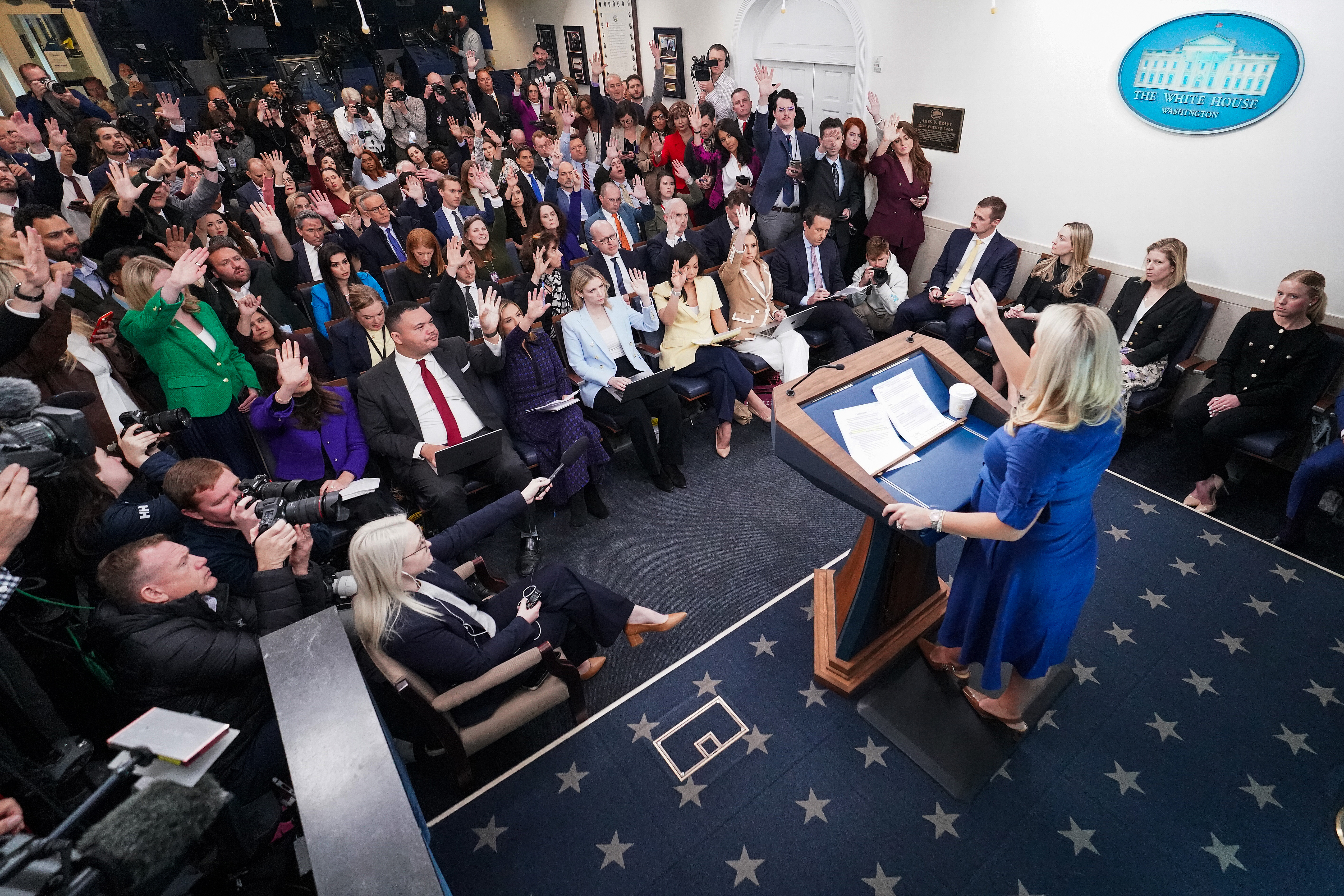
Once the government establishes a press-access system, courts can examine whether restrictions are reasonable, whether they are applied according to neutral rules, and whether journalists are being excluded because of the viewpoint or content of their reporting.
The lawsuit says the White House crossed that line by targeting three organizations over coverage Trump disliked.
White House press fights have history
Presidents and reporters have fought over access for decades.
In Sherrill v Knight, a 1977 federal appeals court case, the court addressed a reporter’s denial of a White House press pass and held that government officials could not make credential decisions without procedural safeguards.
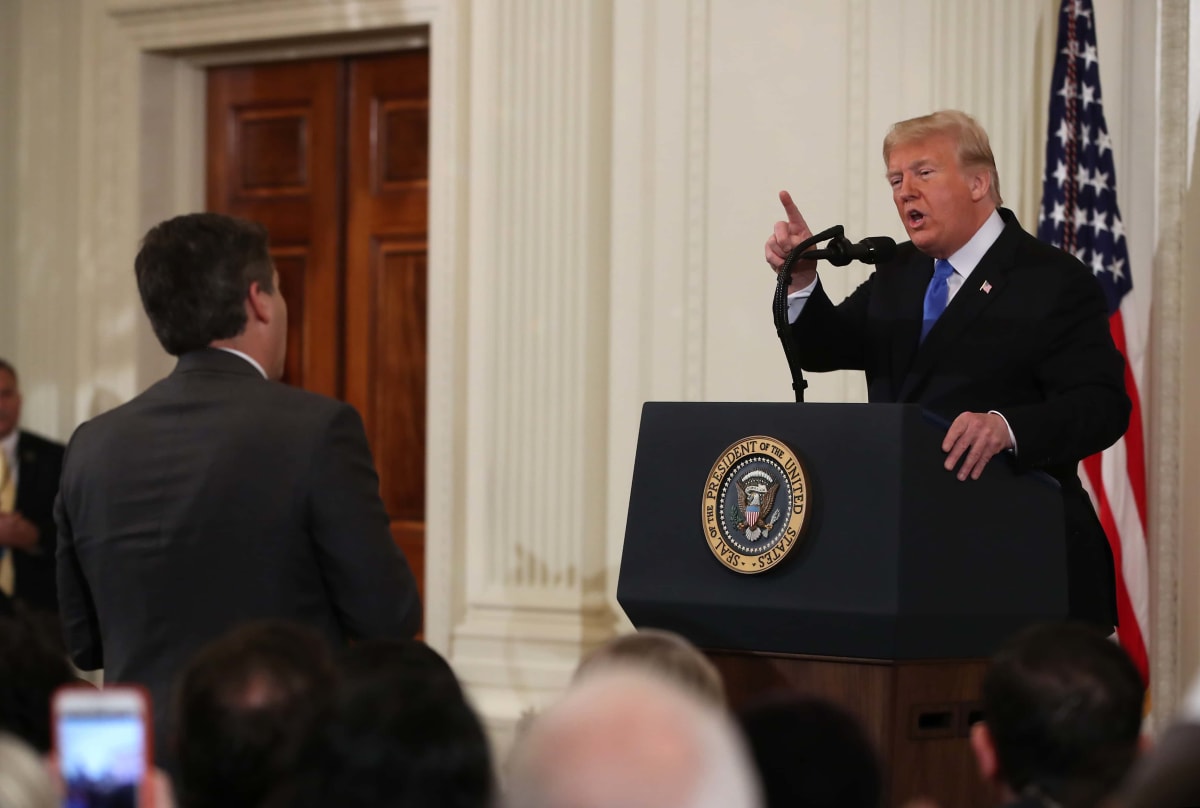
The issue resurfaced in 2018, when the Trump administration revoked CNN reporter Jim Acosta’s hard pass. A hard pass provides journalists unescorted access to designated press areas and helps cover some presidential travel and activities.

CNN and Acosta sued, and a federal judge ordered the credential restored, finding a Fifth Amendment due-process problem.
That history matters because the current lawsuit is not asking a court to create an entirely new principle.
It is asking whether those protections apply to a broader ban based on alleged hostility toward particular news coverage.
What Trump's ban covers and who it affects
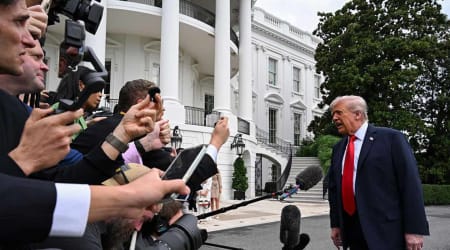
Trump announced the restrictions on Friday, saying CNN, MS NOW, and Politico should not be allowed into the White House because they produced what he described as “FICTION and LIES.”
Reporters for the three organizations were subsequently denied entry and had their credentials confiscated or disabled.
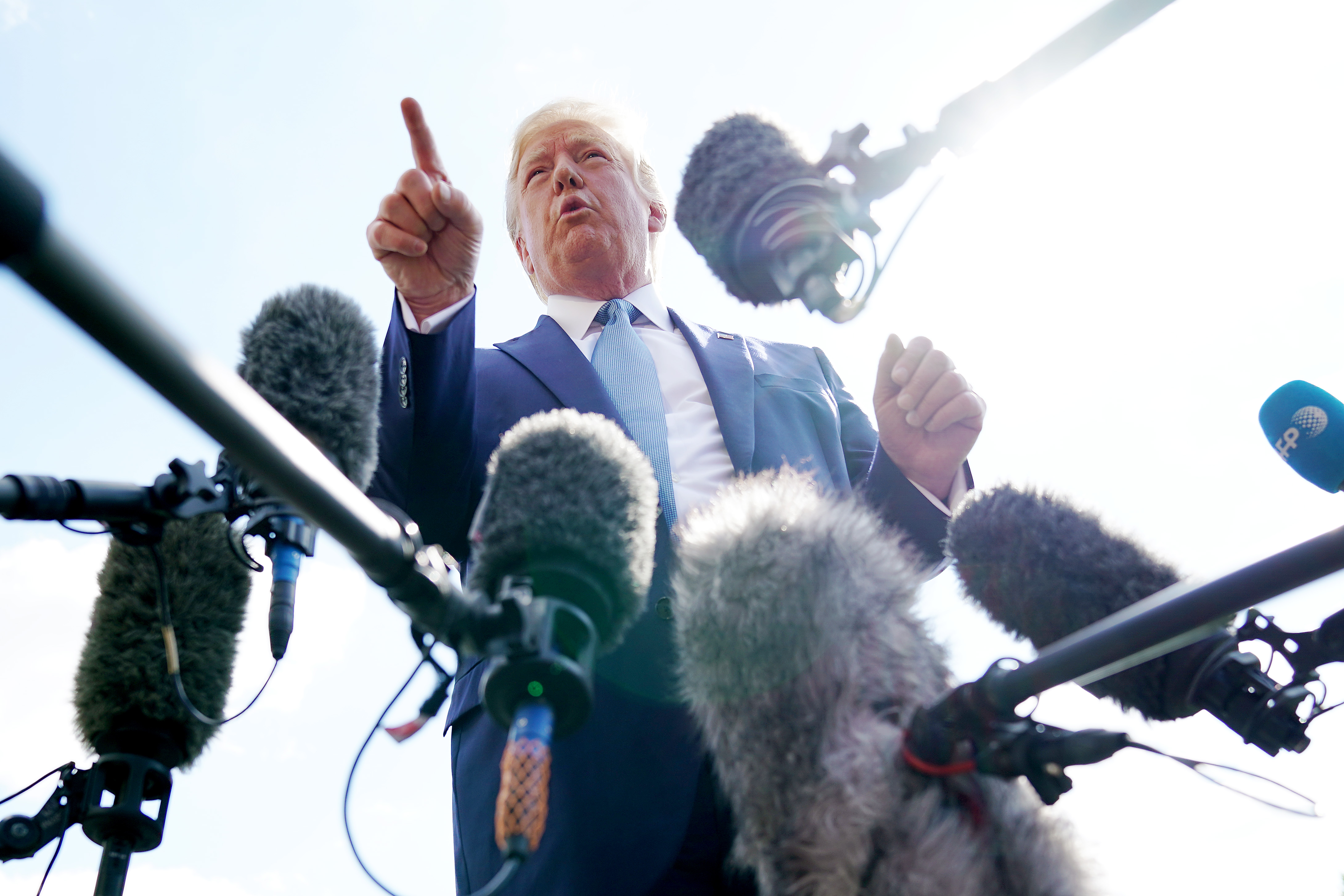
The lawsuit says the affected reporters had permanent White House credentials and that the administration provided no advance notice, clear standards, or meaningful opportunity to challenge the decision.
The dispute therefore concerns more than a single briefing or Oval Office appearance.
The plaintiffs say the ban cuts off regular access to the White House grounds and affects their ability to report directly on presidential activity.
Why Trump's own words matter
The complaint places significant weight on Trump's public explanation for the ban.
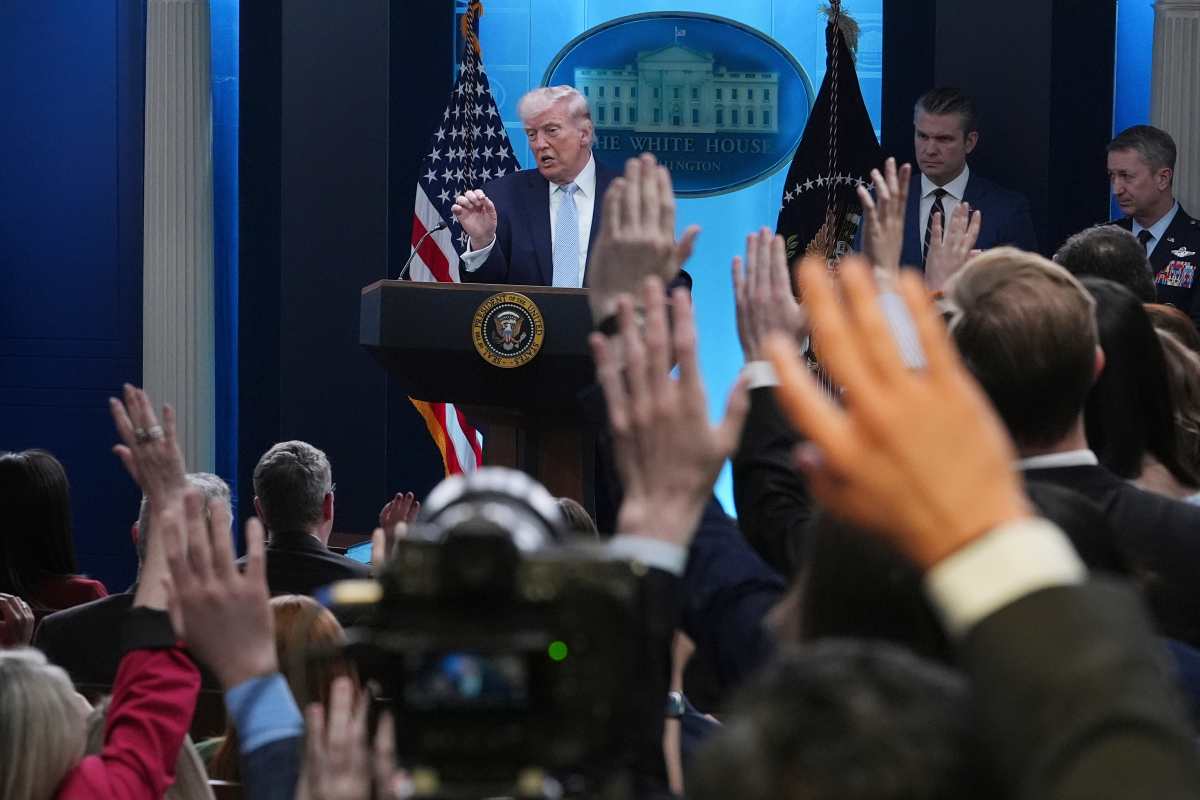
At the White House, Trump said the decision was based on what he described as an accumulation of negative coverage over two years.
🔥🚨 BREAKING — President Trump says CNN, MSNOW, and the other Fake News can write bad stories ALL they want:
— The Patriot Oasis™ (@ThePatriotOasis) September 18, 2026
TRUMP: "But I don’t have to let ’em into the people’s house!"
He will get a few honest ones. He named two people in the room. The rest can video from outside the… pic.twitter.com/epPHqaPBQU
He also said that while the outlets could continue writing what they wanted, he did not have to let them into “the people’s house.”
The plaintiffs argue those statements are evidence that access was restricted because of the content and viewpoint of the organizations’ journalism.
That matters because First Amendment retaliation generally turns on whether government action was taken in response to protected speech.
Trump has separately defended the move by describing the targeted outlets as “FAKE NEWS” and calling what he characterized as coordinated false reporting a national-security threat.
Those are the administration’s stated justifications, not findings by the court.
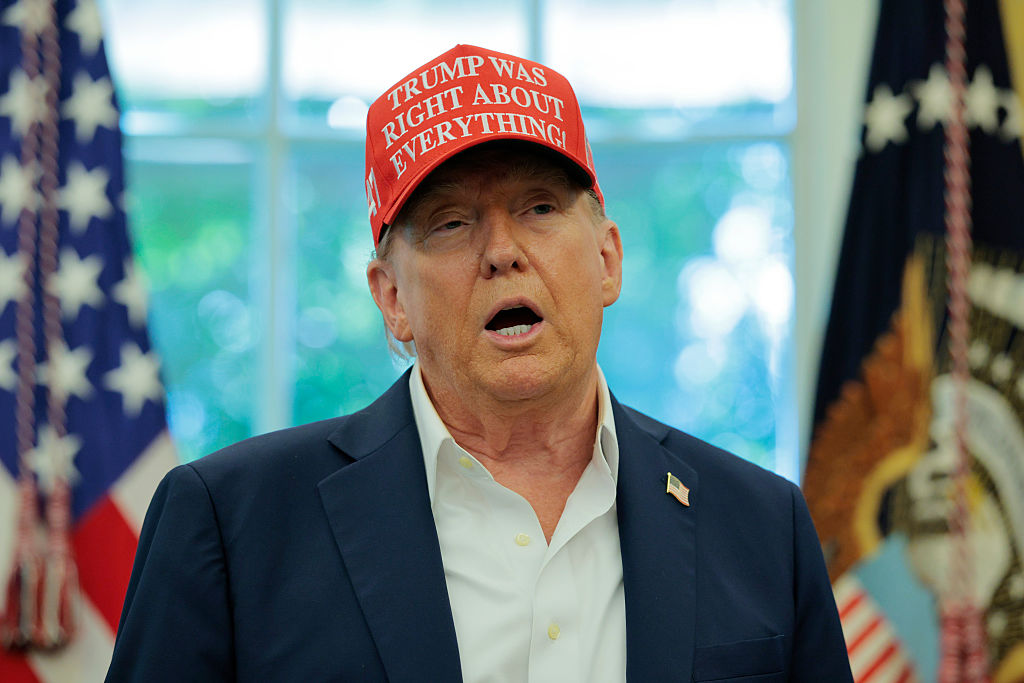
How White House hard passes work
A White House hard pass is more than an ordinary event credential.
According to the lawsuit, it provides journalists with unescorted access to designated press areas and can facilitate coverage of certain presidential travel and activities.
That access also feeds into the White House press-pool system.
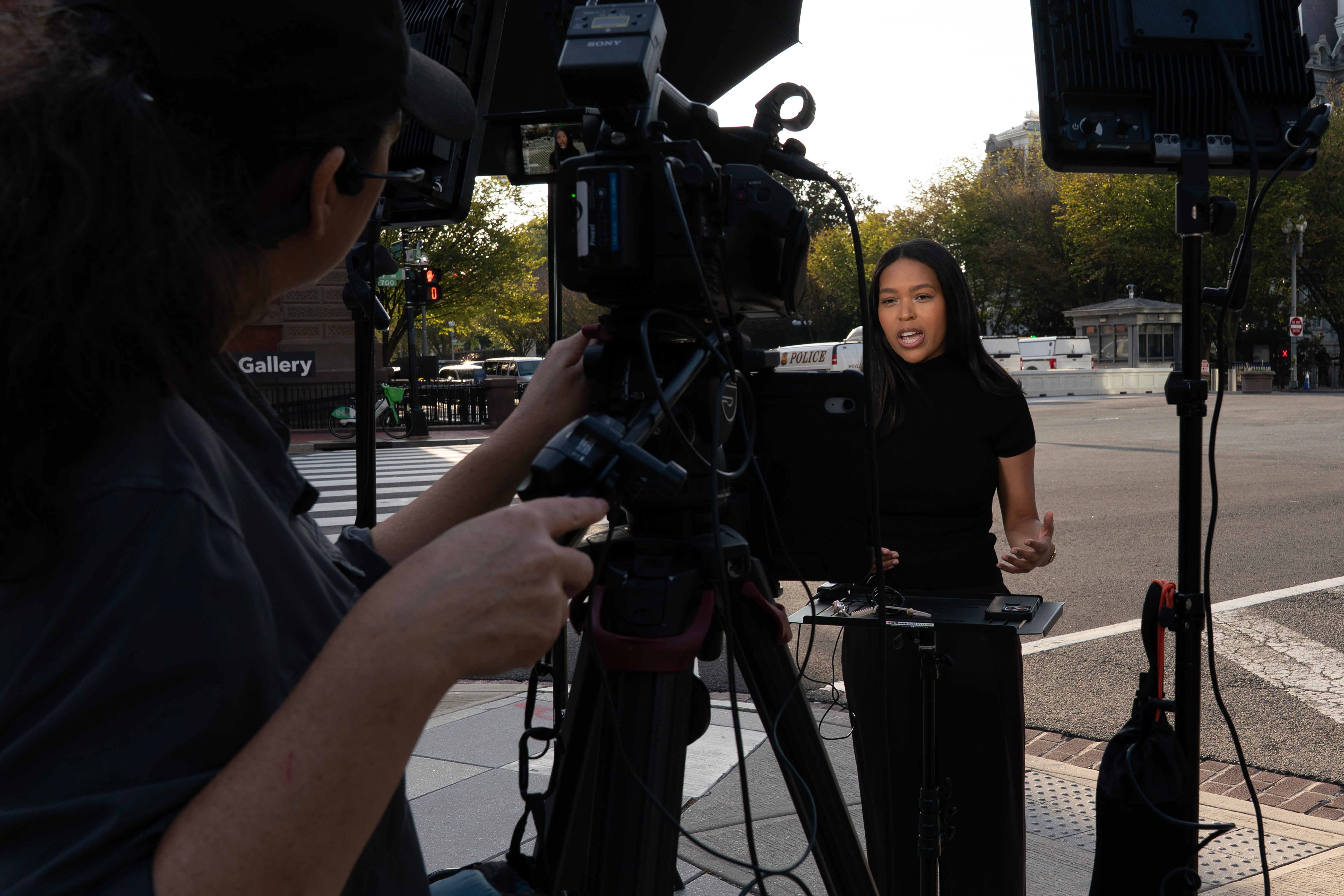
The primary television pool includes ABC, CBS, CNN, Fox News, and NBC, with members sharing the costs and footage from presidential events that cannot accommodate the entire press corps.
CNN’s removal therefore had an immediate practical consequence: It was scheduled to provide pool coverage during Trump’s trip to New York, but was pulled from the assignment.
The other major television networks subsequently suspended the presidential TV pool rather than replace CNN.
The three constitutional claims the lawsuit raises
The lawsuit brings three separate constitutional challenges.
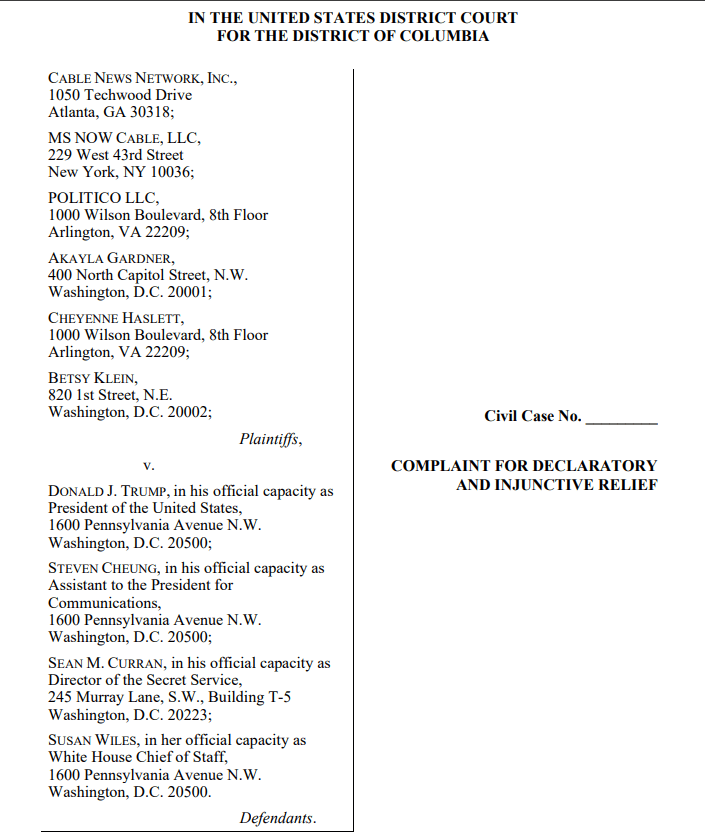
First, it alleges a Fifth Amendment due-process violation, arguing that the reporters’ protected access was taken away without adequate notice, standards or an opportunity to respond.
Second, it alleges First Amendment retaliation, arguing that the government punished the organizations for reporting it disliked and that such action could deter other journalists from producing unfavorable coverage.
Third, it alleges viewpoint discrimination. The plaintiffs say the White House permitted press access generally but singled out particular outlets because of their editorial viewpoint, which they argue is unconstitutional.
Why the nonpublic forum matters
This is one of the lawsuit’s most important legal questions.
The plaintiffs cite a 2025 DC Circuit ruling, Ateba v Leavitt, which treated the White House press area as a nonpublic forum.
That classification does not mean the government must admit every journalist.
It means restrictions on access still have to satisfy constitutional standards, including being viewpoint-neutral and reasonable.
The distinction is crucial: The lawsuit is not simply arguing that journalists have an absolute right to enter the White House.
It argues that once access is provided through a selective press system, the government cannot use that system to punish disfavored viewpoints.
What Sherrill and Acosta suggest for this case
Earlier cases also show why the details of the access policy matter.
In the Acosta litigation, the fight centered on whether the White House could revoke a journalist’s hard pass without providing adequate process.
The 1977 Sherrill precedent likewise dealt with procedural protections surrounding press credentials.
The current case adds another layer because the plaintiffs say Trump himself connected the ban to the outlets’ coverage.
That creates a factual dispute over whether the administration applied an ordinary access rule or imposed a punishment because of protected journalism.
What the plaintiffs want from the judge
CNN, MS NOW, and Politico are asking the federal court to declare the ban unconstitutional and immediately stop its enforcement.
They also want their reporters’ hard passes and White House access restored, along with other relief and legal costs.
The case therefore reaches beyond the three organizations.
Its outcome could clarify how much discretion a president has over a selective press-access system, what procedural protections journalists receive when credentials are revoked, and how courts should treat government restrictions that are allegedly tied to unfavorable reporting.
The court will now have to decide whether this particular restriction falls within presidential control over White House access or crosses the constitutional boundaries argued by the plaintiffs.