Explained: What's behind Trump officials' unusual move into military housing
WASHINGTON, DC: In a rare bureaucratic development, Trump officials are gradually moving into gated military housing, traditionally intended for military personnel and senior officers.
Although there have been occasional and exceptional instances where federal officials have requested housing arrangements inside the highly secured military housing, the current wave of civilian officials moving into the housing arrangement is unprecedented.
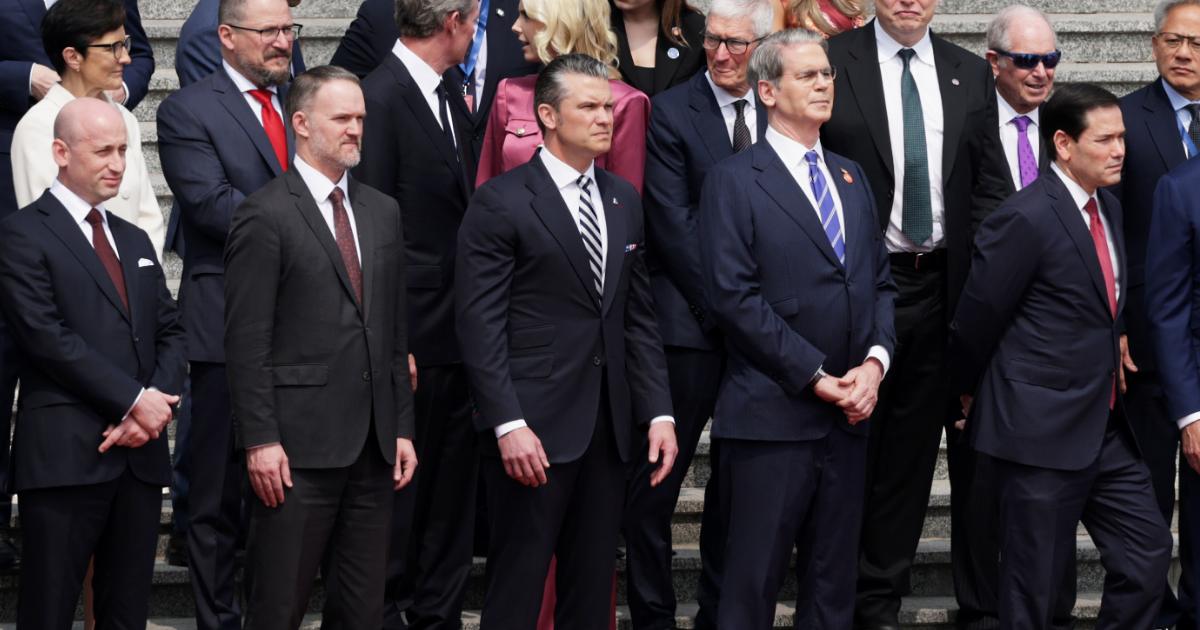
Nearly half a dozen members of President Donald Trump's administration are now living in a military compound, with Treasury Secretary Scott Bessent becoming the latest known addition.
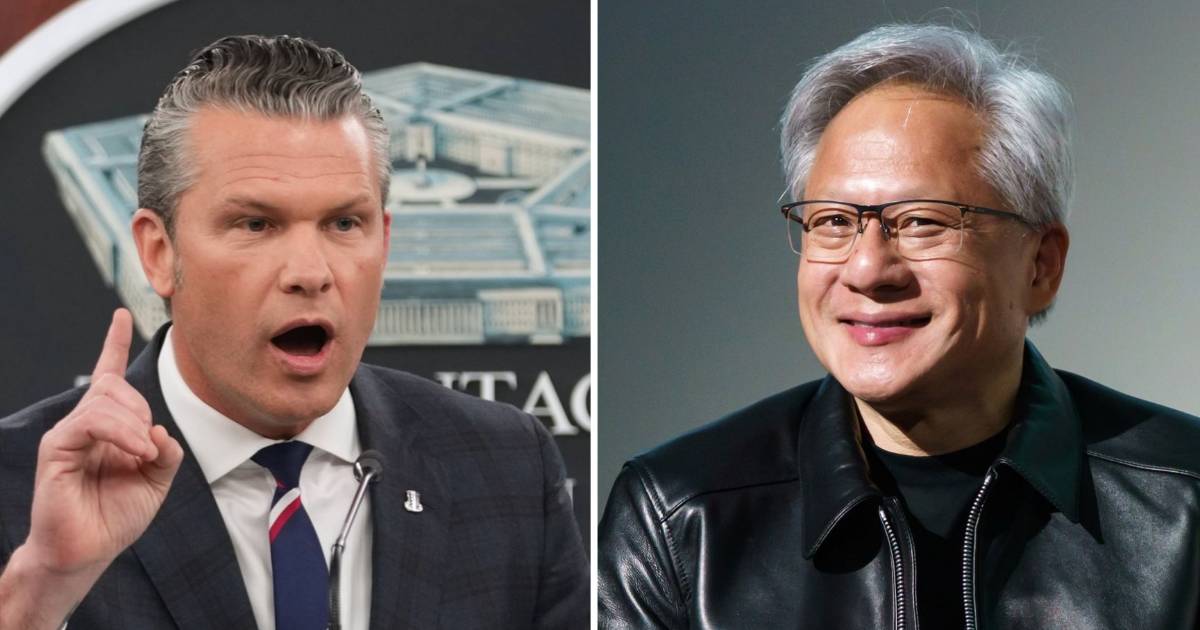
Bessent joins Secretary of State Marco Rubio, Defense Secretary Pete Hegseth, White House Chief of Staff Stephen Miller, and several other Trump administration officials who have already moved into military residences.
Attorney General Todd Blanche has also moved onto a base.
Some of the homes, inside access-controlled compounds, are more than a century old.
Why are Trump officials moving behind military gates?
The growing number of relocations by Trump officials from private housing to military compounds around Washington, DC, away from the rest of the capital is reportedly driven by security concerns.
Bessent moved to a military compound early in November after reported threats from Iran intensified and an aerial photograph published by The Wall Street Journal enabled his Georgetown home to be geolocated.
The exact shifting date has not been revealed.
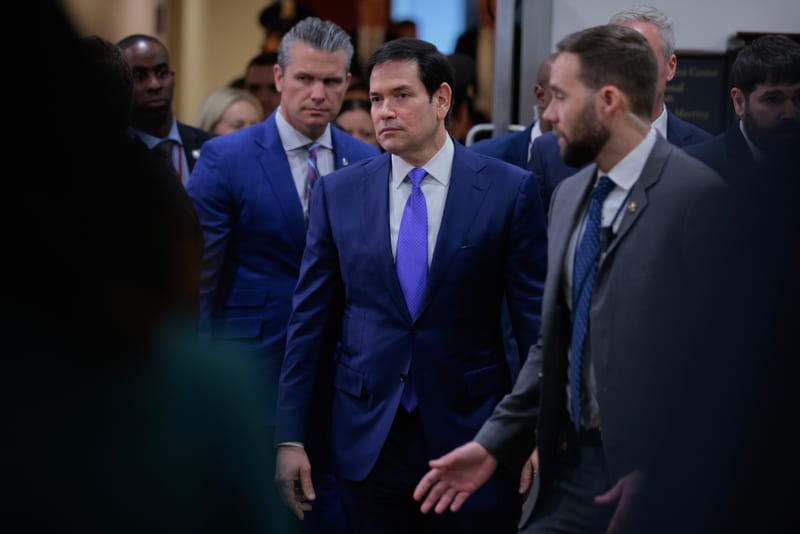
Rubio and Hegseth moved into military housing at Fort McNair in the capital last year primarily because of rising security concerns, citing threats from Iran and at home.
Miller, his wife Katie and their four children moved from their Virginia home into military accommodation last year after protests were held outside their residence and flyers carrying their home address were circulated.
Todd Blanche moved to military housing recently, but the Justice Department has refused to give any details on why he shifted there nor acknowledged security threats against him.
Is this move to more secure housing unprecedented?
While several civilian officials have lived in higher-security military housing earlier as well, the current shift is unprecedented, as there have been only a few scattered instances before 2025.
Robert Gates, who served as Defense secretary under Presidents George W Bush and Barack Obama, became the first Pentagon chief to live in military housing. He rented a 19th-century Navy residence at the Potomac Hill annex.
Gates lived there from 2006 to 2011.
In Trump’s first term, then-Defense Secretary Jim Mattis occupied the same Navy housing at Potomac Hill from 2017 to 2019.
Mike Pompeo, who served as CIA director and later secretary of state in Trump's first term, also lived in military housing from 2018 to 2021. However, the Navy initially described his request as "problematic" because of "factual, legal, fiscal, and ethical issues," according to an internal Navy memo.
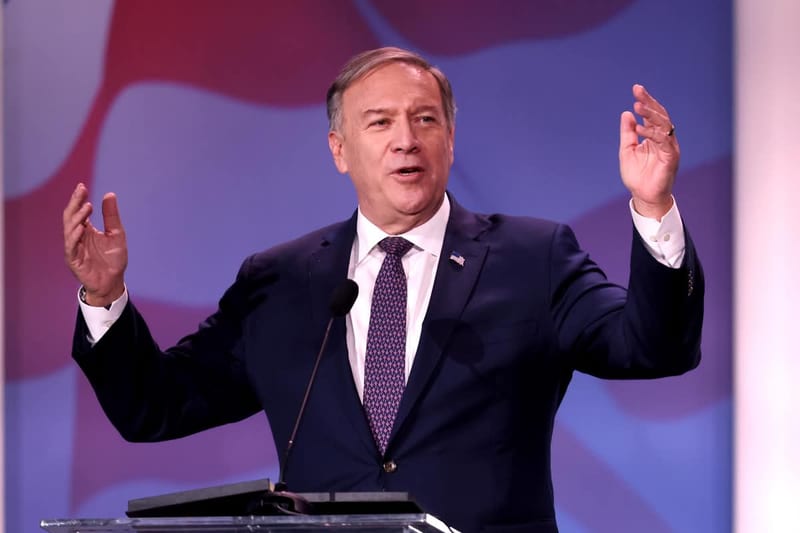
In recent memory, former Attorney General Pam Bondi and former DHS Secretary Kristi Noem lived in military housing.
Unusual trend raises scrutiny
The development has raised questions about the use of defense resources, housing availability and the legal authority governing civilian occupancy.
Rep George Whitesides (D-California) secured the House Armed Services Committee’s approval for a report on the issue.
The Pentagon has been asked to submit the report by spring, detailing which political appointees are living in military housing, the security threats behind their moves, the legal basis for the arrangements and how much rent they pay.
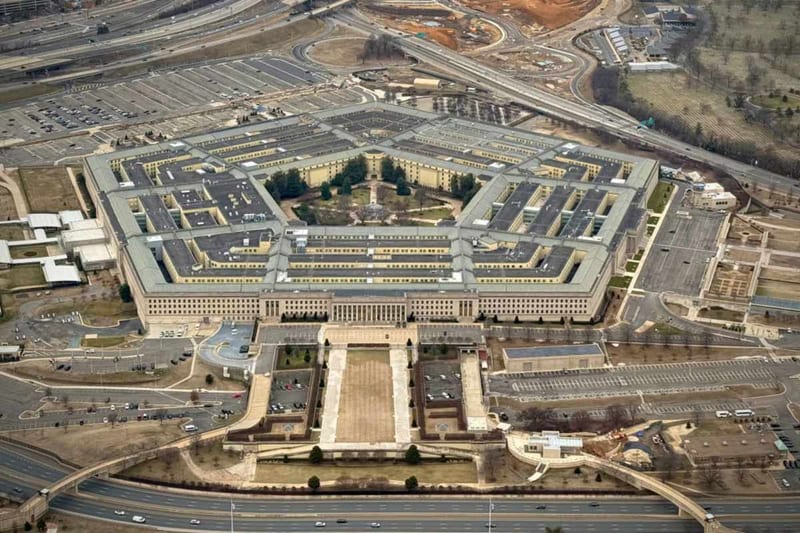
The officials living in military houses have to pay rent, which typically exceeds $4,500. Also, the rent depends on the type of property.